Clodura.ai vs FAC Intelligence: 2026 Sales Data Showdown
Clodura.ai and FAC Intelligence both promise B2B contact data and prospecting automation. Here is how their databases, accuracy, pricing, and workflows really compare in 2026.
Choosing between Clodura.ai and FAC Intelligence usually comes down to one question: which platform feeds your reps contacts they can actually reach? Both sell themselves as all-in-one B2B sales intelligence, but they make very different trade-offs on database depth, data freshness, automation, and price. This guide breaks down where each one wins, where each one frustrates, and when a focused tool beats a bundled suite.
TL;DR#
- Clodura.ai is a broad sales-intelligence suite: a large B2B database, intent signals, sequences, and a built-in dialer aimed at full-funnel outbound teams.
- FAC Intelligence leans toward account-level firmographic and technographic data, better suited to RevOps and ABM teams that enrich rather than prospect from scratch.
- Data accuracy and freshness matter more than raw record counts — a 600M-record database is worthless if half the emails bounce.
- Pricing favors Clodura.ai for smaller teams; FAC Intelligence tends toward enterprise contracts with custom quotes.
- If you mainly need verified email addresses on demand, a dedicated finder like Tomba is faster and cheaper than either suite.
What is Clodura.ai?#
Clodura.ai is a sales-prospecting platform built around a self-reported database of roughly 600M+ B2B contacts and 18M+ companies. The pitch is "everything in one tab": find a prospect, see org charts and direct dials, check buying intent, then drop them into an email sequence — all without leaving the app.
Its strongest features are the sequencing engine and the built-in dialer, which let small teams run cadences without paying separately for an outreach tool. Clodura also surfaces technographic and intent data, so you can filter for companies using a competitor's product or showing hiring signals.
The weakness is the one every bundled database shares: when a vendor optimizes for record count, freshness slips. Reps frequently report that Clodura's direct dials and emails need a verification pass before a campaign, because a meaningful slice of records are stale. You can read independent user feedback on G2 and Capterra to gauge how that plays out across team sizes.
What is FAC Intelligence?#
FAC Intelligence positions itself as an account intelligence and enrichment layer rather than a pure prospecting database. The emphasis is on firmographics, technographics, and account-level signals you can pipe into a CRM or marketing platform to score and route leads.
That makes FAC Intelligence a natural fit for RevOps and demand-gen teams that already have inbound flow and need to enrich and prioritize it — not for an SDR starting from a blank list. Its enrichment APIs and account scoring are the headline; contact-level coverage and self-serve prospecting are less of a focus.
The trade-off is access. FAC Intelligence skews toward annual, custom-quoted contracts, which raises the floor for small teams and makes a quick trial harder than with a self-serve tool.
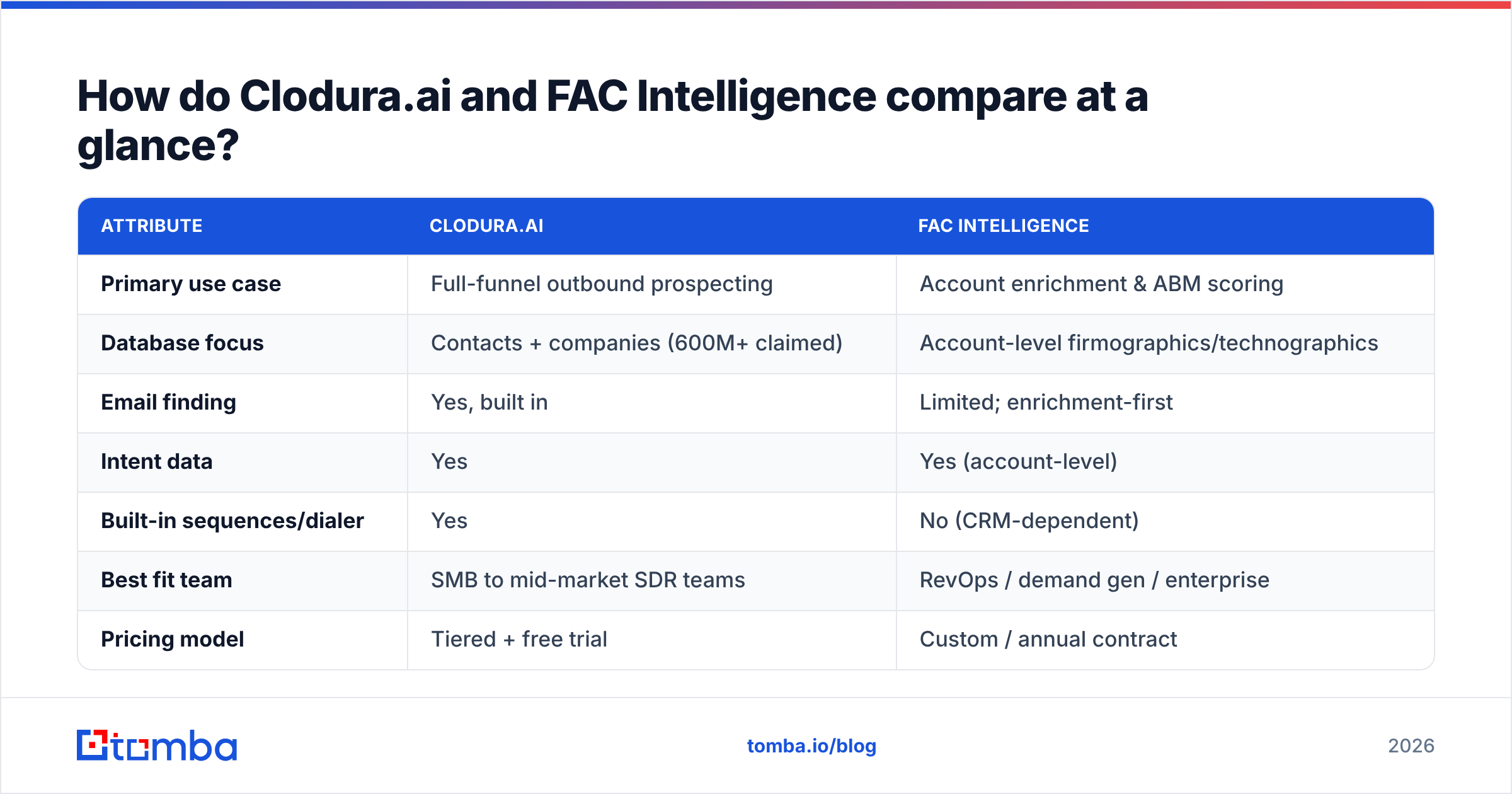
How do Clodura.ai and FAC Intelligence compare at a glance?#
Here is the head-to-head on the attributes that actually change your pipeline. Treat database sizes as vendor-reported, not audited.
| Attribute | Clodura.ai | FAC Intelligence |
|---|---|---|
| Primary use case | Full-funnel outbound prospecting | Account enrichment & ABM scoring |
| Database focus | Contacts + companies (600M+ claimed) | Account-level firmographics/technographics |
| Email finding | Yes, built in | Limited; enrichment-first |
| Intent data | Yes | Yes (account-level) |
| Built-in sequences/dialer | Yes | No (CRM-dependent) |
| Best fit team | SMB to mid-market SDR teams | RevOps / demand gen / enterprise |
| Pricing model | Tiered + free trial | Custom / annual contract |
| Self-serve onboarding | Fast | Sales-assisted |
The pattern is clear: Clodura.ai is the doer's tool — find and send in one place — while FAC Intelligence is the router's tool — enrich and prioritize what's already coming in.
Which one has better data accuracy?#
Accuracy beats volume, and neither suite escapes the freshness tax that comes with giant databases. The honest answer: both give you a strong starting list, and both benefit from an independent verification step before you hit send.
Why does this happen? A B2B contact record decays fast. People change jobs, companies rebrand, and domains get retired. Industry estimates put B2B data decay at roughly 30% per year. A database advertised at 600M records is a snapshot, and snapshots age. When a platform's incentive is to advertise a bigger number, the bottom of that list is where the bounces hide.
This is the gap a dedicated verifier closes. Running your exported list through an email verifier before a campaign catches invalid mailboxes, catch-all domains, and role addresses that would otherwise tank your sender reputation. If you skip it, your bounce rate climbs, and high bounce rates train inbox providers to route you to spam — the opposite of what you paid the database for.
A quick way to think about data quality#
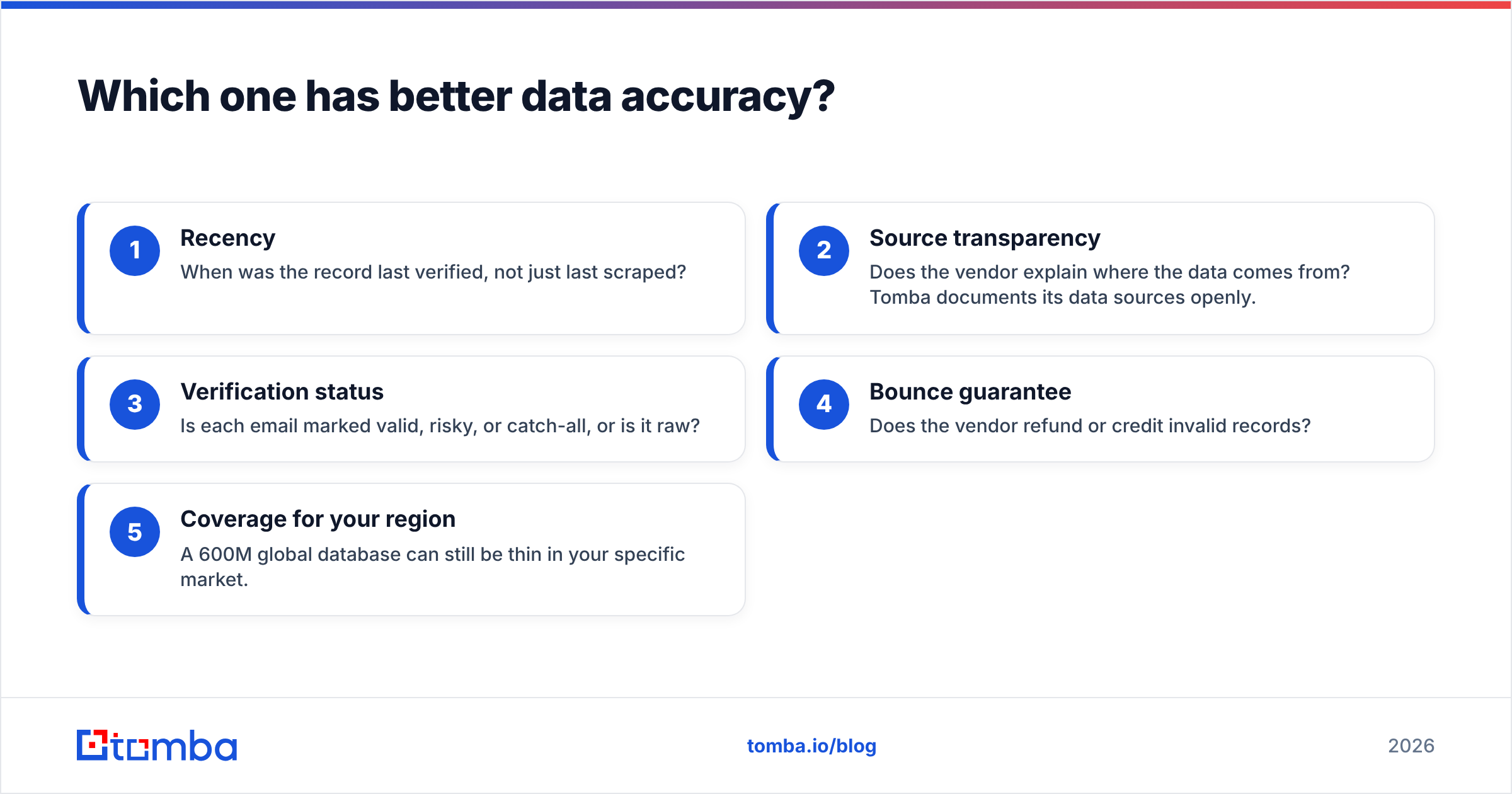
Use this checklist before trusting any sales-intelligence export, whether it comes from Clodura.ai, FAC Intelligence, or anywhere else:
- Recency — When was the record last verified, not just last scraped?
- Source transparency — Does the vendor explain where the data comes from? Tomba documents its data sources openly.
- Verification status — Is each email marked valid, risky, or catch-all, or is it raw?
- Bounce guarantee — Does the vendor refund or credit invalid records?
- Coverage for your region — A 600M global database can still be thin in your specific market.
If a tool can't answer the first three, treat its record count as marketing, not a metric.
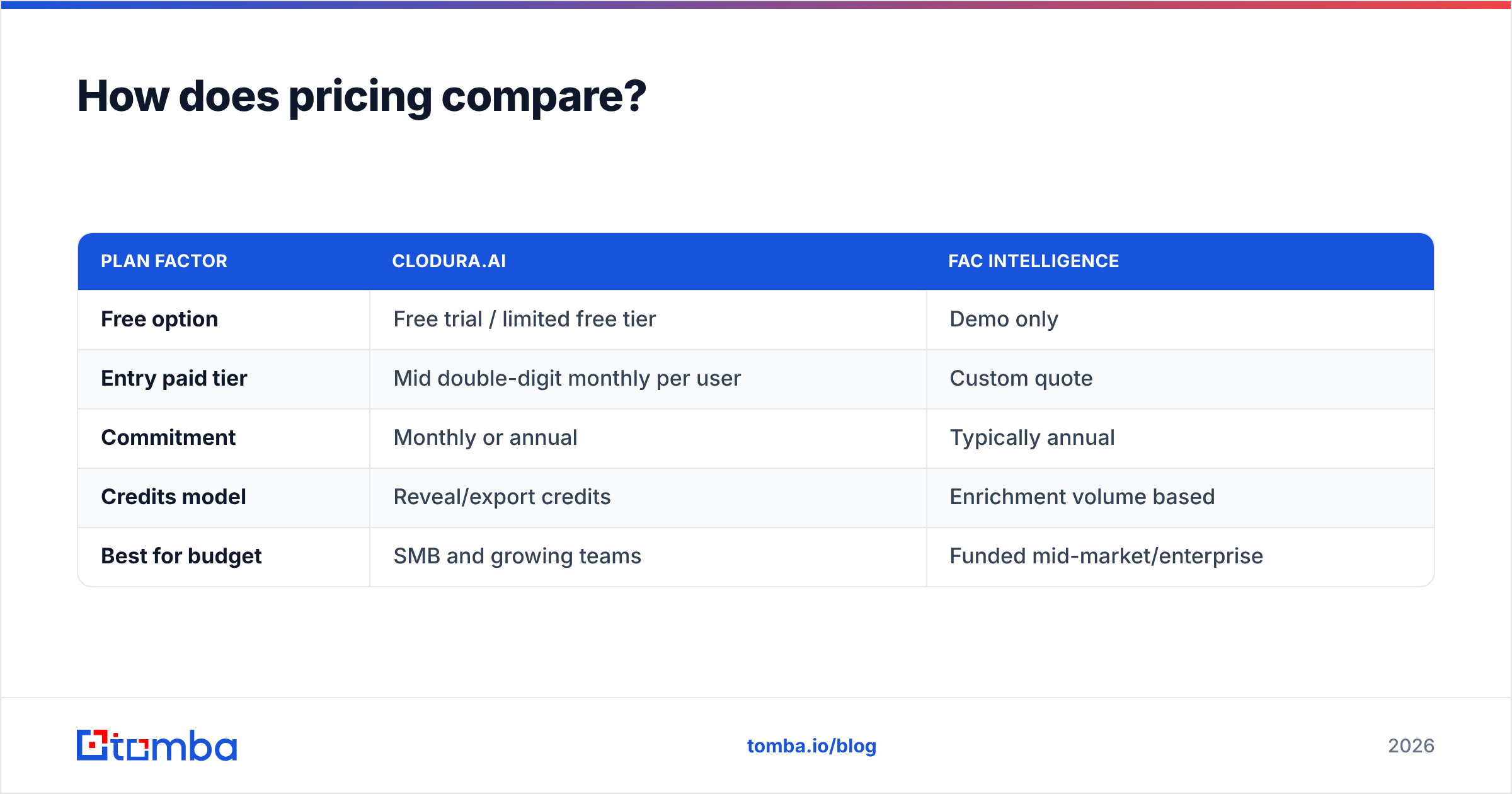
How does pricing compare?#
Clodura.ai is the more accessible option for self-serve teams; FAC Intelligence is built for committed annual spend.
| Plan factor | Clodura.ai | FAC Intelligence |
|---|---|---|
| Free option | Free trial / limited free tier | Demo only |
| Entry paid tier | Mid double-digit monthly per user | Custom quote |
| Commitment | Monthly or annual | Typically annual |
| Credits model | Reveal/export credits | Enrichment volume based |
| Best for budget | SMB and growing teams | Funded mid-market/enterprise |
For a small team that wants to start tomorrow, Clodura.ai's self-serve trial removes friction. For an enterprise standardizing on one enrichment layer across the CRM and MAP, FAC Intelligence's contract model can make sense — but expect procurement, not a credit card.
Worth noting: if your real need is "find and verify a few hundred emails a month," you're overpaying for either suite. A focused finder like Tomba starts free with 25 searches and scales on transparent Tomba pricing — Starter at $49/mo, Growth at $99/mo, and Pro at $249/mo — with no annual lock-in required to begin.
When should you pick a focused email finder instead?#
Pick a focused finder when your bottleneck is reach, not routing. Sales-intelligence suites bundle a database, sequencer, dialer, and intent engine — and you pay for the whole bundle even if you only live in one part of it.
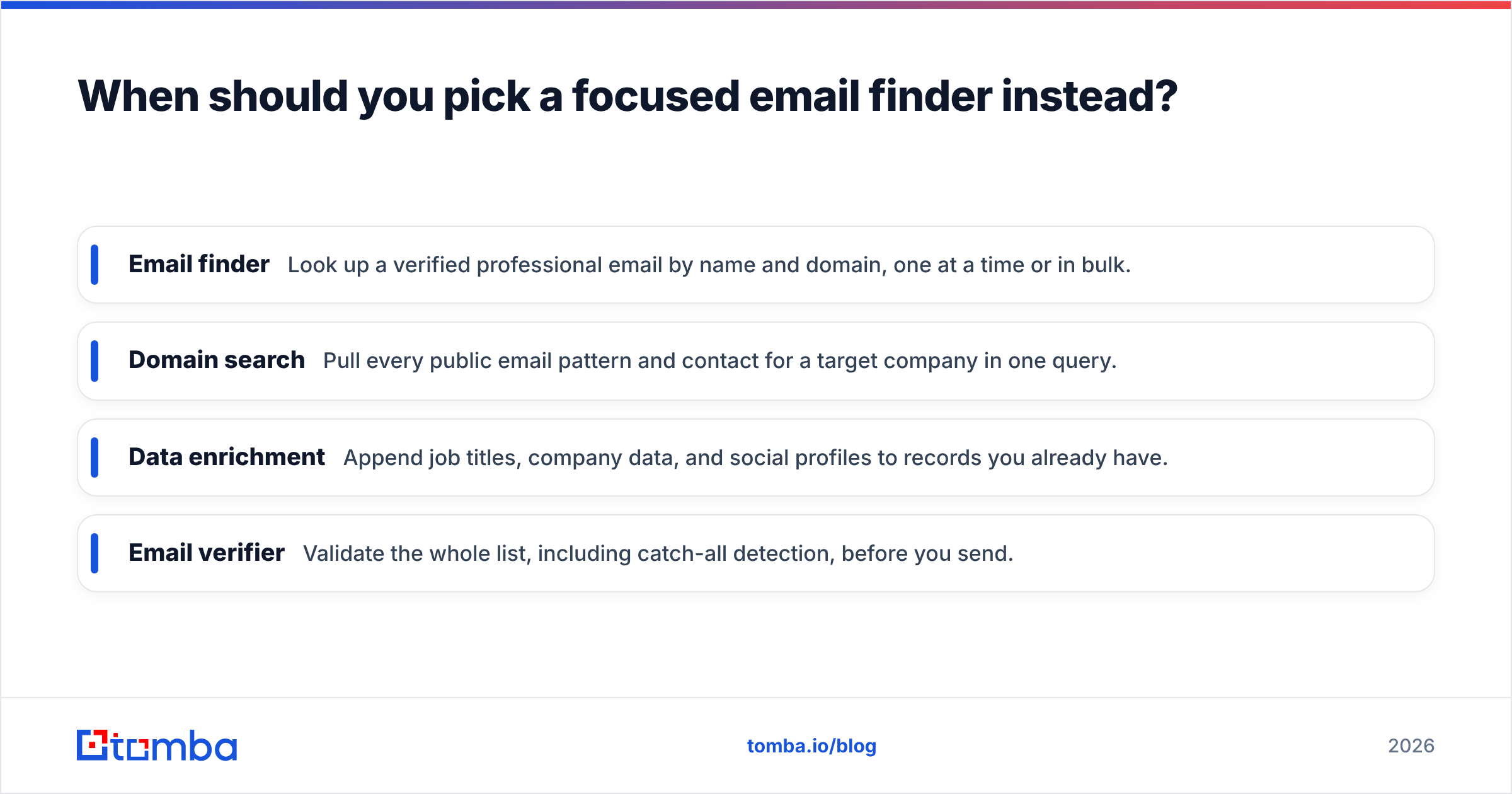
A lot of teams discover their actual job-to-be-done is narrow: "Give me the verified email for this person at this company, and let me enrich it into my CRM." For that, a dedicated stack is faster and cleaner:
- Email finder — Look up a verified professional email by name and domain, one at a time or in bulk.
- Domain search — Pull every public email pattern and contact for a target company in one query.
- Data enrichment — Append job titles, company data, and social profiles to records you already have.
- Email verifier — Validate the whole list, including catch-all detection, before you send.
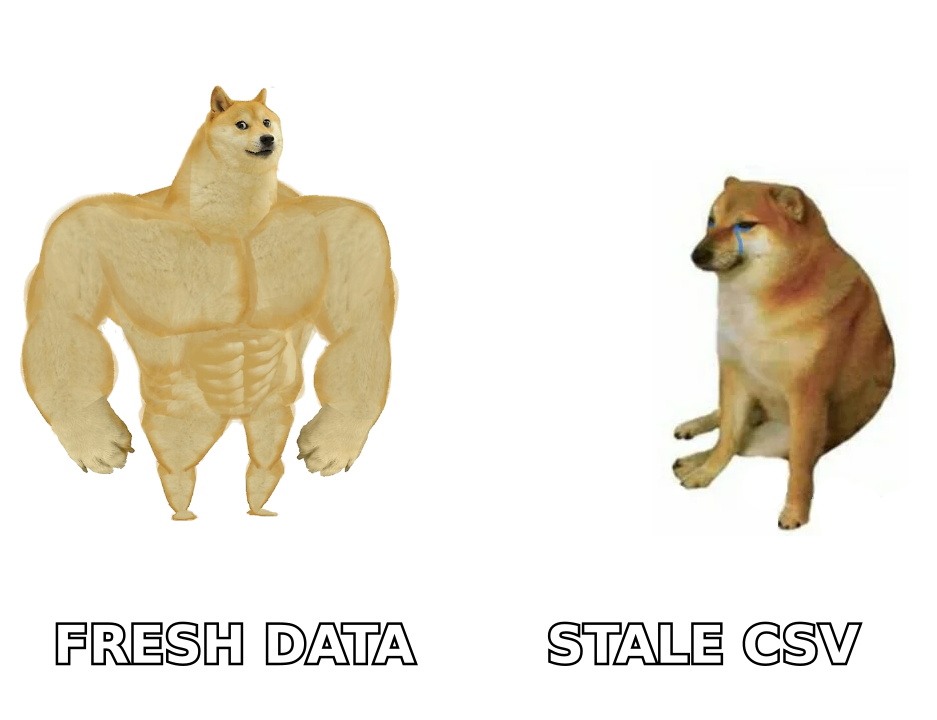
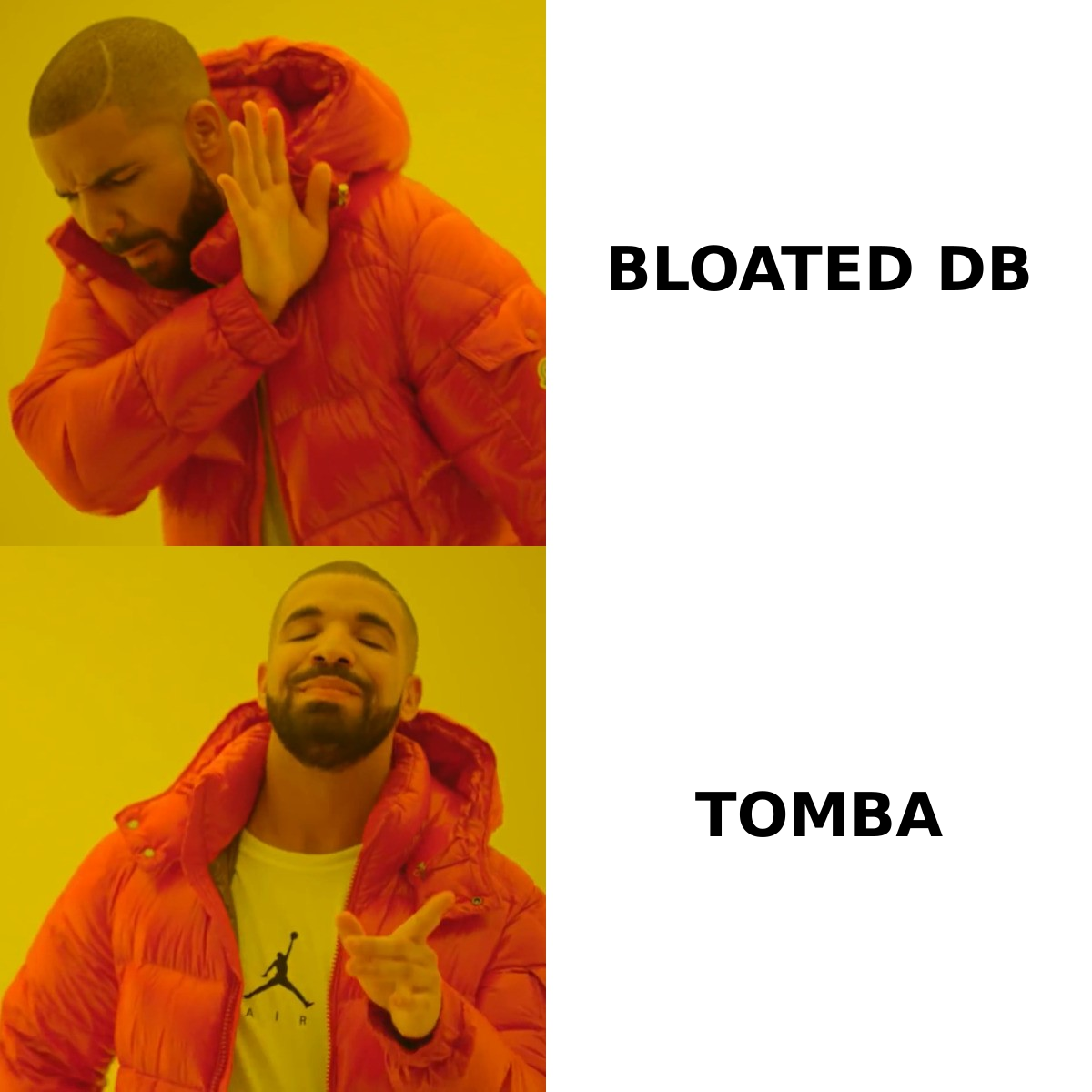
This is the difference the meme below captures: a tool optimized for one job tends to do that job better than a suite that treats it as a checkbox.
Clodura.ai vs FAC Intelligence: which should you choose?#
Match the tool to your motion, not the feature list.
Choose Clodura.ai if:
- You run outbound and want prospecting, sequences, and a dialer in one tab.
- You're an SMB or mid-market team that values self-serve onboarding.
- You want intent and technographic filters to build targeted lists fast.
- You accept that you'll verify exports before sending.
Choose FAC Intelligence if:
- Your priority is enriching and scoring inbound or existing accounts.
- You're RevOps or demand gen standardizing data across the CRM/MAP.
- You have budget for an annual, custom-quoted contract.
- Account-level firmographics matter more than self-serve contact discovery.
Choose a focused finder (Tomba) if:
- Your real need is verified emails on demand, not a full suite.
- You want to start free and scale on transparent monthly pricing.
- You care about source transparency and low bounce rates.
- You'd rather keep your existing CRM and sequencer and just plug in better data.
Common questions#
Is Clodura.ai's 600M-record database accurate? It's a strong starting point, but like every large B2B database it carries decay. Verify exports before campaigns to protect deliverability. The record count tells you coverage potential, not how many will actually land.
Does FAC Intelligence do email finding? Its focus is account-level enrichment and intelligence rather than self-serve contact discovery. If contact-level email finding is your core need, a dedicated finder will cover it more directly.
Can I use a finder alongside these suites? Yes, and many teams do. You can keep a suite for intent and account data, then use a tool like Tomba's bulk email finder and verifier to clean and complete lists before outreach. The two roles — intelligence and verified contact data — complement each other.
Which is cheaper for a small team? Clodura.ai, generally, because of its self-serve tiers. But for low-volume contact lookups, a finder that starts free is cheaper than either suite.
The bottom line#
Clodura.ai and FAC Intelligence solve adjacent problems. Clodura.ai is the better all-in-one prospecting suite for outbound SMB and mid-market teams; FAC Intelligence is the better enrichment and account-intelligence layer for RevOps and ABM. Neither is a magic bullet for data quality — both reward a verification step before you send.
If your honest bottleneck is simply getting accurate, verified emails into your workflow without paying for a suite you'll half-use, start with a focused tool. Try the Tomba Email Finder free — 25 searches a month, transparent source data, and built-in verification so the addresses you find are addresses that actually deliver. Layer it on top of whatever intelligence platform you already trust, and you get the best of both: smart targeting and contacts that reach the inbox.
// get started
Find, verify and enrich your first contacts today
Start on the free plan with 25 searches a month, then scale when your team is ready.
Free plan · No credit card required · GDPR & CCPA
// about the author