30 Second Elevator Pitch: B2B Sales Framework (2026)
A 30 second elevator pitch wins meetings when it leads with the buyer's pain, not your product. Here's the framework, examples, and the mistakes that kill response rates.
30 Second Elevator Pitch: B2B Sales Framework (2026)
TL;DR
- A 30 second elevator pitch is roughly 75 spoken words built around four parts: a specific buyer, a named pain, a quantified outcome, and a single soft ask.
- Pitches fail when they lead with the product. Buyers don't buy software — they buy the gap between "current reality" and "what good looks like."
- The cleanest structure is "We help [ICP] who [pain] do [outcome] without [common tradeoff]" — about 22 seconds — then leave 8 seconds for the ask.
- Cold calls, LinkedIn DMs, networking events, and SDR voicemails each need a tuned variant. Same skeleton, different texture.
- Measure your pitch the way you measure subject lines: positive reply rate, not personal taste.
What is a 30 second elevator pitch and why does it still matter in 2026?#
A 30 second elevator pitch is a rehearsed but conversational answer to "what do you do?" — short enough to deliver between floors of an elevator, structured enough to provoke a follow-up question. The name is older than most of the buyers you'll deliver it to. The reason it survives is mechanical: 30 seconds is roughly the attention budget a stranger gives you before they decide whether to invest more.
Buyers in 2026 are not more patient than they were ten years ago. They are less. Inbox volume is up, calendar density is up, and most B2B prospects can identify a sales script inside two sentences. Your pitch is competing with Slack pings, three open tabs, and the assumption that you are selling something they already turned down twice this quarter.
So the pitch is not about charm. It is about signal density — how much of value you can transmit per word before the buyer's filter slams shut. A pitch that takes 90 seconds doesn't take longer to listen to; it doesn't get listened to at all.
What are the four parts of a 30 second elevator pitch?#
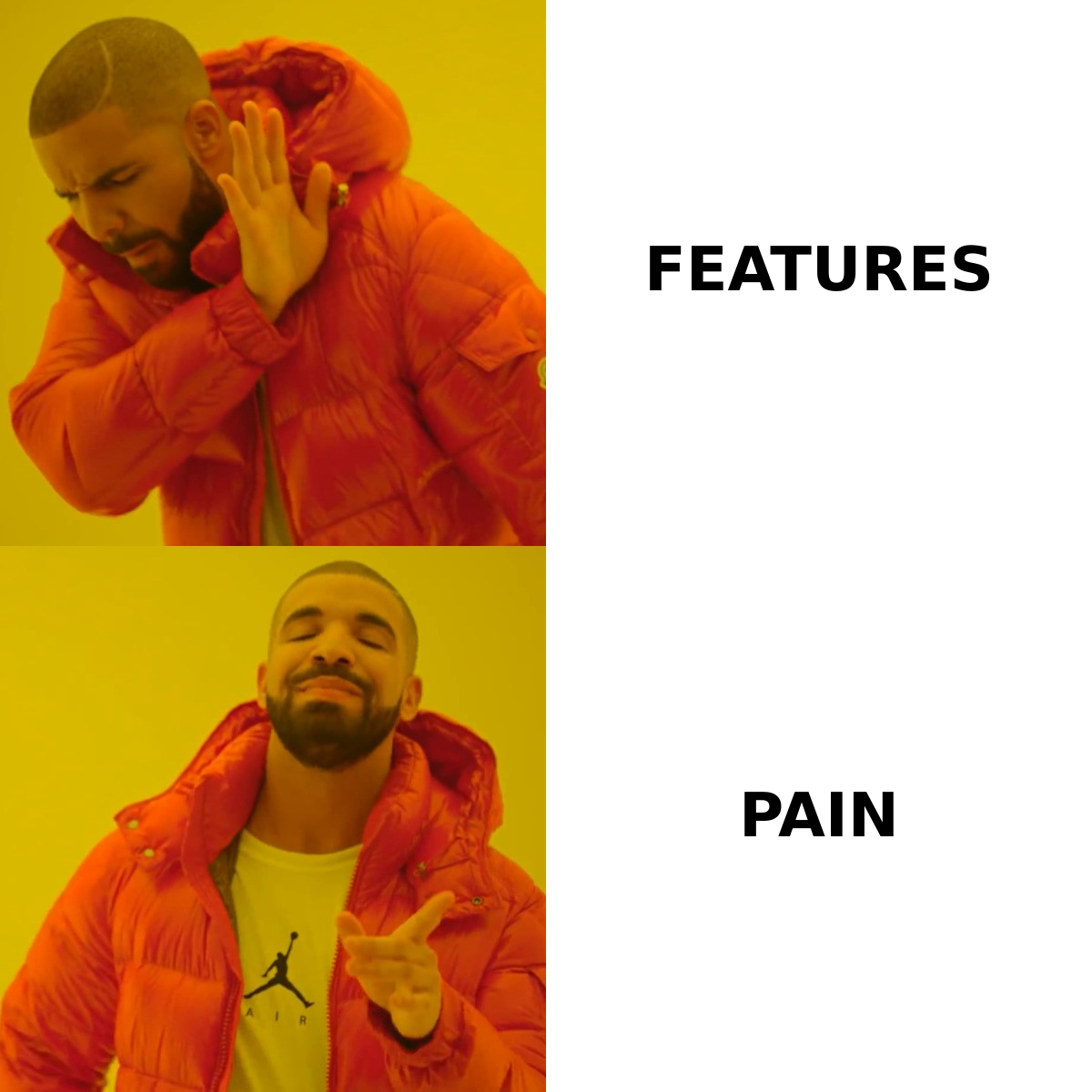
A working pitch has four parts, in this order:
- Specific buyer — who exactly you serve. Not "businesses." Not "B2B companies." A named role at a named segment.
- Named pain — the recurring problem they spend money on, complain about, or hire people to solve.
- Quantified outcome — what changes after working with you, with a number or a comparison.
- Soft ask — a low-friction next step that does not feel like a close.
Skip any of the four and the pitch loses meaning. Lead with the product and you've buried the only line the buyer cares about.
How long should a 30 second elevator pitch actually be?#
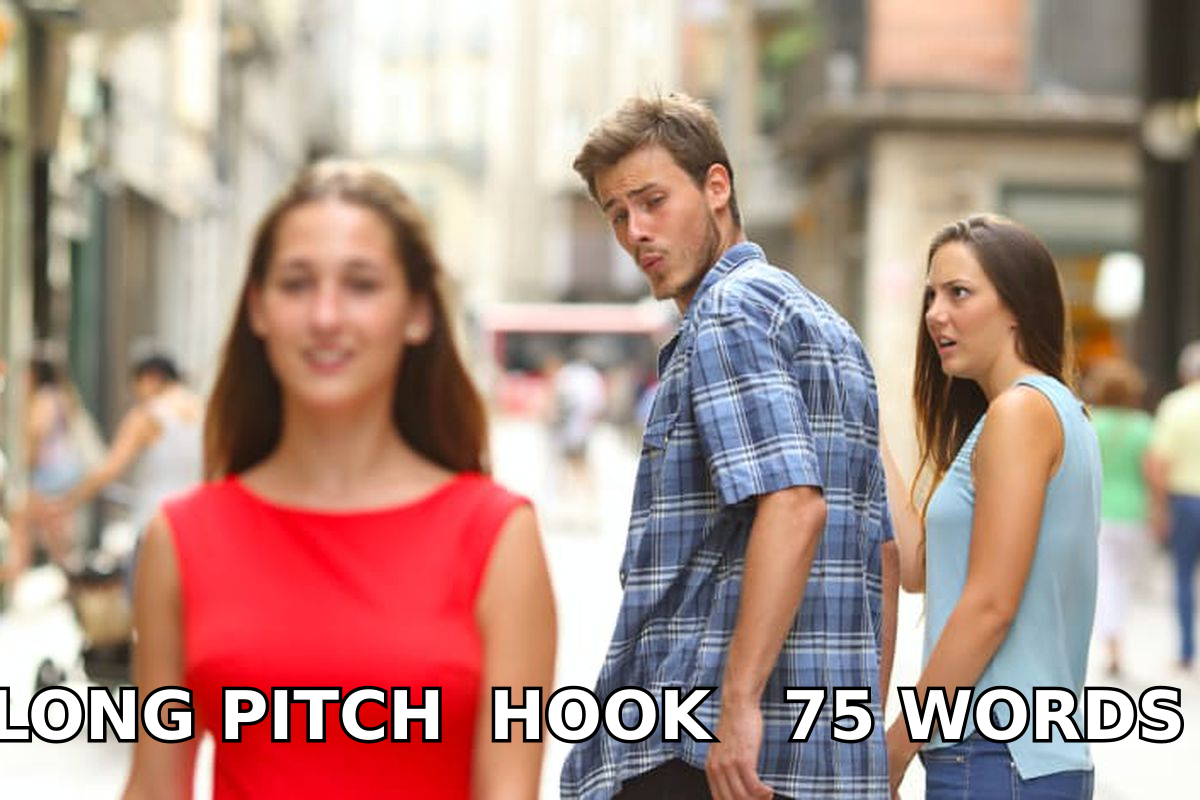
Thirty seconds at conversational pace is 70-85 spoken words. Target 75. This is the number on which the entire framework depends, because it determines how much you can include and what you must cut.
| Pitch component | Word budget | Time | Why this share |
|---|---|---|---|
| Specific buyer | 12-15 words | 5-6 sec | Tells the listener whether to keep listening |
| Named pain | 18-22 words | 7-8 sec | Earns the right to keep going |
| Quantified outcome | 20-25 words | 8-10 sec | The line they'll remember |
| Soft ask | 12-15 words | 5-6 sec | Converts attention into a calendar slot |
| Total | 62-77 words | 25-30 sec | Conversational, not auctioneer |
If you can't deliver your pitch in 75 words on paper, you can't deliver it in 30 seconds in person. Write it down, count the words, cut.
What's the fill-in template for a B2B elevator pitch?#
The simplest skeleton that consistently works:
"We help [specific role] at [specific company type] who [named pain] [quantified outcome] — without [common tradeoff they're worried about]. Most teams we work with [social proof line in one sentence]. Worth a 15-minute look next week?"
Plug in concrete words and the pitch writes itself. The "without" clause is the secret — it preempts the objection that would otherwise stop the conversation. The social proof line is optional if you have a strong outcome number, mandatory if you don't.
What does a good 30 second elevator pitch look like?#
Three examples, all 70-80 words, all built on the same skeleton.
Example 1 — Email infrastructure SaaS
"We help RevOps leaders at Series B SaaS companies who watch cold email reply rates collapse below 1% after scaling SDR teams past five reps. We rebuild the sending infrastructure so inboxes stay above 40% open rate at 10x volume — without rotating mailboxes or buying domains every quarter. Three Series B companies we worked with last year hit pipeline targets two quarters earlier. Worth a 15-minute look this week to see if it's a fit?"
Example 2 — Sales enablement consultant
"I work with VPs of Sales at PE-backed manufacturers whose AEs hit quota in year one and then plateau. We rebuild the discovery process so reps stop pitching specs and start qualifying on cost of inaction — without adding a single new sales tool. The last four engagements lifted average deal size by 28% in two quarters. Open to a short call next Tuesday to walk through how we'd diagnose your team?"
Example 3 — Email verification API
"We help growth engineers at outbound-heavy startups who get their sending domains throttled because list quality keeps slipping. We verify and route every address before send, so bounce rates stay under 2% without anyone touching a spreadsheet. Teams that switched to us cut bounce rates by 60% in the first 30 days. Want me to send a free test on your current list?"
Read them out loud. Time them. They land in 28-30 seconds because they were written to 75 words, not because the speaker is gifted.
How is a cold call pitch different from a networking pitch?#
Same skeleton, different opening contract.
| Context | Opening line | Tone | Ask |
|---|---|---|---|
| Cold call | "I know I'm catching you cold — 27 seconds and I'll let you go." | Direct, permission-asking | Calendar slot |
| LinkedIn DM | Skip the buyer line; use their job title in line one | Casual, low-pressure | One-line reply |
| Networking event | Lead with a question, not the pitch | Curious, two-way | Coffee, not demo |
| SDR voicemail | Compress to 20 seconds, anchor on the outcome | Confident, brief | Reply by email |
| Conference booth | Open with the pain as a question | Diagnostic | Badge scan or follow-up |
The cold call version is the hardest because you spend the first 5 seconds buying the right to deliver the other 25. The networking version is the easiest because the buyer is already in conversation mode — your job is to earn the second question, not the first meeting.
For the sales prospecting workflows that feed cold calls and DMs, your pitch only matters once you've reached someone who fits. Most teams undervalue data enrichment and overvalue the script.
What are the most common mistakes in a 30 second elevator pitch?#
The five mistakes that kill more pitches than anything else:
- Leading with what you sell. "We're a sales intelligence platform that…" — the listener has now heard the category and decided they already have one. Lead with who you serve.
- Vague buyer. "Companies that want to grow" includes every company. "Series B SaaS RevOps leaders" excludes 99% and earns attention from the 1% who fit.
- Outcome without a number. "Save time" is not an outcome. "Cut SDR time-to-meeting from 14 days to 5" is.
- Stacking three pitches into one. If your product does five things, your pitch does one. The other four come up in discovery.
- The closed-ended ask. "Do you have time to chat?" invites "no." "Worth a 15-minute look next week?" invites a yes/maybe.
The structural fix is the same in every case: rewrite to 75 words, force one buyer, one pain, one outcome, one ask.
How do you write a 30 second pitch when your product does many things?#
Pitch the wedge, not the platform. The buyer doesn't need to know everything you do — they need to know whether you can solve the specific thing keeping them up tonight.
Pick the one use case that is (a) the most painful for the most buyers, (b) hardest to live without once they have it, and (c) easiest to prove with a number. That's the pitch. Everything else becomes "we also do X" once you're in discovery.
This is why category-leading tools sound narrower in their pitches than they actually are. HubSpot didn't win marketing automation by pitching "an end-to-end revenue platform." They won by pitching inbound — one wedge — for a decade. Same playbook applies to the B2B database category, the email verifier category, and everything between.
How do you test and improve your elevator pitch?#
Treat it like a subject line. Three measurements, weekly.
- Positive reply rate. Out of N pitches, how many led to "tell me more" or a calendar accept? Below 8% on cold outbound is a pitch problem, not a list problem.
- Time to second question. When you deliver in person, how long until they ask the follow-up? Under 10 seconds is a strong pitch. Over 25 seconds and they're being polite.
- The recall test. A week after a networking event, can the person describe what you do? If they can't, the pitch was too generic to retain.
Run two variants for two weeks each. Keep the winner. The version of your pitch you wrote on the plane is almost never the version you'll be running in 90 days, and that's the point — it should evolve.
For outbound at volume, the pitch lives inside an email or call sequence. Pair it with a clean prospect list — tools like Tomba's email finder or your existing Apollo alternative give you the contacts; the pitch is what converts them. Free utilities like the subject line generator and cold email AI help you compress the pitch into formats that fit inbox attention budgets.
How do you adapt the pitch for LinkedIn and email?#
Two adjustments.
LinkedIn DM (50 words max). Drop the buyer line — their profile already tells them they fit. Open on the pain. End with a one-line ask that doesn't require a calendar.
"Saw you're heading SDR ops at [Company]. Most teams at your stage are watching reply rates fall below 1%. We rebuild infrastructure so they stay above 40% — three Series B teams hit pipeline targets two quarters early last year. Open to me sending the two-paragraph version?"
Cold email (subject + 60 words). The subject line carries the buyer line; the body is pain → outcome → ask. Avoid the "I see you're the…" opener — every SDR uses it.
"Subject: 1% reply rate at 5+ SDRs?
When SDR teams scale past five reps, cold reply rates usually collapse. We rebuild sending infrastructure to keep inbox rates above 40% at 10x volume. Three Series B teams hit pipeline targets two quarters early last year. Open to a 15-minute call next Tuesday?"
Both versions clock under 75 words. Both end with a soft ask. Both can be A/B tested. Industry benchmarks from G2 and similar sources put strong B2B cold email reply rates around 8-12% — your pitch should target that band before you blame the list.
Where does the elevator pitch fit in your overall outbound stack?#
A pitch is the conversion layer; the B2B data and intelligence layer underneath is what makes it possible. If your list is wrong, the best pitch in the world bounces or annoys. If your data is right, even a mediocre pitch books meetings.
The honest order of operations:
- Define ICP precisely (the "specific buyer" line writes itself once you do).
- Build a clean list with verified emails and direct dials.
- Write the 75-word pitch.
- Test pitch variants weekly.
- Layer in a second touch (LinkedIn, voicemail, retargeting).
- Measure positive reply rate, not opens.
Steps 1-2 are where most teams skip work and then blame step 3 when nothing converts.
Ready to put the pitch to work?#
Once your pitch is tight, the bottleneck moves upstream — to whether you're reaching the right people in the first place. Tomba's email finder gives you verified work emails for the exact ICP your pitch is built for, with 25 free searches per month on the free tier and paid plans starting at $49/mo. Find the buyer, verify the address, deliver the 75 words. Start free at tomba.io/email-finder.
// get started
Find, verify and enrich your first contacts today
Start on the free plan with 25 searches a month, then scale when your team is ready.
Free plan · No credit card required · GDPR & CCPA
// about the author