Affistash vs ZoomInfo 2026: B2B Data Tools Compared
Affistash vs ZoomInfo in 2026: how an affiliate-discovery upstart stacks up against the enterprise B2B data giant on coverage, pricing, and real-world fit.
TL;DR
- Affistash is a niche partner- and affiliate-discovery tool built to surface publishers, creators, and referral partners — not a general-purpose sales database.
- ZoomInfo is the enterprise standard for B2B contact and company intelligence, with deep firmographics, intent data, and CRM-grade enrichment — at enterprise prices (often $15k+/year).
- They overlap less than the "vs" framing suggests: pick Affistash for affiliate-program recruiting, pick ZoomInfo for full-funnel outbound and account-based selling.
- Both are expensive or rigid for small teams that just need accurate contact data. A focused email finder like Tomba covers the "find and verify the person" job for a fraction of the cost.
- Use the decision framework below to match the tool to your actual go-to-market motion before you sign anything.
What are Affistash and ZoomInfo?#
Affistash and ZoomInfo solve different problems that happen to share a word: "prospecting." Affistash helps you find partners — affiliates, publishers, and creators who can promote your product. ZoomInfo helps you find buyers — the companies and decision-makers your sales team should call.
Think of it like hiring. Affistash is a recruiter who specializes in commission-based salespeople who'll resell your product. ZoomInfo is the corporate directory plus a credit report on every company you might sell to. Both are about "reaching the right people," but the right people are completely different groups.
That distinction matters because most "Affistash vs ZoomInfo" searches come from teams who haven't separated the two jobs yet. Once you have, the comparison gets much simpler.
What does Affistash actually do?#
Affistash is an affiliate and partnership discovery platform. Its core promise is helping brands and affiliate managers find relevant publishers, content sites, coupon partners, and creators to recruit into a partner program. Instead of cold-emailing random blogs, you search by niche, traffic profile, and partnership type, then export contacts to start recruiting.
Where it's strong:
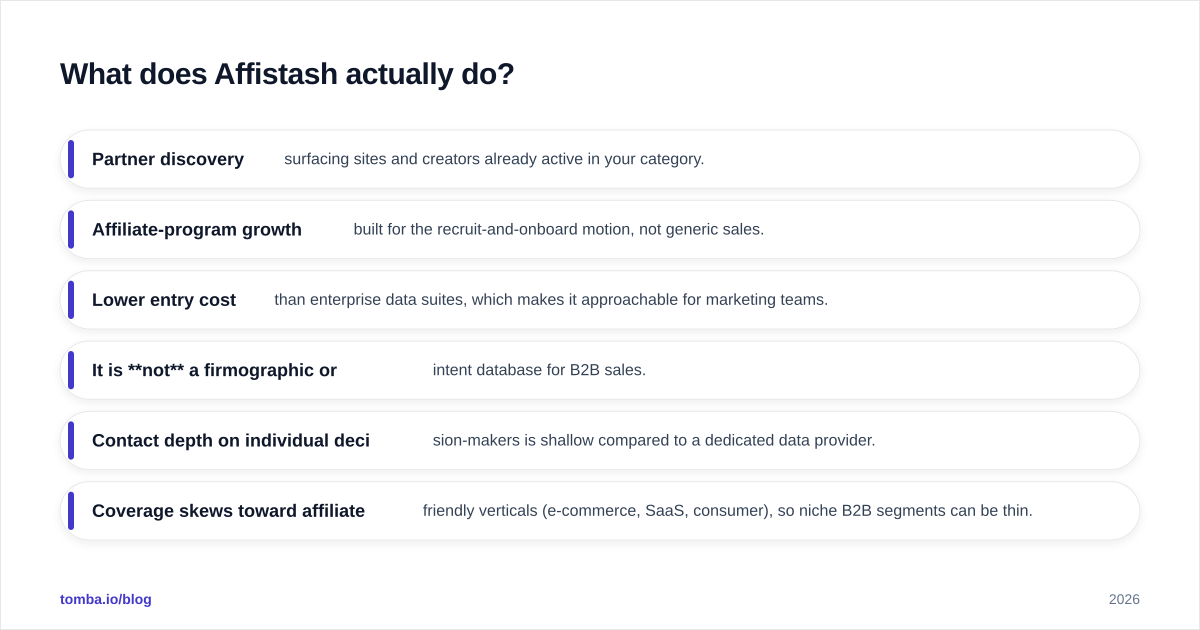
- Partner discovery — surfacing sites and creators already active in your category.
- Affiliate-program growth — built for the recruit-and-onboard motion, not generic sales.
- Lower entry cost than enterprise data suites, which makes it approachable for marketing teams.
Where it's limited:
- It is not a firmographic or intent database for B2B sales.
- Contact depth on individual decision-makers is shallow compared to a dedicated data provider.
- Coverage skews toward affiliate-friendly verticals (e-commerce, SaaS, consumer), so niche B2B segments can be thin.
If your goal is to launch or scale an affiliate program, Affistash is in its lane. If your goal is to book demos with enterprise IT buyers, it isn't.
What does ZoomInfo actually do?#
[
ZoomInfo](https://www.zoominfo.com) is one of the largest B2B data platforms in the market, used heavily by mid-market and enterprise sales and marketing teams. Its value is breadth and depth: hundreds of millions of contacts, detailed company firmographics, technographics, org charts, and buyer-intent signals layered on top.
The platform has expanded well past "a database." It includes intent data, conversation intelligence (Chorus), engagement and sequencing tools, and website visitor identification. For a large revenue org, that consolidation is the selling point — and the price tag.
Where it's strong:
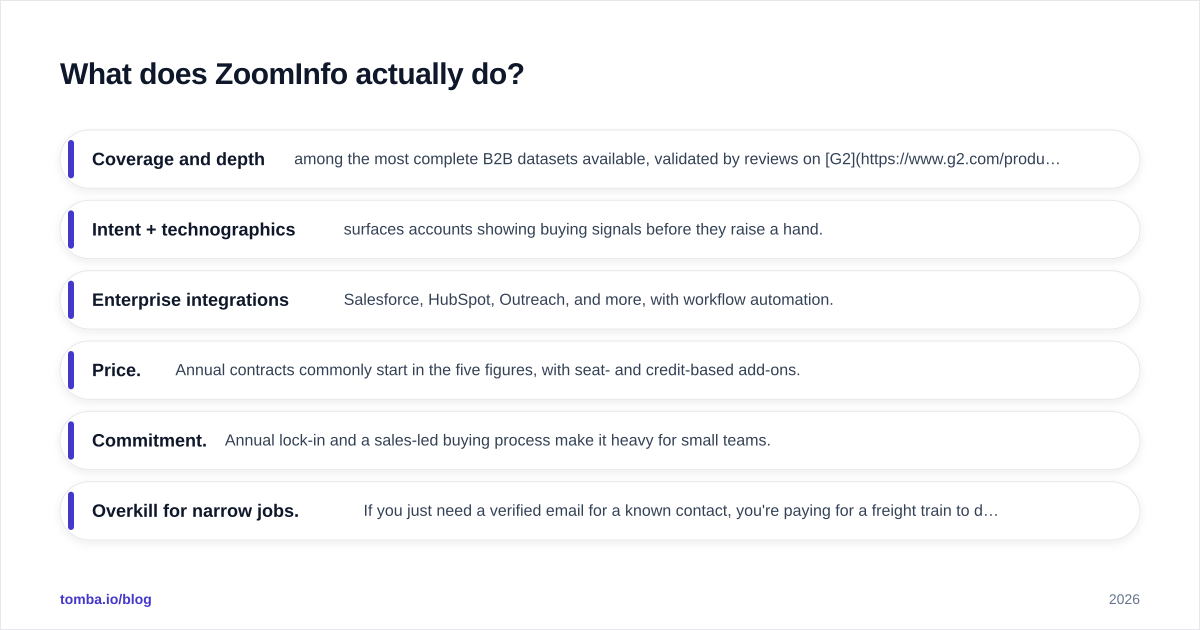
- Coverage and depth — among the most complete B2B datasets available, validated by reviews on G2.
- Intent + technographics — surfaces accounts showing buying signals before they raise a hand.
- Enterprise integrations — Salesforce, HubSpot, Outreach, and more, with workflow automation.
Where it's limited:
- Price. Annual contracts commonly start in the five figures, with seat- and credit-based add-ons.
- Commitment. Annual lock-in and a sales-led buying process make it heavy for small teams.
- Overkill for narrow jobs. If you just need a verified email for a known contact, you're paying for a freight train to deliver a letter.
Affistash vs ZoomInfo: how do they compare?#
Here's the side-by-side. Treat the pricing rows as directional —
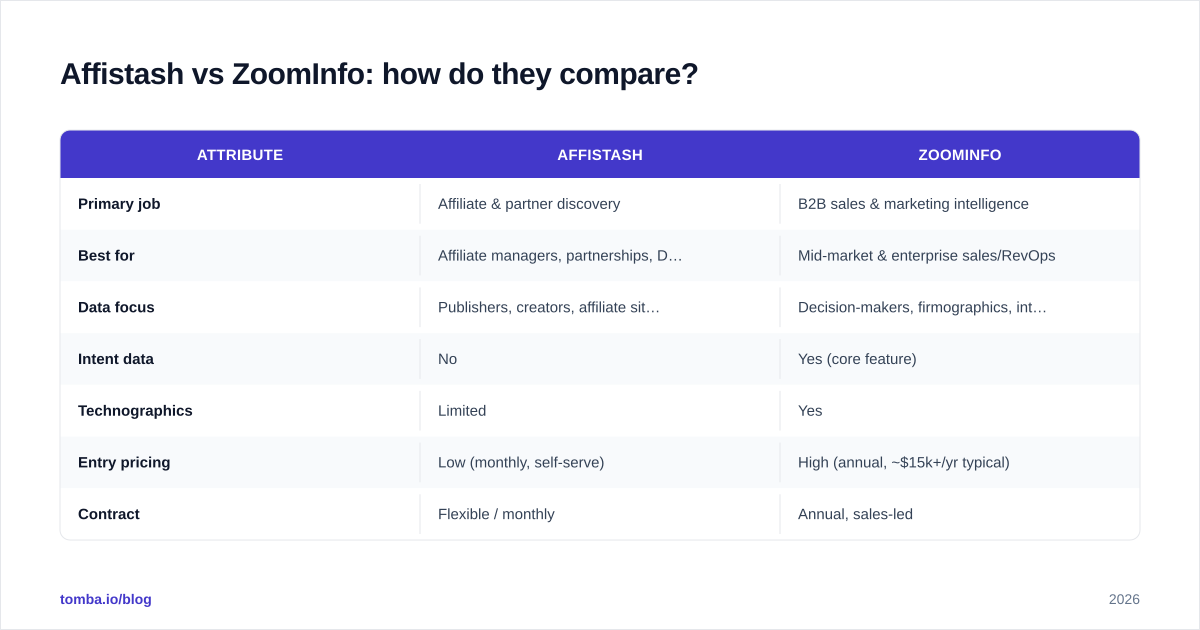
ZoomInfo quotes are custom and Affistash plans shift — but the shape of the trade-off is stable.
| Attribute | Affistash | ZoomInfo |
|---|---|---|
| Primary job | Affiliate & partner discovery | B2B sales & marketing intelligence |
| Best for | Affiliate managers, partnerships, DTC/SaaS marketing | Mid-market & enterprise sales/RevOps |
| Data focus | Publishers, creators, affiliate sites | Decision-makers, firmographics, intent |
| Intent data | No | Yes (core feature) |
| Technographics | Limited | Yes |
| Entry pricing | Low (monthly, self-serve) | High (annual, ~$15k+/yr typical) |
| Contract | Flexible / monthly | Annual, sales-led |
| Contact verification | Basic | Built-in, large scale |
| Learning curve | Light | Moderate to steep |
| Free tier | Limited trial | No true free tier |
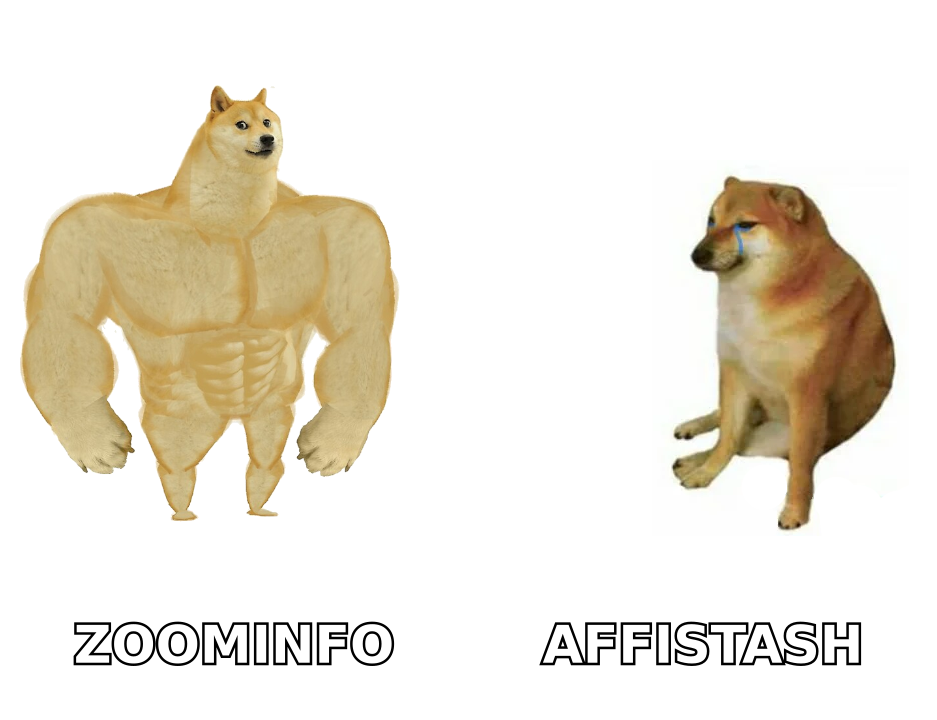
The pattern: Affistash is narrow and cheap, ZoomInfo is broad and expensive. Neither is "better" in the abstract — they answer different questions. The mistake is buying ZoomInfo's breadth when you only need one slice of it, or expecting Affistash to fill a full sales pipeline.
Is ZoomInfo better than Affistash for sales prospecting?#
Yes — for traditional B2B sales prospecting, ZoomInfo is the stronger tool, and it isn't close. Affistash was never built to populate a sales team's outbound list with verified decision-maker contacts and intent signals. ZoomInfo was.
But "better for sales prospecting" comes with two caveats:
- Cost-to-value. If you're a three-person sales team, ZoomInfo's annual minimum can exceed your entire tooling budget. You'd be buying intent data and conversation intelligence you won't use.
- The data-accuracy ceiling. Even the largest databases decay. Contacts change jobs, emails bounce, and titles go stale. Whatever source you use, you still need a verification step before you hit send — which is where a dedicated email verifier earns its keep regardless of platform.
So ZoomInfo wins the prospecting category, but the right answer depends on whether you'll use 80% of the platform or 8% of it.
Where does a focused email finder fit in?#
A lot of teams searching "Affistash vs
ZoomInfo" actually have a smaller, sharper need: I know which companies and people I want to reach — I just need their accurate, verified email addresses. For that job, neither a partner-discovery tool nor a full enterprise suite is the efficient buy.
That's the gap a dedicated email finder fills. Instead of licensing an entire data ecosystem, you look up contacts by name and company, run domain search to pull every public address pattern at a target company, and verify deliverability before adding anyone to a sequence. You pay for the specific job, not the suite.
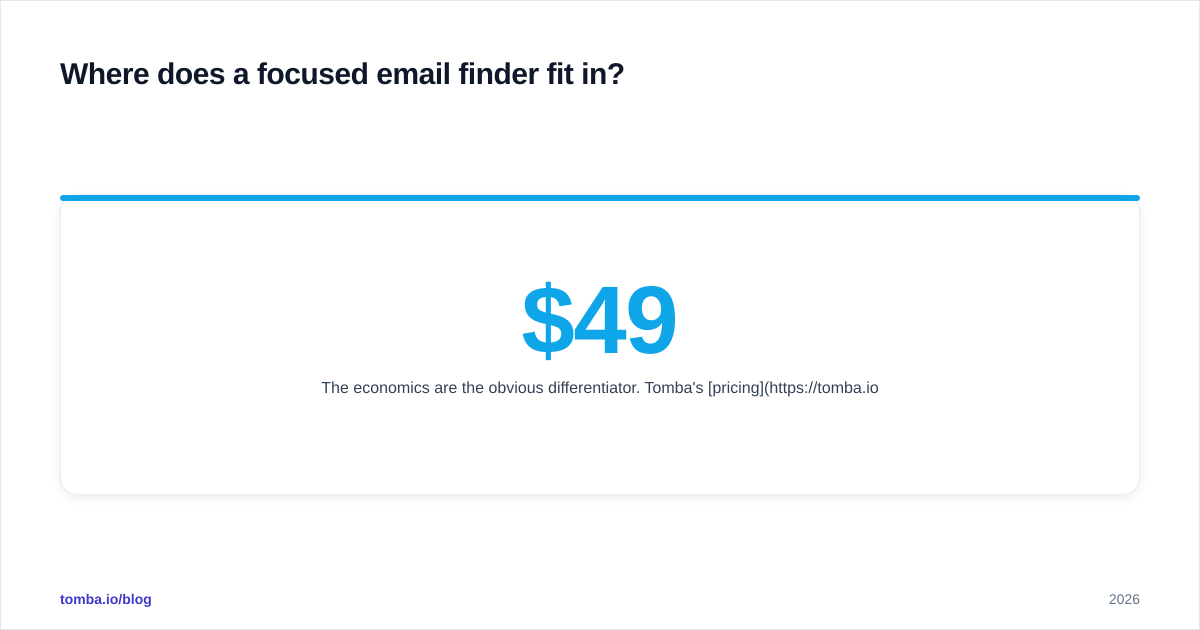
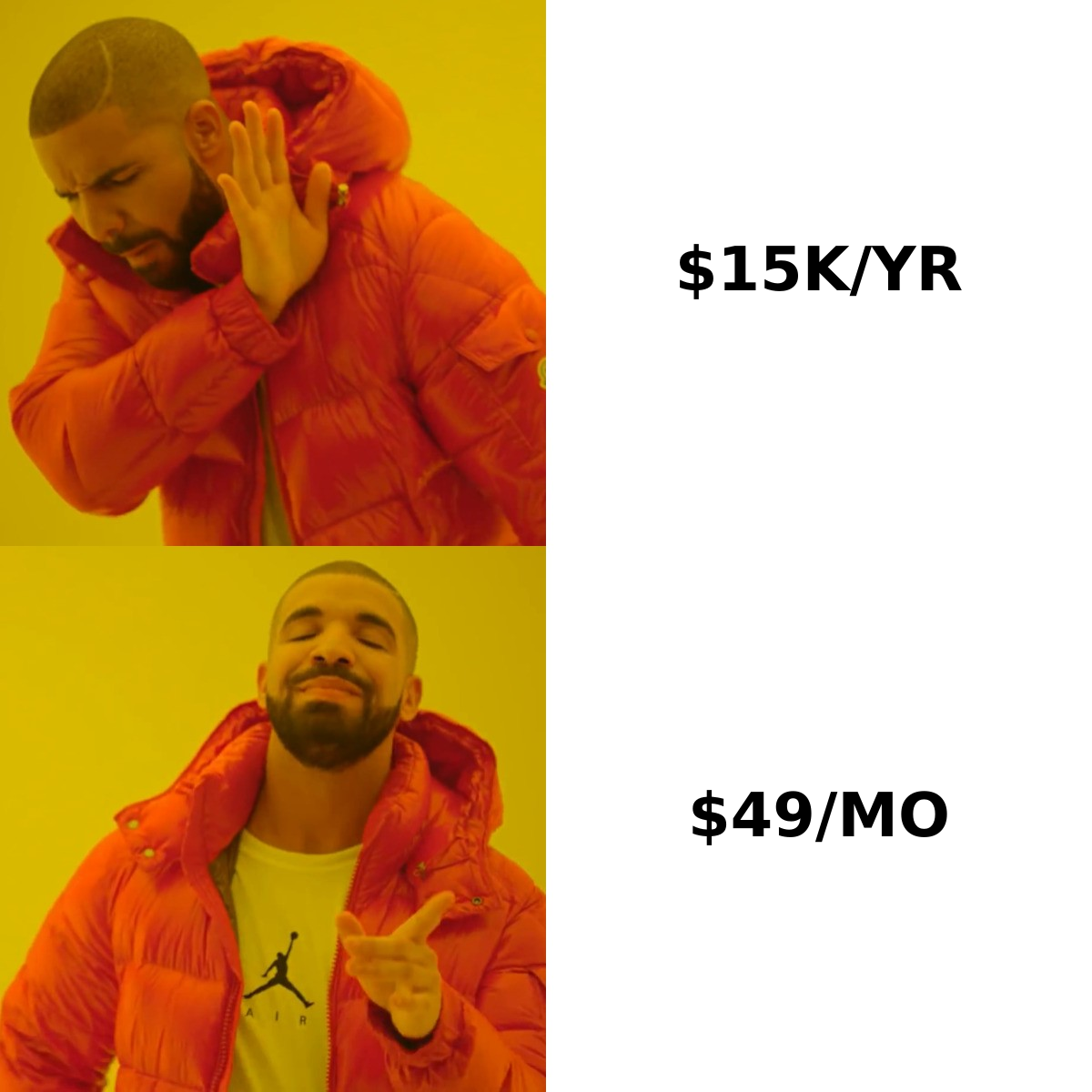
The economics are the obvious differentiator. Tomba's pricing starts with a free tier (25 searches/month), then Starter at $49/mo, Growth at $99/mo, and Pro at $249/mo — monthly, self-serve, no annual lock-in. Compare that to a five-figure ZoomInfo contract and the calculus for a lean team is straightforward.
This isn't an argument that a finder replaces ZoomInfo's intent data or Affistash's affiliate graph. It's that many buyers overbuy. If your core need is "get me the right person's verified email," a focused tool does that job cleaner and cheaper than either platform in this comparison.
How do you choose between Affistash, ZoomInfo, and a finder?#
Match the tool to your motion, not to the hype. Run your situation through these questions:
1. What are you actually recruiting — partners or buyers? If you're building an affiliate or referral program, Affistash is purpose-built and the rest is a distraction. If you're filling a sales pipeline, skip it.
2. How big is your sales org and budget? Enterprise team with a real data budget and an account-based motion that uses intent signals? ZoomInfo's breadth pays off. Small or mid-size team that mostly needs accurate contacts? The platform's cost outruns the value you'll extract.
3. Do you already know your target accounts? If you have your ICP and target list and just need verified contact data, a finder plus verifier is the lowest-friction path. You don't need to license a discovery engine to look up people you've already identified.
4. How will you keep data clean? Whatever you buy, deliverability depends on verification. Stale data tanks email deliverability and sender reputation faster than any tool can compensate for. Budget for a verification step in every workflow.
A practical hybrid many teams land on: use ZoomInfo (or its data) for account intelligence and intent at the enterprise tier, use Affistash if and only if you run a partner program, and use a finder/verifier for the high-volume, day-to-day job of turning a name and company into a contact you can actually reach.
What about accuracy and bounce rates?#
Accuracy is the quiet differentiator across all three. ZoomInfo's scale is real, but scale and freshness aren't the same thing — large databases still carry stale rows, and you'll pay credits for contacts that have since changed jobs. Affistash's contact data is secondary to its discovery function, so don't expect verification-grade addresses out of the box.
The non-negotiable, no matter which you choose: verify before you send. Run new contacts through a verification pass to catch invalids, role accounts, and risky catch-all domains. A catch-all verifier handles the trickiest case — domains that accept every address — so you're not guessing on deliverability. Skipping this step is the fastest way to torch a sending domain, regardless of how premium your data source was.
If you're enriching at volume, a bulk email finder lets you process whole lists at once and verify in the same pass, which keeps bounce rates low without manual checking.
The bottom line#
Affistash and ZoomInfo aren't really competitors — they're different tools that a confused search query puts in the same ring. Affistash wins partner and affiliate discovery. ZoomInfo wins enterprise B2B sales intelligence. Most teams who pit them against each other actually want the third option: accurate, verified contact data for people they've already identified, without an enterprise contract or a partner-program engine they won't use.
If that's you, start with the job, not the platform. Find the right people and verify their emails before you send — that's the work that moves pipeline. The Tomba Email Finder does exactly that: search by domain, name, or company, verify deliverability in the same flow, and start on a free tier before you spend a dollar. Pair it with a verifier for clean lists, and you'll get more replies than an expensive suite you only half-use. Spin up a free account, run your first 25 searches, and see how far focused data gets you.
// get started
Find, verify and enrich your first contacts today
Start on the free plan with 25 searches a month, then scale when your team is ready.
Free plan · No credit card required · GDPR & CCPA
// about the author