Callfire Alternatives 2026: 7 Best Voice & SMS Tools
Callfire is solid for voice broadcast and SMS, but it is not the only option. Here are the 7 best Callfire alternatives for 2026, compared on price, features, and data quality.
Callfire built its name on voice broadcast and bulk SMS, and for a certain kind of campaign it still works fine. But pricing has crept up, the interface feels dated next to newer tools, and most teams now want texting, calling, and contact data in one place. If you are shopping around, you are not alone.
This guide ranks the seven best Callfire alternatives for 2026 and tells you which one fits which job — high-volume SMS, two-way conversations, voice broadcast, or a developer-first API. It also covers the part most "alternatives" lists skip: the contact data feeding your campaigns is what actually decides whether they land.
TL;DR — The Best Callfire Alternatives at a Glance#
- Best for developers and scale: Twilio — pay-as-you-go API, infinite flexibility, steeper learning curve.
- Best for simple SMS marketing: EZ Texting and SimpleTexting — friendly dashboards, fast setup, no code.
- Best for two-way business texting: Podium and TextMagic — built for conversations, reviews, and support.
- Best all-in-one phone system: RingCentral — voice, SMS, and team messaging together.
- The hidden variable: none of these matter if your phone and email lists are stale. Clean, verified contact data — from a tool like a dedicated phone finder — is what separates a connected call from a dead dial.
What Is Callfire and Why Look for an Alternative?#
Callfire is a cloud telephony platform for voice broadcast, bulk text messaging, IVR (interactive voice response), and call tracking. It is aimed at marketers and small businesses that want to blast a recorded message or SMS to a list without standing up their own infrastructure. You can see the current product on callfire.com.
It does the core job. So why do teams switch? A few recurring reasons:
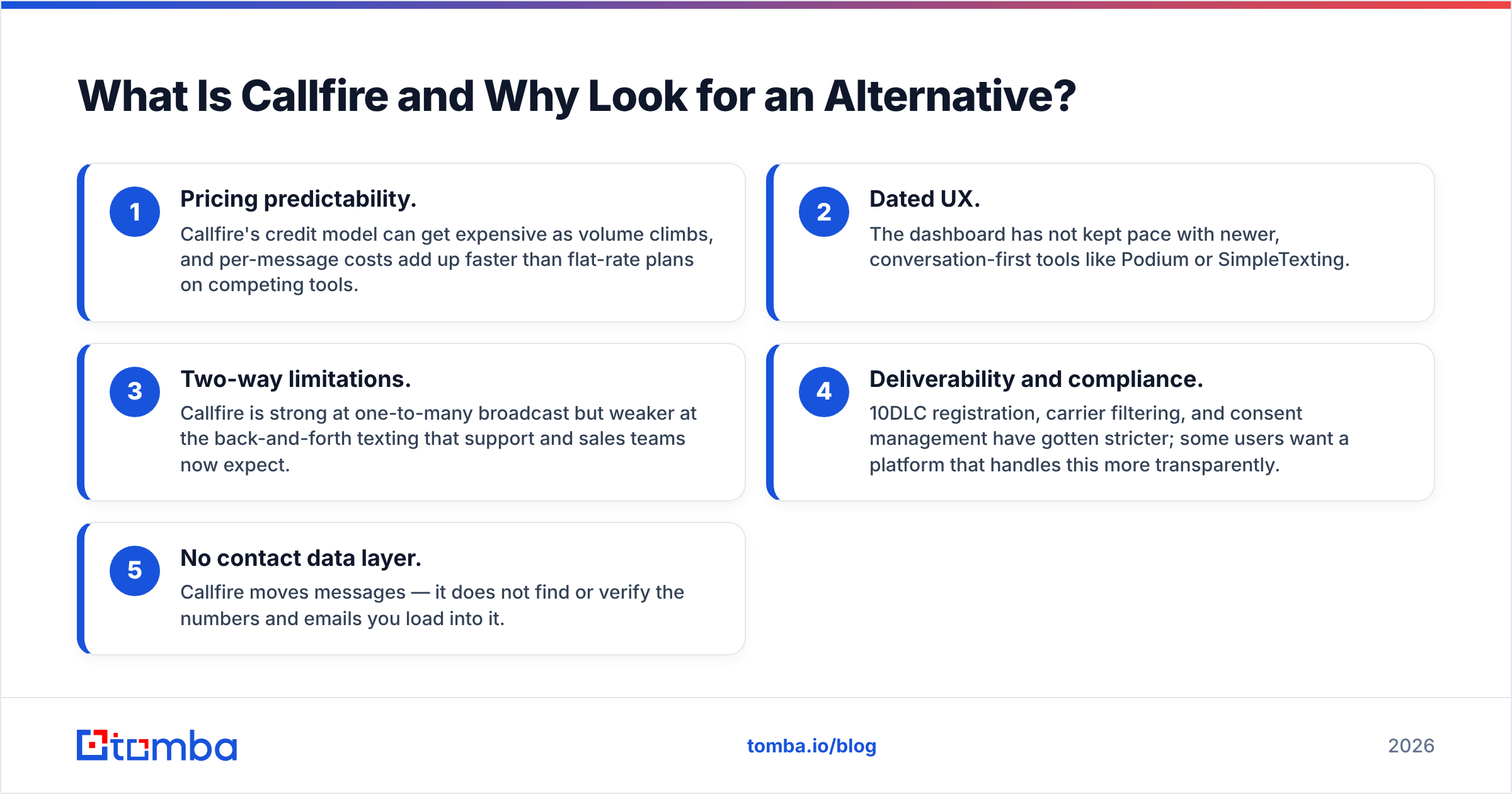
- Pricing predictability. Callfire's credit model can get expensive as volume climbs, and per-message costs add up faster than flat-rate plans on competing tools.
- Dated UX. The dashboard has not kept pace with newer, conversation-first tools like Podium or SimpleTexting.
- Two-way limitations. Callfire is strong at one-to-many broadcast but weaker at the back-and-forth texting that support and sales teams now expect.
- Deliverability and compliance. 10DLC registration, carrier filtering, and consent management have gotten stricter; some users want a platform that handles this more transparently.
- No contact data layer. Callfire moves messages — it does not find or verify the numbers and emails you load into it.
That last point is the one that quietly wrecks campaigns, so we will come back to it.
What Should You Look for in a Callfire Alternative?#
Before comparing logos, get clear on what you are actually buying. The right tool depends on the job, not the brand. Score each option against these criteria:
- Channel coverage — Do you need voice broadcast, SMS, MMS, two-way chat, or all four? Some tools specialize.
- Pricing model — Flat monthly plans (predictable) vs. pay-as-you-go credits (flexible but variable). Match it to your volume pattern.
- Compliance tooling — 10DLC and toll-free verification, opt-out handling, and consent tracking should be built in, not bolted on.
- Deliverability — Carrier relationships and number reputation decide whether messages arrive. Weak sender reputation tanks results on any platform.
- Integrations — Native links to your CRM, helpdesk, and automation tools (Zapier, HubSpot, Salesforce) save hours.
- Data quality — The platform is only as good as the list you feed it. Garbage numbers mean wasted spend no matter how good the sender is.
Hold every tool below against that list. None wins every category, which is exactly why the "best" alternative is the one that fits your specific use case.
What Are the 7 Best Callfire Alternatives in 2026?#
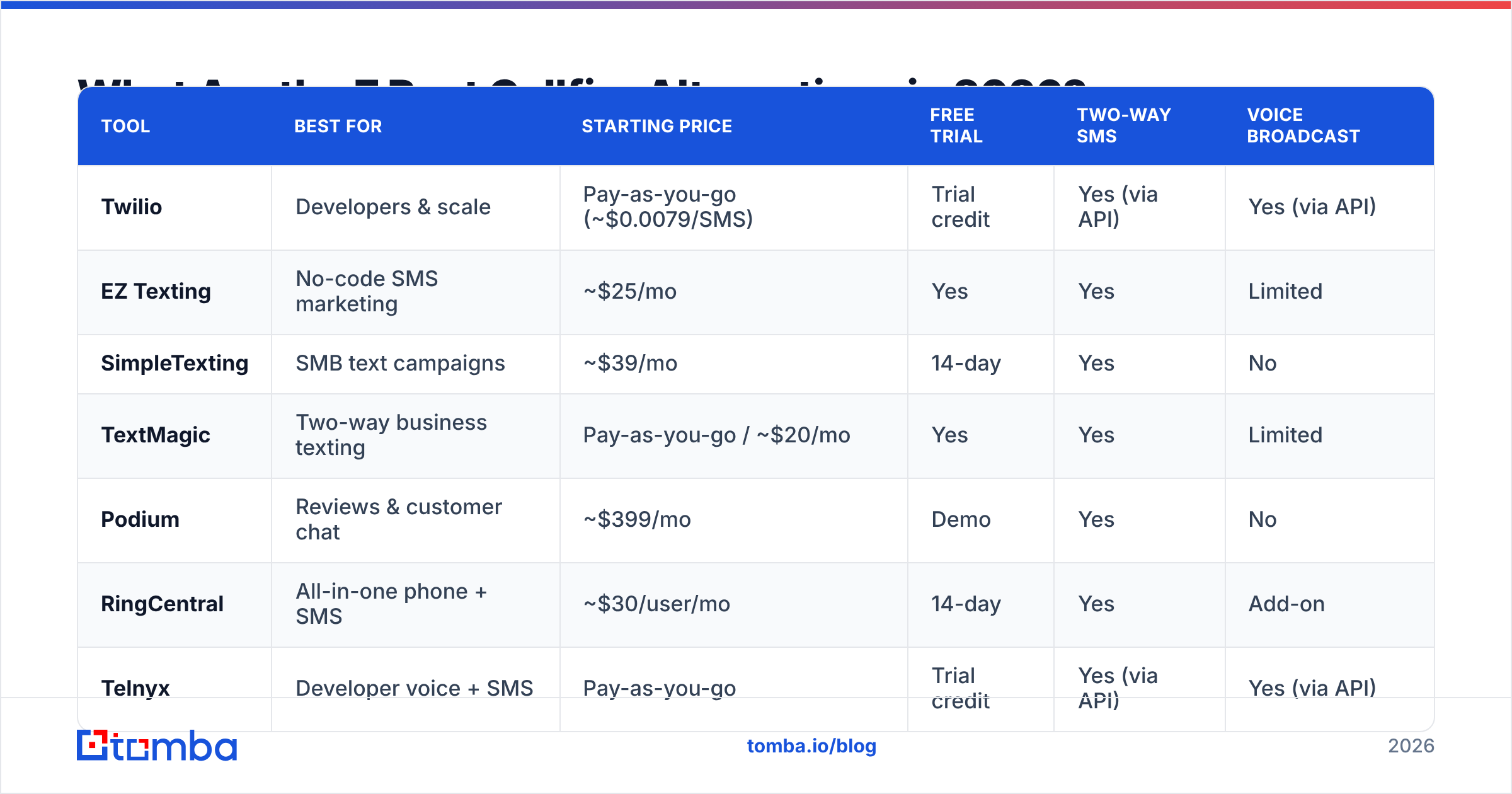
Here is the head-to-head. Prices are starting tiers as published by each vendor and shift over time, so confirm before you buy.
| Tool | Best for | Starting price | Free trial | Two-way SMS | Voice broadcast |
|---|---|---|---|---|---|
| Twilio | Developers & scale | Pay-as-you-go (~$0.0079/SMS) | Trial credit | Yes (via API) | Yes (via API) |
| EZ Texting | No-code SMS marketing | ~$25/mo | Yes | Yes | Limited |
| SimpleTexting | SMB text campaigns | ~$39/mo | 14-day | Yes | No |
| TextMagic | Two-way business texting | Pay-as-you-go / ~$20/mo | Yes | Yes | Limited |
| Podium | Reviews & customer chat | ~$399/mo | Demo | Yes | No |
| RingCentral | All-in-one phone + SMS | ~$30/user/mo | 14-day | Yes | Add-on |
| Telnyx | Developer voice + SMS | Pay-as-you-go | Trial credit | Yes (via API) | Yes (via API) |
1. Twilio — The Developer's Default#
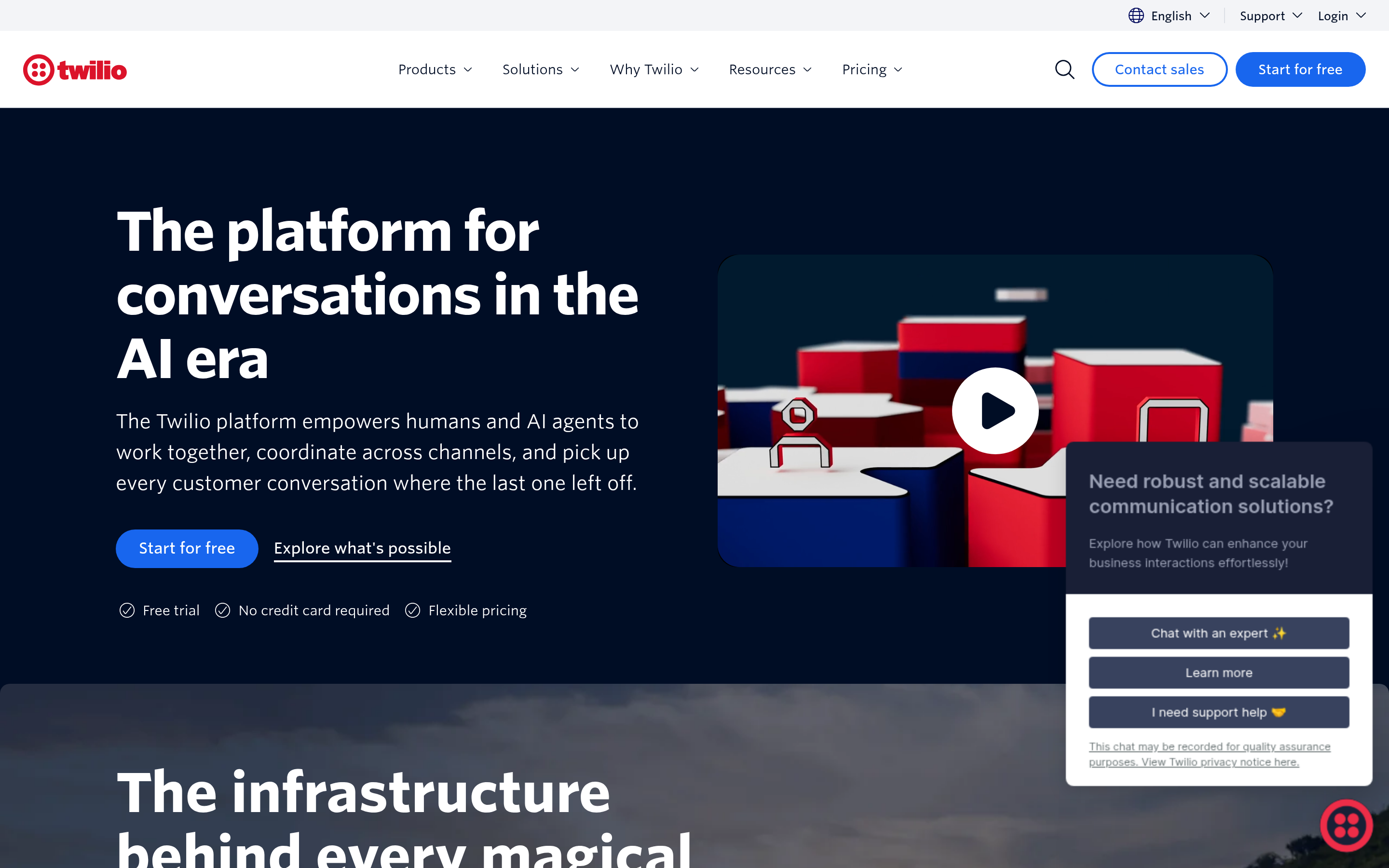
Twilio is the programmable communications giant. If you have engineering resources, it gives you total control over SMS, voice, WhatsApp, and email through one API. You build exactly what you need and pay only for what you send. The trade-off: there is no polished marketing dashboard out of the box. Twilio is a toolkit, not a turnkey campaign tool. Choose it when flexibility and scale matter more than speed-to-launch.
2. EZ Texting — Simplest On-Ramp for Marketers#
EZ Texting is the opposite of Twilio: a clean, no-code dashboard built for non-technical marketers. Keywords, drip campaigns, contact management, and MMS are all point-and-click. It is one of the fastest ways to launch an SMS program, and its pricing is far more predictable than Callfire's credit model for steady-volume senders.
3. SimpleTexting — Balanced SMB Choice#
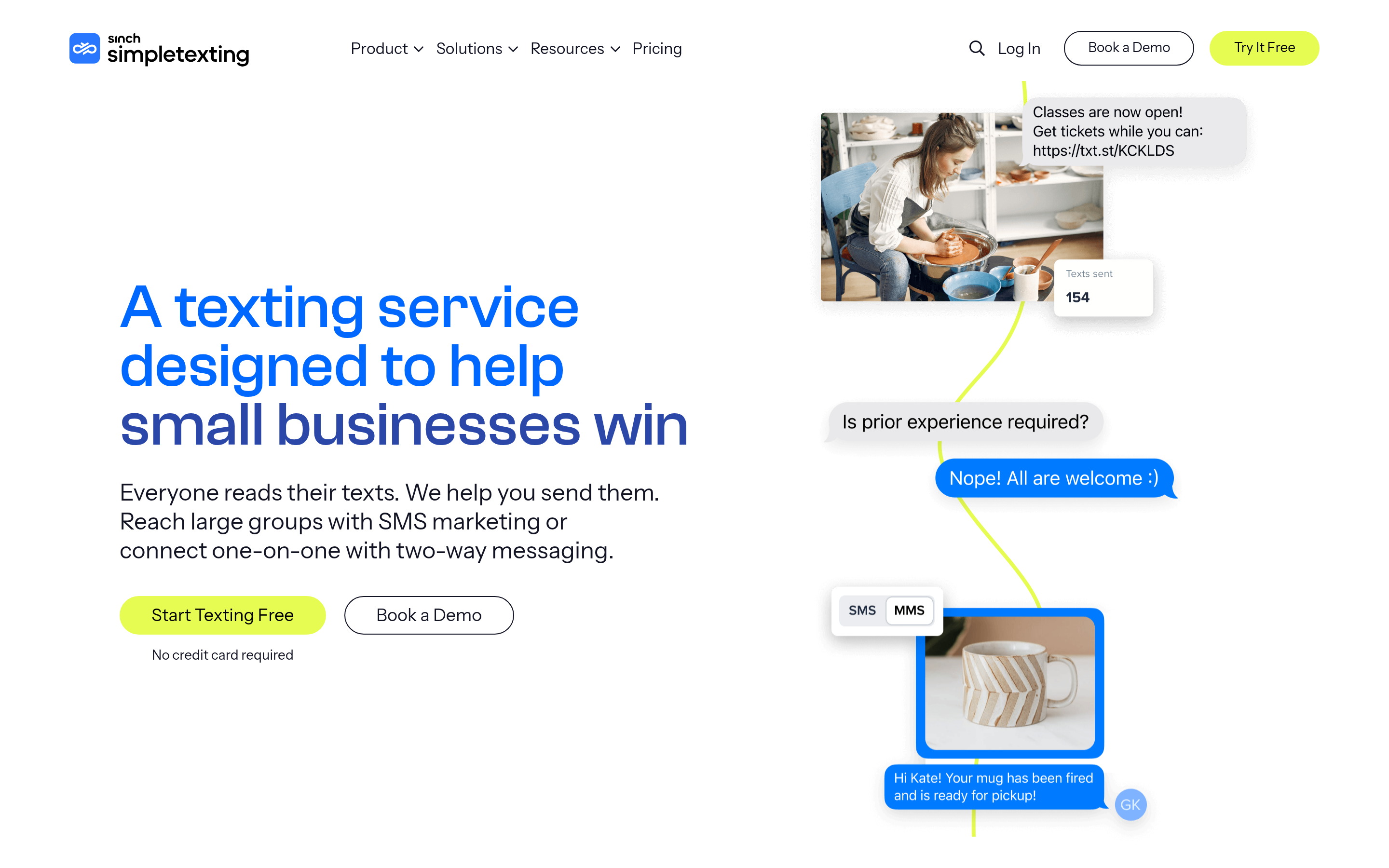
SimpleTexting sits between power and simplicity. You get scheduled campaigns, autoresponders, segmentation, and solid analytics without a steep learning curve. It is a strong direct swap for Callfire's texting side if you want a modern interface and flat monthly billing.
4. TextMagic — Conversation-First Texting#
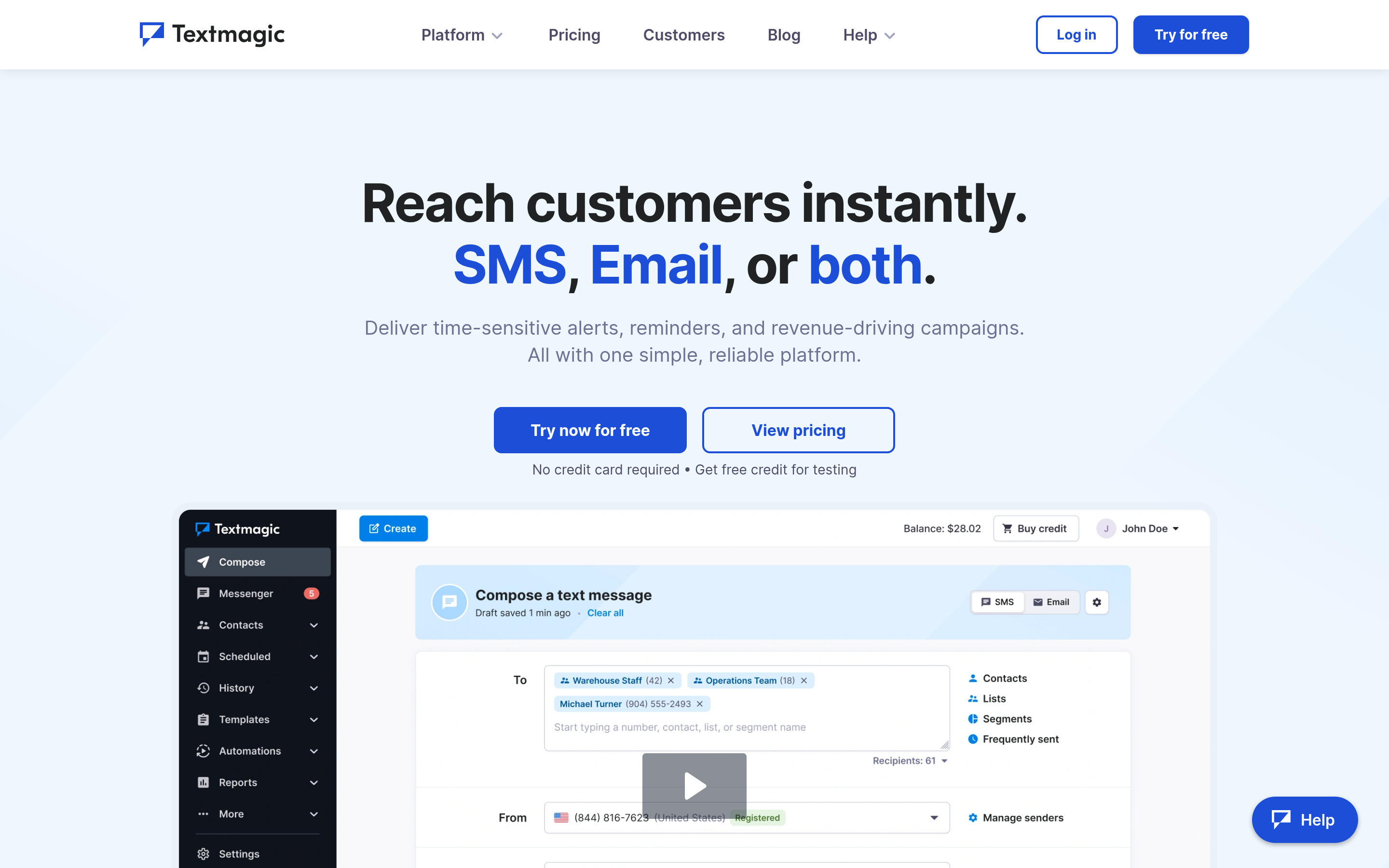
TextMagic shines at two-way business texting — appointment reminders, support threads, and sales follow-ups. Its pay-as-you-go option suits teams with uneven volume, and the inbox-style interface makes real conversations feel natural in a way Callfire's broadcast model never did.
5. Podium — Reviews and Customer Messaging#
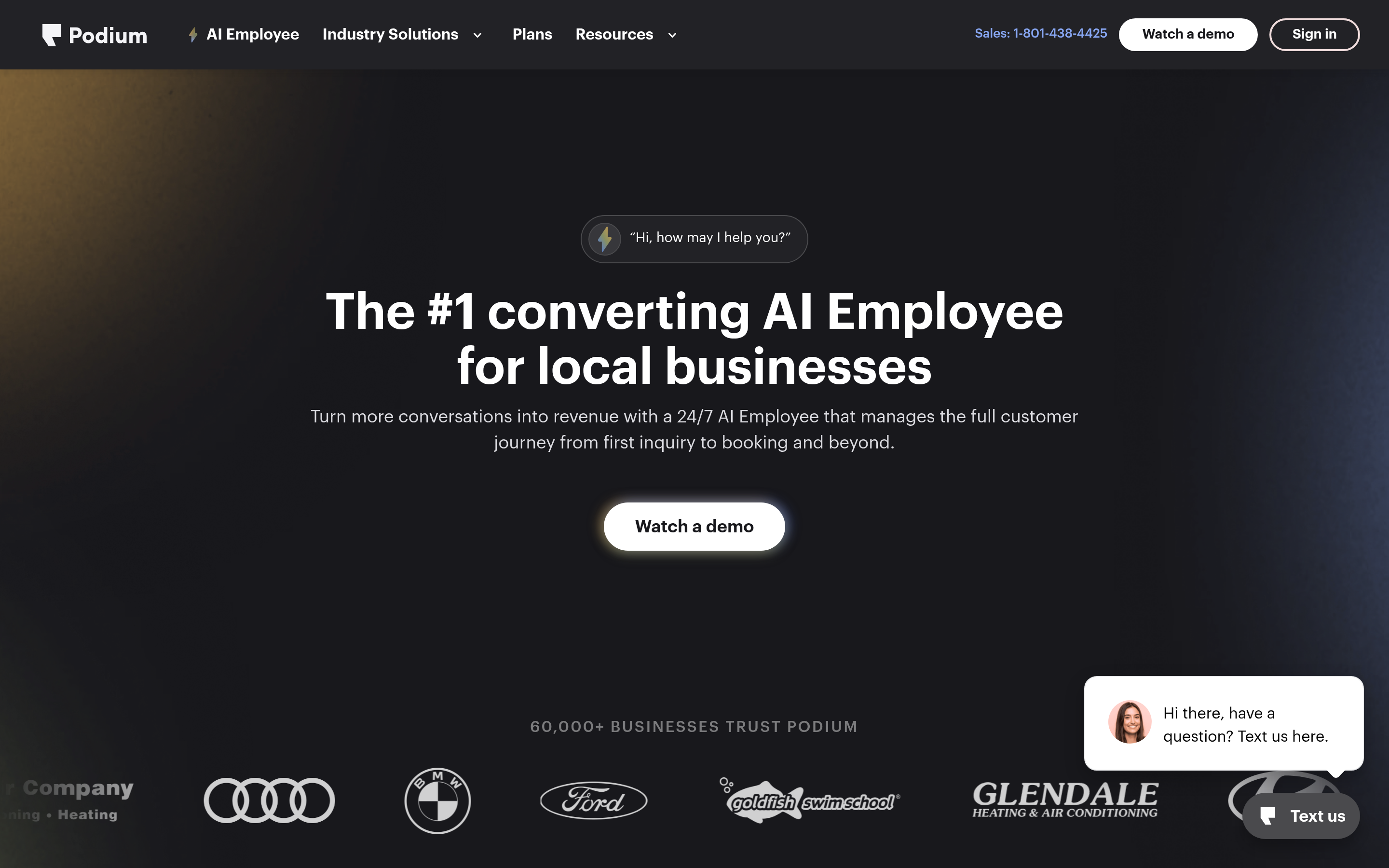
Podium is less a broadcast tool and more a customer-interaction platform: texting, review generation, payments, and a shared team inbox. It is pricier, but for local and service businesses that live on reputation and quick replies, it replaces several tools at once. Pick it if customer conversations, not mass blasts, are your priority.
6. RingCentral — All-in-One Phone System#
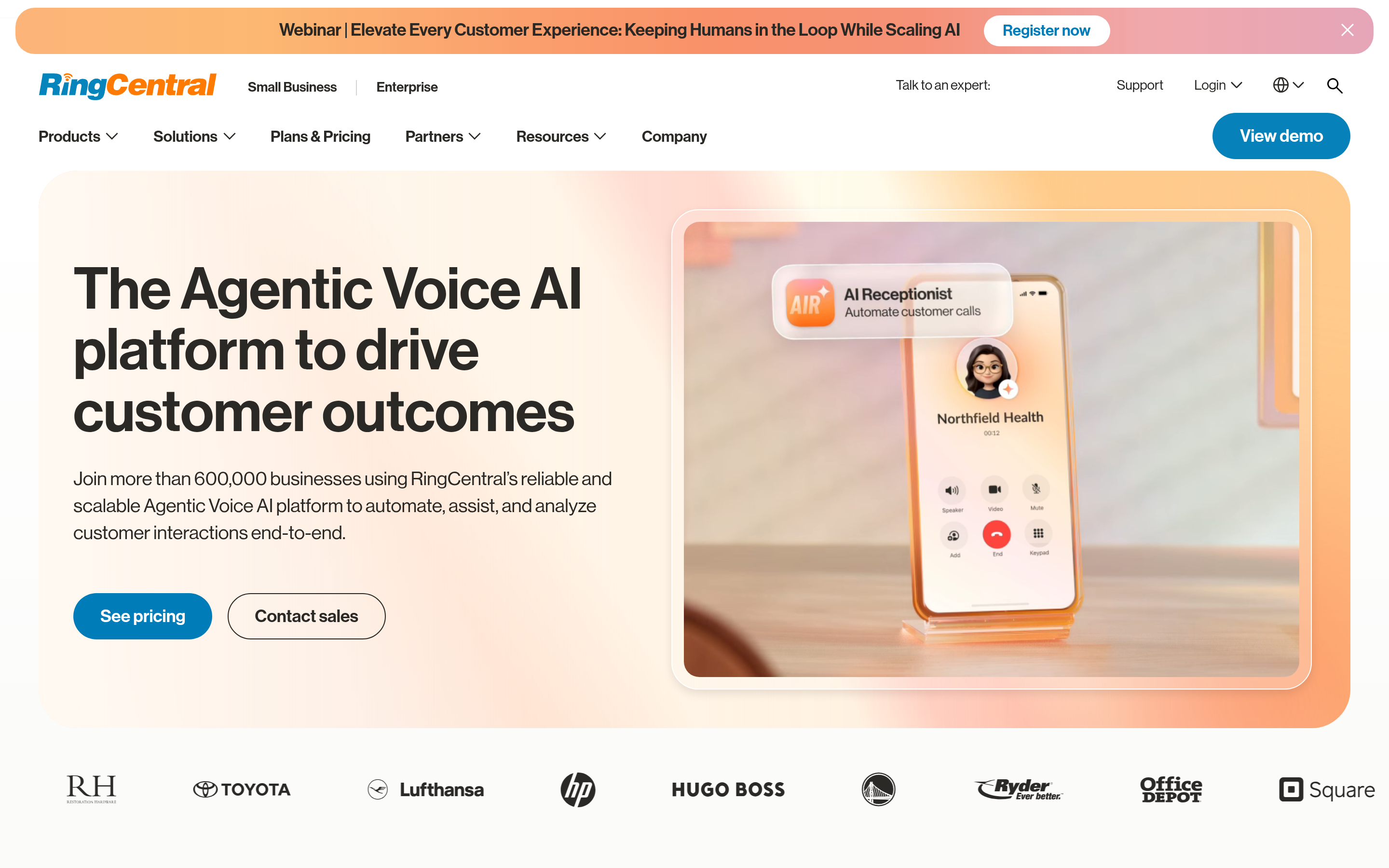
If you want voice calling, SMS, and team messaging unified, RingCentral is the heavyweight. It is a full business phone system with texting attached, so it fits teams that are also replacing a legacy PBX. Voice broadcast is available as an add-on rather than the core product.
7. Telnyx — The Cost-Efficient Developer Pick#
Telnyx is a Twilio-style programmable platform that often undercuts on price and runs its own carrier network for lower latency and strong deliverability. Like Twilio, it expects developers. If you found Twilio's bill too high, Telnyx is the natural second look.
Is a Cheaper Callfire Alternative Always Better?#
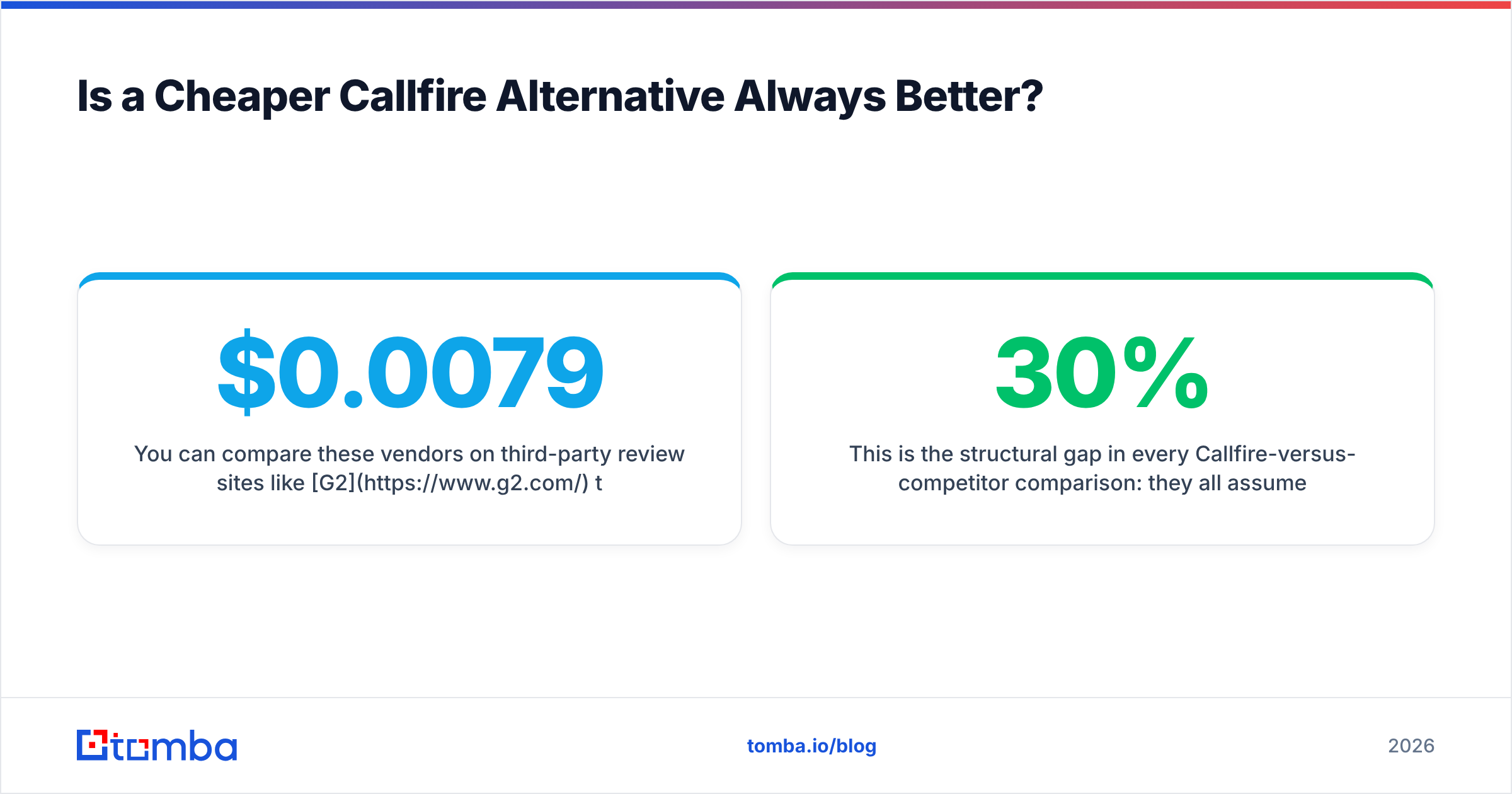
No — and this is where most buyers go wrong. The sticker price of an SMS or voice tool is a small fraction of your true cost. The bigger spend is the wasted volume from bad data: disconnected numbers, wrong contacts, and unverified emails that bounce.
You can compare these vendors on third-party review sites like G2 to validate the feature claims, but no review will fix your list for you. A platform that charges $0.0079 per text looks cheap until 30% of your numbers are dead — now your effective cost per delivered message is a third higher, and your sender reputation is taking damage from undeliverable sends.
This is the structural gap in every Callfire-versus-competitor comparison: they all assume your contact list is already clean. It usually is not. Phone numbers go stale at roughly 20–30% per year as people change jobs and carriers. Before you optimize the delivery layer, fix the data layer.
How Does Data Quality Decide Your Outreach Results?#
Your messaging platform is the pipe. Your contact data is the water. A flawless pipe carrying contaminated water still delivers a bad result.
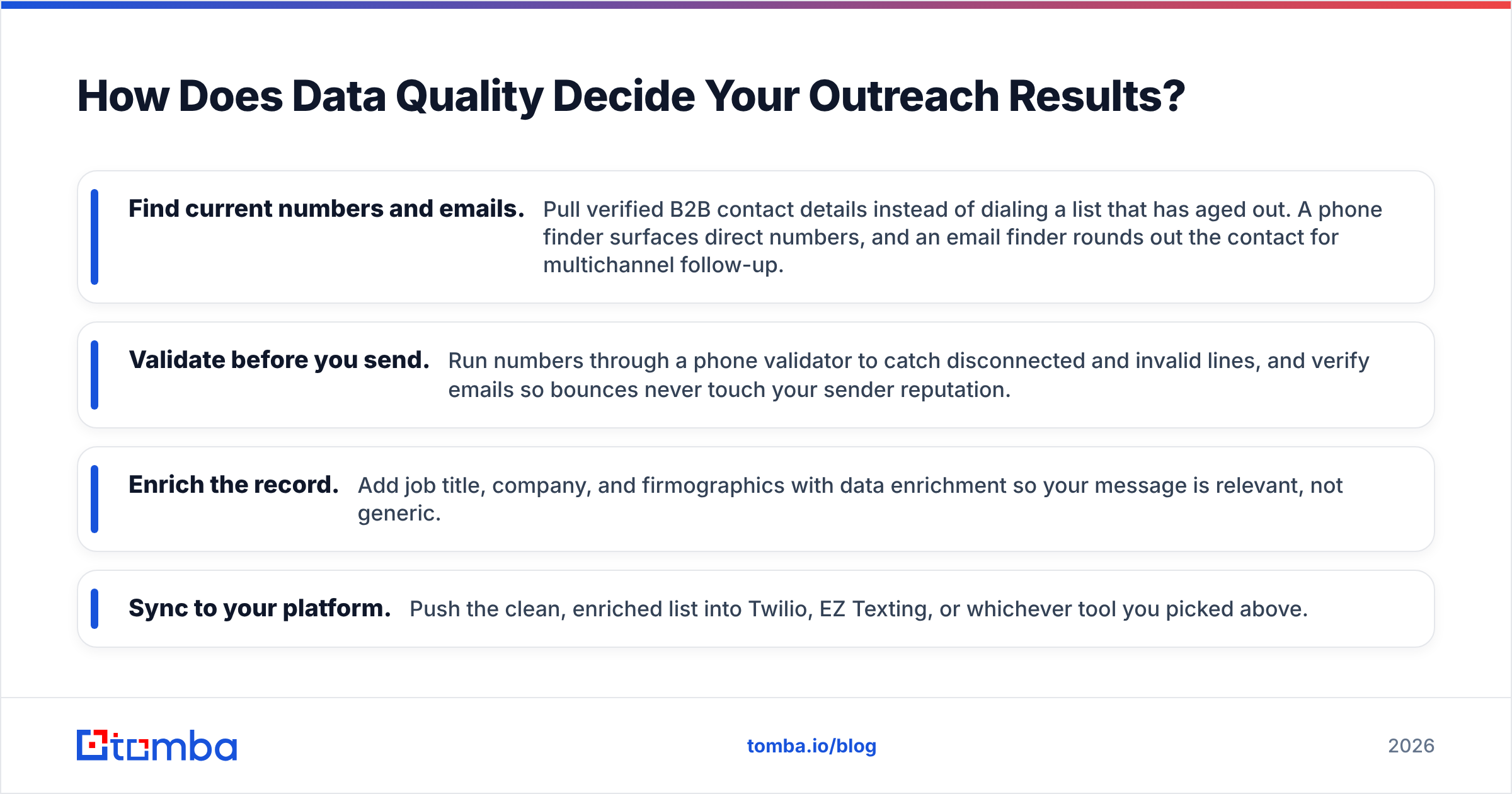
Here is the workflow that separates teams who get replies from teams who burn budget:
- Find current numbers and emails. Pull verified B2B contact details instead of dialing a list that has aged out. A phone finder surfaces direct numbers, and an email finder rounds out the contact for multichannel follow-up.
- Validate before you send. Run numbers through a phone validator to catch disconnected and invalid lines, and verify emails so bounces never touch your sender reputation.
- Enrich the record. Add job title, company, and firmographics with data enrichment so your message is relevant, not generic.
- Sync to your platform. Push the clean, enriched list into Twilio, EZ Texting, or whichever tool you picked above.
Do this and a mediocre SMS tool with great data will beat a premium tool with a rotten list every time. The platform decides how the message travels; the data decides whether anyone real is on the other end.
If you also run cold calls alongside texts, clean direct-dial data is the single highest-leverage fix you can make — far more than switching dialers. Pair that with disciplined timing and tracked response rate metrics and your numbers improve without spending a cent more on software.
Which Callfire Alternative Is Right for You?#
Match the tool to the job:
- You have developers and want scale: Twilio or Telnyx.
- You want no-code SMS marketing fast: EZ Texting or SimpleTexting.
- You live on two-way conversations and reviews: TextMagic or Podium.
- You are replacing a whole phone system: RingCentral.
- You mostly need voice broadcast: Telnyx or Twilio (programmable) for flexibility, or stay on a broadcast-focused tool if that is your only need.
Whatever you choose, remember that the switch from Callfire fixes your delivery layer, not your data layer. The teams that see a real lift in 2026 are the ones that upgrade both.
The Bottom Line#
Callfire is a competent voice-and-SMS platform, but in 2026 you have better-fitting options at every price point — from Twilio's programmable power to SimpleTexting's no-code simplicity. Pick the one that matches your channel mix, volume pattern, and technical resources.
Then fix the thing none of these tools fix for you: your contact data. Stale numbers and unverified emails quietly waste more budget than any pricing difference between platforms.
Start there. Use Tomba's Email Finder and phone finder to build verified, enriched contact lists, validate them before you send, and feed clean data into whichever Callfire alternative you choose. The best outreach stack in 2026 is a modern messaging tool plus accurate data — not one without the other. Try Tomba free with 25 searches a month, and see how much further your campaigns go when every number and email is real.
Ready to find emails that actually work?
Join 150,000+ professionals who stopped guessing and started sending. Free credits on signup — no credit card required.
Get the Tomba newsletter
Practical outbound tactics and product updates — once every two weeks.
About the author