Isometrik AI Alternatives: 9 Platforms Compared for 2026
Isometrik AI covers a lot of ground: commerce agents, voice, chat, SDKs. That breadth is also why teams shop around. Here are nine alternatives compared on deployment model, pricing, and the data layer that decides whether your agent actually converts.
TL;DR
- Isometrik AI is an enterprise GenAI agent platform — conversational commerce, voice, chat SDKs, and an agent builder sold mostly through quote-based enterprise deals.
- Most teams shop for Isometrik AI alternatives for three reasons: opaque pricing, longer-than-expected implementation cycles, and a feature surface much wider than what they actually deploy.
- The nine strongest alternatives split into four camps: CRM-native (Agentforce, Copilot Studio), support-native (Intercom Fin, Kore.ai, Yellow.ai), builder-first (Voiceflow, Botpress, Sierra), and build-your-own with orchestration frameworks.
- The variable nobody budgets for is the data layer. An agent that can't identify who it's talking to, or can't reach the right person by email, fails regardless of which platform renders the chat bubble.
- Pick on deployment model and time-to-first-agent, not feature-count parity. Every vendor on this list ships "multi-agent orchestration" in 2026.
What is Isometrik AI, and what does it actually do?#
Isometrik started as a real-time infrastructure company — chat, video, and live-commerce SDKs you dropped into a mobile app — and repositioned around generative AI agents as that market shifted. Today the pitch is an enterprise agent platform: build AI agents for commerce, banking, and support, connect them to your systems, and deploy across chat, voice, and in-app surfaces.
That heritage matters when you're comparing. Isometrik is strong where a product needs embedded, real-time, multi-channel interaction inside an app you control. It's a heavier lift when all you need is a support deflection bot on a help center, or an SDR agent that qualifies inbound leads.
The company sells primarily through enterprise motions. There's no self-serve tier you can swipe a card for and ship on a Friday afternoon, which is the single most common trigger for someone typing "Isometrik AI alternatives" into Google.
Why do teams look for Isometrik AI alternatives?#
From conversations with teams who've evaluated and moved on, the reasons cluster tightly:
- Quote-only pricing. You can't benchmark cost per resolution or cost per conversation against the market without a sales call and an NDA. Buyers in 2026 increasingly refuse to start there.
- Implementation timeline. Enterprise agent platforms with deep integration surfaces routinely take 6–12 weeks to first production agent. Teams expecting two weeks get frustrated.
- Overlap with tools you already pay for. If you own Salesforce or Microsoft 365, a large chunk of the agent layer is already bundled and licensed.
- Vertical fit. Isometrik's commerce and BFSI focus is an advantage in those verticals and a mismatch in, say, B2B SaaS outbound.
- Team skill mix. Platforms optimized for engineering teams feel wrong to ops-led orgs, and vice versa. There is no universally "easy" agent builder.
What should you compare before switching?#
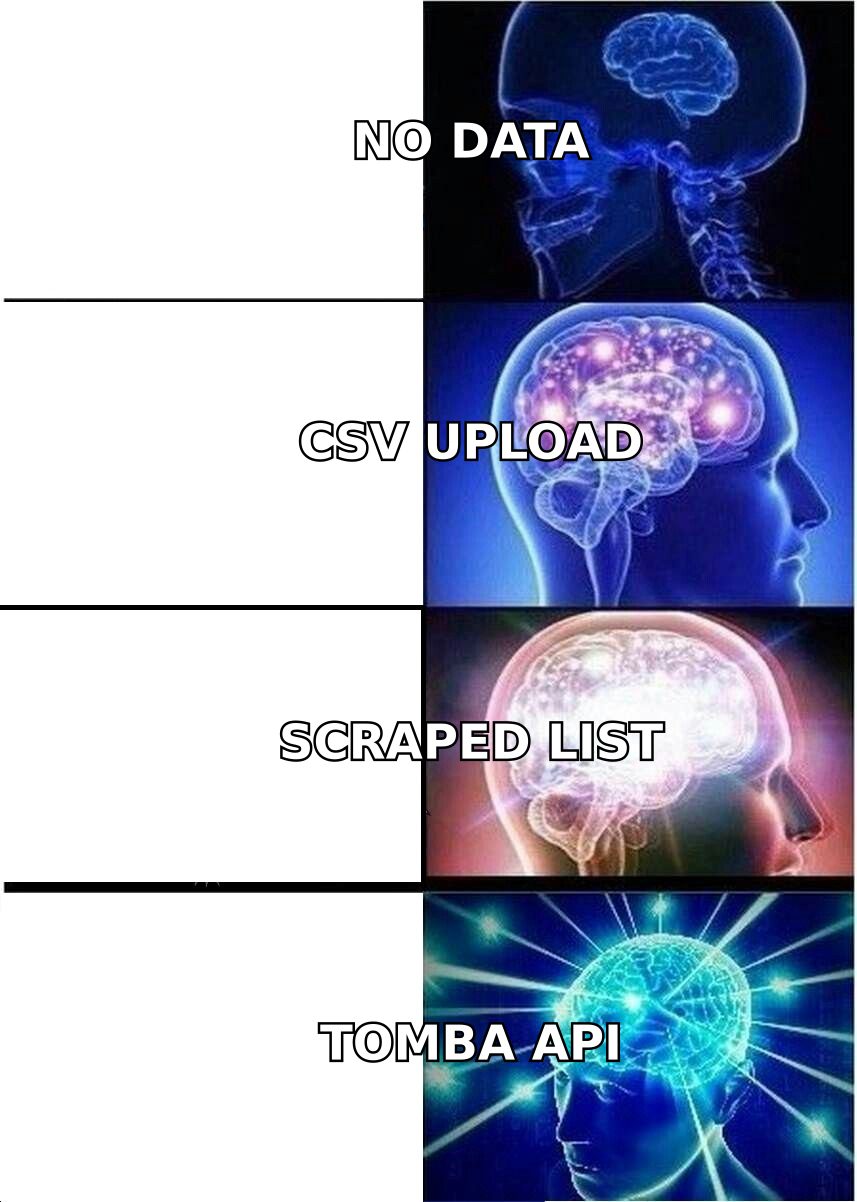
Feature checklists are nearly useless here — every vendor now claims RAG, tool calling, multi-agent handoff, and voice. These six dimensions actually separate them:
- Deployment model — SaaS-only, private cloud, VPC, or fully self-hosted. This kills more deals than pricing does, especially in regulated industries.
- Time to first production agent — measured honestly: from contract signature to an agent handling real traffic, not to a sandbox demo.
- Pricing unit — per seat, per resolution, per conversation, per message, or consumption-based tokens. These are not comparable, and vendors know it.
- Escalation and human handoff — what happens in the 15–30% of conversations the agent can't close. Weak handoff quietly destroys CSAT.
- Data and identity layer — can the agent resolve an anonymous visitor into a company, a role, and a reachable contact? Most platforms assume you bring this.
- Exit cost — are your flows, prompts, and evaluation sets exportable, or are they locked in a proprietary visual editor?
Write your own weights against those six before you take a single demo. Otherwise you'll get sold on the thing the vendor demos best rather than the thing you need most.
Which Isometrik AI alternatives are worth shortlisting in 2026?#
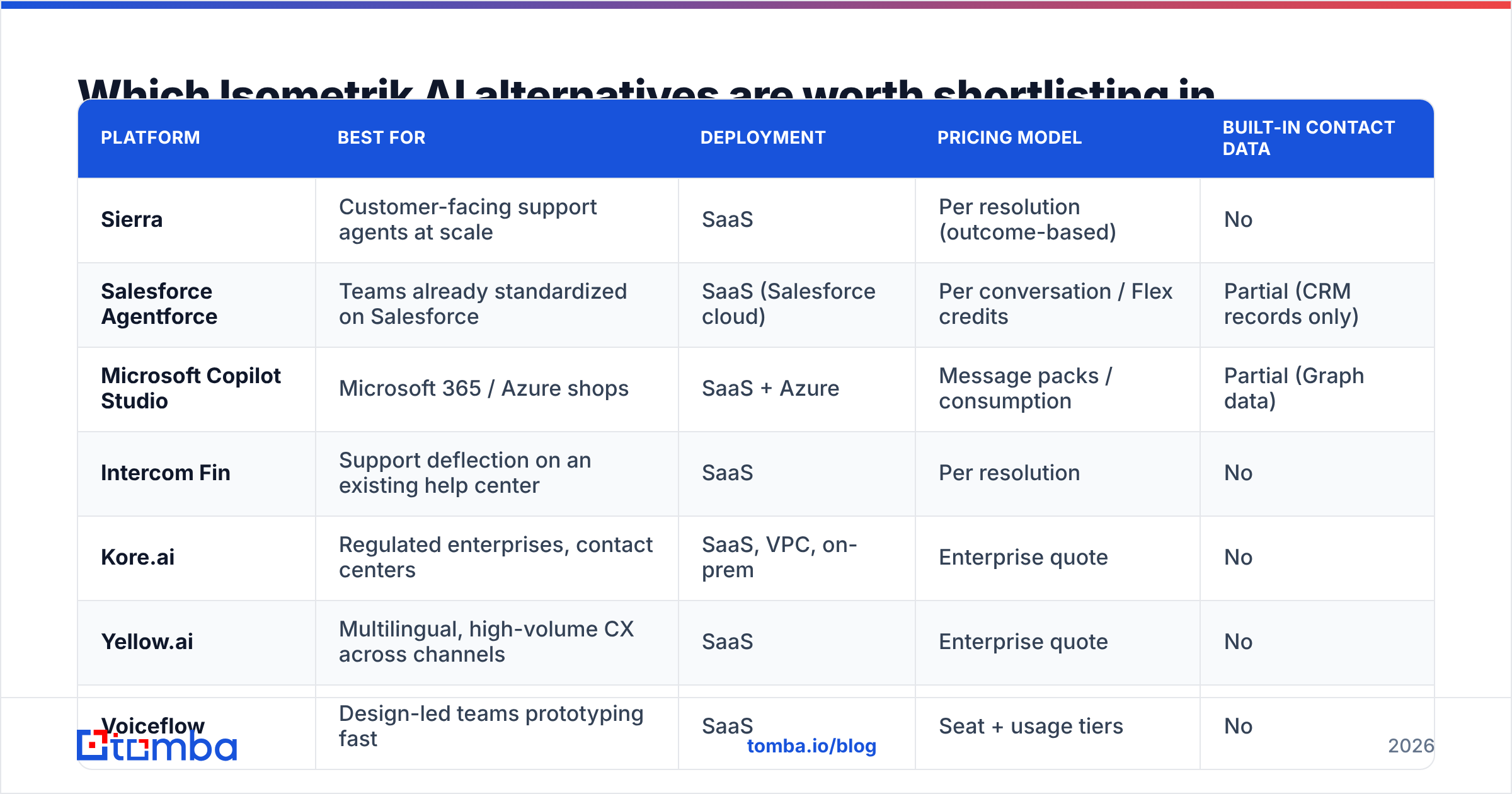
| Platform | Best for | Deployment | Pricing model | Built-in contact data |
|---|---|---|---|---|
| Sierra | Customer-facing support agents at scale | SaaS | Per resolution (outcome-based) | No |
| Salesforce Agentforce | Teams already standardized on Salesforce | SaaS (Salesforce cloud) | Per conversation / Flex credits | Partial (CRM records only) |
| Microsoft Copilot Studio | Microsoft 365 / Azure shops | SaaS + Azure | Message packs / consumption | Partial (Graph data) |
| Intercom Fin | Support deflection on an existing help center | SaaS | Per resolution | No |
| Kore.ai | Regulated enterprises, contact centers | SaaS, VPC, on-prem | Enterprise quote | No |
| Yellow.ai | Multilingual, high-volume CX across channels | SaaS | Enterprise quote | No |
| Voiceflow | Design-led teams prototyping fast | SaaS | Seat + usage tiers | No |
| Botpress | Developer teams wanting control | SaaS or self-host | Usage-based, generous free tier | No |
| Build-your-own (LangGraph, CrewAI, etc.) | Engineering-heavy orgs with niche logic | Anywhere | Infra + model tokens only | No |
Note the last column. Nine platforms, zero that solve contact data for you. Hold that thought.
Sierra#

Outcome-based pricing is the headline: you pay when the agent resolves the issue, not per seat. That aligns incentives better than almost anything else on this list, and it makes CFO conversations easy. The trade-off is that Sierra is squarely a customer-experience company — it's not where you'd build an internal RevOps agent.
Salesforce Agentforce#
If your CRM is Salesforce, the integration tax drops to near zero and your agents inherit your existing permissions, objects, and audit trail. The catch is gravity: every incremental capability nudges you deeper into the platform, and per-conversation pricing gets expensive at consumer volumes.
Microsoft Copilot Studio#
The same argument as Agentforce with a Microsoft accent. If you're running Entra ID, SharePoint, and Teams, Copilot Studio agents get identity and document grounding almost free. Message-pack pricing is predictable; the builder is less pleasant than Voiceflow's.
Intercom Fin#
The fastest path to a working support agent if you already run Intercom, and one of the few products that reliably ships value in days rather than quarters. It is deliberately narrow — support deflection, not general agent orchestration.
Kore.ai#
The enterprise-contact-center answer. Deployment flexibility (including on-prem and VPC) makes it a common Isometrik competitor in banking and insurance deals. Expect a real implementation project and a real services line item.
Yellow.ai#
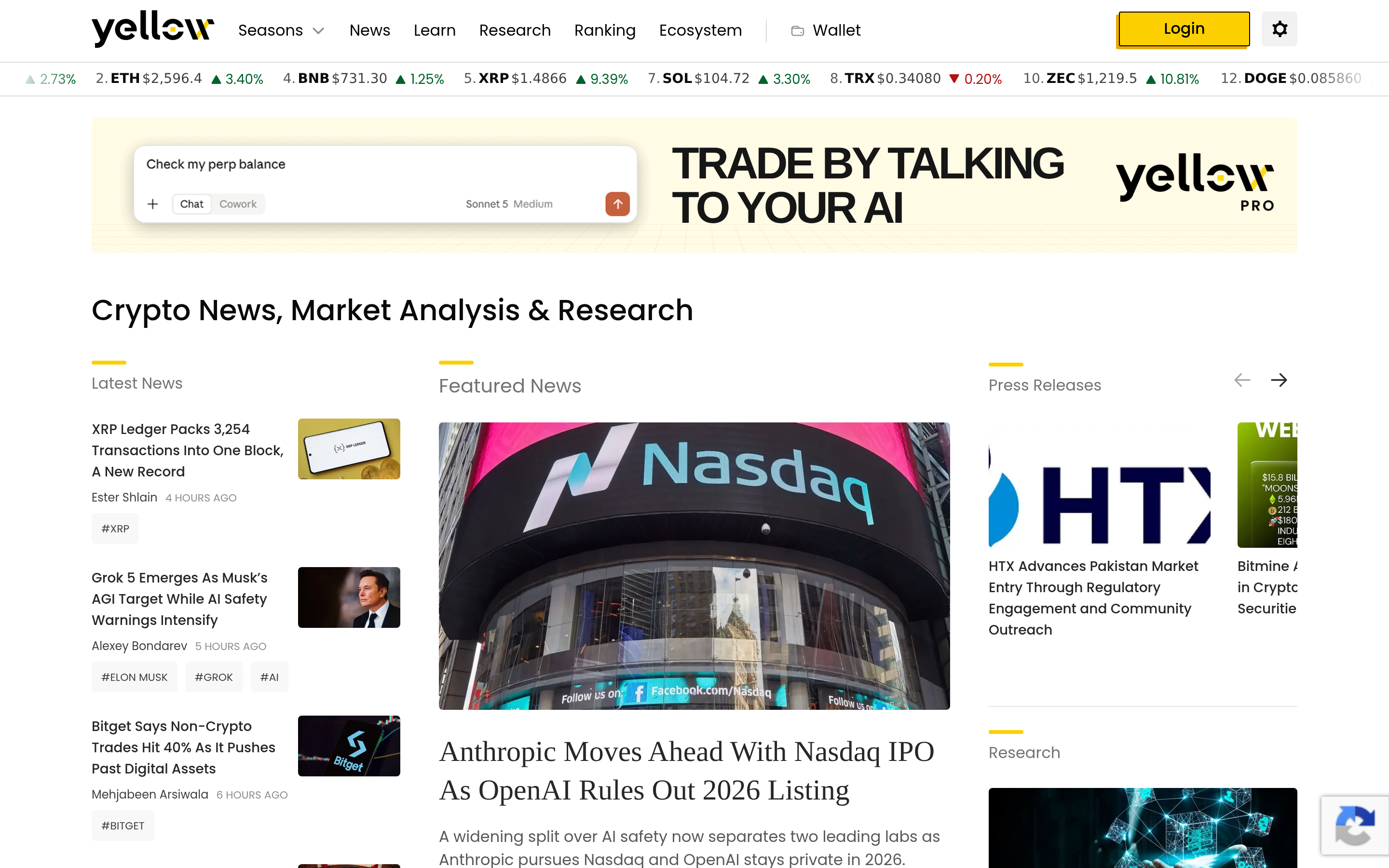
Strong in multilingual, high-volume consumer CX — retail, travel, telco. Channel coverage is broad, including WhatsApp and voice. Similar vertical overlap with Isometrik in commerce and BFSI, so it shows up in the same bake-offs often.
Voiceflow#
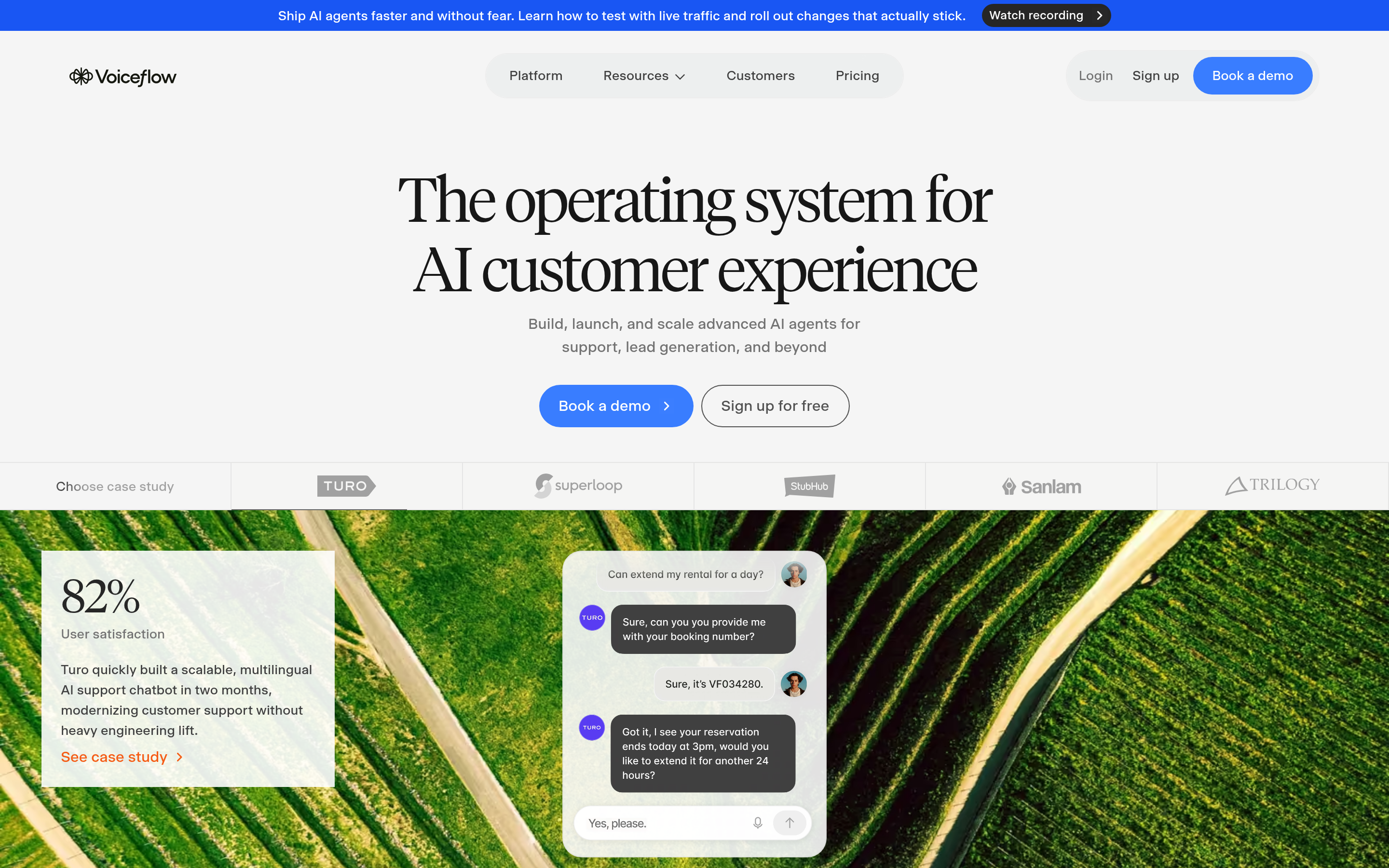
The design tool of the category. Non-engineers can prototype a conversation flow in an afternoon and hand it to engineering with logic intact. Less suited to deeply custom backends, but the collaboration story is genuinely better than most.
Botpress#
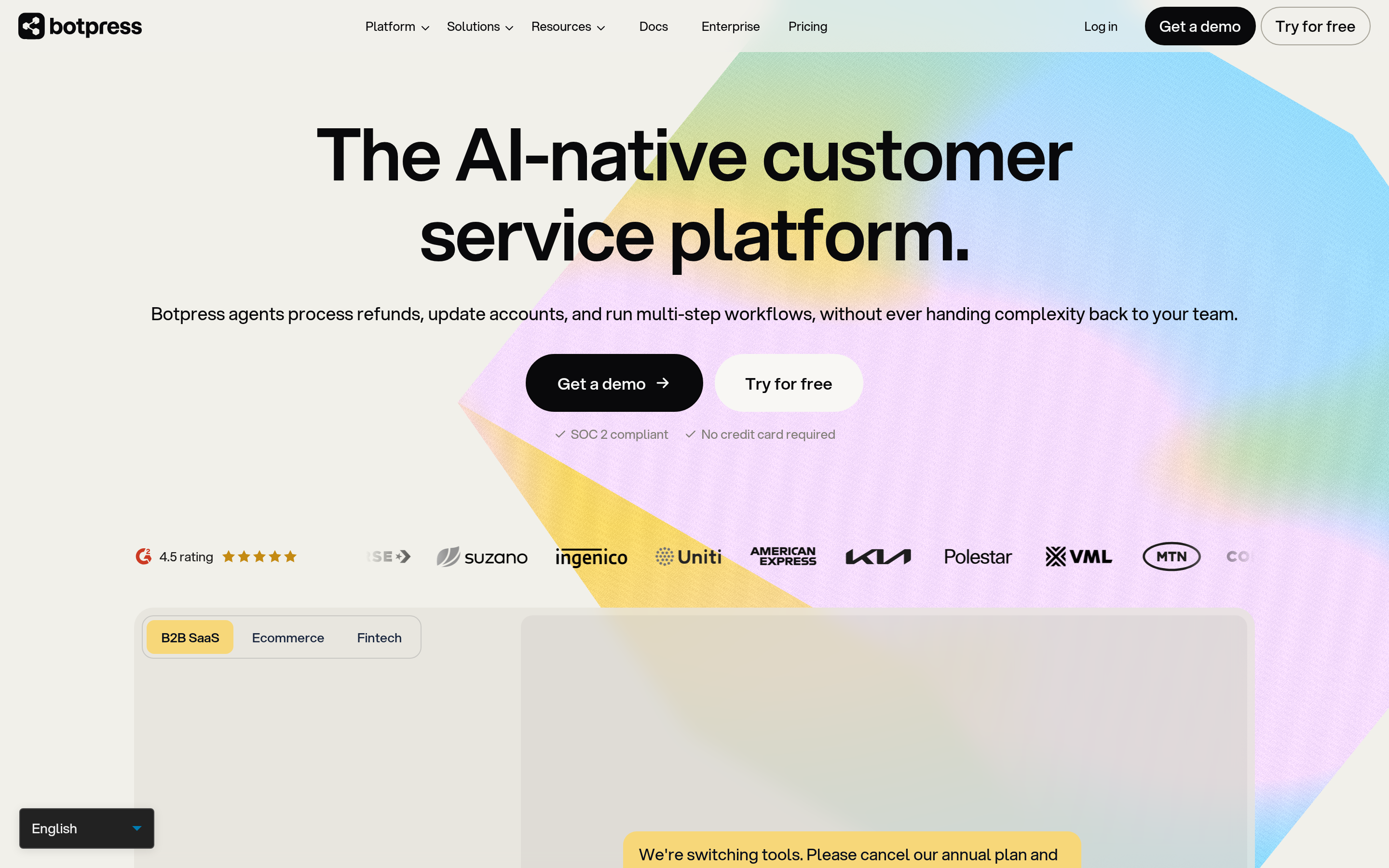
Developer-first, open architecture, self-hostable, with a free tier that's enough to validate an idea properly. If your team would rather write code than drag boxes, this is the natural landing spot.
Build-your-own with an orchestration framework#
LangGraph, CrewAI, the Claude Agent SDK, and similar frameworks mean the "platform" line item can drop to model tokens plus infrastructure. You trade licence cost for engineering time, evaluation tooling you have to build, and an on-call rotation. Reasonable for teams with two or more engineers who can own it; a trap for teams without.
How do the pricing models actually compare?#
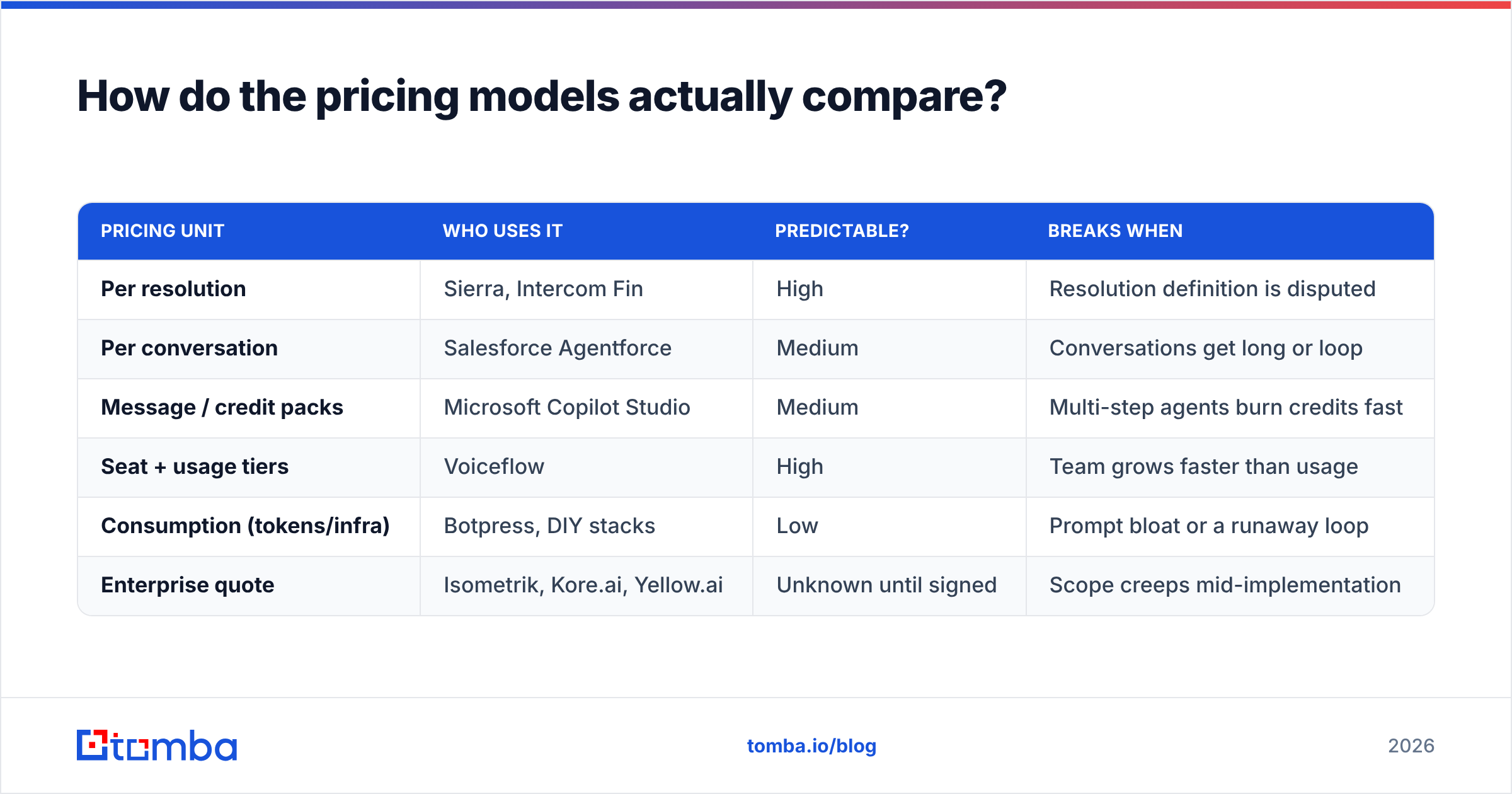
This is where honest comparison gets difficult, because the units differ on purpose. Normalize everything to cost per resolved conversation before you compare anything:
| Pricing unit | Who uses it | Predictable? | Breaks when |
|---|---|---|---|
| Per resolution | Sierra, Intercom Fin | High | Resolution definition is disputed |
| Per conversation | Salesforce Agentforce | Medium | Conversations get long or loop |
| Message / credit packs | Microsoft Copilot Studio | Medium | Multi-step agents burn credits fast |
| Seat + usage tiers | Voiceflow | High | Team grows faster than usage |
| Consumption (tokens/infra) | Botpress, DIY stacks | Low | Prompt bloat or a runaway loop |
| Enterprise quote | Isometrik, Kore.ai, Yellow.ai | Unknown until signed | Scope creeps mid-implementation |
Ask every vendor the same question: "What does one thousand real conversations cost me next month, using your own median customer's numbers?" The ones who can answer in a sentence are the ones you can forecast with. Check independent reviews on G2 for what buyers say about renewal-time price changes — that's where the real cost story lives.
What about the data layer nobody budgets for?#
Here's the part that gets discovered in month three: the agent platform is the interface, not the intelligence. An agent's usefulness is capped by what it knows about the person on the other side.
Three failure modes show up constantly:
- Anonymous inbound. A visitor engages your commerce or support agent, doesn't log in, and the agent has nothing to personalize with — no company, no industry, no deal history.
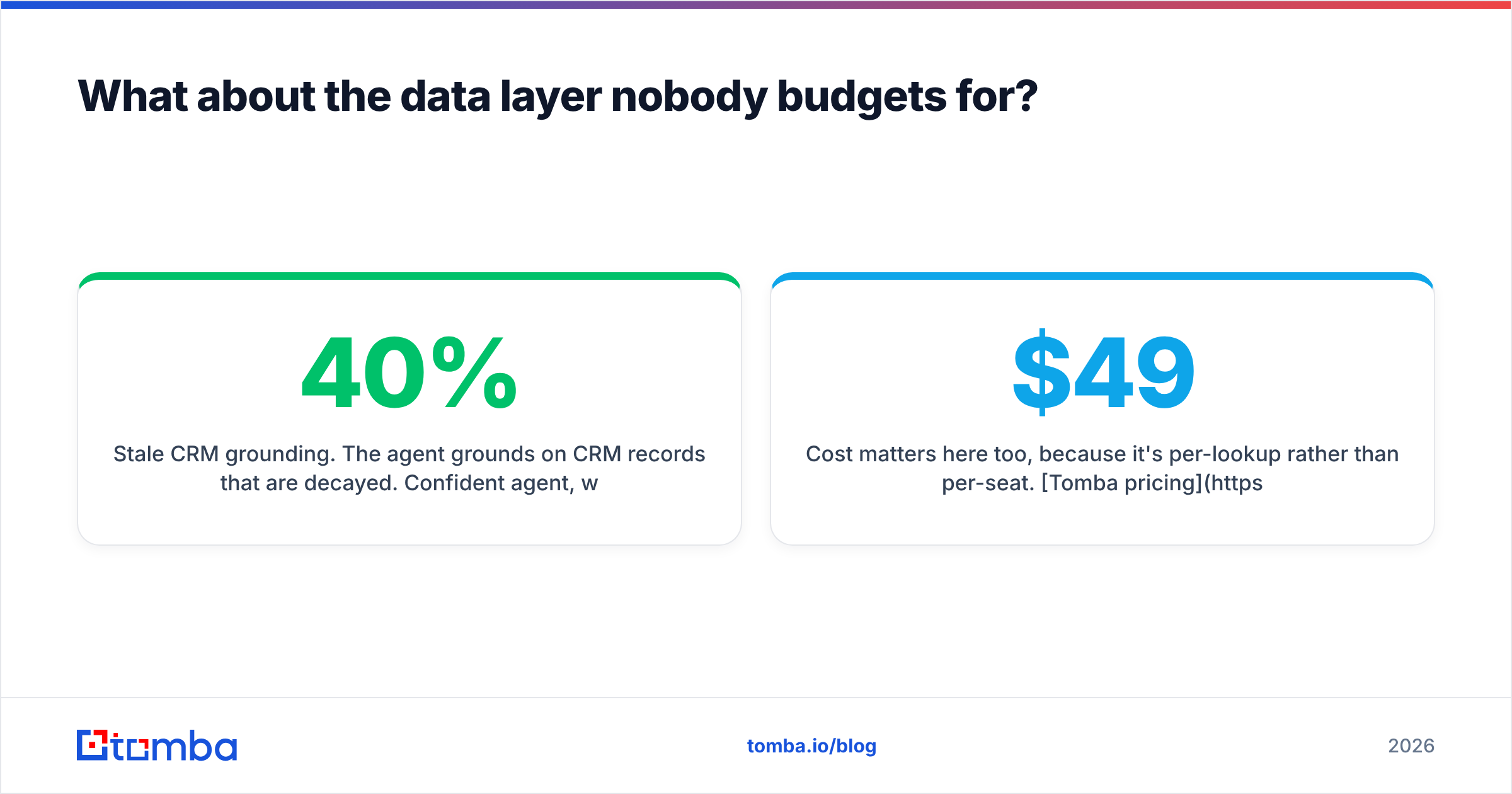
- Dead-end handoff. The agent qualifies a lead beautifully, then hands sales a record with a generic
info@address and no direct contact. Conversion collapses at the handoff, and everyone blames the agent. - Stale CRM grounding. The agent grounds on CRM records that are 40% decayed. Confident agent, wrong facts.
None of the nine platforms above solve this. They all assume you bring identity and contact data. That's a reasonable architectural choice — and it means your buying decision has two line items, not one.
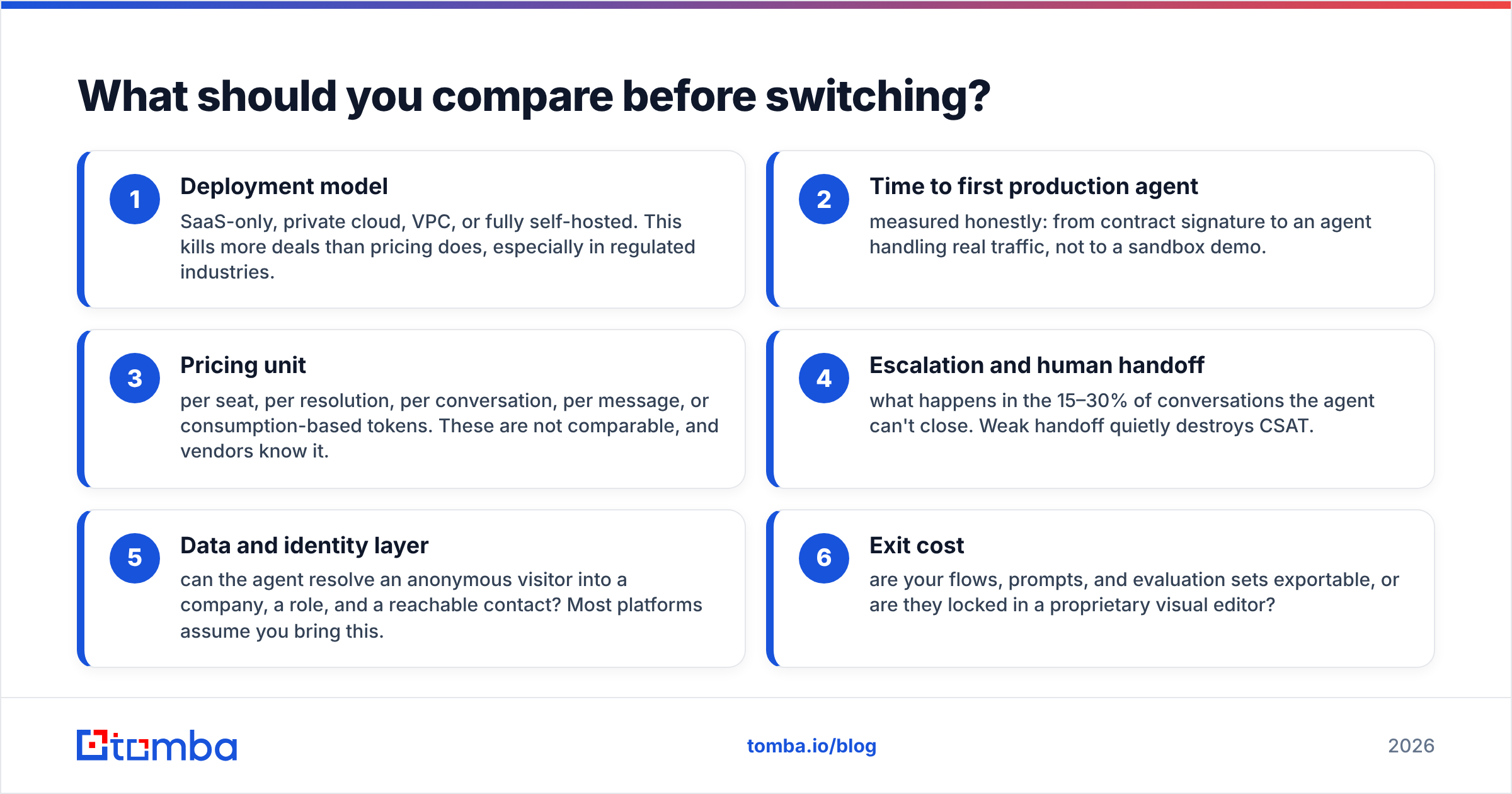
The practical fix is to put an enrichment call inside the agent's tool list. When your agent needs a reachable contact at a company it just identified, it calls a domain search to pull the right role-based contacts, runs the result through an email verifier so you're not handing sales a bounce, and writes the enriched record back to the CRM. Everything is available over the Tomba API, so it slots into a tool definition in Agentforce, Copilot Studio, Botpress, or a LangGraph node identically. There's also an MCP server if your agent framework speaks Model Context Protocol natively.
Cost matters here too, because it's per-lookup rather than per-seat. Tomba pricing starts with a free tier at 25 searches per month, then $49/mo (Starter), $99/mo (Growth), and $249/mo (Pro), with Enterprise quoted. Against a five-figure agent platform contract, the data layer is usually the cheapest line item and the one with the highest marginal impact on conversion.
Which Isometrik AI alternative fits your team?#
- You live in Salesforce → Agentforce. The integration savings outweigh the pricing premium.
- You live in Microsoft 365 → Copilot Studio. Same logic, cheaper entry.
- You need support deflection this month → Intercom Fin or Sierra. Fastest honest time-to-value on this list.
- You're regulated and need on-prem or VPC → Kore.ai. Isometrik's closest structural competitor.
- You're multilingual and consumer-scale → Yellow.ai.
- Your team is design-led → Voiceflow.
- Your team is engineering-led → Botpress, or skip platforms entirely and build on an orchestration framework.
- You need embedded real-time commerce inside your own app → honestly, stay with Isometrik. That's the workload it was built for, and swapping platforms to save on licence cost rarely pays back.
The one recommendation that holds across all eight paths: budget for the data layer separately and evaluate it separately. Platform choice determines how fast you ship. Data quality determines whether what you shipped produces revenue.
Ready to give your agents contacts they can actually reach?#
Whichever platform you land on, your agent still needs a verified way to reach the humans it identifies. Tomba Email Finder returns professional email addresses by domain, name, or company, with confidence scoring and verification built in — available over an API your agent can call as a tool, or as a bulk job when you're backfilling a decayed CRM. Start on the free tier, wire one enrichment call into your agent's tool list, and measure the handoff conversion difference before you renew anything else.
Related guides#
Ready to find emails that actually work?
Join 150,000+ professionals who stopped guessing and started sending. Free credits on signup — no credit card required.
Get the Tomba newsletter
Practical outbound tactics and product updates — once every two weeks.
About the author