Bulb Tech Group Alternatives: 7 Better Picks for 2026
Comparing Bulb Tech Group alternatives for 2026? Here are seven self-serve B2B data and email-finding tools that give you more control, transparent pricing, and verified contacts.

If you have landed on this page, you are probably weighing whether a managed lead-generation partner like Bulb Tech Group is still the right call for your 2026 pipeline, or whether a self-serve data platform would give you more control for less money. This guide walks through the realistic trade-offs and the seven alternatives most teams actually shortlist.
TL;DR#
- Managed agencies trade control for convenience. You pay a premium and wait on someone else's queue; self-serve tools put the data in your hands the same hour.
- Data freshness and verification matter more than list size. A 10,000-row list with a 30% bounce rate costs you sender reputation, not just money.
- Tomba is the strongest pick if your core need is finding and verifying B2B email addresses with transparent, usage-based pricing starting free.
- Apollo, RocketReach, and Clearbit/Breeze are better fits if you want an all-in-one sales platform, recruiter-grade contacts, or firmographic enrichment respectively.
- Match the tool to the job: prospecting volume, data accuracy, CRM fit, and budget should drive the decision — not the size of the sales deck.
What is Bulb Tech Group and why look for alternatives?#
The short answer: Bulb Tech Group operates in the B2B data and lead-generation space, and the most common reason teams look elsewhere is that they want self-serve control instead of a managed, done-for-you engagement.
Think of a managed lead-gen partner like hiring a catering company for every meal. It is convenient when you have no kitchen, but you pay per plate, you eat what they cook, and you cannot grab a snack at midnight. A self-serve data platform is your own stocked kitchen — more hands-on, far cheaper per "meal," and available whenever you need it.
There is nothing wrong with the managed model. Plenty of teams without an in-house SDR or RevOps function genuinely benefit from outsourcing. But as your motion matures, the same patterns tend to push people toward alternatives:
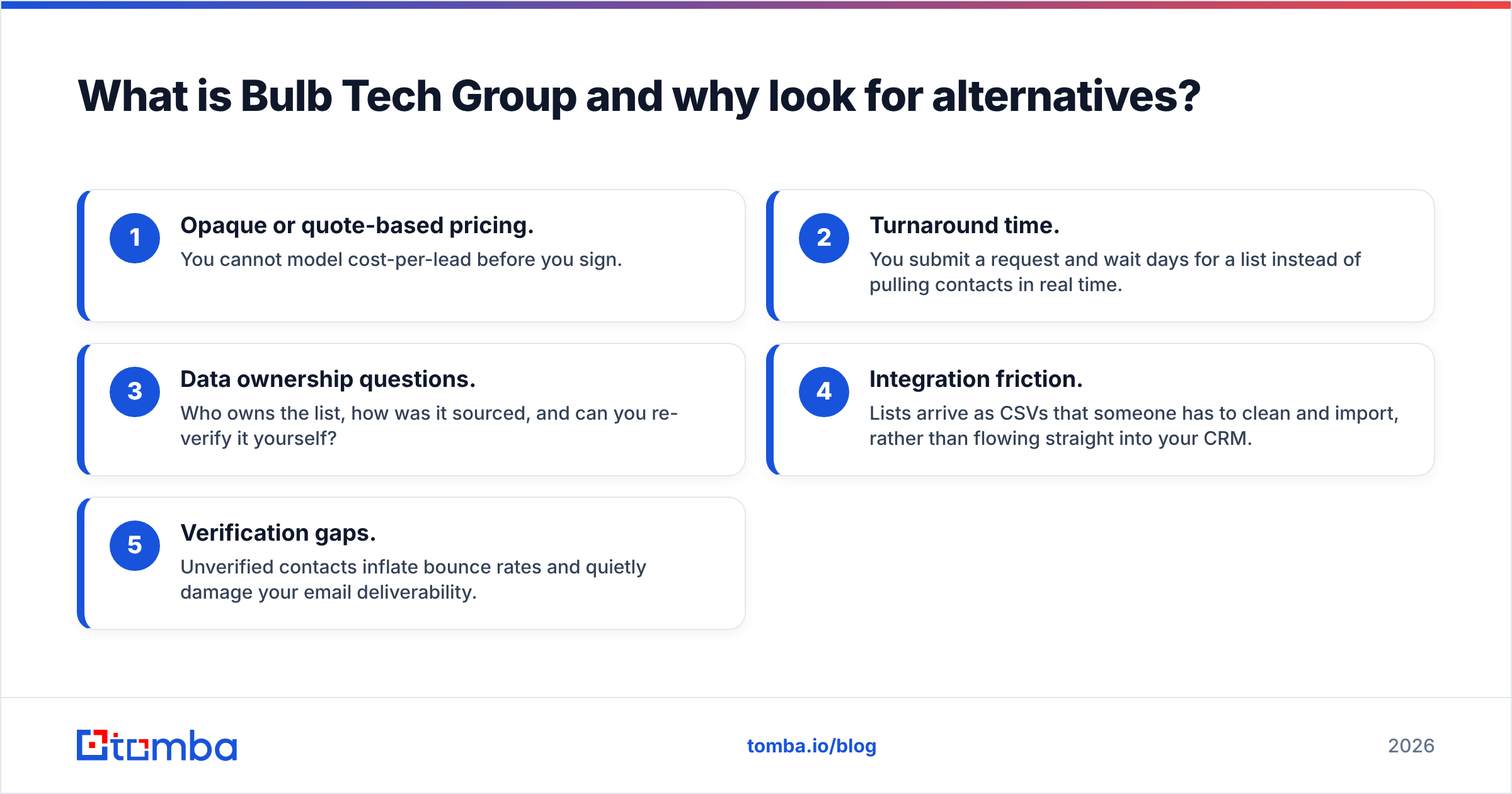
- Opaque or quote-based pricing. You cannot model cost-per-lead before you sign.
- Turnaround time. You submit a request and wait days for a list instead of pulling contacts in real time.
- Data ownership questions. Who owns the list, how was it sourced, and can you re-verify it yourself?
- Integration friction. Lists arrive as CSVs that someone has to clean and import, rather than flowing straight into your CRM.
- Verification gaps. Unverified contacts inflate bounce rates and quietly damage your email deliverability.
If two or more of those resonate, a self-serve alternative is worth a serious look.

What should you look for in a Bulb Tech Group alternative?#
Prioritize data accuracy, verification, transparent pricing, and native CRM integration — in that order. Everything else is a nice-to-have.
Use this checklist when you evaluate any replacement:
- Verified contacts, not just contacts. Look for a built-in email verifier and SMTP-level checks so you are not the one discovering the bad addresses.
- Transparent, usage-based pricing. You should be able to read a pricing page and know your monthly cost. No "contact sales" to learn a starter price.
- Self-serve speed. Find a contact, verify it, and export it in minutes — through a UI, a Chrome extension, or an email finder API.
- Real integrations. Native HubSpot, Salesforce, Pipedrive, Zapier, and Sheets connectors beat manual CSV juggling.
- Sourcing transparency. The vendor should be able to tell you where the data comes from and how often it refreshes.
- A free tier or trial. Test accuracy against your own known-good contacts before you commit a budget.
The 7 best Bulb Tech Group alternatives in 2026#
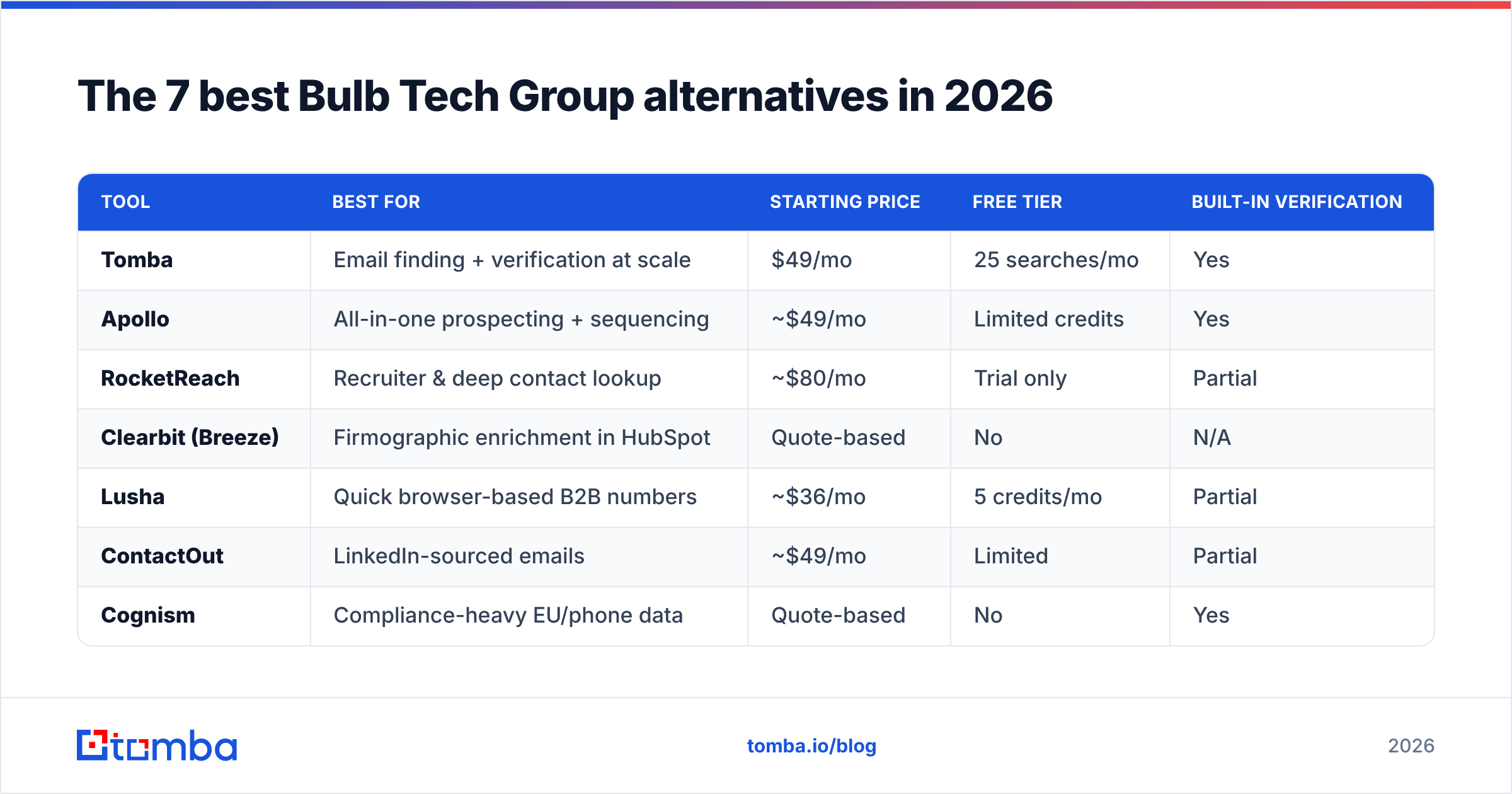
Here is the shortlist, grouped by what each one is genuinely best at. No single tool wins every category, so match the strength to your actual workflow.
| Tool | Best for | Starting price | Free tier | Built-in verification |
|---|---|---|---|---|
| Tomba | Email finding + verification at scale | $49/mo | 25 searches/mo | Yes |
| Apollo | All-in-one prospecting + sequencing | ~$49/mo | Limited credits | Yes |
| RocketReach | Recruiter & deep contact lookup | ~$80/mo | Trial only | Partial |
| Clearbit (Breeze) | Firmographic enrichment in HubSpot | Quote-based | No | N/A |
| Lusha | Quick browser-based B2B numbers | ~$36/mo | 5 credits/mo | Partial |
| ContactOut | LinkedIn-sourced emails | ~$49/mo | Limited | Partial |
| Cognism | Compliance-heavy EU/phone data | Quote-based | No | Yes |
1. Tomba — best for finding and verifying emails#
Tomba is the most direct swap if your reason for using a lead-gen partner was simply "I need accurate work emails for the people we target." Its email finder locates professional addresses by name, company, or domain, and every result can be run through the verifier before it ever reaches your sequencer.
What makes it a strong managed-service replacement:
- Transparent Tomba pricing: a genuinely free tier (25 searches/month), then Starter at $49/mo, Growth at $99/mo, Pro at $249/mo, and custom Enterprise.
- A full toolkit beyond the finder: domain search for company-wide patterns, a catch-all verifier, phone finder, and data enrichment.
- Self-serve everywhere: UI, Chrome extension, Google Sheets add-on, and a documented API.
It is not a full sequencing suite — you will pair it with a sender like Instantly or your CRM — but for raw contact discovery and hygiene, it is hard to beat on price-to-accuracy.
2. Apollo — best all-in-one prospecting platform#

Apollo bundles a B2B database, email finder, and sequencing into one workspace. If you want to replace a managed service and your separate outreach tool in a single move, it is the most complete option. The trade-off is that the database depth and deliverability features get gated behind higher tiers, and the contact data quality can be uneven outside North America. See independent reviews on G2 before committing. If you like the platform but want better email accuracy, many teams pair it with a dedicated finder as an Apollo alternative for the data layer.
3. RocketReach — best for deep contact and recruiter lookups#
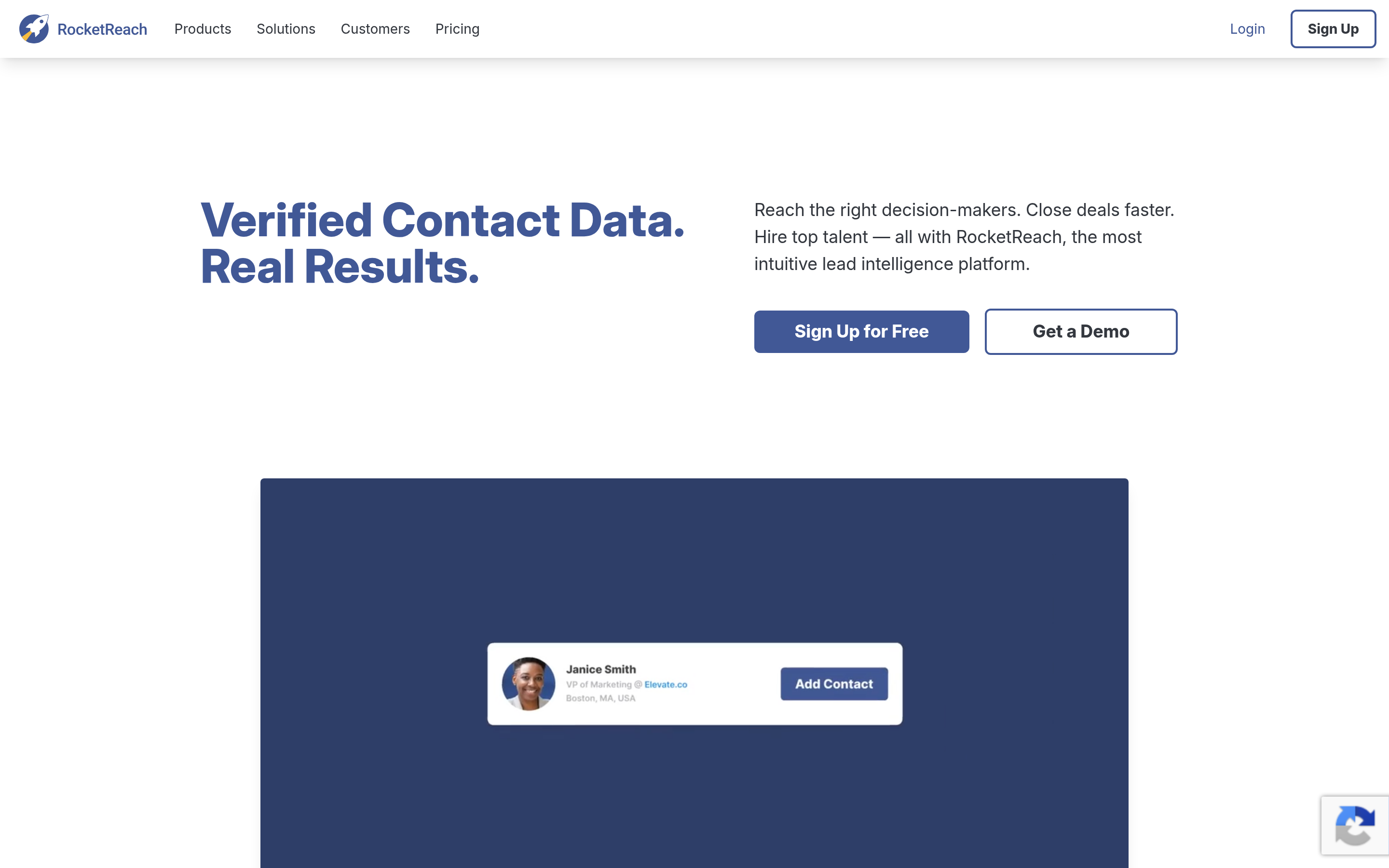
RocketReach shines when you need personal as well as professional contact points — useful for recruiting and executive outreach. Coverage is broad, but pricing climbs quickly and verification is lighter than purpose-built tools. It is a fine RocketReach alternative scenario when you want similar reach with cleaner, verified output.
4. Clearbit (now Breeze Intelligence) — best for firmographic enrichment#
If your gap was enrichment rather than discovery — turning a known domain or email into full company and contact context inside HubSpot — Clearbit, now folded into HubSpot's Breeze, is the native pick. It is enrichment-first, not a list-builder, and pricing is quote-based. Teams that want self-serve enrichment with published pricing often look at a Clearbit alternative instead.
5. Lusha — best for quick browser-based numbers#
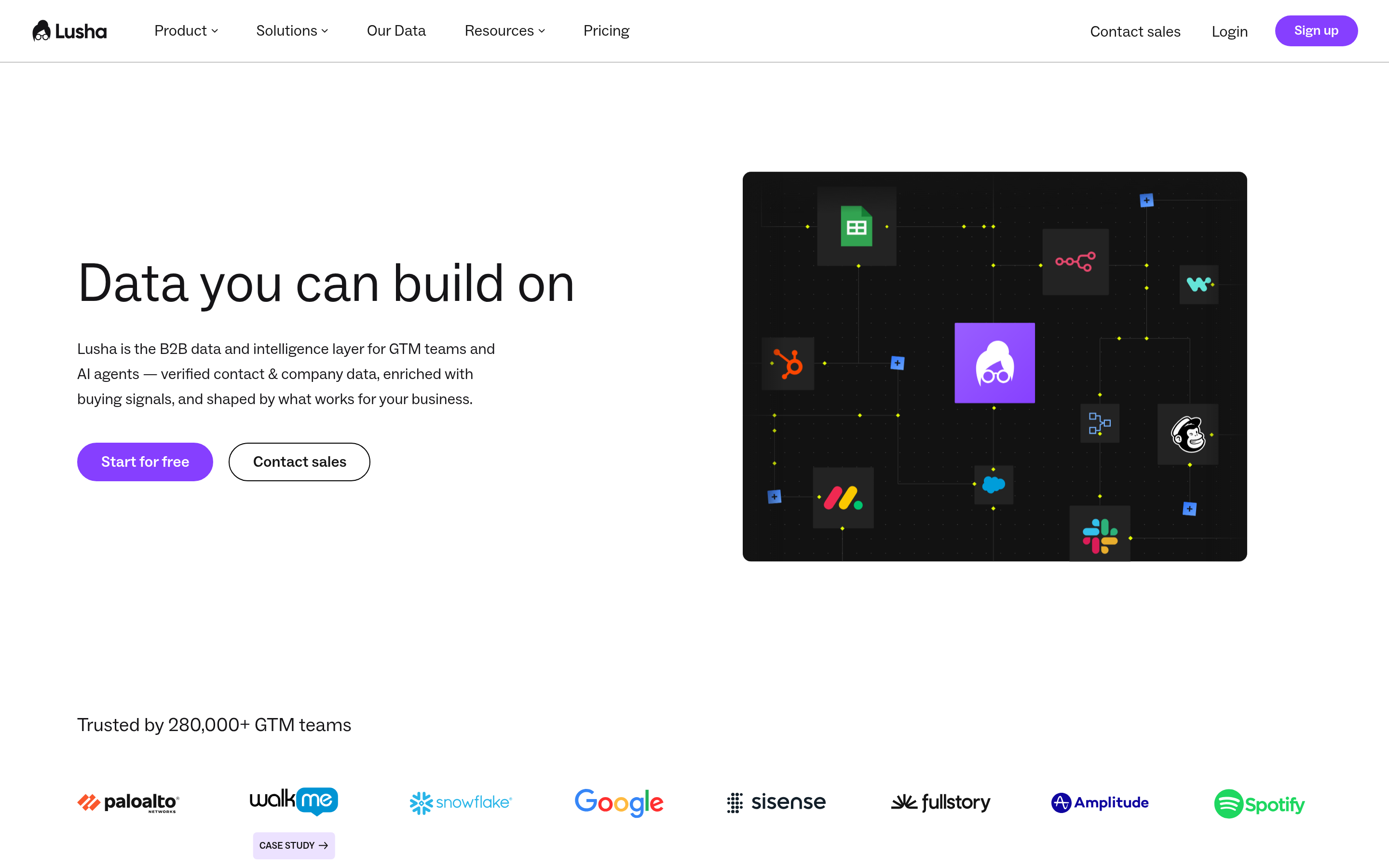
Lusha is built around its browser extension for grabbing direct dials and emails while you browse LinkedIn. It is fast and friendly for individual reps, though credits disappear quickly on heavier use and bulk workflows are weaker.
6. ContactOut — best for LinkedIn-sourced emails#
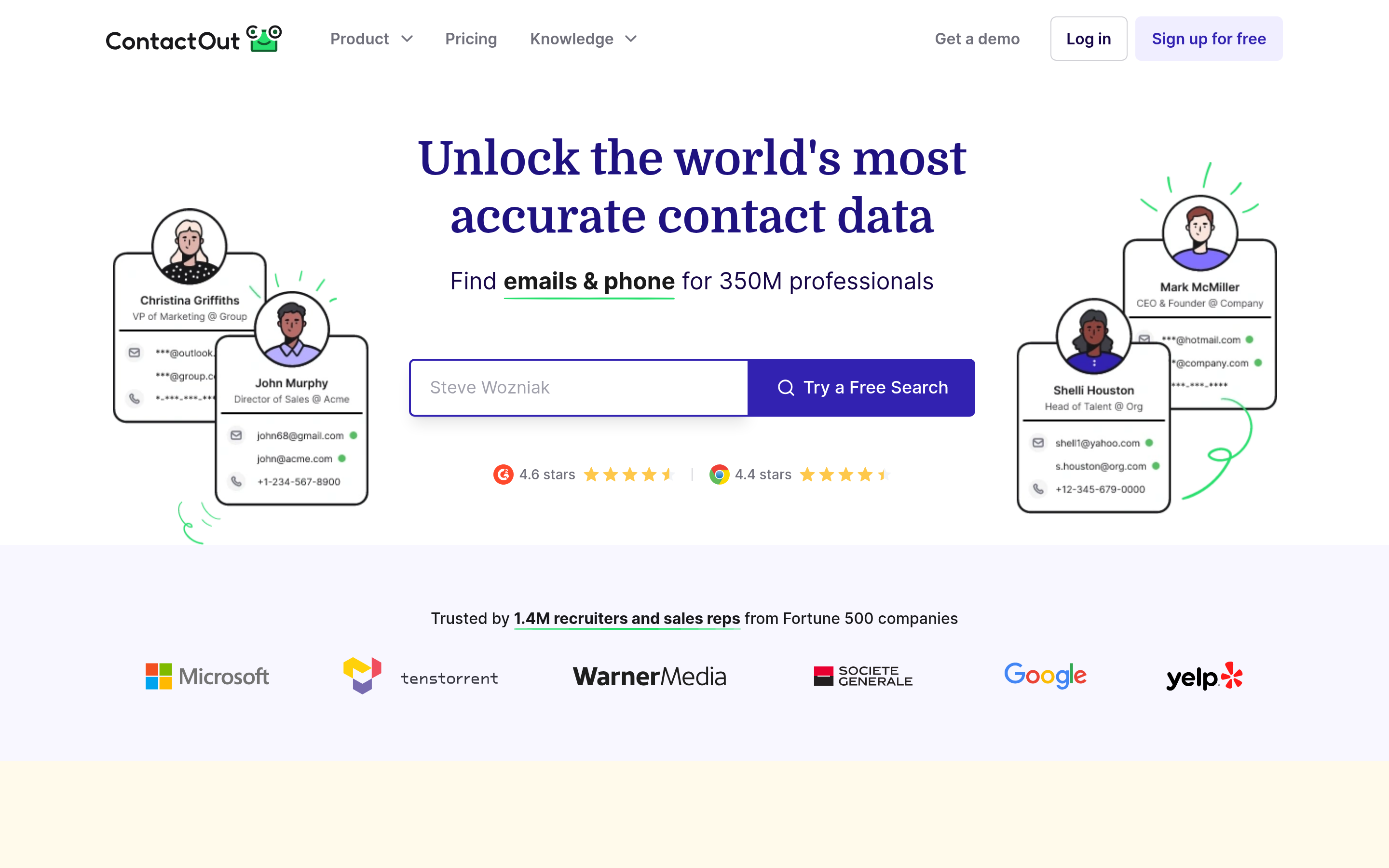
ContactOut specializes in pulling emails from LinkedIn profiles, which suits recruiters and social sellers. If LinkedIn is your primary sourcing channel, a LinkedIn finder workflow covers the same ground with verification attached.
7. Cognism — best for compliance-heavy and EU phone data#
Cognism leans into GDPR-conscious sourcing and strong phone coverage in Europe. It is the enterprise-grade, compliance-first option — with enterprise-grade, quote-based pricing to match.

How do managed services and self-serve tools really compare?#
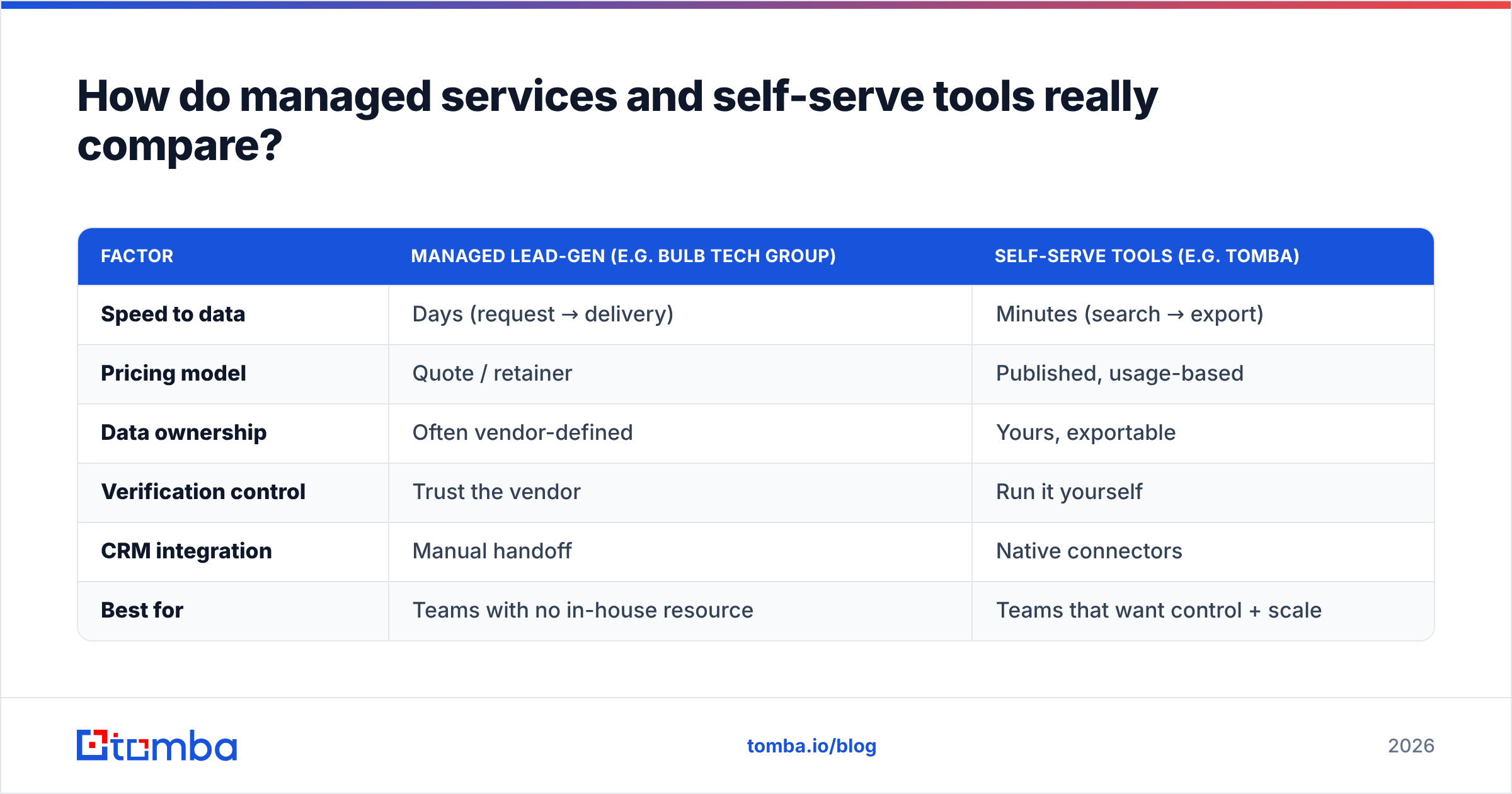
Managed services win on hands-off convenience; self-serve tools win on cost, speed, and control. The right answer depends on whether you have anyone in-house to run the kitchen.
| Factor | Managed lead-gen (e.g. Bulb Tech Group) | Self-serve tools (e.g. Tomba) |
|---|---|---|
| Speed to data | Days (request → delivery) | Minutes (search → export) |
| Pricing model | Quote / retainer | Published, usage-based |
| Data ownership | Often vendor-defined | Yours, exportable |
| Verification control | Trust the vendor | Run it yourself |
| CRM integration | Manual handoff | Native connectors |
| Best for | Teams with no in-house resource | Teams that want control + scale |
A useful rule of thumb: if you are spending more on a managed retainer than two seats of a self-serve platform would cost — and you have someone who can spend an hour a week running searches — the math usually favors going self-serve. You also stop paying for data you cannot re-verify, which is the hidden tax of buying static lists.
How do you migrate off a managed lead-gen service?#
Run the new tool in parallel for one cycle, verify a sample against known-good contacts, then cut over. Do not rip and replace blind.
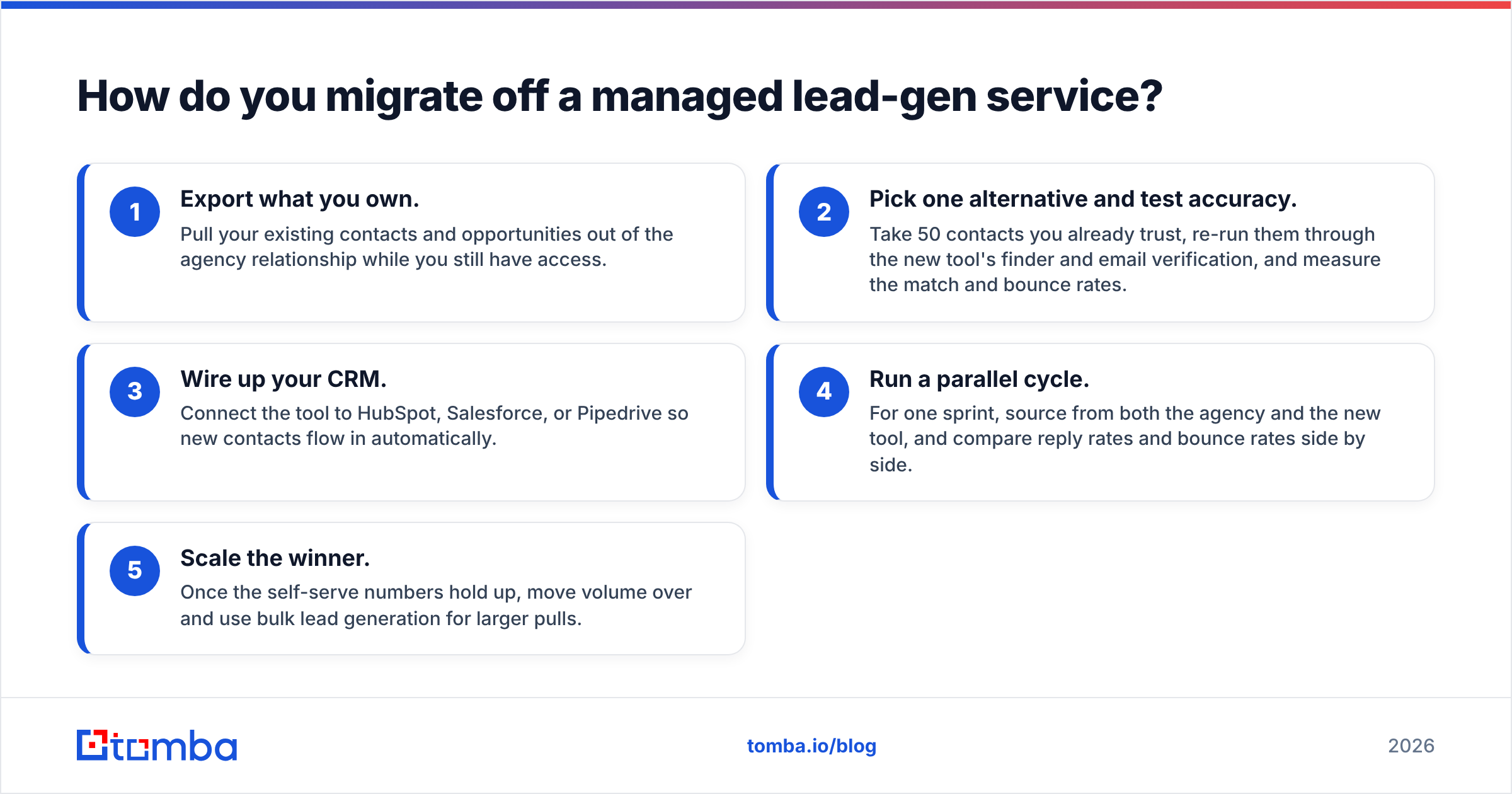
A low-risk migration looks like this:
- Export what you own. Pull your existing contacts and opportunities out of the agency relationship while you still have access.
- Pick one alternative and test accuracy. Take 50 contacts you already trust, re-run them through the new tool's finder and email verification, and measure the match and bounce rates.
- Wire up your CRM. Connect the tool to HubSpot, Salesforce, or Pipedrive so new contacts flow in automatically.
- Run a parallel cycle. For one sprint, source from both the agency and the new tool, and compare reply rates and bounce rates side by side.
- Scale the winner. Once the self-serve numbers hold up, move volume over and use bulk lead generation for larger pulls.
This staged approach means you never have a week with no pipeline, and you make the final call on evidence — not on a sales pitch.
Which Bulb Tech Group alternative is right for you?#
Choose by your primary bottleneck, not by feature count. Quick guide:
- You mainly need accurate, verified emails: start with Tomba's free tier.
- You want prospecting plus sending in one tool: Apollo.
- You need recruiter-grade personal contacts: RocketReach.
- You need enrichment inside HubSpot: Clearbit / Breeze.
- You sell into the EU and need phone-first compliance: Cognism.
- You live in LinkedIn: ContactOut or a LinkedIn-focused finder.
Most teams over-buy. Be honest about whether you need a platform or just clean data — the second is far cheaper and solves 80% of the pain.
Frequently asked questions#
Is a self-serve tool really cheaper than a managed service? Almost always, on a per-contact basis. A managed retainer bundles labor you may already have in-house. If you have an SDR or RevOps person who can run searches, self-serve tools like Tomba typically cost a fraction per verified contact.
Will my bounce rate get worse if I source contacts myself? Only if you skip verification. Tools with built-in verification and a catch-all finder usually produce lower bounce rates than static purchased lists, because you verify at the moment of export rather than trusting a list that aged on someone's drive.
Can I keep my current outreach tool? Yes. Most of these alternatives are data layers that push into your existing sequencer or CRM via native integrations or the API, so you are not forced into a rip-and-replace.
How do I know where the data comes from? Ask. Reputable vendors publish their data sources and refresh cadence. If a provider cannot explain sourcing and compliance, treat that as a red flag for both quality and risk.
The bottom line#
Replacing a managed lead-gen partner is less about finding a like-for-like agency and more about deciding you want control: control over cost, over data quality, and over when the contacts actually arrive. For the most common need — accurate, verified B2B emails on demand — start with the Tomba Email Finder. Spin up the free tier, test 25 searches against contacts you already trust, and let the bounce rate make the case. If the numbers hold, scaling to a paid plan costs less than most agency retainers and keeps your pipeline in your own hands.
Ready to find emails that actually work?
Join 150,000+ professionals who stopped guessing and started sending. Free credits on signup — no credit card required.
Get the Tomba newsletter
Practical outbound tactics and product updates — once every two weeks.
About the author