9 Best Kickscale Alternatives for Sales Teams in 2026
Kickscale records, transcribes and scores your sales calls — but it is not the only option, and not always the cheapest one. Here are nine alternatives compared on price, recording limits, coaching depth and CRM sync.
TL;DR
- Kickscale is a meeting intelligence tool. It records your sales calls, writes them up, and turns them into coaching notes. Teams shop for Kickscale alternatives for three reasons: seat price, thin CRM sync, or weak forecasts.
- Want the cheapest swap? Try Fathom or Fireflies. Want deal forecasts? Look at Gong or Salesloft. Want notes, coaching and scheduling in one? Look at Avoma or Jiminny.
- Check the limits before you check the price. A free tool that keeps 30 days of transcripts is no help at quarter end.
- Call tools only read the meetings you booked. If your pipeline is thin, better notes will not fix it. More contacts will.
- Run any of these Kickscale alternatives on one squad for 30 days. Score it against a fixed sheet, then switch.
What is Kickscale, and who is it actually for?#
Kickscale is a European sales and conversation intelligence tool. It sits in your Zoom, Teams or Google Meet calls. It records them and writes a transcript. Then it reads that text back to you: who spoke most, which doubts came up, which rivals got named, what you promised next. It also turns real calls into playbooks for new reps. That last part is its strong suit. You can see the current plans on kickscale.com.
Think of it as the black box on a plane. The flight goes the same way. You just get the tape when you land, so you can see what went wrong.
It fits one profile well: a sales team of five to 40 people, based in Europe, keen on GDPR, with German or other non-English calls to read. If that is you, it is a strong pick.
The rest of the stack is where it gets hard. Once you need deal forecasts, full activity capture, or 200 seats, the field gets crowded. That is where most Kickscale alternatives come in.
Why do teams look for Kickscale alternatives?#
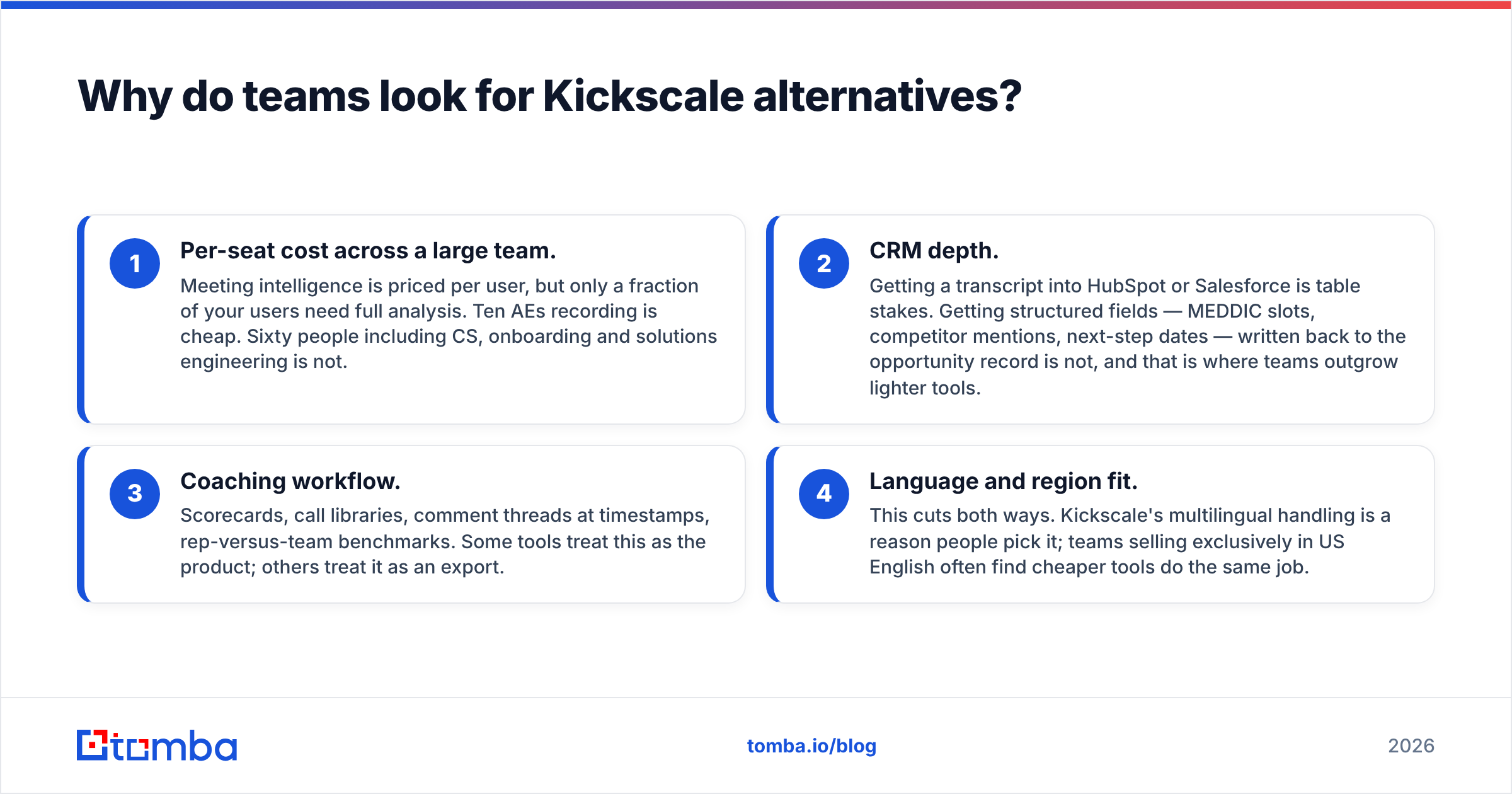
Four themes come up again and again in G2 reviews and in switch talks:
- Seat cost. Call tools charge per user. But only some of your users need the full read-out. Ten reps is cheap. Sixty seats across CS, onboarding and sales engineers is not.
- CRM depth. Any tool can push a transcript to HubSpot or Salesforce. Few can fill deal fields: rival names, next-step dates, MEDDIC slots. That gap is why teams move on.
- Coaching. Scorecards, call libraries, notes at a timestamp, rep-versus-team charts. Some tools make this the core. Others treat it as an export.
- Language. This cuts both ways. Kickscale is strong on non-English calls. If you sell only in US English, cheaper tools do the same job.
What should you compare before switching?#
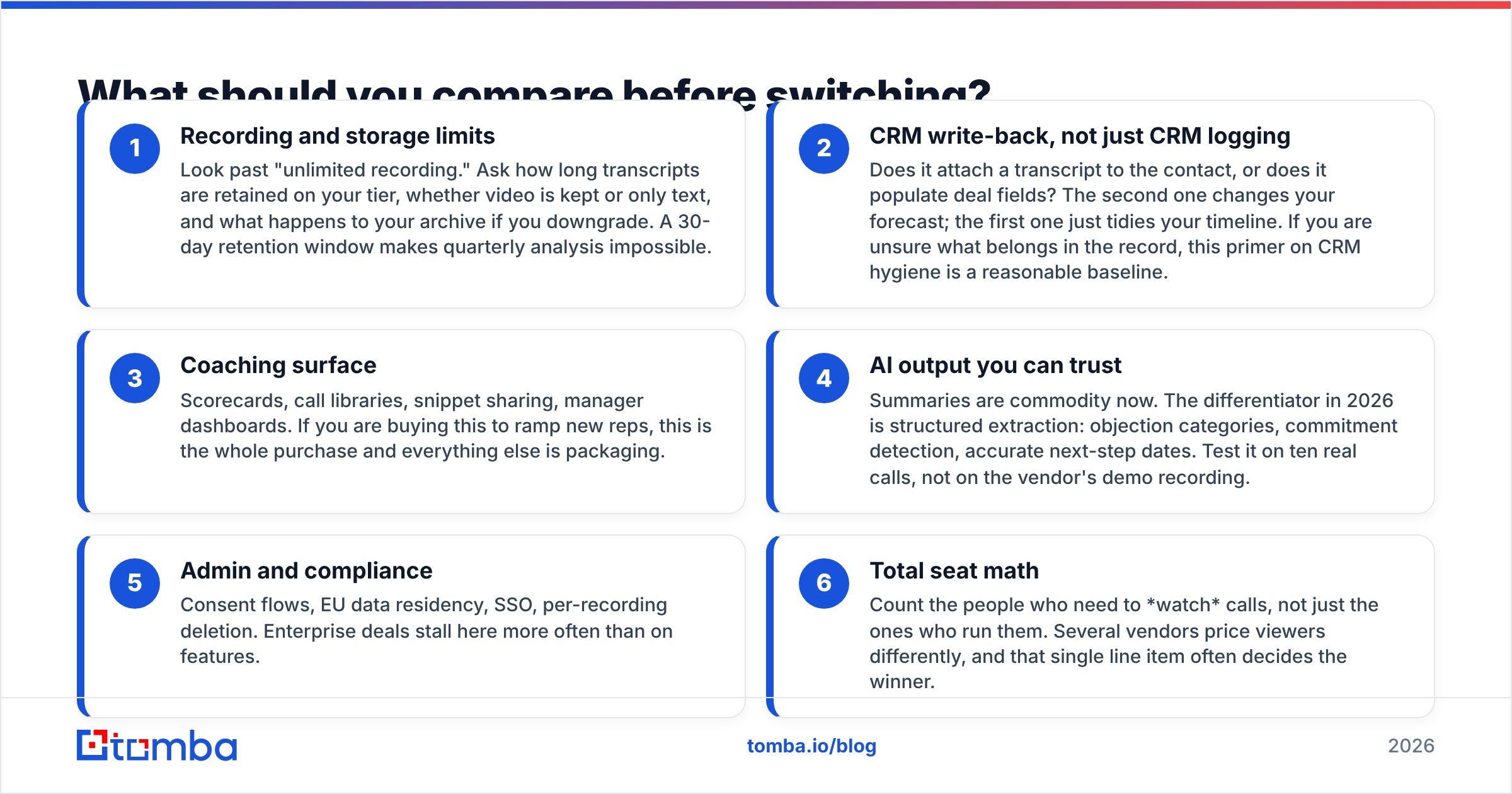
Score the Kickscale alternatives on six points. Work out which one really binds you first. Most switches go wrong because the buyer picked the wrong one.
- Limits. Look past the word "unlimited." Ask how long transcripts live on your tier. A 30-day window makes quarter-end review a dead end.
- CRM write-back. Does it just log the call, or does it fill deal fields? The first tidies your timeline. The second changes your forecast. This primer on CRM hygiene sets the baseline.
- Coaching. Scorecards, call libraries, clips, manager views. If you buy this to ramp new reps, this is the whole deal.
- AI you can trust. Summaries are cheap now. What counts in 2026 is clean data: doubt types, next-step dates, firm commitments. Test it on ten of your own calls.
- Admin rules. Consent, EU hosting, SSO, per-call delete. Big deals stall here more than on features.
- Seat math. Count the people who watch calls, not just the ones who run them. Some vendors charge less for those seats.
Which Kickscale alternatives are worth testing in 2026?#
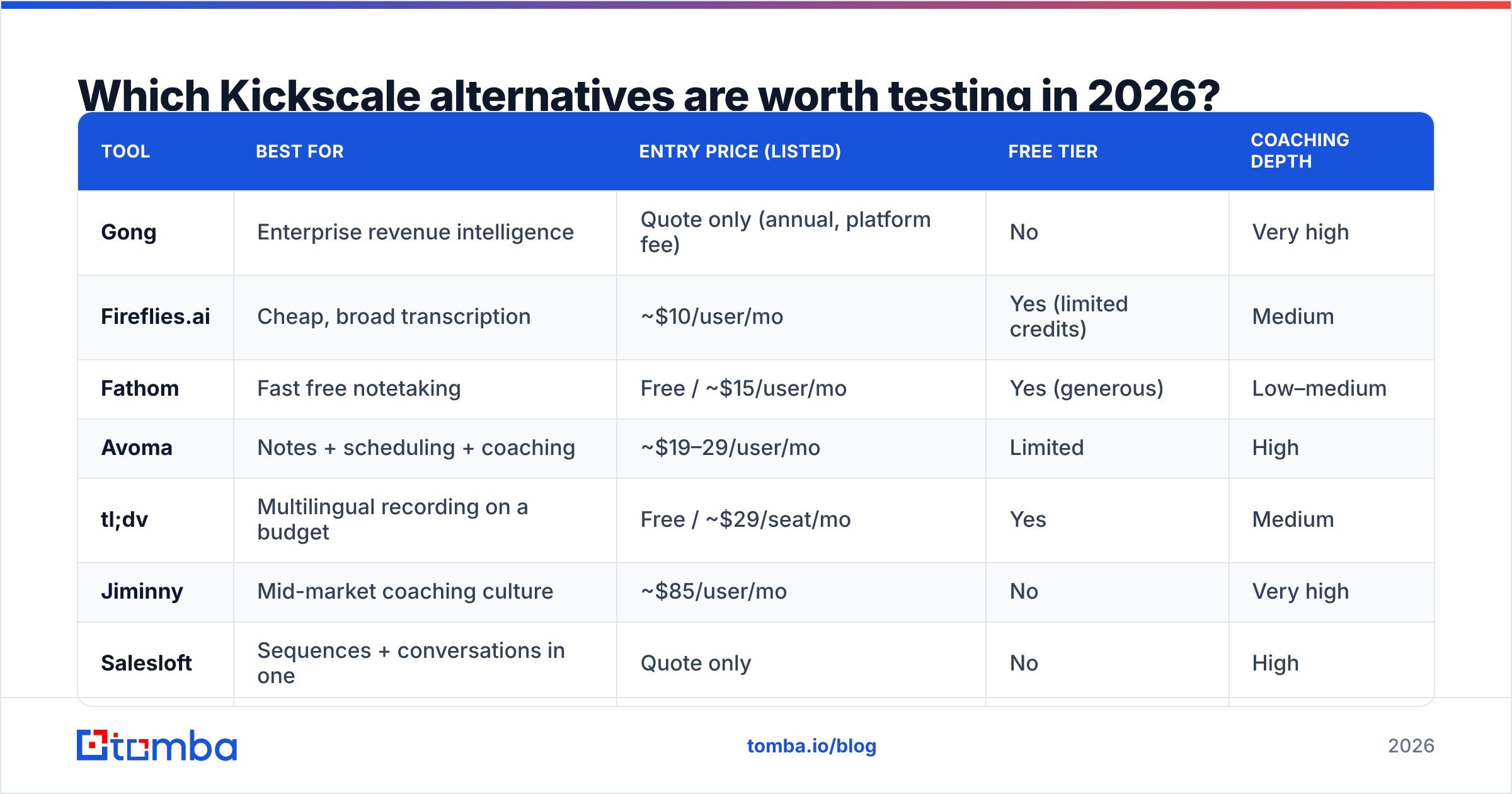
The nine Kickscale alternatives below are grouped by what each one does best. Prices are the listed public rates at the time of writing. They change often, so check the vendor page first.
| Tool | Best for | Entry price (listed) | Free tier | Coaching depth |
|---|---|---|---|---|
| Gong | Big teams, revenue intelligence | Quote only (annual) | No | Very high |
| Fireflies.ai | Cheap notes for all | ~$10/user/mo | Yes (limited) | Medium |
| Fathom | Fast free notes | Free / ~$15/user/mo | Yes (generous) | Low–medium |
| Avoma | Notes, calendar, coaching | ~$19–29/user/mo | Limited | High |
| tl;dv | Many languages, low price | Free / ~$29/seat/mo | Yes | Medium |
| Jiminny | Mid-market coaching | ~$85/user/mo | No | Very high |
| Salesloft | Cadences plus calls | Quote only | No | High |
| Grain | Short call clips | Free / ~$19/seat/mo | Yes | Low–medium |
| Attention | CRM auto-fill, playbooks | Quote only | No | Medium–high |
Gong — the top tool, at a top price#
Gong sets the bar. You get call reads, deal reads and forecasts, on the widest data set in the market. If your question is "why did Q3 slip?", Gong answers it best.
The catch is the price, not the tech. You get a quote, not a price page: a yearly fee plus seats, often four figures a year per rep. For ten people who just want notes, that is far too much. For fifty reps with a forecast problem, it is the front runner.
Pick Gong if: you have 30 or more reps on quota and a RevOps team to read the output.
Fireflies.ai — the cheap way to cover everyone#
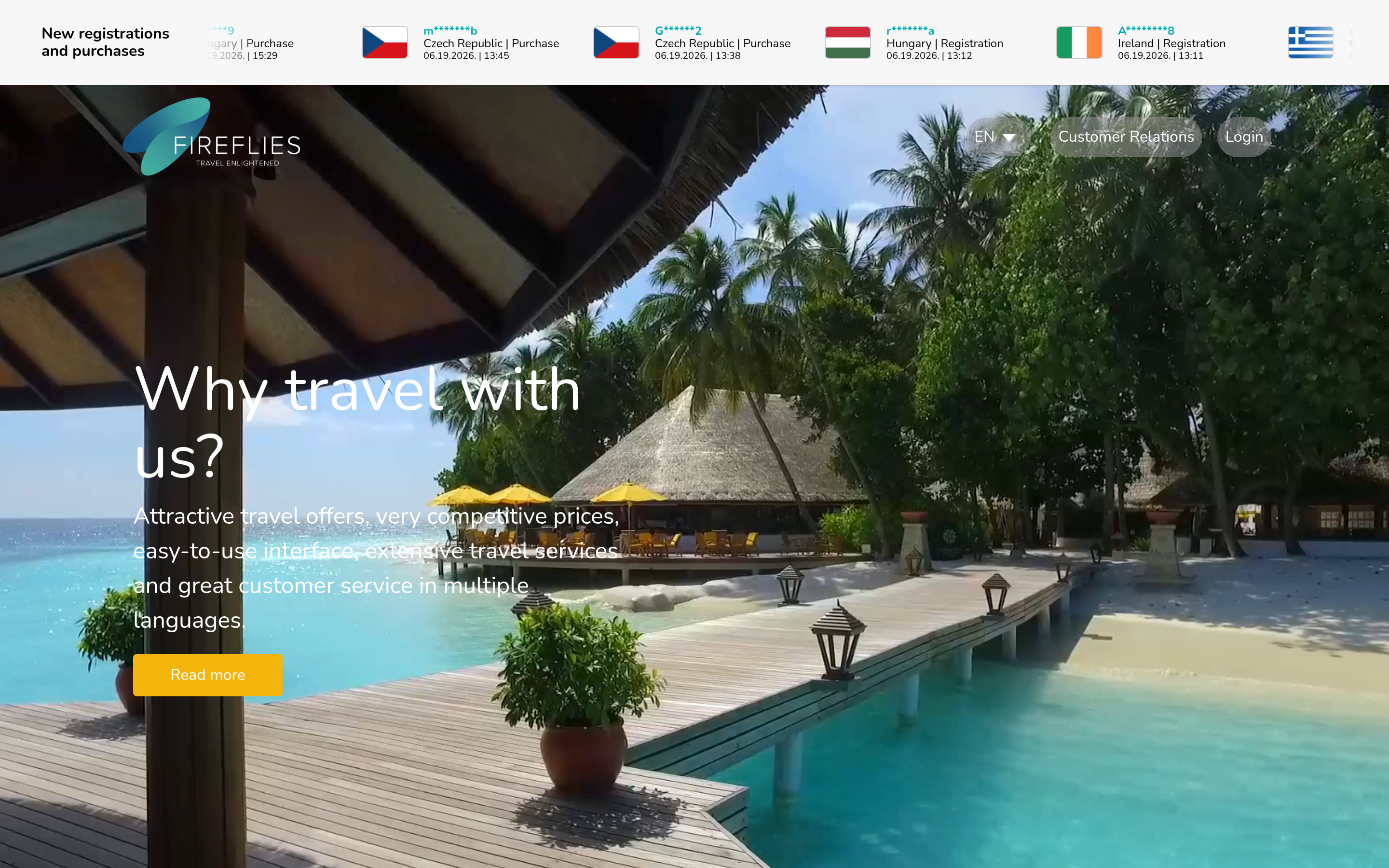
Fireflies wins on cost per seat. It has a free tier, a cheap paid tier, dozens of languages, and links to just about every CRM. You can put it on CS, hiring and partner seats with no budget talk.
What you give up is depth. Deal charts and rep scorecards are thin next to a true sales tool. The AI recap can also cut too much from long, technical calls.
Pick Fireflies if: you want the whole firm on tape and you coach some other way.
Fathom — the free tier people keep using#
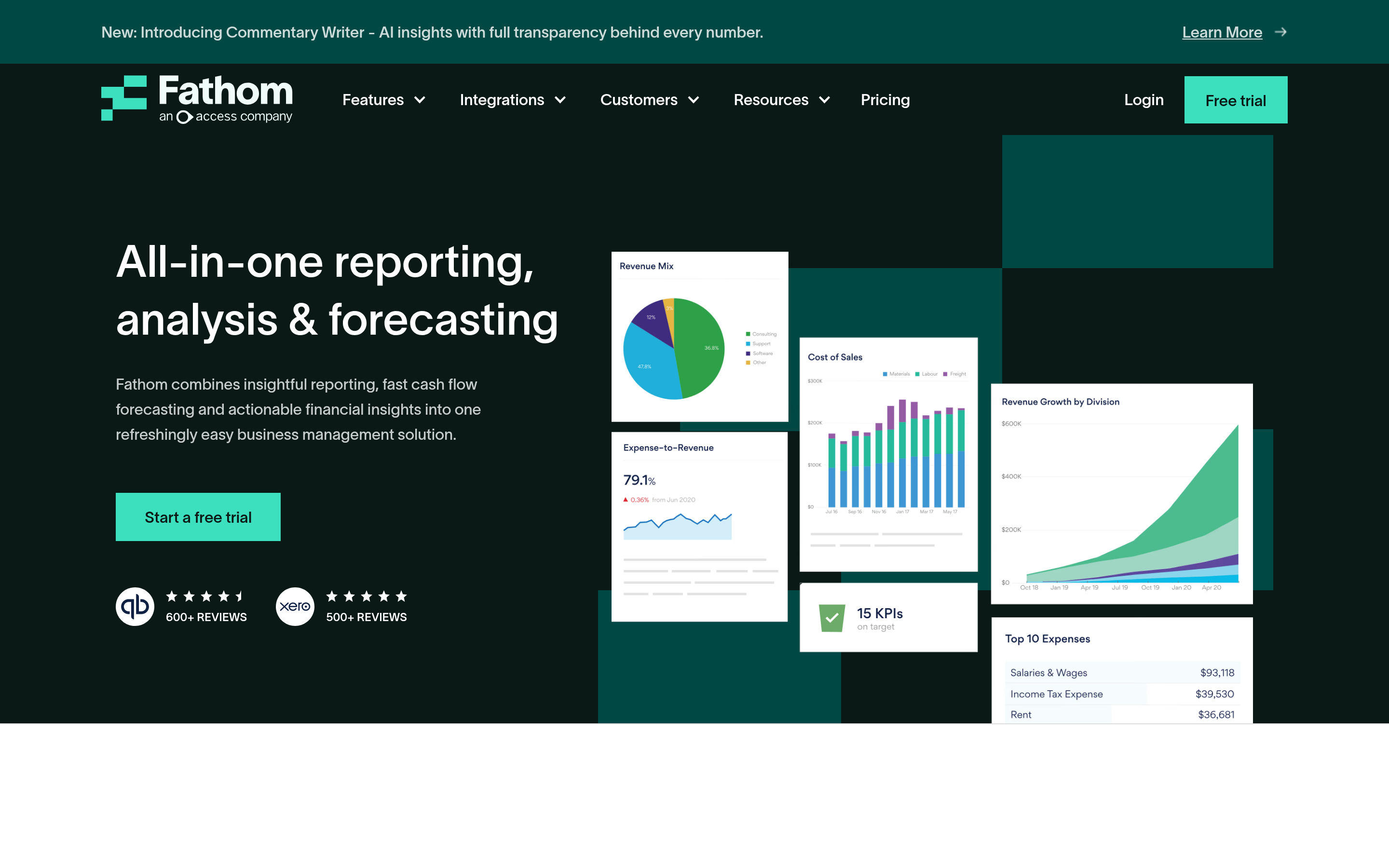
Fathom has the best free plan in this group. One user gets no cap on calls or AI recaps. Notes are fast, clean, and land in the CRM. Reps adopt it on their own, with no sign-off.
It is light on charts by design. Team trends and scorecards do exist on paid tiers. They do not match Gong or Jiminny. Treat it as great notes with a few team extras.
Pick Fathom if: your pain is "reps do not write notes," not "managers do not coach."
Avoma — the all-in-one middle path#
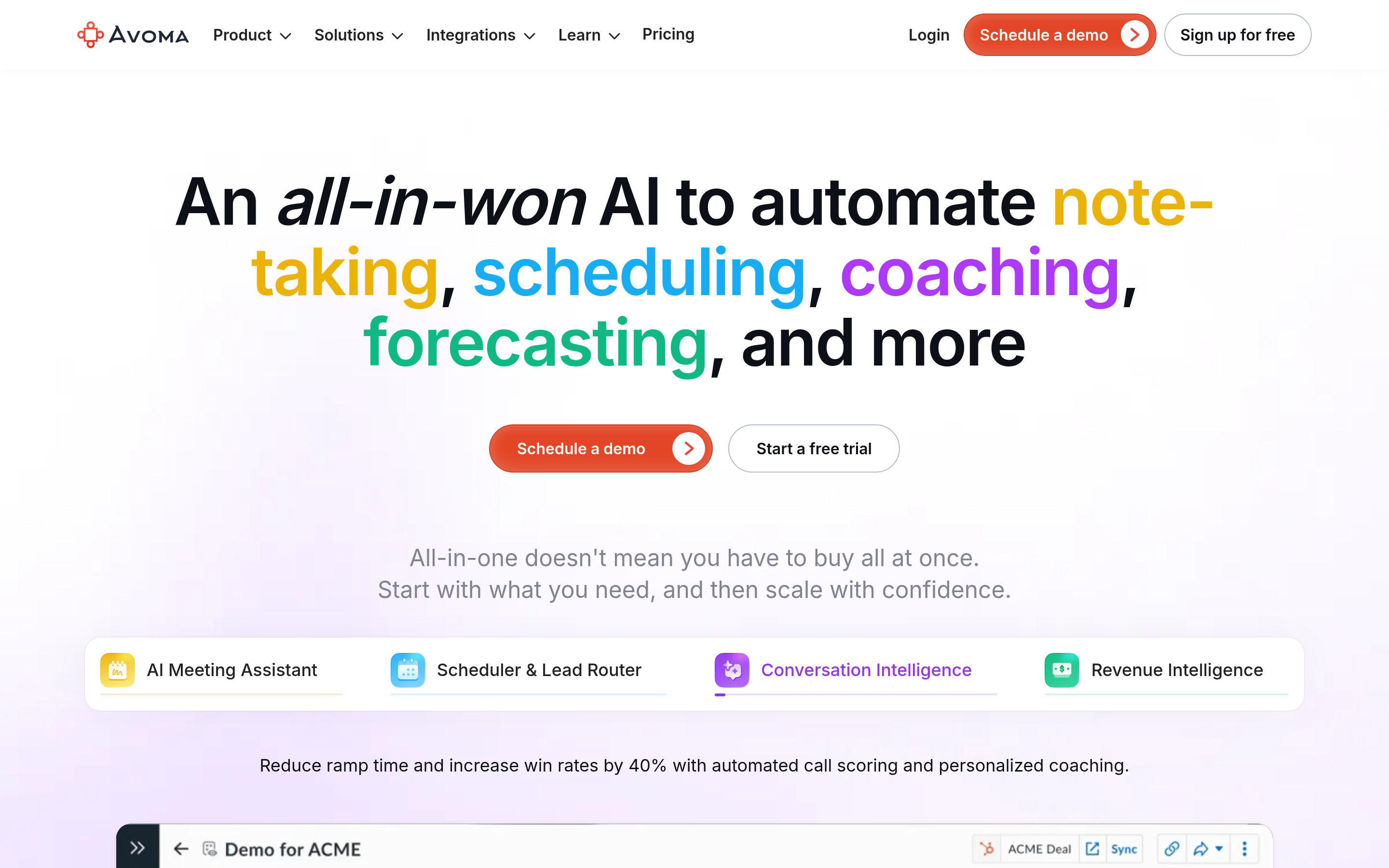
Avoma rolls four tools into one: a booking page, notes, call reads and deal reads. Do you pay for a scheduler, a recorder and a coaching tool? Then one bill often works out cheaper.
Watch the tiers. The parts most buyers assume are in the box — scorecards, deal boards, deep charts — sit on the top plans. Price the tier you will use, not the entry one.
Pick Avoma if: you want three bills to become one and your team is mid-market.
tl;dv — many languages, no big contract#
tl;dv covers a wide set of languages and has a real free plan. It clips moments well, so you can send a quote straight to the product team. It is the closest match if you chose Kickscale for non-English calls.
Charts are light here too. Deep CRM field work sits on the top tiers.
Pick tl;dv if: you sell in four languages and want seat pricing that scales with a small team.
Jiminny — coaching as the product#
Jiminny is built for managers who coach each week. You get scorecards, call libraries, live help on calls, and rep charts. Reviews praise the support team, which counts for a lot. Tools that change habits live or die on that.
It is priced near the top end, so the seat math has to work. If no one will run call reviews, you will not get the value.
Pick Jiminny if: you have a sales manager who will use it three times a week.
Salesloft — if you already own the sequencer#
Is your outbound already in Salesloft? Then its calls module keeps tape, text and reads in one place. Fewer tabs, one timeline. Teams on that path often weigh a standalone Salesloft alternative too, to dodge lock-in on both layers at once.
Pick Salesloft if: you are set on it for cadences and want one vendor.
Grain and Attention — the specialists#
Grain is the light pick for clips. Catch a buyer moment, send a 45-second cut to Slack, move on. Attention goes the other way. It fills CRM fields for you and checks that reps stick to the playbook.
Pick Grain if: product or CS reads most of your call content. Pick Attention if: bad CRM data is the real problem.

Is a free meeting recorder good enough?#
For most teams under ten reps: yes, for the first year. Several Kickscale alternatives are free at that size.
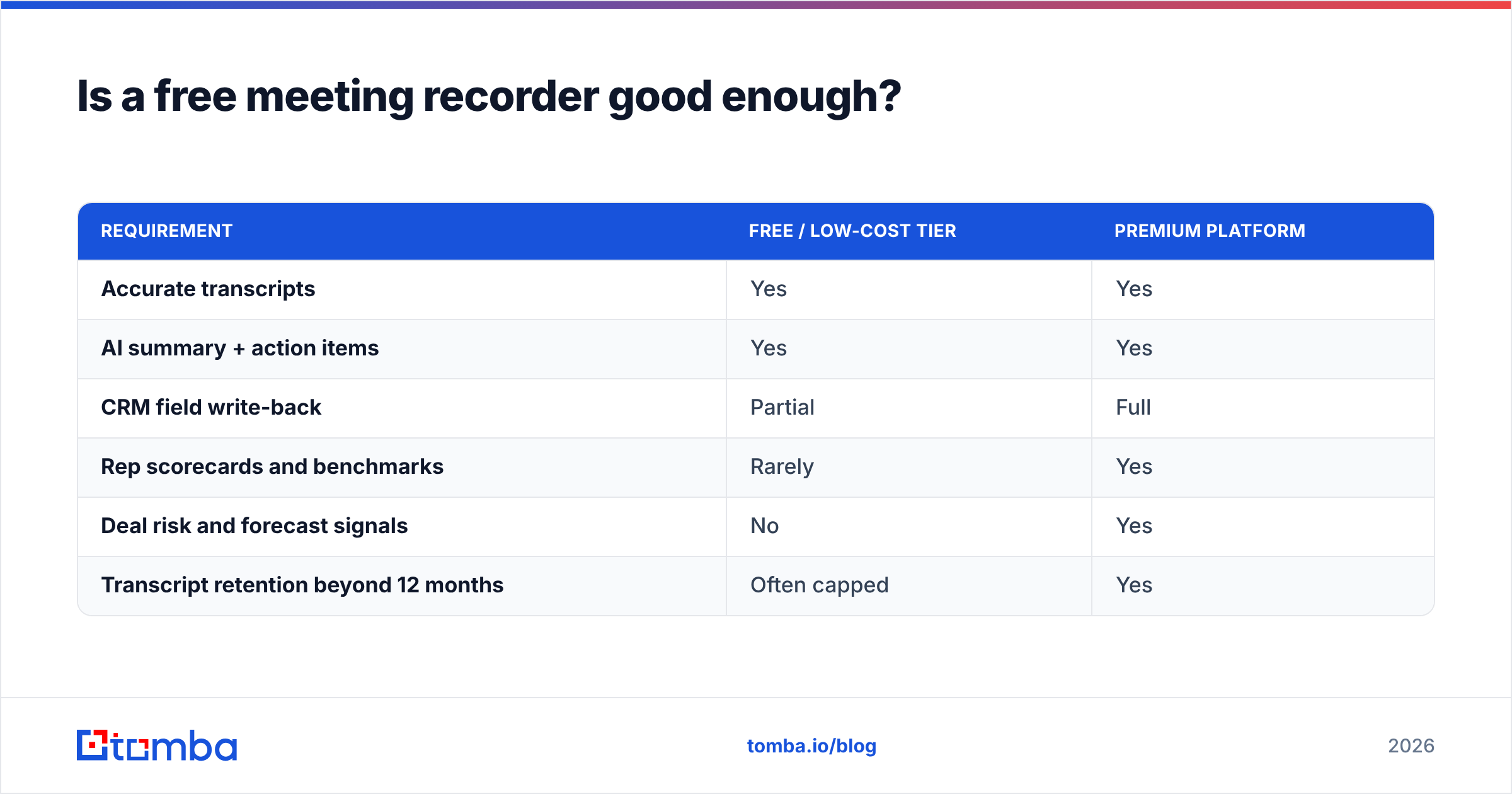
Here is the honest split. A free or $10 seat solves notes, handoffs and "what did we promise?" A $60 to $150 seat solves forecasts, set-piece coaching and firm-wide trends. If no one runs call reviews now, the costly tier just buys a chart no one opens.
| Requirement | Free / low-cost tier | Premium platform |
|---|---|---|
| Accurate transcripts | Yes | Yes |
| AI summary + action items | Yes | Yes |
| CRM field write-back | Partial | Full |
| Rep scorecards and benchmarks | Rarely | Yes |
| Deal risk and forecast signals | No | Yes |
| Transcript retention beyond 12 months | Often capped | Yes |
Move up a tier when you can name the choice the extra data will change. "More visibility" is not a choice.
Does conversation intelligence fix a pipeline problem?#
No. And this is the costly mistake in this class of tool.
Kickscale alternatives can only read calls that already took place. Say your team runs six first calls a week. Then the ceiling on what any of these tools can do for you is low. The limit is meetings booked, not meetings read.
Think of a running watch. It gives you great data on the runs you did. It does not get you out the door. If your problem is volume, the money belongs at the top of the funnel: good contact data, live email addresses, a steady cadence.
That is a different tool set. You need work emails for the accounts you want, plus role and firm context, with low bounce rates. That is what fills the diary the call tool then reads. Tomba's email finder and data enrichment sit in that layer.
The cost shape is different too. The free tier covers 25 searches a month. Starter runs $49/mo and Growth $99/mo. Check that against your volume on the Tomba pricing page.
So here is the order for most teams. Fix contact data and booked calls first. Then buy the recorder that fits the load you now have.
Which of these Kickscale alternatives should you pick?#
The short version, by case:
- Under 10 reps, tight budget: Fathom or Fireflies. Start free. Move up when the limits bite.
- Many languages, European buyers: tl;dv, or stay on Kickscale. It is genuinely strong here.
- One bill for booking, notes and coaching: Avoma.
- Manager-led coaching, 15 to 50 reps: Jiminny.
- Forecasts and deal checks, 30+ reps: Gong.
- Already on Salesloft: use its calls module before you add a fourth vendor.
- Bad CRM data is the real problem: Attention.
Run a 30-day test on one squad with a written score sheet. Rate three things: how well it reads your ten hardest calls, how many CRM fields it fills with no clean-up, and how often a manager opens it. Buy whichever tool wins those three.
Fill the diary before you buy a better recorder#
Is meeting volume the constraint, not meeting notes? Then better contact data beats any of these Kickscale alternatives. Tomba's Email Finder returns verified work email addresses by name, firm or domain. A check step is built in, so your cadences do not burn sender trust. Start free with 25 searches a month. Move up only when your booked-call rate makes a paid call tool worth it.
Related guides#
Ready to find emails that actually work?
Join 150,000+ professionals who stopped guessing and started sending. Free credits on signup — no credit card required.
Get the Tomba newsletter
Practical outbound tactics and product updates — once every two weeks.
About the author