9 Best Knowlarity Alternatives for 2026 (Compared by Price)
Knowlarity still runs a lot of Indian call centres, but pricing, support SLAs, and CRM depth push teams to look elsewhere. Here are nine alternatives compared on cost, setup time, and who each one actually fits.
TL;DR
- Knowlarity (now part of Gupshup) is still a solid Indian cloud-telephony stack for IVR, click-to-call, and number masking — but teams leave over per-seat cost creep, slow enterprise support, and shallow CRM write-back.
- If you want the closest like-for-like swap in India, look at Exotel or Ozonetel. If you want a global sales dialer, look at JustCall or Aircall. If you want raw building blocks, look at Twilio.
- Budget-first teams should shortlist MyOperator, Acefone, or Zoho Voice — all three land well under most enterprise CPaaS quotes.
- Switching cost is rarely the platform. It's number porting, IVR rebuild, and CRM field mapping. Budget two to six weeks, not two days.
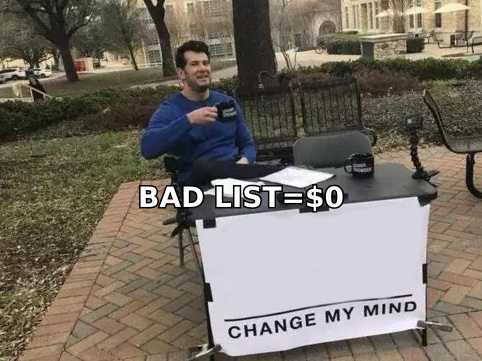
- No dialer fixes a bad list. Connect rates live or die on phone-number accuracy, which is a data problem, not a telephony problem.
What is Knowlarity, and who actually uses it?#
Knowlarity is a cloud communications platform founded in 2009, best known in India and Southeast Asia for hosted IVR, virtual numbers, click-to-call, call tracking, and number masking. Gupshup acquired it in 2021, folding voice into a broader conversational-messaging stack.
The typical Knowlarity customer is an Indian mid-market company running inbound support or outbound tele-sales: an edtech admissions team, a lending collections floor, a healthcare appointment desk, a logistics dispatch line. The product is strong on the things that matter in that context — toll-free and virtual numbers, multi-level IVR, call recording, agent routing, and masked calls for marketplace privacy.
It is less strong as a modern sales engagement tool. If your reps live inside HubSpot or Salesforce and expect every call, disposition, and recording to sync back automatically with rich activity logging, you'll hit the edges fast.
Why do teams look for Knowlarity alternatives?#
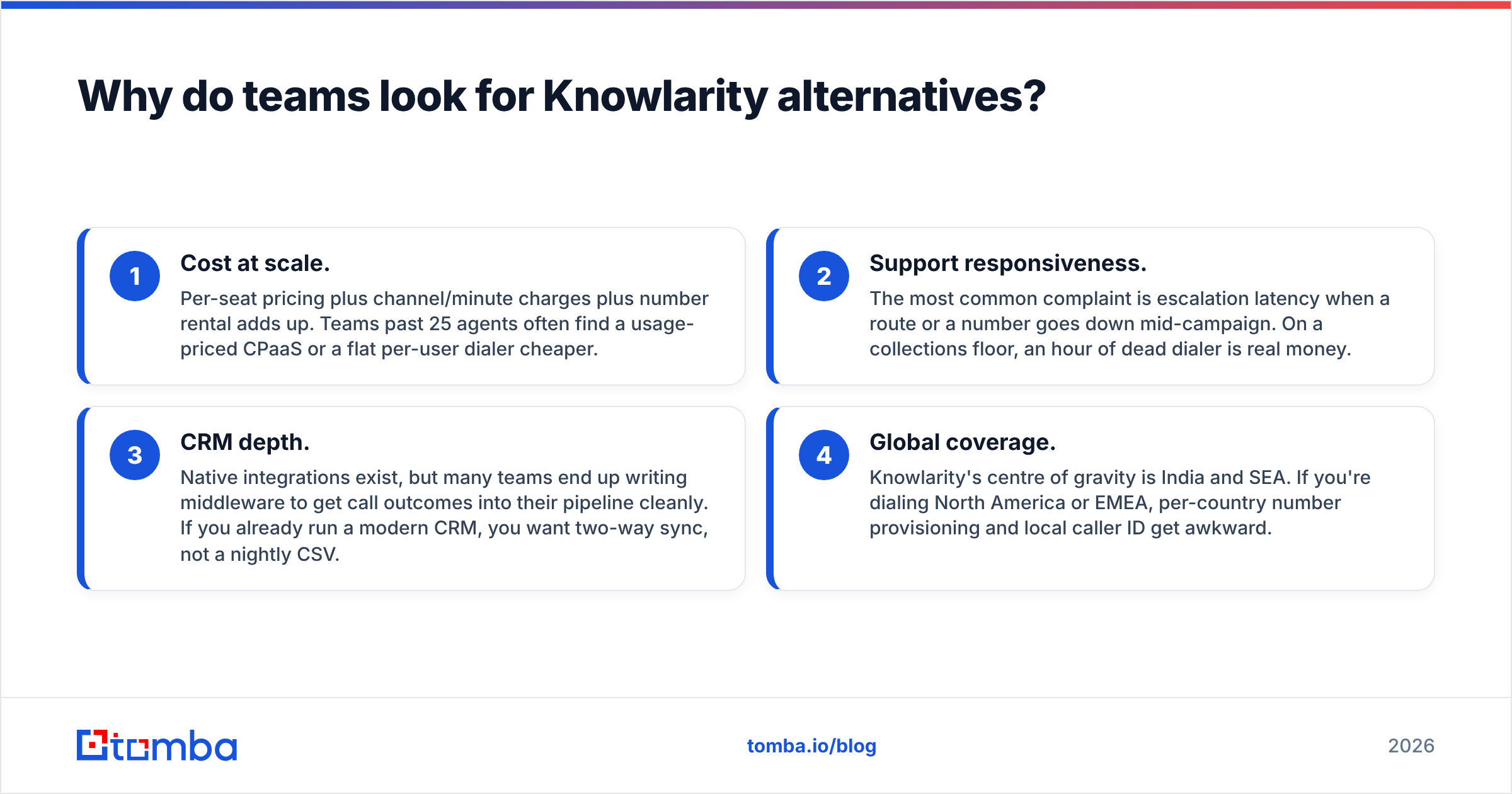
Four reasons come up repeatedly in G2 reviews and switching conversations:
- Cost at scale. Per-seat pricing plus channel/minute charges plus number rental adds up. Teams past 25 agents often find a usage-priced CPaaS or a flat per-user dialer cheaper.
- Support responsiveness. The most common complaint is escalation latency when a route or a number goes down mid-campaign. On a collections floor, an hour of dead dialer is real money.
- CRM depth. Native integrations exist, but many teams end up writing middleware to get call outcomes into their pipeline cleanly. If you already run a modern CRM, you want two-way sync, not a nightly CSV.
- Global coverage. Knowlarity's centre of gravity is India and SEA. If you're dialing North America or EMEA, per-country number provisioning and local caller ID get awkward.
None of these make Knowlarity a bad product. They make it a specific product — and specificity is exactly why alternatives exist.
What should you compare before switching?#
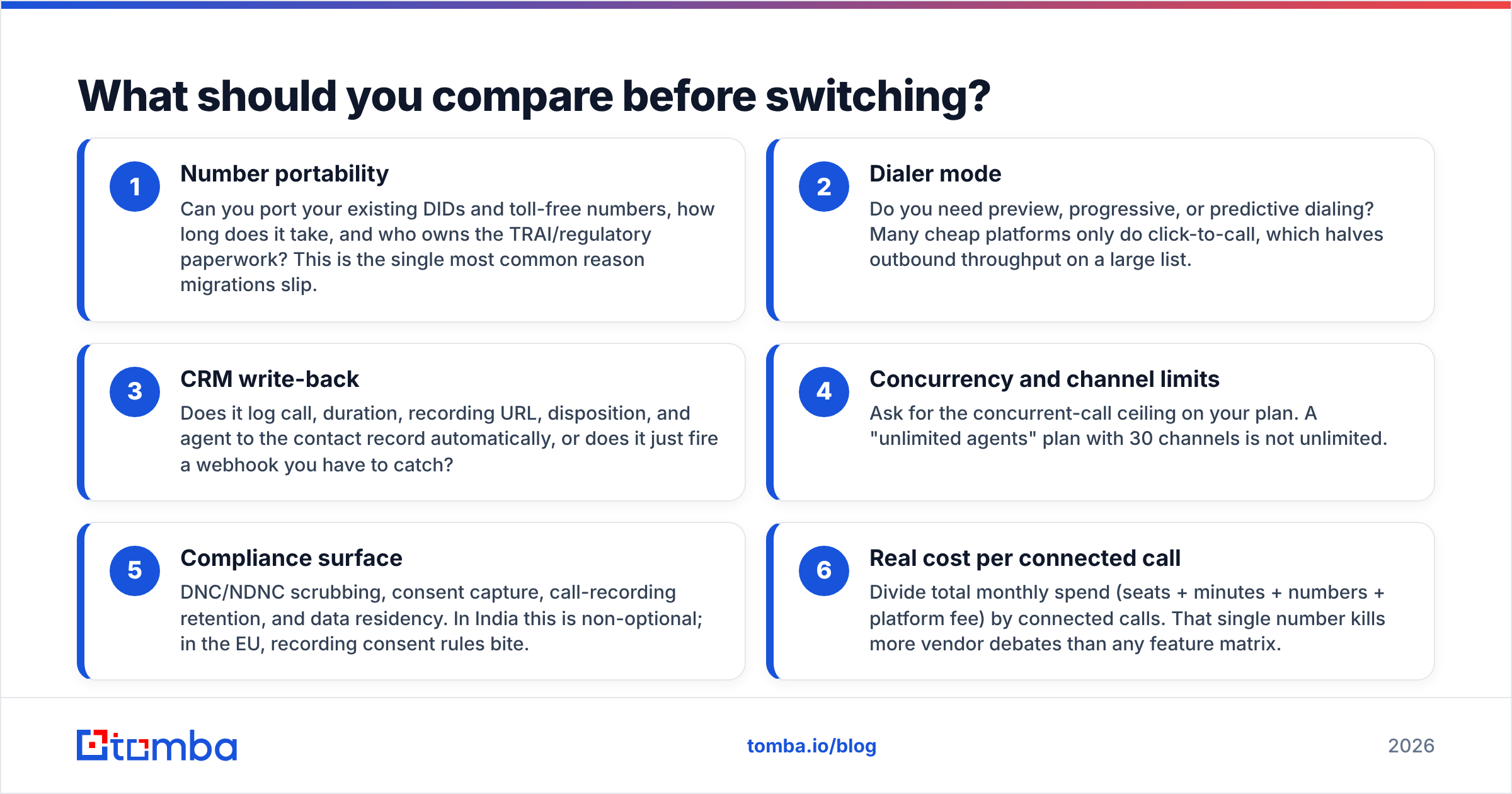
Run every shortlist candidate through these six checks before you look at a single price page:
- Number portability — Can you port your existing DIDs and toll-free numbers, how long does it take, and who owns the TRAI/regulatory paperwork? This is the single most common reason migrations slip.
- Dialer mode — Do you need preview, progressive, or predictive dialing? Many cheap platforms only do click-to-call, which halves outbound throughput on a large list.
- CRM write-back — Does it log call, duration, recording URL, disposition, and agent to the contact record automatically, or does it just fire a webhook you have to catch?
- Concurrency and channel limits — Ask for the concurrent-call ceiling on your plan. A "unlimited agents" plan with 30 channels is not unlimited.
- Compliance surface — DNC/NDNC scrubbing, consent capture, call-recording retention, and data residency. In India this is non-optional; in the EU, recording consent rules bite.
- Real cost per connected call — Divide total monthly spend (seats + minutes + numbers + platform fee) by connected calls. That single number kills more vendor debates than any feature matrix.
What are the best Knowlarity alternatives in 2026?#
Exotel#
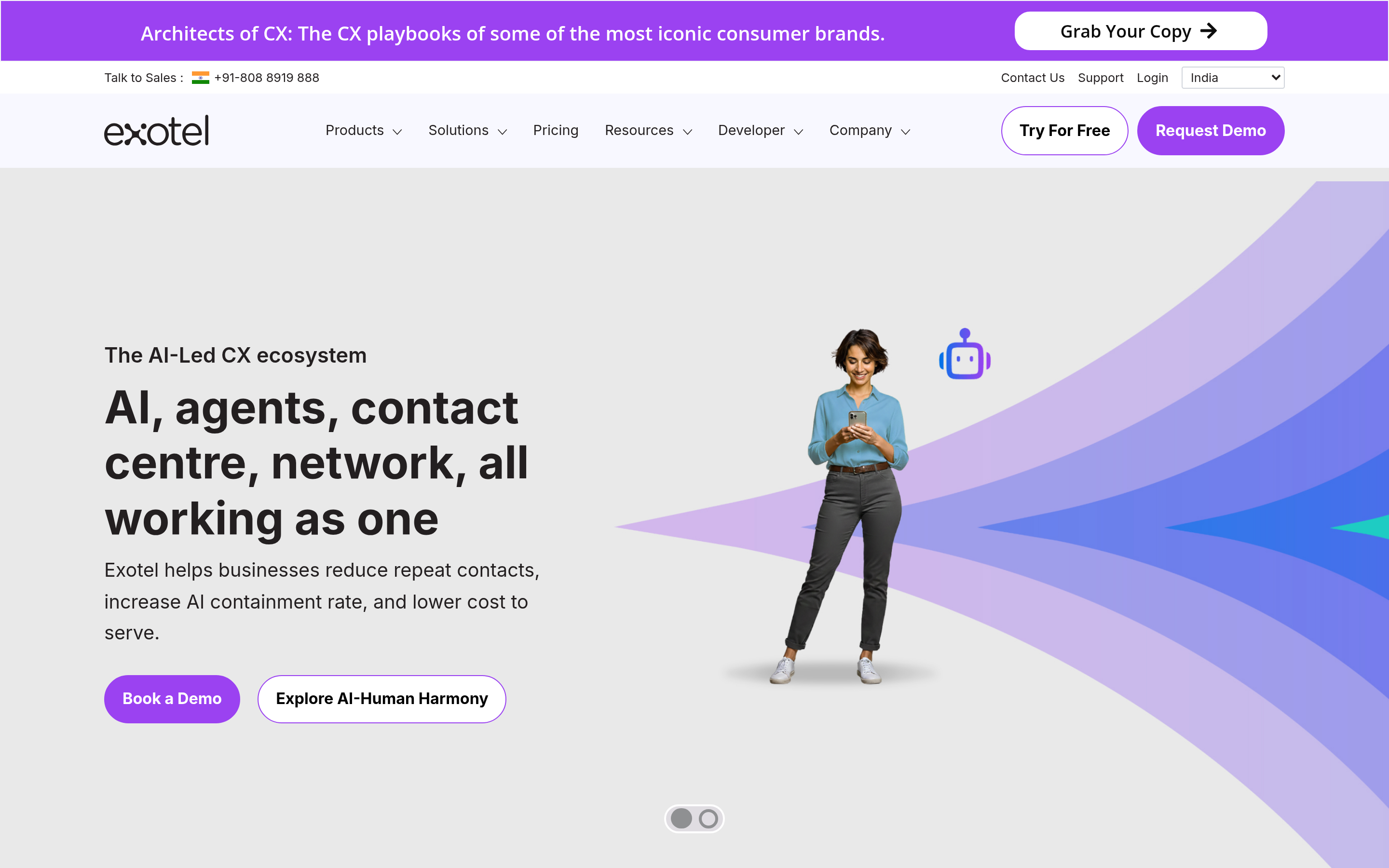
The most direct India-first replacement. Exotel runs a large voice and SMS platform, acquired contact-centre vendor Ameyo, and now sells a full CCaaS stack rather than just virtual numbers. Strong uptime record, solid API docs, good number-masking support for marketplaces. Best fit: mid-market to enterprise Indian teams that want one vendor for voice, SMS, and contact centre.
Ozonetel#
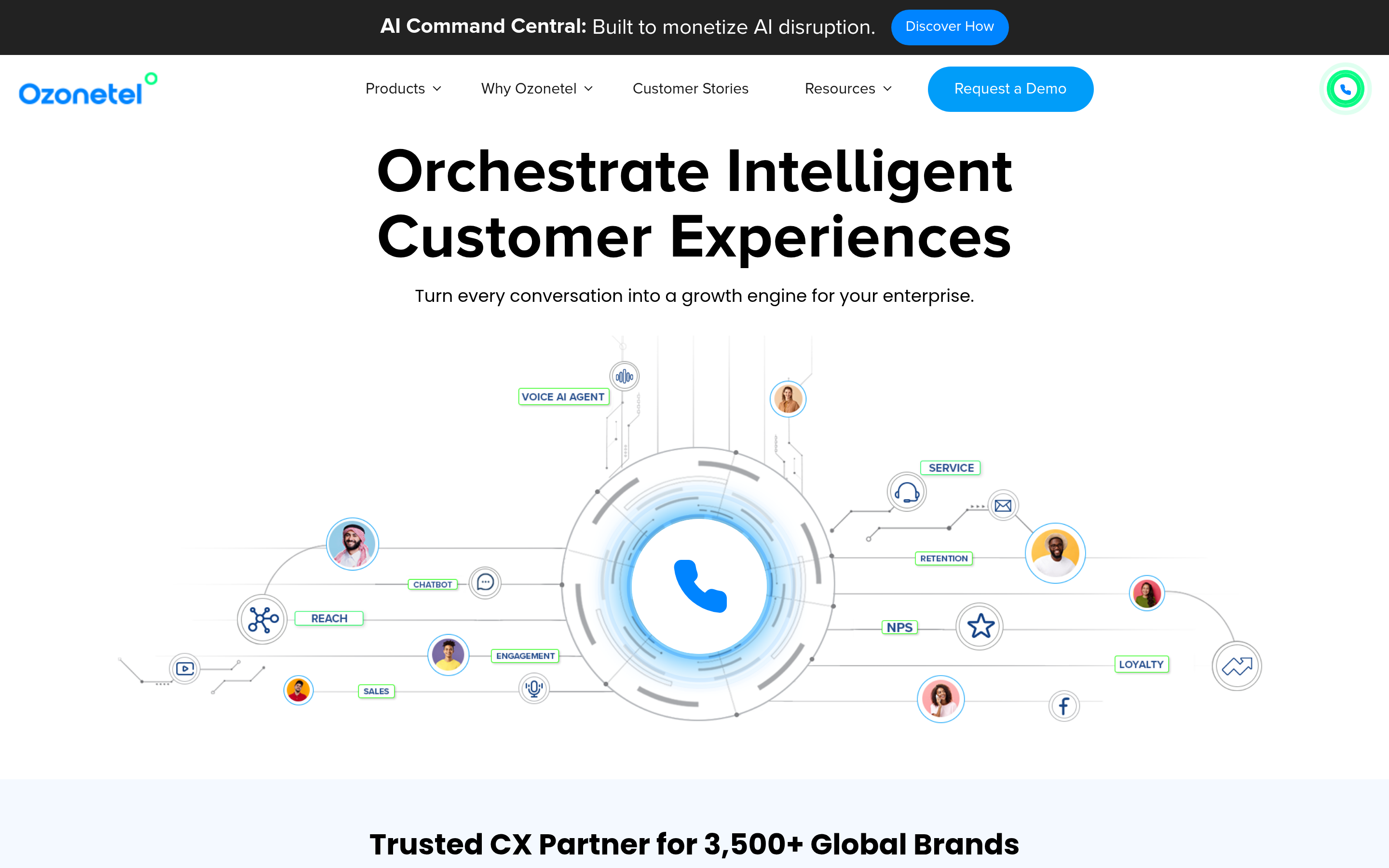
A contact-centre-first platform (CloudAgent) with genuinely good predictive dialing, real-time supervisor dashboards, and quality monitoring. If your pain is outbound throughput and agent management rather than number provisioning, Ozonetel usually out-features Knowlarity. Best fit: 30+ seat outbound floors.
MyOperator#
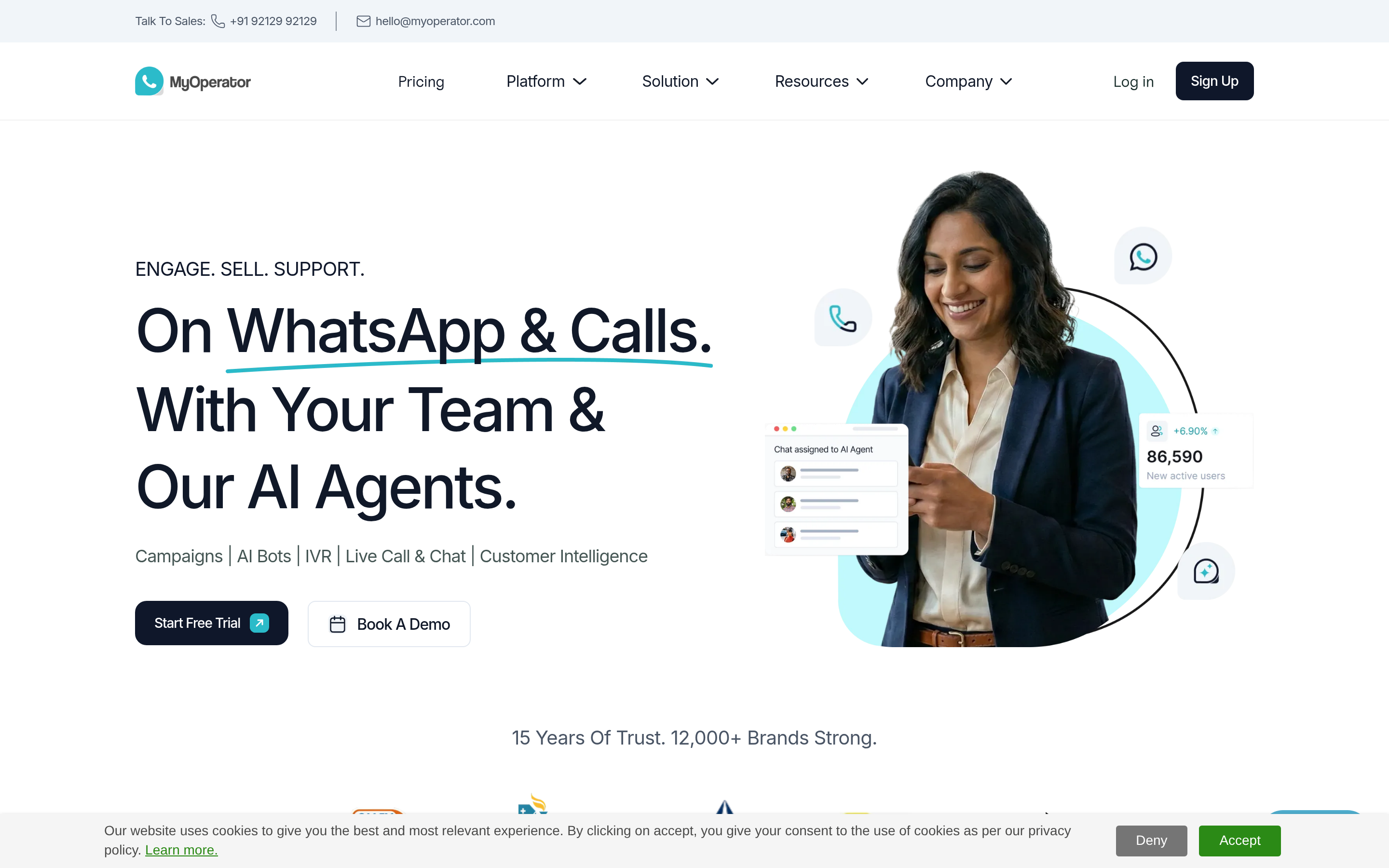
The budget-friendly IVR and call-management option. Clean UI, fast setup, good for teams that mostly need call routing, recording, and basic reporting without a full contact-centre build. Best fit: SMBs replacing a Knowlarity entry plan.
Acefone#
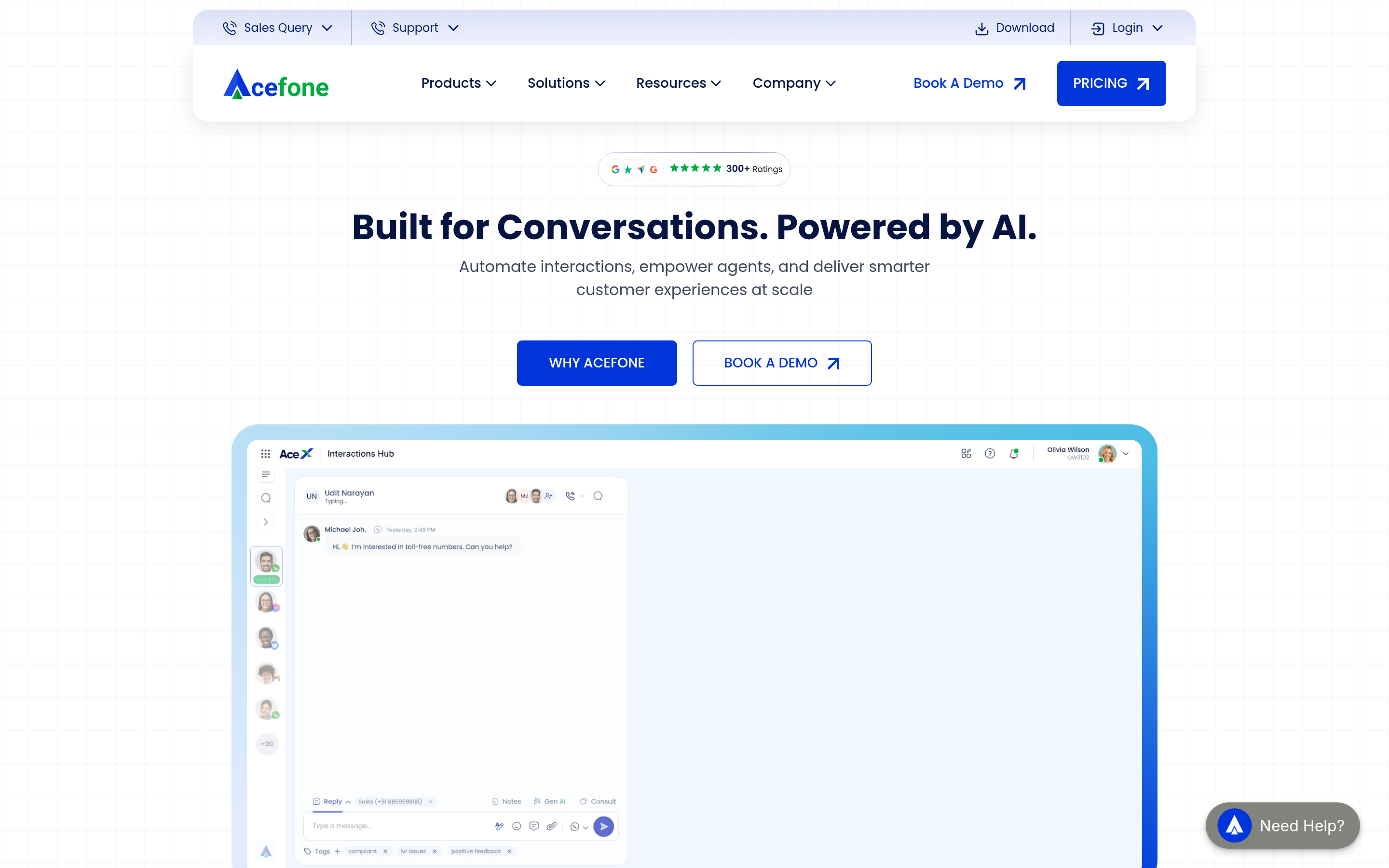
Per-user cloud PBX with international numbers, hosted phone system features, and a usable dialer. Sits between "virtual number vendor" and "full CCaaS." Best fit: teams that want a business phone system plus light outbound.
CallHippo#
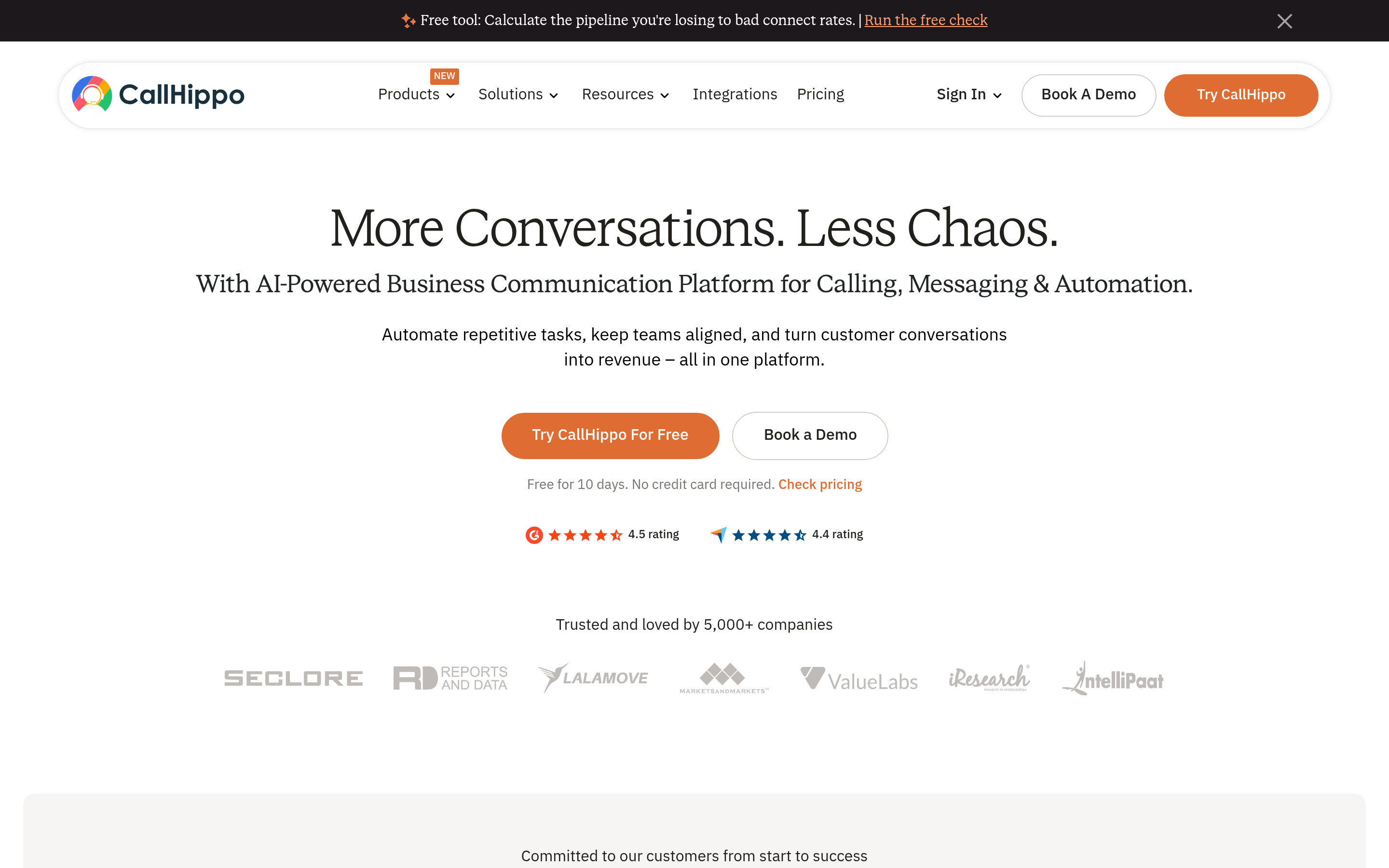
Per-user VoIP with numbers in 50+ countries, power dialer, and decent integration coverage. Popular with small distributed sales teams that need a US or UK presence without an enterprise contract. Best fit: SDR pods under 20 seats.
JustCall#

Sales-engagement-shaped telephony: dialer, SMS, workflow automation, AI call summaries, and deep HubSpot/Pipedrive/Salesforce sync. Costs more per seat than the India-first options but removes most middleware. Best fit: revenue teams where the CRM is the system of record.
Aircall#
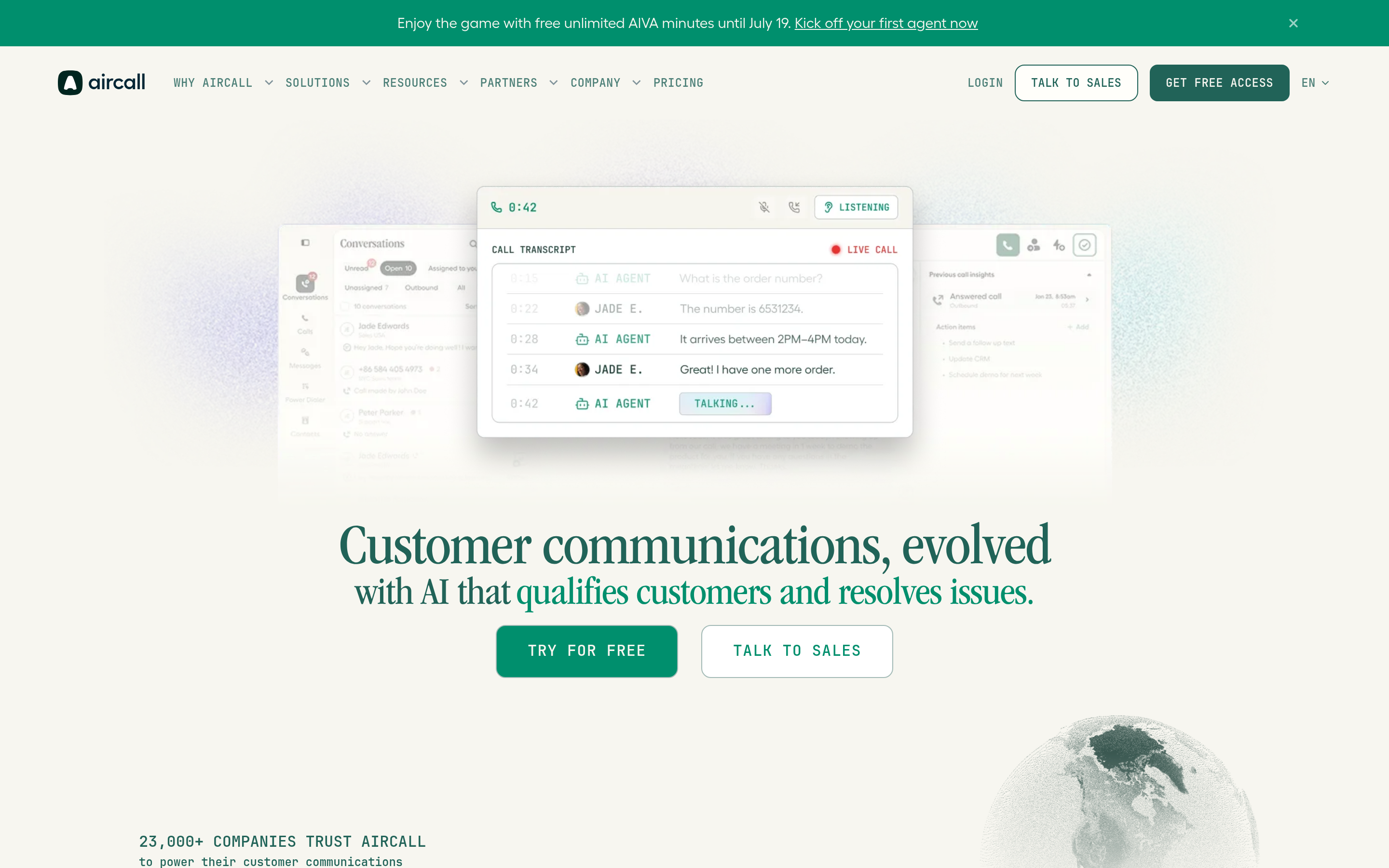
Polished, reliable, integration-heavy business phone system. Expensive per seat with a minimum user count, but onboarding is fast and admins like it. Best fit: funded startups and support teams in NA/EMEA.
Twilio#
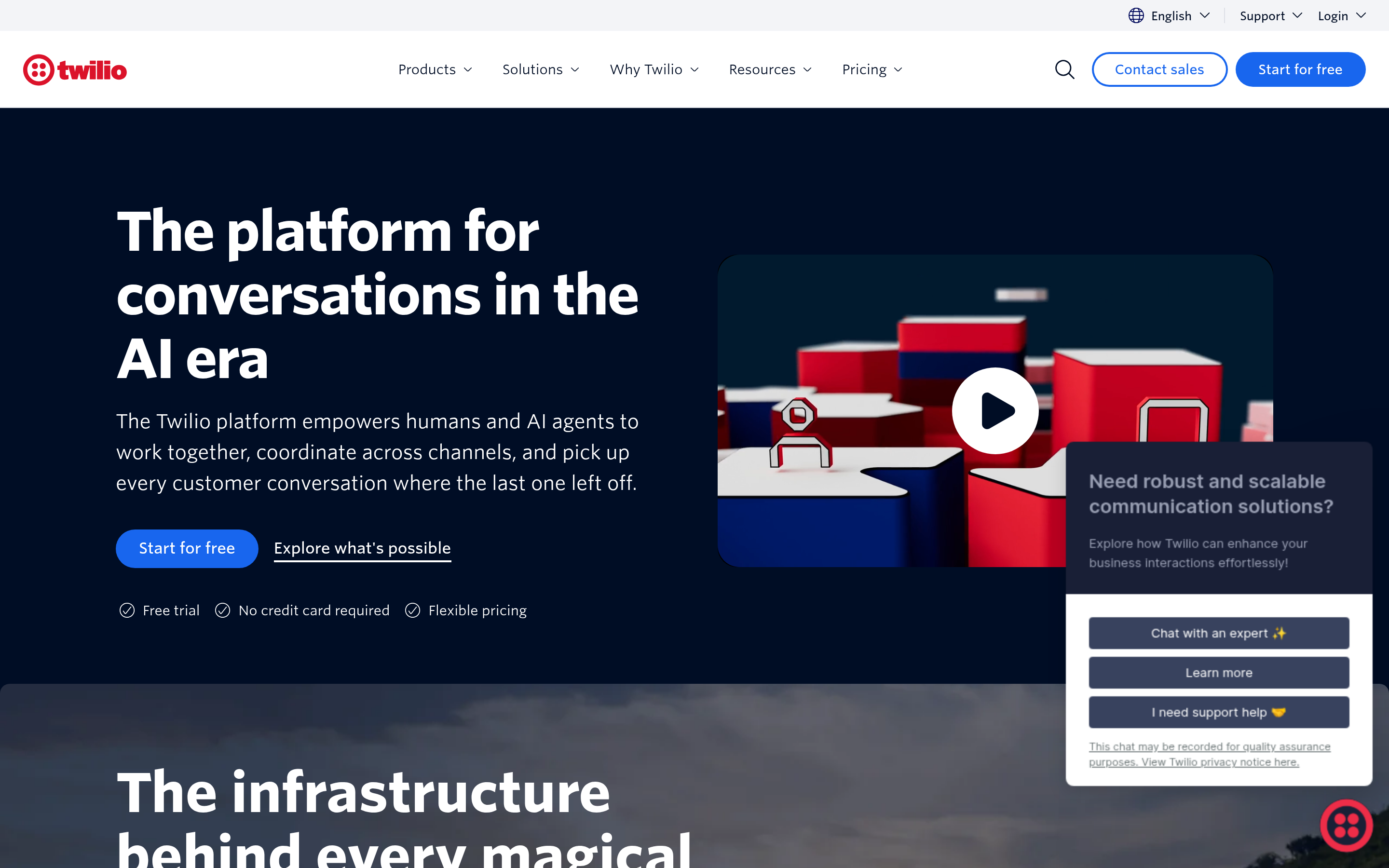
Not a product — a toolkit. Twilio gives you programmable voice, numbers, and SIP with pay-as-you-go pricing and no seat licences. You build the IVR, the dialer UI, and the reporting. Best fit: teams with engineering capacity who want exact control and marginal-cost pricing.
Zoho Voice#
The cheapest credible option if you already live in Zoho. Native telephony inside Zoho CRM and Desk, low per-user cost, minimal setup. Weakest on advanced dialer modes. Best fit: existing Zoho shops.
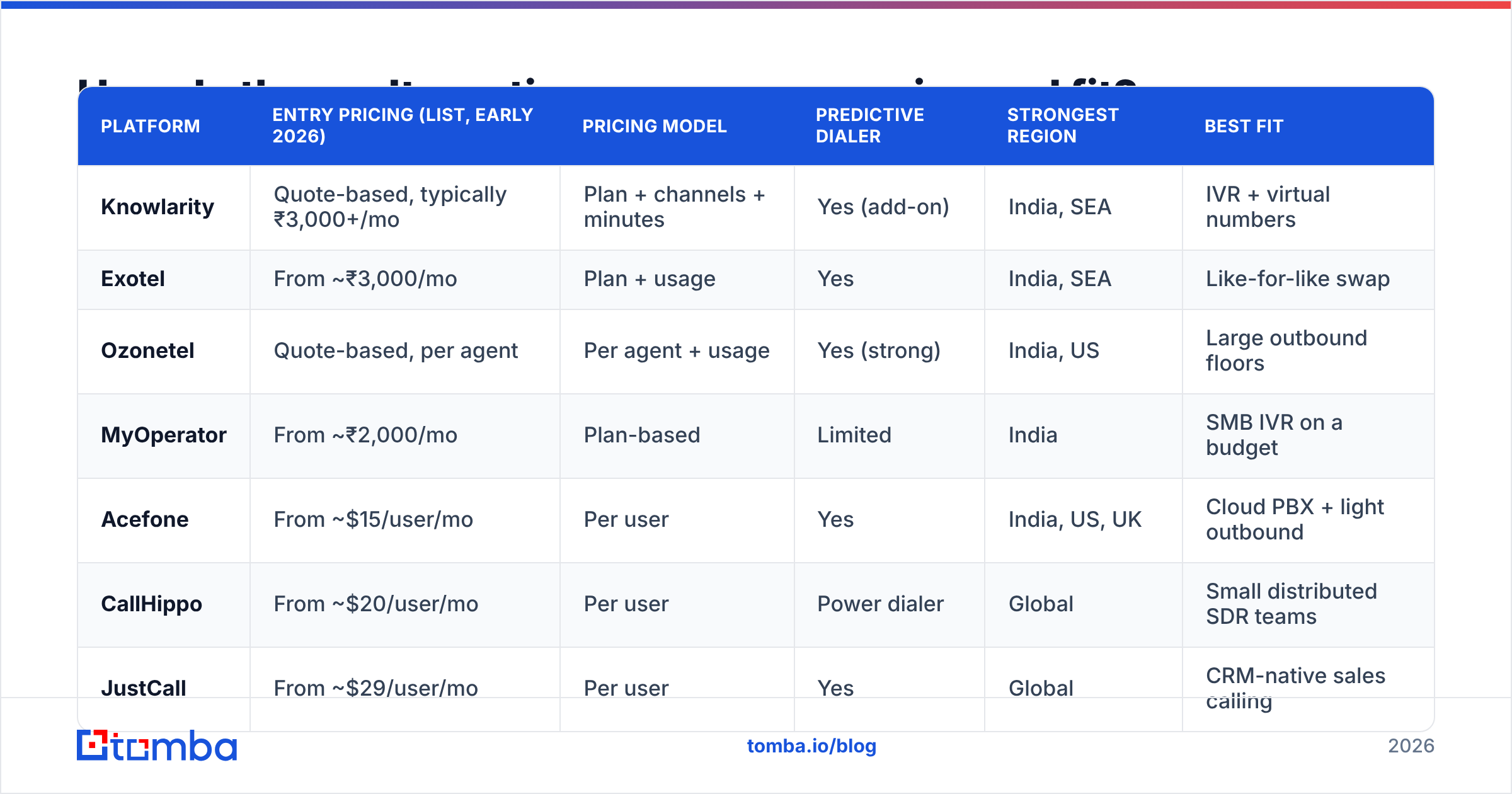
How do these alternatives compare on price and fit?#
| Platform | Entry pricing (list, early 2026) | Pricing model | Predictive dialer | Strongest region | Best fit |
|---|---|---|---|---|---|
| Knowlarity | Quote-based, typically ₹3,000+/mo | Plan + channels + minutes | Yes (add-on) | India, SEA | IVR + virtual numbers |
| Exotel | From ~₹3,000/mo | Plan + usage | Yes | India, SEA | Like-for-like swap |
| Ozonetel | Quote-based, per agent | Per agent + usage | Yes (strong) | India, US | Large outbound floors |
| MyOperator | From ~₹2,000/mo | Plan-based | Limited | India | SMB IVR on a budget |
| Acefone | From ~$15/user/mo | Per user | Yes | India, US, UK | Cloud PBX + light outbound |
| CallHippo | From ~$20/user/mo | Per user | Power dialer | Global | Small distributed SDR teams |
| JustCall | From ~$29/user/mo | Per user | Yes | Global | CRM-native sales calling |
| Aircall | From ~$30/user/mo (3-user min) | Per user | Power dialer | NA, EMEA | Support + inside sales |
| Twilio | Pay-as-you-go per minute/number | Usage only | Build it yourself | Global | Engineering-led teams |
Prices are published list rates at the time of writing and change often — always confirm on the vendor's own pricing page before you build a business case. Almost every vendor on this list discounts annual contracts, and almost none publish the concurrency ceiling without being asked.
Is Exotel better than Knowlarity?#
For most Indian mid-market teams, Exotel is the safer default in 2026 — but "better" depends on what you're optimising.
Exotel wins on breadth (voice + SMS + WhatsApp + contact centre under one roof), platform maturity, and enterprise support depth. Knowlarity wins when your use case is narrow and already working: simple multi-level IVR, call tracking on marketing numbers, and number masking. Ripping out a working IVR to gain features you won't configure is a bad trade.
The honest test: list the three things your telephony stack does every single day. If Knowlarity does all three without a ticket, the migration ROI probably isn't there. If one of them regularly breaks or requires manual export, start the evaluation.
What breaks when you switch cloud telephony?#
Five things, in the order they bite:
- Number porting delays. Regulatory porting in India routinely takes two to four weeks. Run both platforms in parallel; do not schedule a hard cutover.
- IVR logic drift. Nobody has current documentation of their own IVR tree. Export the call flow, screenshot every node, and rebuild deliberately — then test every branch with real handsets.
- Recording archives. Old recordings usually don't migrate. Pull your retention-required archive out before the contract ends, not after.
- CRM field mapping. Disposition codes, call outcomes, and agent IDs rarely map one-to-one. Decide the target schema first, then map into it.
- Agent muscle memory. A new softphone costs you roughly a week of throughput. Train before cutover, not during.
Where does contact data fit into all this?#
Here's the part most platform comparisons skip: the dialer is downstream of the list.
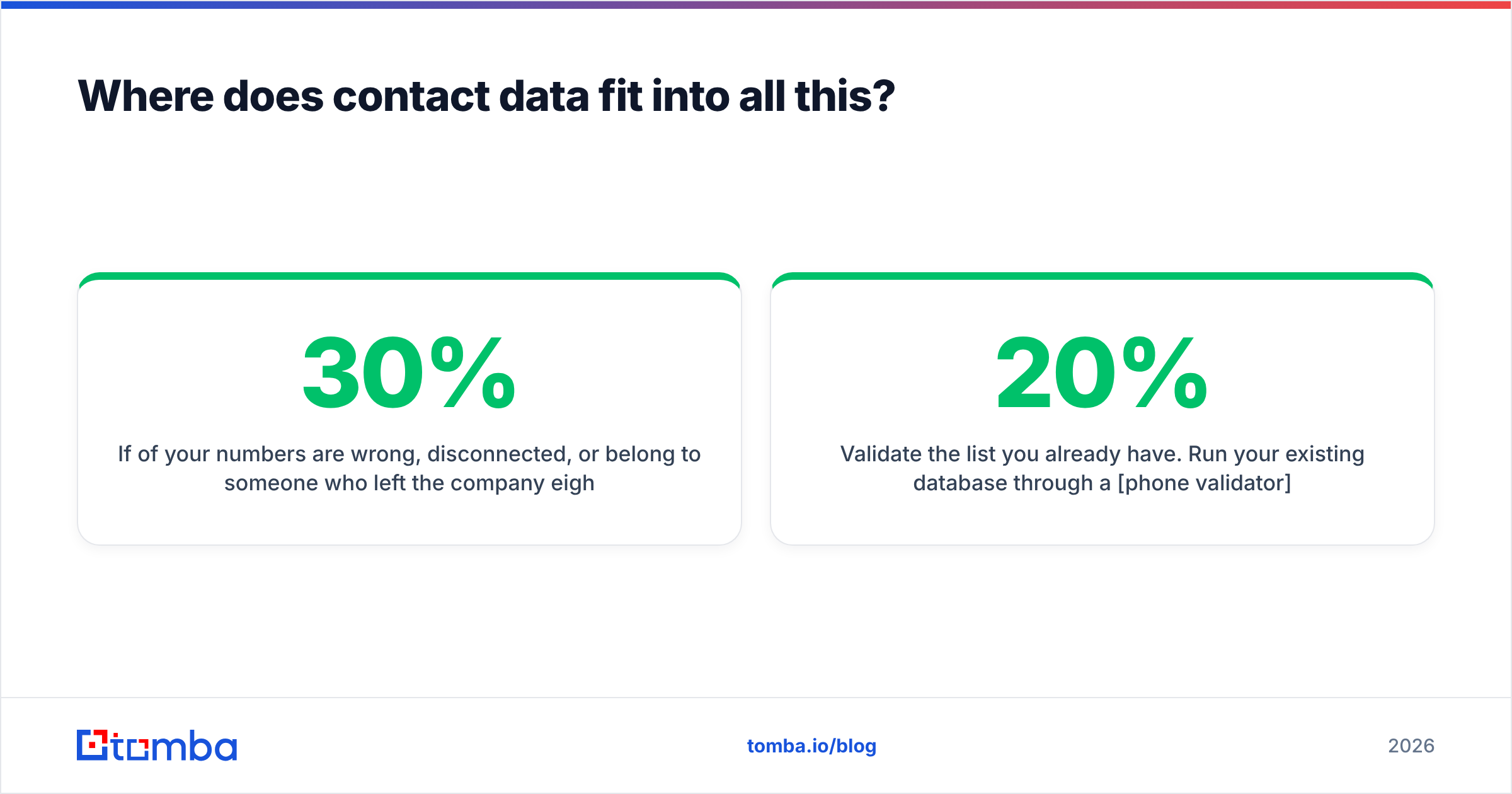
If 30% of your numbers are wrong, disconnected, or belong to someone who left the company eighteen months ago, no amount of predictive dialing fixes your connect rate. You just burn agent hours faster and — worse — you push your caller ID toward spam-flag territory with every failed attempt.
Two practical moves before you spend a rupee more on telephony:
Validate the list you already have. Run your existing database through a phone validator to strip disconnected lines, invalid formats, and wrong-country numbers. A 20% list cleanup usually beats a 20% feature upgrade on connect rate.
Enrich the gaps instead of buying more rows. When you have a company and a name but no reachable contact, a phone finder fills the gap directly, and contact enrichment can backfill titles, company size, and email so your reps know who they're calling before the line connects.
The sequencing matters. Clean data first, then pick the platform, then tune the dialer. Teams that do it in the reverse order end up paying enterprise prices to dial garbage efficiently.
Which Knowlarity alternative should you pick?#
Short version, by situation:
- Indian mid-market, want the safest swap: Exotel.
- High-volume outbound floor, 30+ agents: Ozonetel.
- SMB on a tight budget, IVR-first: MyOperator or Acefone.
- Global SDR team living in a CRM: JustCall.
- Support-heavy team in NA/EMEA: Aircall.
- You have engineers and want marginal-cost pricing: Twilio.
- You already run Zoho: Zoho Voice, and stop shopping.
Run a two-week paid pilot with your actual list and your actual agents on the top two. Measure connected calls per agent-hour, not demo impressions. Vendors optimise demos; pilots optimise for you.
Start with the data layer, not the dialer#
Whichever platform you land on, your outbound results are capped by the quality of the contacts you feed it — and most teams calling a list are also emailing it. Use Tomba Email Finder to build verified, multi-channel contact records for the accounts you're already dialing, so a missed call becomes a follow-up email instead of a dead end. There's a free tier at 25 searches a month to test your own list, with paid plans starting at $49/mo — see Tomba pricing for the full breakdown. Fix the list first; the dialer decision gets a lot easier after that.
Related guides#
// get started
Find, verify and enrich your first contacts today
Start on the free plan with 25 searches a month, then scale when your team is ready.
Free plan · No credit card required · GDPR & CCPA
// about the author