9 Best DialerAI Alternatives in 2026 for Sales Teams
DialerAI is a capable AI dialer, but it isn't the only option — and it isn't the cheapest. Here are 9 DialerAI alternatives compared on pricing, features, and the data that actually powers every call.
DialerAI can push a lot of calls out the door, but "AI dialer" is now a crowded category — and the tool that dials is only half the job. If the numbers you feed it are stale, no amount of automation saves the campaign. This guide breaks down the nine strongest DialerAI alternatives for 2026, what each one is actually good at, and where the real bottleneck usually hides.
TL;DR#
- DialerAI is solid for outbound call automation, but it's priced and built for call centers — not every SMB or B2B sales team needs that weight.
- The best alternative depends on your motion: power dialers (PhoneBurner, Kixie), parallel dialers (Orum, Nooks), and full cloud phone systems (Aircall, JustCall, CloudTalk) solve different problems.
- Every dialer lives or dies on contact data. A cheaper dialer plus accurate numbers beats a premium dialer calling dead lines.
- Tomba sits underneath your dialer, supplying verified B2B phone numbers and emails so your connect rate isn't capped by bad data.
- Expect to pay $20–$150 per seat/month for dialers; budget separately for the data layer that feeds them.
What is DialerAI, and why look for alternatives?#
DialerAI is an AI-assisted outbound calling platform aimed at call centers and high-volume outbound teams. It handles predictive and auto-dialing, voice broadcasting, and campaign management, and it leans on automation to keep agents talking instead of waiting on ring time.
That's genuinely useful. But teams outgrow or bounce off DialerAI for a few predictable reasons:
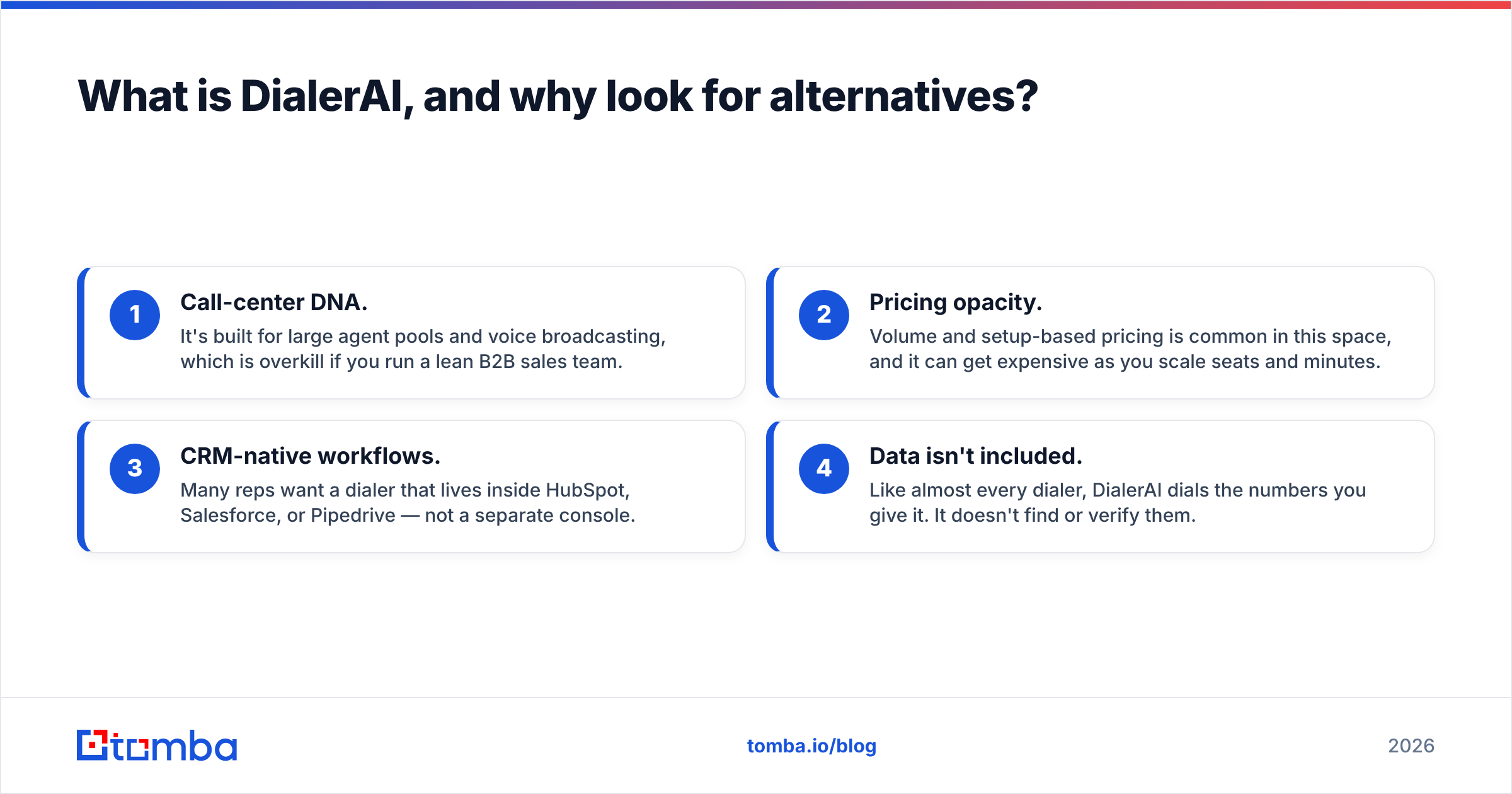
- Call-center DNA. It's built for large agent pools and voice broadcasting, which is overkill if you run a lean B2B sales team.
- Pricing opacity. Volume and setup-based pricing is common in this space, and it can get expensive as you scale seats and minutes.
- CRM-native workflows. Many reps want a dialer that lives inside HubSpot, Salesforce, or Pipedrive — not a separate console.
- Data isn't included. Like almost every dialer, DialerAI dials the numbers you give it. It doesn't find or verify them.
That last point is the one most buyers underrate. Switching dialers rarely fixes a low connect rate — bad phone data does. Before you migrate, it's worth checking whether your problem is the dialer or the list.
What should you look for in a DialerAI alternative?#
Not every "AI dialer" competes on the same axis. Score candidates against the criteria that match your motion:
- Dialer type — Single-line power dialers keep one live call at a time; parallel/predictive dialers ring several numbers at once and connect you to whoever picks up. Parallel dialing multiplies connects but needs clean lists to stay compliant and human.
- CRM integration depth — Native two-way sync with your CRM beats a Zapier bridge. Look for automatic call logging, click-to-call from records, and disposition sync.
- Local presence & number management — Local caller ID lifts pickup rates; spam-flag monitoring keeps your numbers healthy.
- Coaching & AI features — Live listen, whisper, call transcription, and AI summaries turn calls into pipeline data.
- Pricing model — Flat per-seat is easier to forecast than per-minute or volume tiers.
- Data quality — The dialer's ceiling is your list's floor. This is where most teams leak connects.
Keep that last bullet in mind as you read the comparison — it reframes the whole shortlist.
Which are the best DialerAI alternatives in 2026?#
Here's the shortlist, grouped by what each tool is actually best at.
1. PhoneBurner — best power dialer for SMBs#
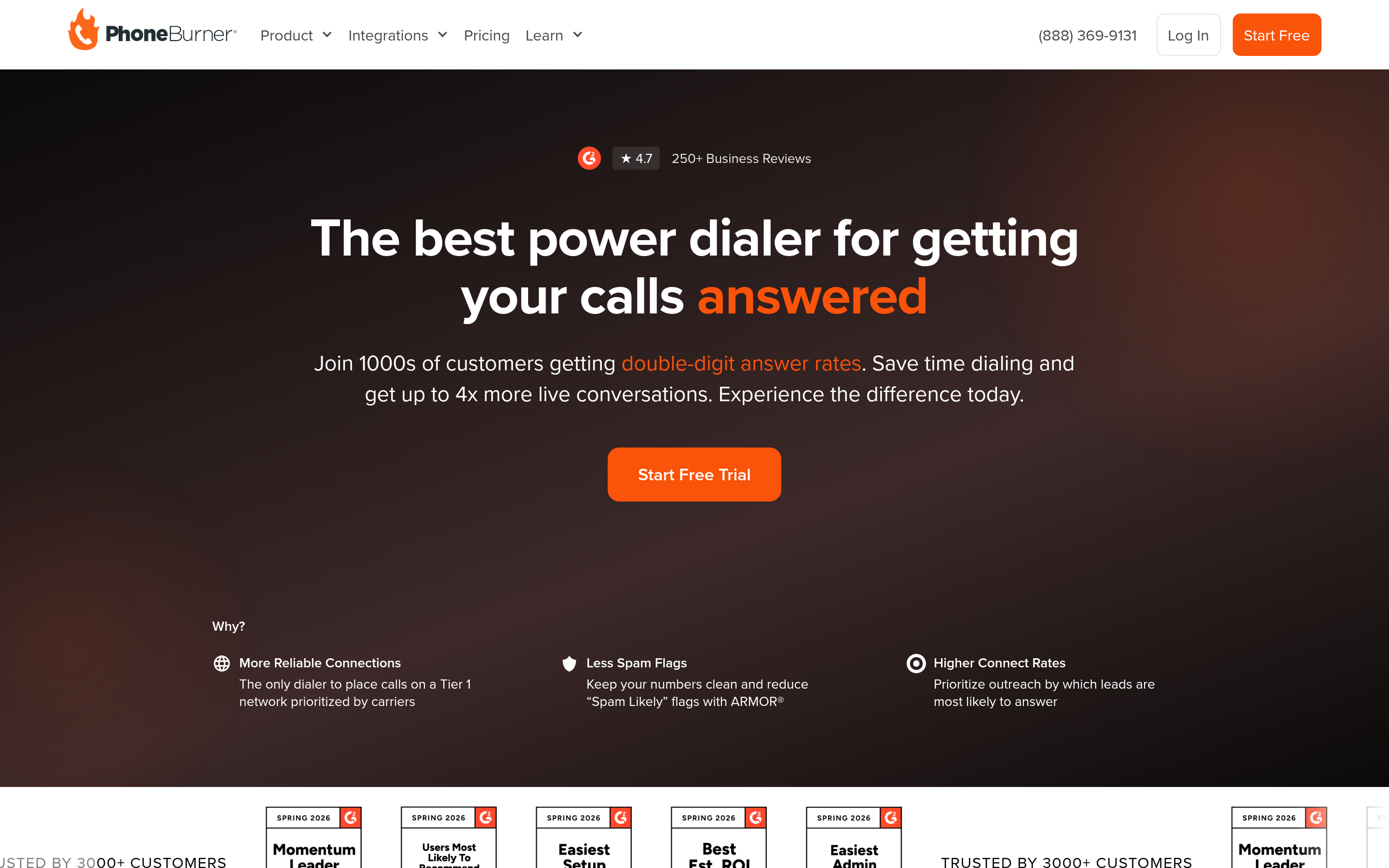
PhoneBurner is a single-line power dialer with a strong reputation for simplicity and deliverability tooling. Reps load a list, hit start, and the tool handles dialing, voicemail drops, and email follow-up. No predictive guesswork means fewer awkward connect delays. Great for teams that value conversation quality over raw dial volume.
2. Orum — best parallel dialer for high-volume outbound#
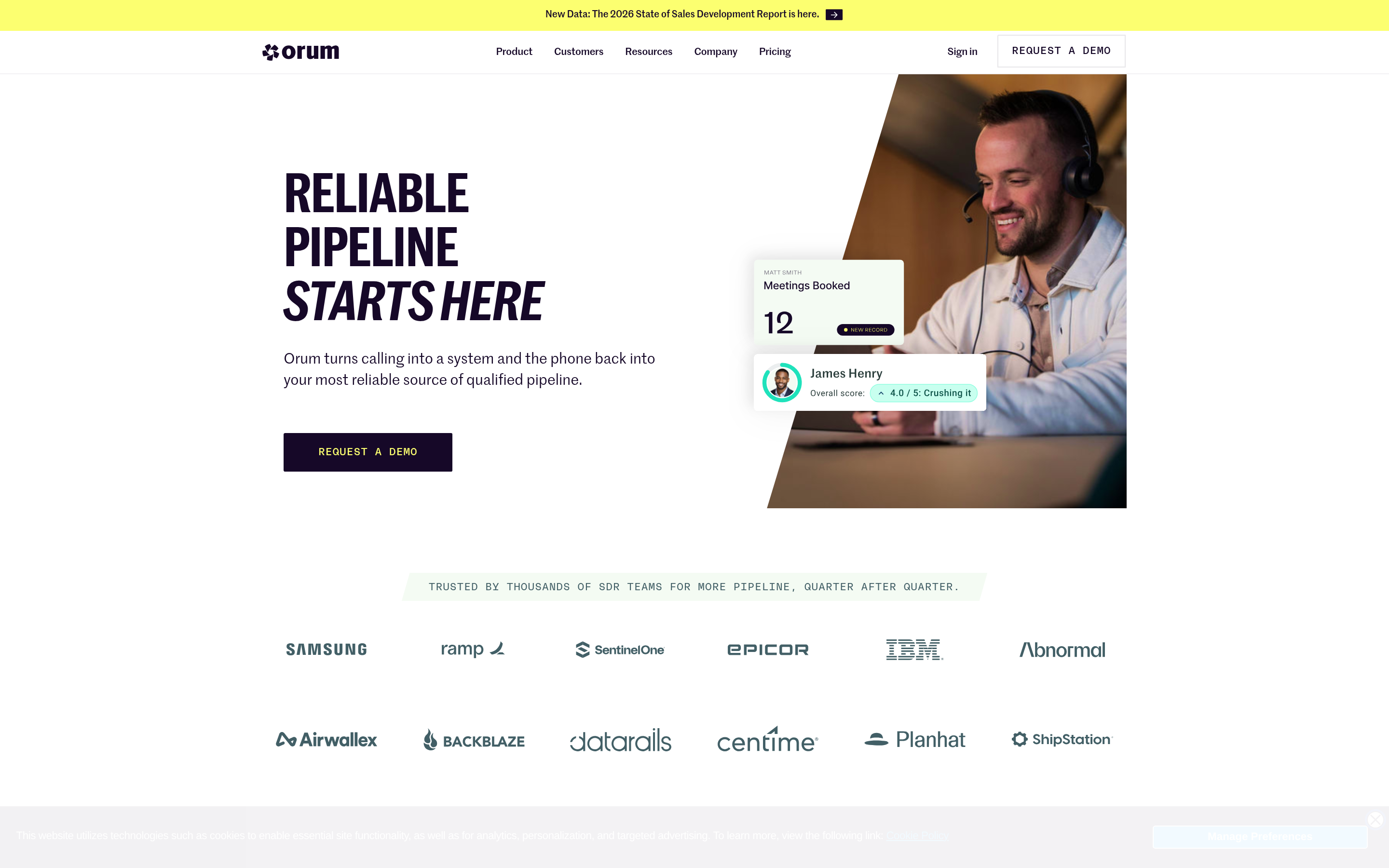
Orum dials multiple lines in parallel and only routes a live human to the rep, cutting dead ring time dramatically. It's a favorite of SDR teams chasing connect volume. The trade-off: parallel dialing burns through lists fast, so data accuracy matters more here than anywhere.
3. Nooks — best AI-powered virtual sales floor#
Nooks combines a parallel dialer with a "virtual sales floor" for coaching, plus AI call analysis. It's built for modern SDR orgs that want live collaboration and post-call intelligence in one place.
4. Kixie — best for CRM-native calling#
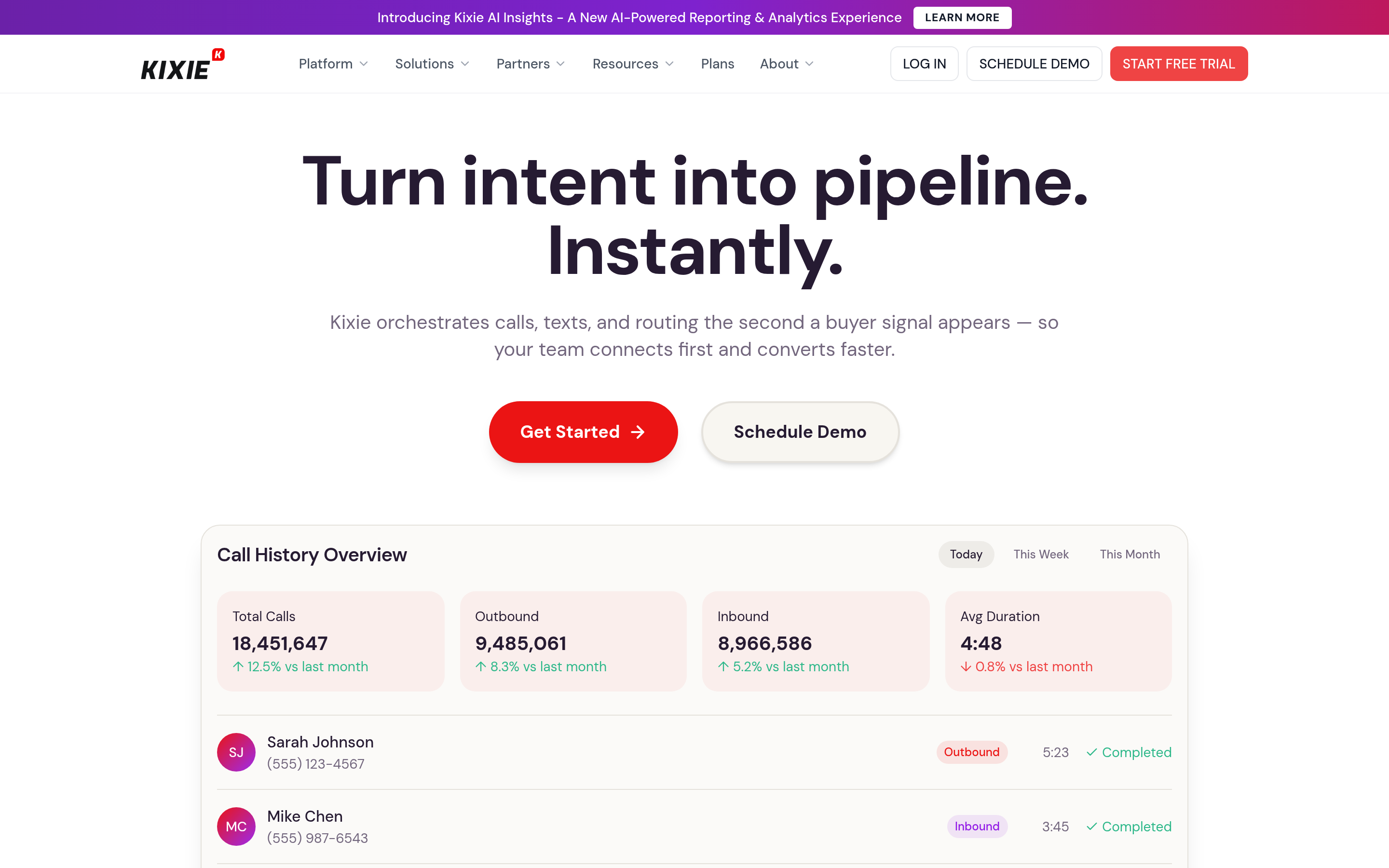
Kixie shines on tight HubSpot, Pipedrive, and Salesforce integration with local presence and automated workflows. Click-to-call from any CRM record, auto-logged calls, and SMS in the same thread. A strong middle-ground for revenue teams.
5. JustCall — best all-in-one for SMS + voice#

JustCall bundles calling, SMS, and workflow automation with wide CRM support. Good for teams that run multi-channel outbound and want one number system for calls and texts.
6. Aircall — best cloud phone system#
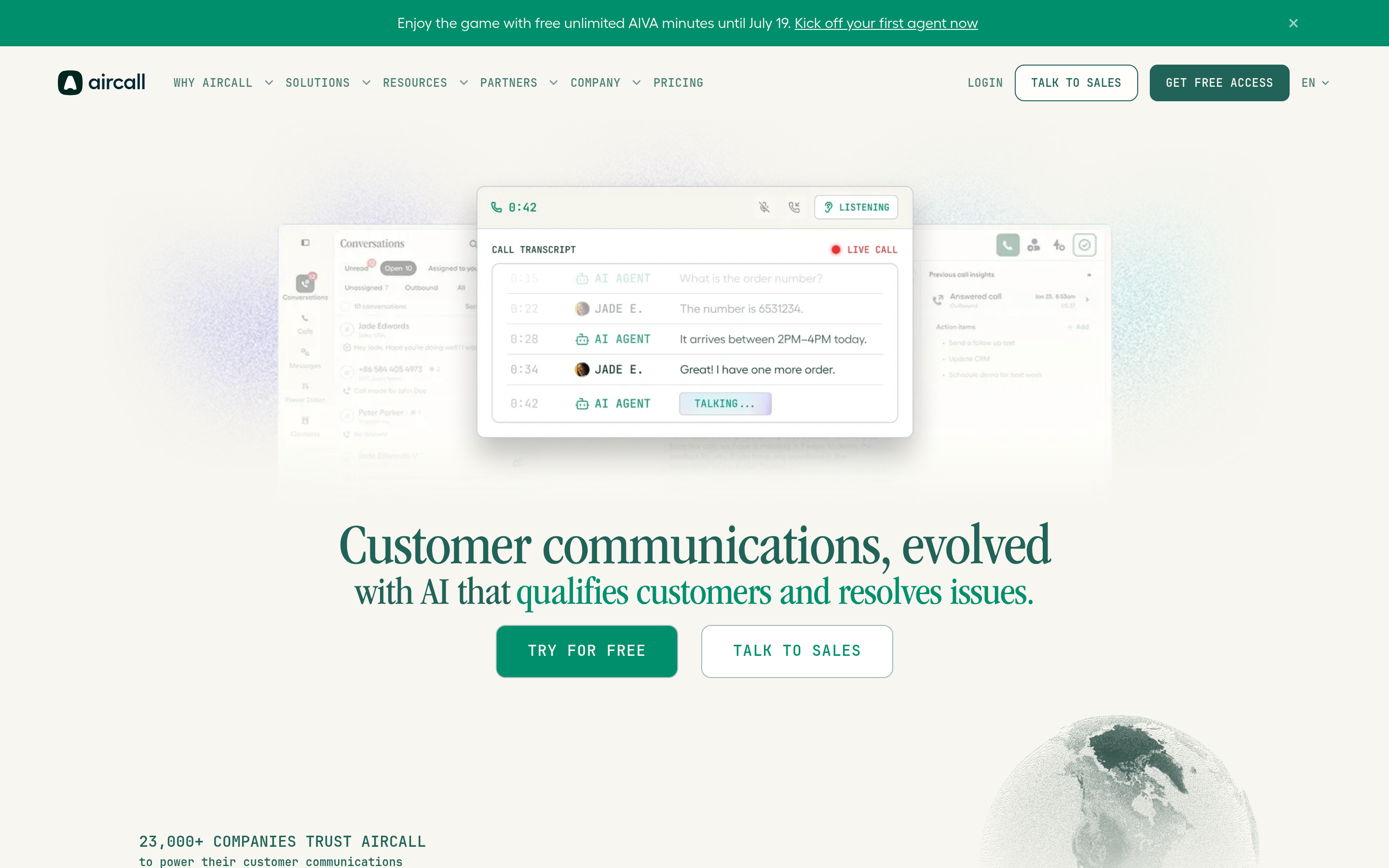
Aircall is a full cloud PBX with call center features, an app marketplace, and clean analytics. Less "SDR power dialer," more "business phone system with sales features." Ideal if you also need support and ops calling.
7. CloudTalk — best for international teams#
CloudTalk offers international numbers in 160+ countries, smart routing, and solid analytics. A fit for teams selling across regions that need local numbers everywhere.
8. Dialpad — best for AI voice intelligence#
Dialpad's real-time transcription and AI coaching are among the best in the category. If in-call AI and post-call summaries are your priority, it's a strong pick.
9. Tomba — best data layer to power any dialer#
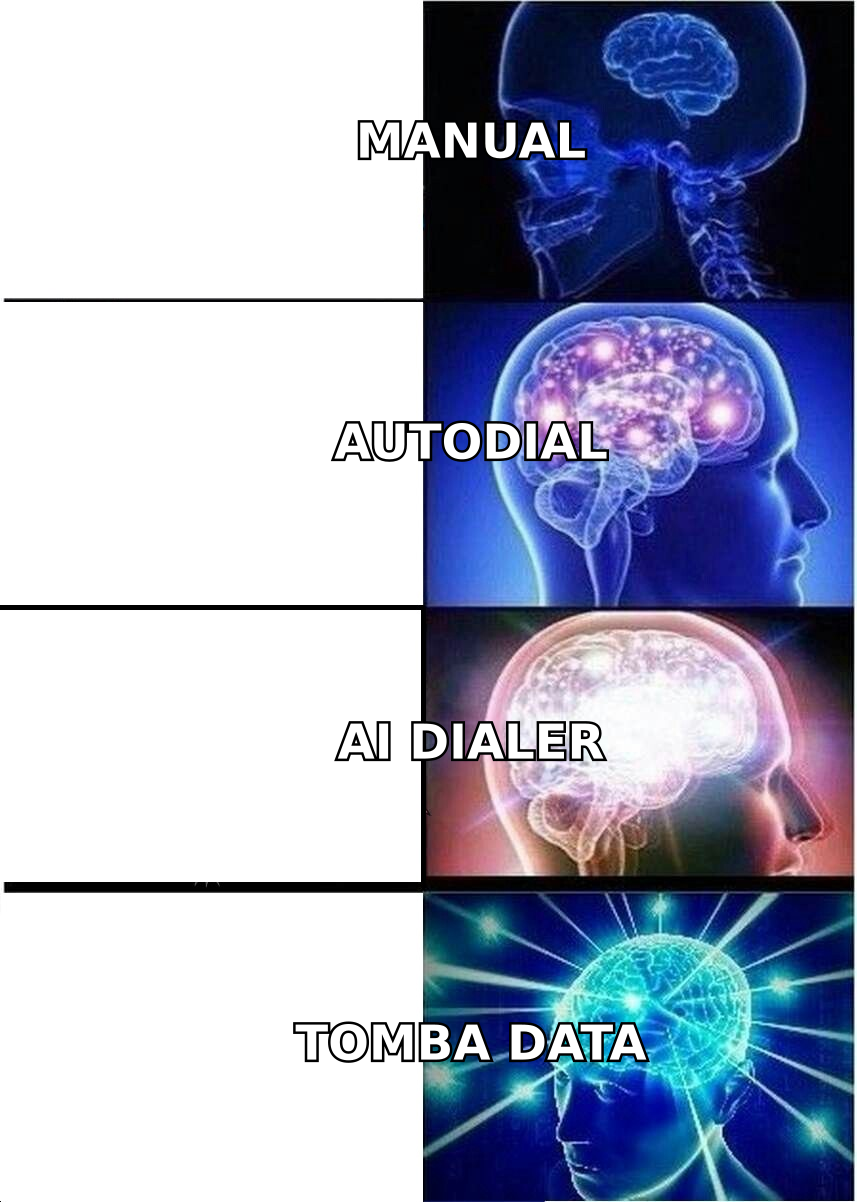
Here's the one that changes the math. Tomba isn't a dialer — it's the verified contact data that every dialer above depends on. Use Tomba's phone finder and data enrichment to feed accurate B2B numbers and emails into whichever dialer you choose, then validate phone numbers before you burn dials on dead lines. A cheaper dialer with Tomba data will out-connect a premium dialer running a stale list.
How do the DialerAI alternatives compare on price and features?#
Dialers vary more on model than on sticker price. Here's the practical breakdown:
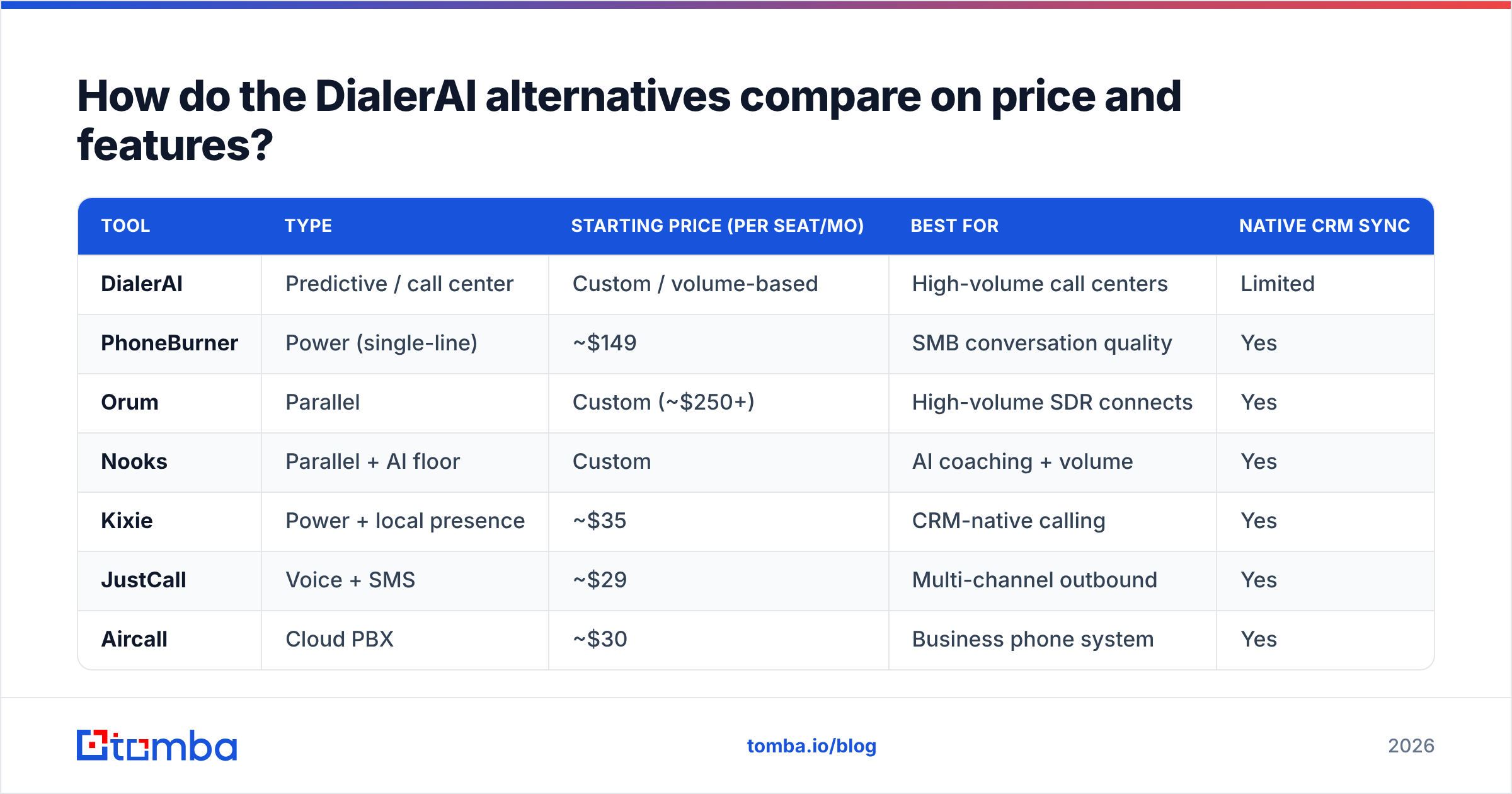
| Tool | Type | Starting price (per seat/mo) | Best for | Native CRM sync |
|---|---|---|---|---|
| DialerAI | Predictive / call center | Custom / volume-based | High-volume call centers | Limited |
| PhoneBurner | Power (single-line) | ~$149 | SMB conversation quality | Yes |
| Orum | Parallel | Custom (~$250+) | High-volume SDR connects | Yes |
| Nooks | Parallel + AI floor | Custom | AI coaching + volume | Yes |
| Kixie | Power + local presence | ~$35 | CRM-native calling | Yes |
| JustCall | Voice + SMS | ~$29 | Multi-channel outbound | Yes |
| Aircall | Cloud PBX | ~$30 | Business phone system | Yes |
| CloudTalk | Cloud PBX | ~$25 | International teams | Yes |
| Dialpad | AI voice | ~$27 | In-call AI intelligence | Yes |
| Tomba | Data layer | Free tier, then $49 | Feeding any dialer clean data | Yes (API + integrations) |
Prices are indicative list rates for 2026 and shift with contract terms; confirm on each vendor's page. Note the pattern: the dialers cluster between $25 and $150 per seat, and none of them include the contact data. That's a separate line item — and the one that determines whether the seat pays for itself.
You can check current Tomba pricing directly; the free tier gives 25 searches a month to test data quality before you commit.
Why does contact data decide your dialer's ROI?#
Think of your dialer like a high-end espresso machine. It can be the best machine on the market, but if the beans are stale, the coffee is bad — the machine never gets the chance to shine. Your dialer is the machine; your contact list is the beans.
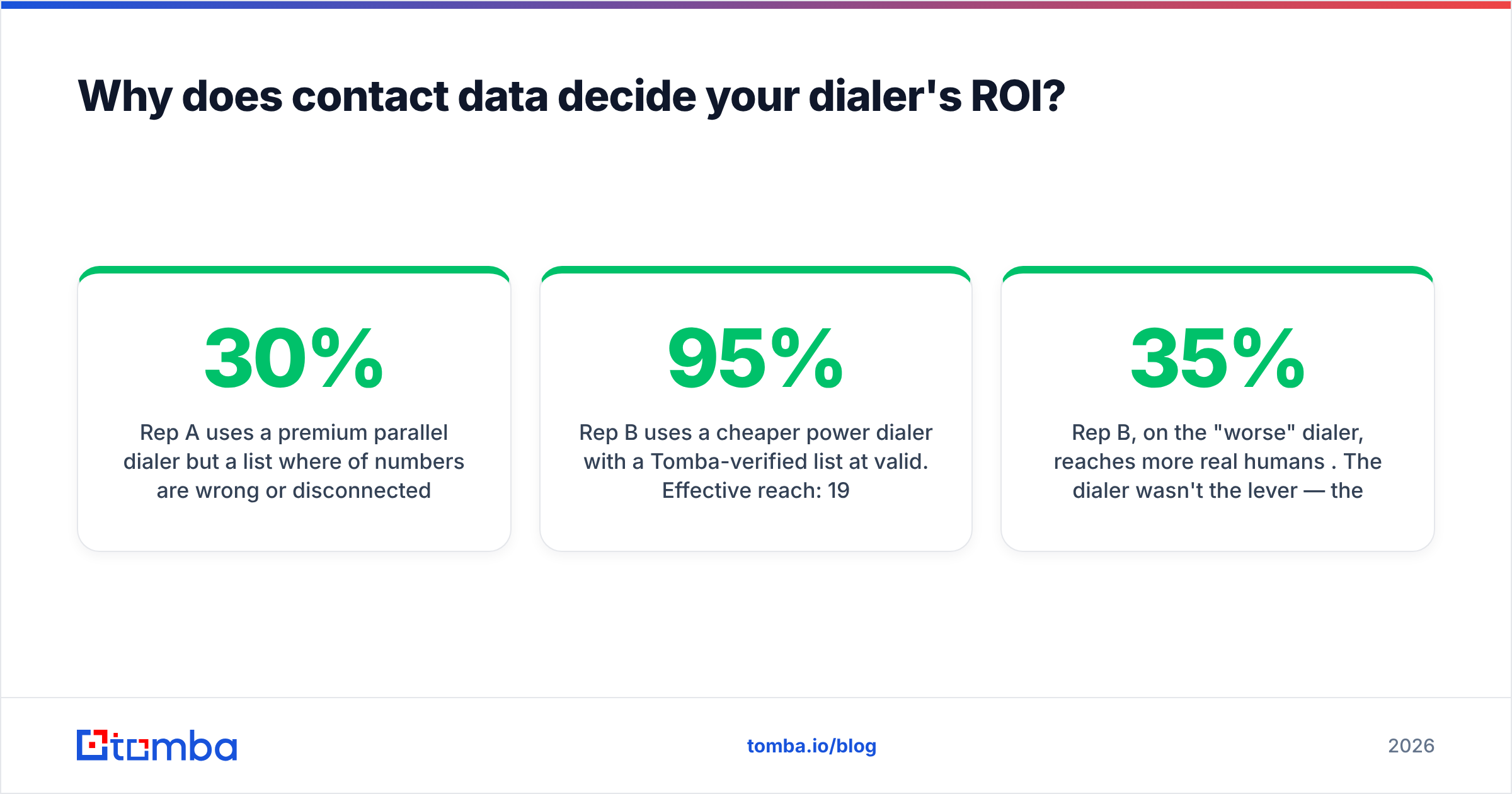
Here's the math that gets ignored. Say two SDRs each make 200 dials a day:
- Rep A uses a premium parallel dialer but a list where 30% of numbers are wrong or disconnected. Effective reach: 140 real numbers.
- Rep B uses a cheaper power dialer with a Tomba-verified list at 95% valid. Effective reach: 190 real numbers.
Rep B, on the "worse" dialer, reaches 35% more real humans per day. The dialer wasn't the lever — the data was.

This is why the smartest outbound teams decouple the two decisions. Pick the dialer that fits your motion and budget, then bolt a serious data layer underneath it. Tomba's phone finder surfaces direct-dial B2B numbers, its email finder covers the multichannel follow-up every cold call needs, and enrichment fills in title, company, and firmographics so reps personalize instead of guessing. For a deeper look at how connect rates and follow-through are measured, HubSpot's sales research is a useful neutral reference, and G2's dialer category is good for cross-checking real user reviews.
How do you choose the right DialerAI alternative?#
Match the tool to your motion, not the hype:
- Lean B2B team, quality over volume → PhoneBurner or Kixie. Simple, CRM-native, predictable pricing.
- High-volume SDR org chasing connects → Orum or Nooks. Parallel dialing pays off only with clean lists.
- Multi-channel (calls + SMS) → JustCall.
- You also need a full business phone system → Aircall or CloudTalk.
- In-call AI and coaching are the priority → Dialpad or Nooks.
- You suspect data — not the dialer — is the problem → Fix the list first with Tomba, then re-evaluate whether you even need to switch.
That last option saves teams the most money. A dialer migration is disruptive; a data upgrade is a config change. Understanding your true response rate before and after a data cleanup tells you which problem you actually have. For background on how predictive and parallel dialing differ under the hood, the Wikipedia entry on predictive dialers is a clear, neutral primer.
Is DialerAI still worth it?#
Yes — for the right buyer. If you run a genuine high-volume call center with large agent pools and need voice broadcasting, DialerAI's feature set earns its place. But for most B2B sales teams in 2026, one of the lighter, CRM-native, per-seat alternatives above will be cheaper, faster to deploy, and easier to run.
Whatever you pick, remember the one thing no dialer includes: accurate contact data. That's the variable that separates a busy dial log from a full pipeline.
Frequently asked questions#
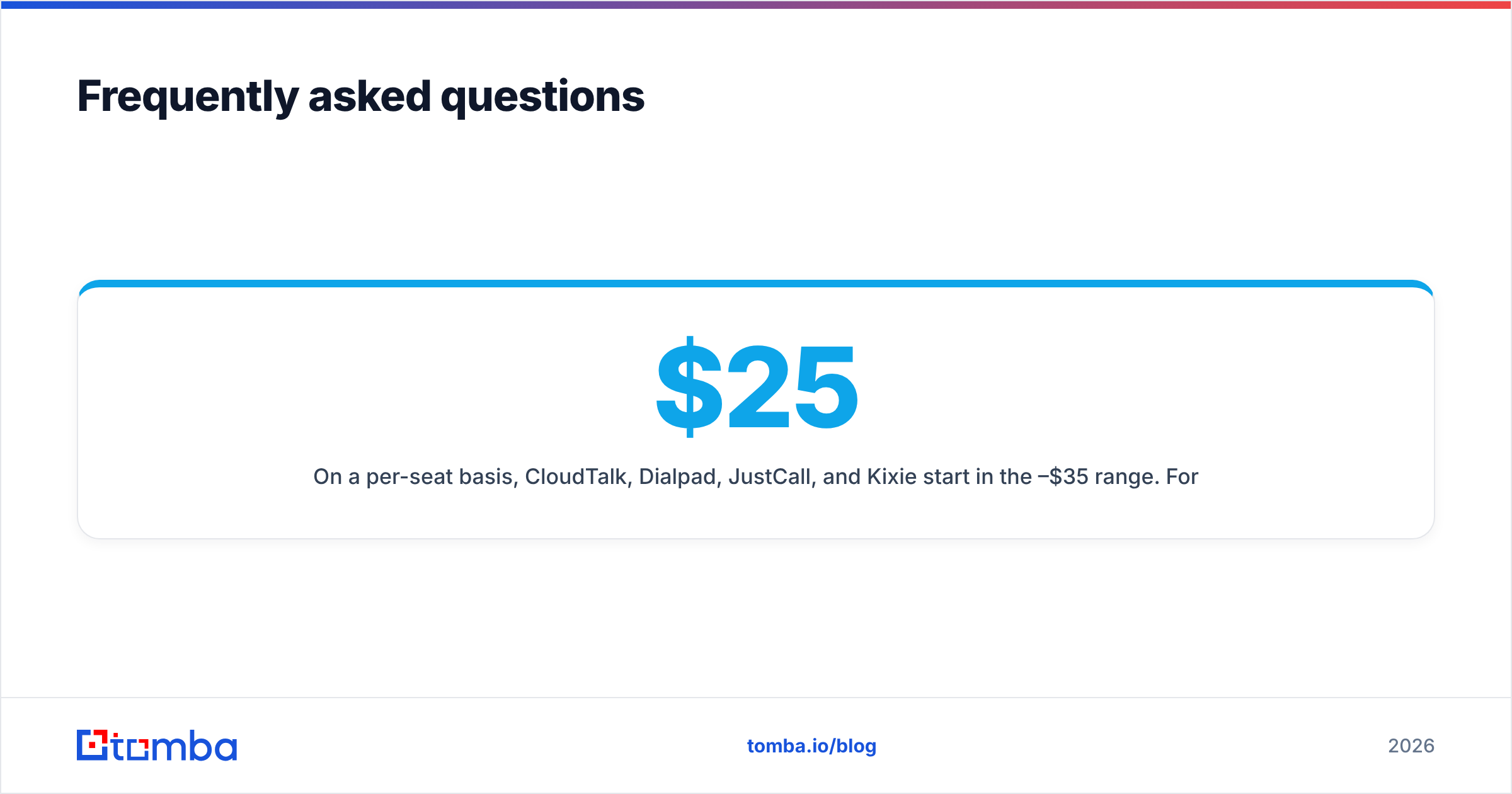
What is the cheapest DialerAI alternative? On a per-seat basis, CloudTalk, Dialpad, JustCall, and Kixie start in the $25–$35 range. For the data that feeds them, Tomba offers a free tier and paid plans from $49/month.
Do I need both a dialer and a data provider? Almost always, yes. Dialers place calls; they don't find or verify numbers. Pairing a dialer with a phone validator and bulk lead generation is what keeps connect rates high.
Which alternative integrates best with my CRM? Kixie, JustCall, and Aircall are known for deep native CRM sync. Tomba's data plugs into the same stack through its API and integrations, so enrichment happens where your reps already work.
The bottom line#
The best DialerAI alternative isn't a single product — it's the right dialer for your motion plus a data layer that keeps it fed. Get the dialer decision right, then make sure every number it calls is real.
Start with the data. Run your target accounts through the Tomba Email Finder and phone finder, verify before you dial, and watch your connect rate climb no matter which dialer you keep. Spin up a free account, test 25 searches against your own list, and see how many "dead" numbers were just bad data all along.
Related guides#
Ready to find emails that actually work?
Join 150,000+ professionals who stopped guessing and started sending. Free credits on signup — no credit card required.
Get the Tomba newsletter
Practical outbound tactics and product updates — once every two weeks.
About the author