9 Best EVS7 Alternatives for Sales Teams in 2026 (Ranked)
EVS7's Dolphin dialer still works, but per-seat pricing, thin CRM depth, and no built-in contact data push teams elsewhere. Here are 9 EVS7 alternatives compared on price, dial mode, and data quality.
TL;DR
- EVS7 (the company behind the Dolphin Power Dialer and Cricket dialer) is a solid, no-frills outbound dialer — but it is a dialer only. No contact data, no email sequencing, and CRM depth that stops at basic sync.
- The best EVS7 alternatives split into three camps: cheap multichannel dialers (Kixie, JustCall, CloudTalk), conversation-rate machines (PhoneBurner, Koncert, Salesfinity), and AI parallel dialers (Orum, Nooks) that cost 3–5x more per seat.
- Price per seat is the wrong first filter. Connect rate is a function of your phone number data quality, local presence, and caller reputation — not the dial button.
- For most 2–20 rep SMB teams, Kixie or PhoneBurner beats EVS7 on integrations and coaching for a similar-to-moderate price bump.
- Whatever dialer you pick, feed it validated numbers. A 22% wrong-number rate turns a $300/seat parallel dialer into an expensive random number generator.
What is EVS7, and what does it actually do?#
EVS7 (Electronic Voice Services) has been selling outbound calling software since the 1990s. Its two main products are Dolphin Power Dialer, a cloud-based power dialer aimed at SMB sales and collections teams, and Cricket, a lighter click-to-call tool. You load a list, the system dials sequentially, drops pre-recorded voicemails, logs dispositions, and moves on.
That's the whole pitch, and for a long time it was enough. EVS7's published pricing sits around $99 per user per month for the cloud Dolphin product, with no long contract required — reasonable for a tool that reliably burns through a call list. You can confirm current tiers on the EVS7 site before you budget, since dialer vendors reprice often.
Where it falls behind in 2026 is everything around the dial:
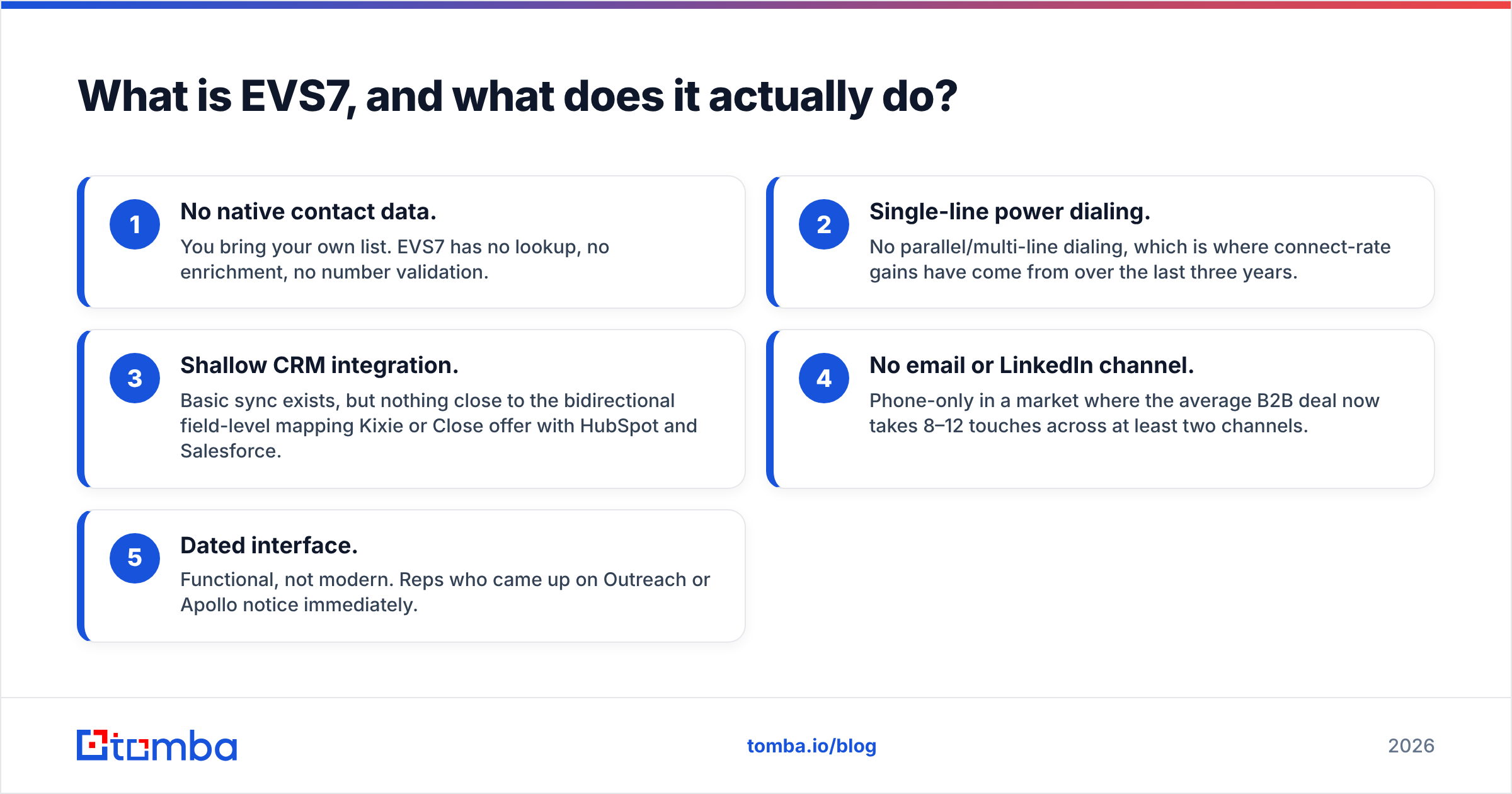
- No native contact data. You bring your own list. EVS7 has no lookup, no enrichment, no number validation.
- Single-line power dialing. No parallel/multi-line dialing, which is where connect-rate gains have come from over the last three years.
- Shallow CRM integration. Basic sync exists, but nothing close to the bidirectional field-level mapping Kixie or Close offer with HubSpot and Salesforce.
- No email or LinkedIn channel. Phone-only in a market where the average B2B deal now takes 8–12 touches across at least two channels.
- Dated interface. Functional, not modern. Reps who came up on Outreach or Apollo notice immediately.
None of that makes EVS7 bad. It makes it narrow. If a narrow tool is all you need, staying put is a defensible decision.
Why do teams actually leave EVS7?#
In practice, four triggers show up over and over when teams start shopping for EVS7 alternatives:
- Connect rates stalled. Reps dial 200 numbers and speak to nine people. Leadership blames the dialer. Usually it's the list.
- The stack consolidated. The company standardized on HubSpot or Salesforce and wants calling inside the CRM, not beside it.
- Multichannel became mandatory. Cold call plus email plus LinkedIn, sequenced. A phone-only tool forces a second subscription anyway.
- Per-seat math changed. At 3 reps, $99/seat is noise. At 25 reps it's $29,700/year for dialing alone, and cheaper options with more features exist.
Wait — that first trigger deserves more attention, because it's the one people misdiagnose most often.
Does the dialer or the data matter more?#
The data matters more, and it isn't close.
Think of it like a delivery fleet. A faster van doesn't help if a fifth of your addresses are wrong — you just arrive at the wrong door sooner. A parallel dialer multiplies your dial volume; it also multiplies your bad-number volume.
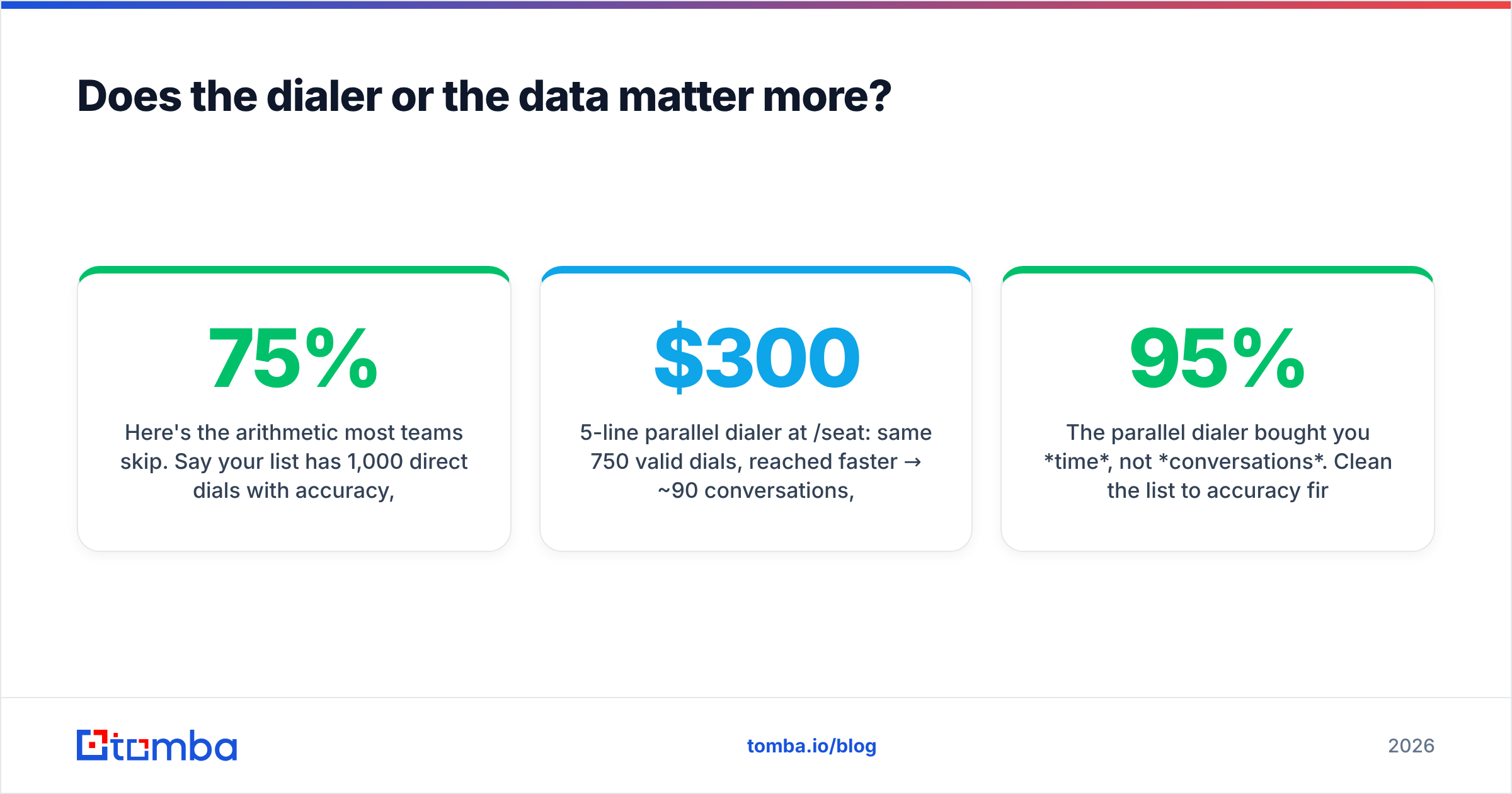
Here's the arithmetic most teams skip. Say your list has 1,000 direct dials with 75% accuracy, and your true connect rate on a correct number is 12%.
- Single-line power dialer (EVS7): 750 valid dials → ~90 conversations.
- 5-line parallel dialer at $300/seat: same 750 valid dials, reached faster → ~90 conversations, plus 250 dead dials burned at speed and a higher spam-flag risk on your numbers.
The parallel dialer bought you time, not conversations. Clean the list to 95% accuracy first and the same single-line dialer produces ~114 conversations from the same 1,000 records — a 27% lift with zero software change.
That's why any dialer evaluation should start with a data audit. Run your existing list through a phone validator to see what percentage is actually dialable, and use a phone finder to fill in the gaps before you commit to a per-seat contract. If your list is bought rather than built, reputable list vendors like BookYourData publish accuracy guarantees worth comparing against your current source — a good vendor plus validation on ingest beats an expensive dialer on a stale list.
How should you compare EVS7 alternatives?#
Score every candidate on these five dimensions, in this order:
- Dial mode and throughput — Preview, power (1 line), or parallel (3–10 lines)? Parallel raises connections per hour but requires enough list volume to feed it and careful compliance handling.
- CRM depth — Not "we integrate with HubSpot" but: does it write call dispositions, recordings, and custom fields back automatically, and can it trigger sequences from call outcomes?
- Number reputation management — Local presence dialing, spam-flag monitoring, number rotation, and branded caller ID. This is the single biggest lever on pickup rate after data quality.
- Coaching and QA — Call recording, transcription, AI summaries, whisper/barge for managers. Table stakes in 2026; EVS7 offers only the basics.
- True total cost — Per-seat license plus per-minute telephony plus number rental plus onboarding. Some "cheap" dialers land 40% above list once minutes are counted.
What are the best EVS7 alternatives in 2026?#
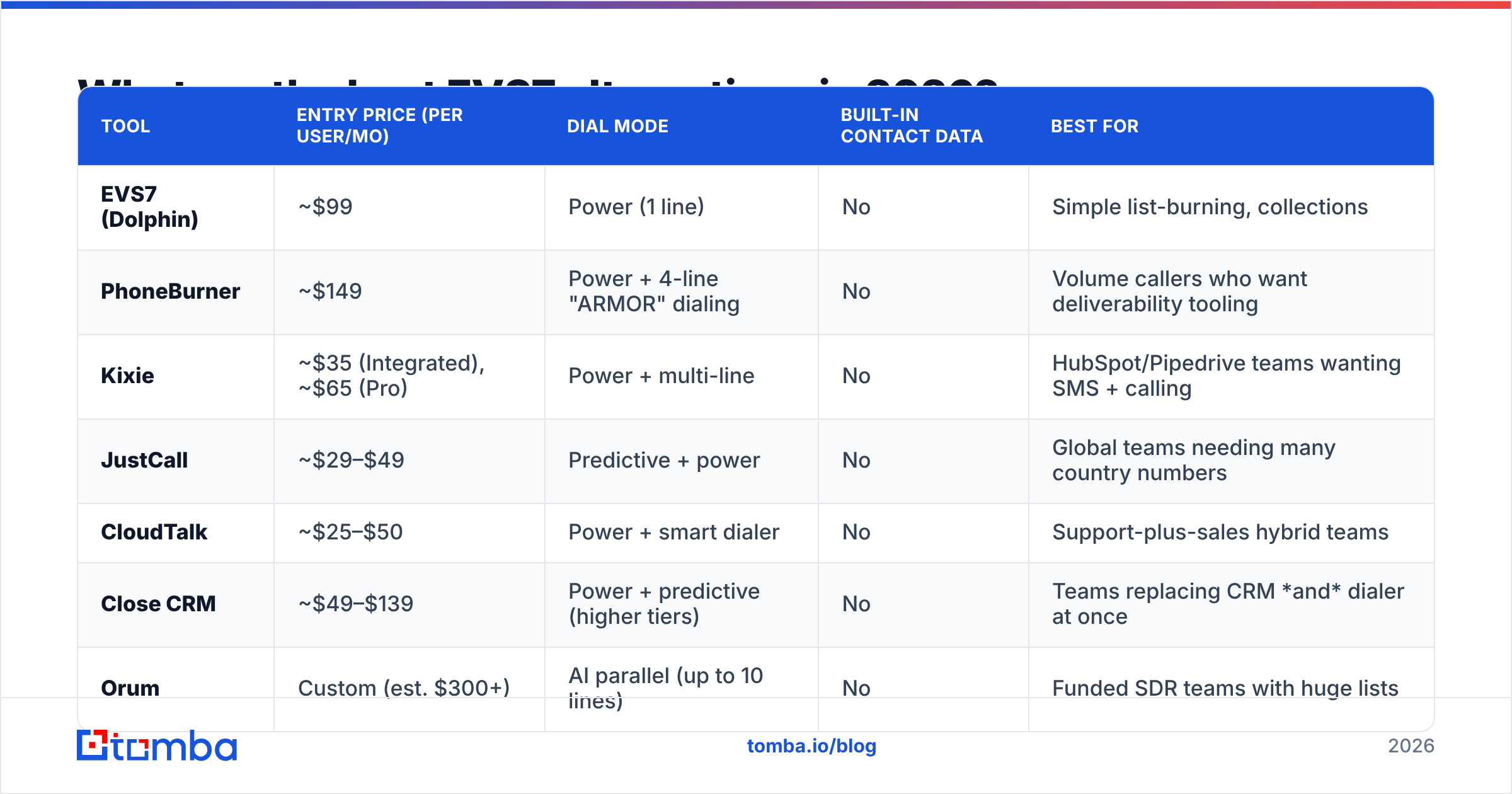
Prices below reflect published list pricing at the time of writing and typically exclude telephony minutes. Always confirm on the vendor's own pricing page — dialer vendors change tiers frequently.
| Tool | Entry price (per user/mo) | Dial mode | Built-in contact data | Best for |
|---|---|---|---|---|
| EVS7 (Dolphin) | ~$99 | Power (1 line) | No | Simple list-burning, collections |
| PhoneBurner | ~$149 | Power + 4-line "ARMOR" dialing | No | Volume callers who want deliverability tooling |
| Kixie | ~$35 (Integrated), ~$65 (Pro) | Power + multi-line | No | HubSpot/Pipedrive teams wanting SMS + calling |
| JustCall | ~$29–$49 | Predictive + power | No | Global teams needing many country numbers |
| CloudTalk | ~$25–$50 | Power + smart dialer | No | Support-plus-sales hybrid teams |
| Close CRM | ~$49–$139 | Power + predictive (higher tiers) | No | Teams replacing CRM and dialer at once |
| Orum | Custom (est. $300+) | AI parallel (up to 10 lines) | No | Funded SDR teams with huge lists |
| Nooks | Custom (est. $200–400) | AI parallel + virtual floor | No | Remote SDR teams needing live coaching |
| Koncert | ~$100+ | Agent-assisted + parallel | No | Enterprise cadence-driven outbound |
| VanillaSoft | ~$110 | Queue-based routing | No | Lead-response and inside-sales queues |
Note the column that's "No" all the way down: none of these tools give you the numbers. Every single one assumes you arrive with a list. That's the gap you fill separately.
PhoneBurner — best for pure dial volume#
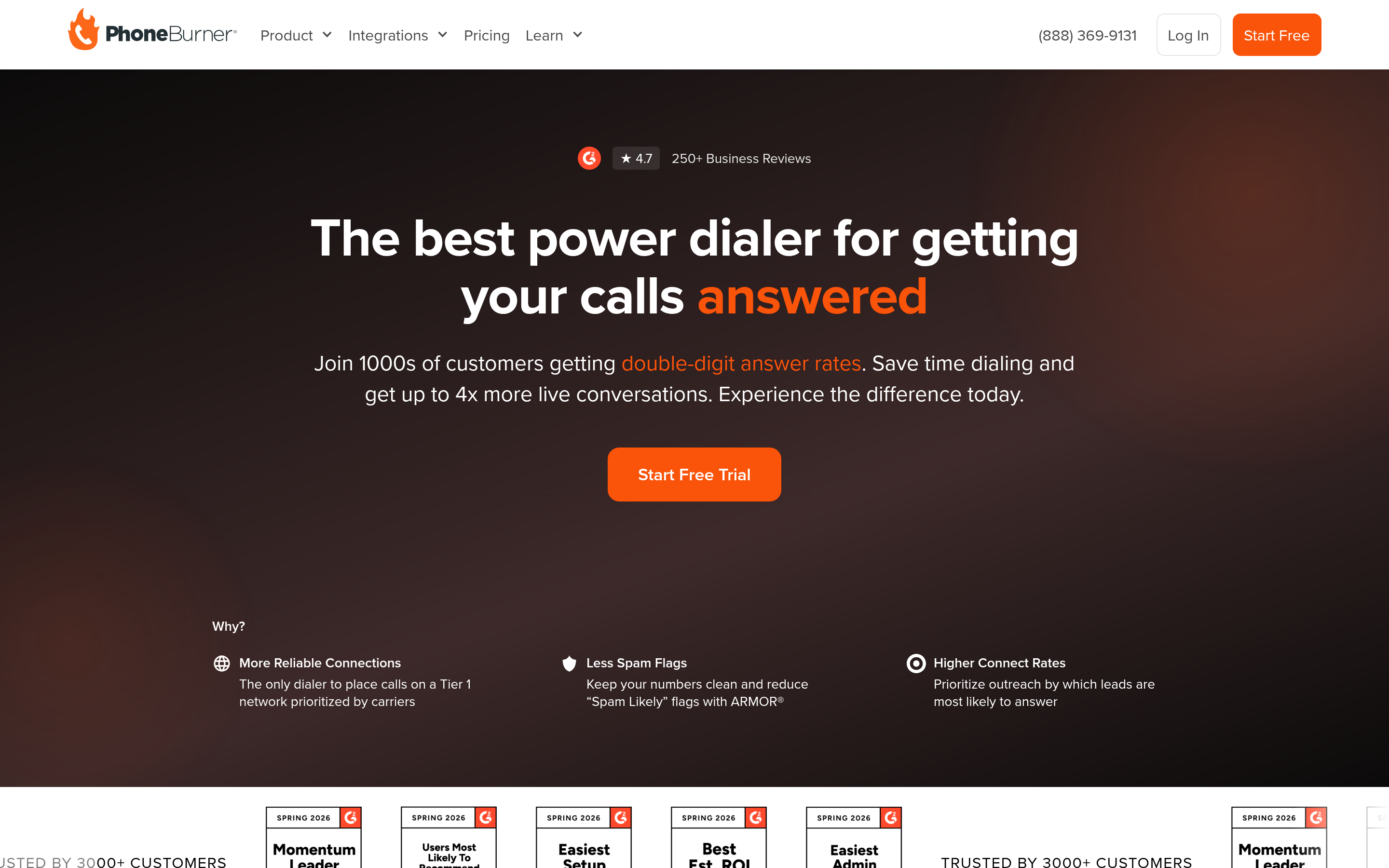
The closest philosophical match to EVS7, executed better. PhoneBurner is built around the idea of eliminating dead air: no connection delay, one-click voicemail drop, one-click email follow-up. Its number-reputation feature set (spam monitoring, number health) is genuinely differentiated. You pay for it — list price runs meaningfully above EVS7 — but reps typically log 60–80 dials/hour comfortably.
Pick it if: your motion is high-volume, list-driven, and you want fewer moving parts than a full sales-engagement platform.
Kixie — best value swap for SMB teams#
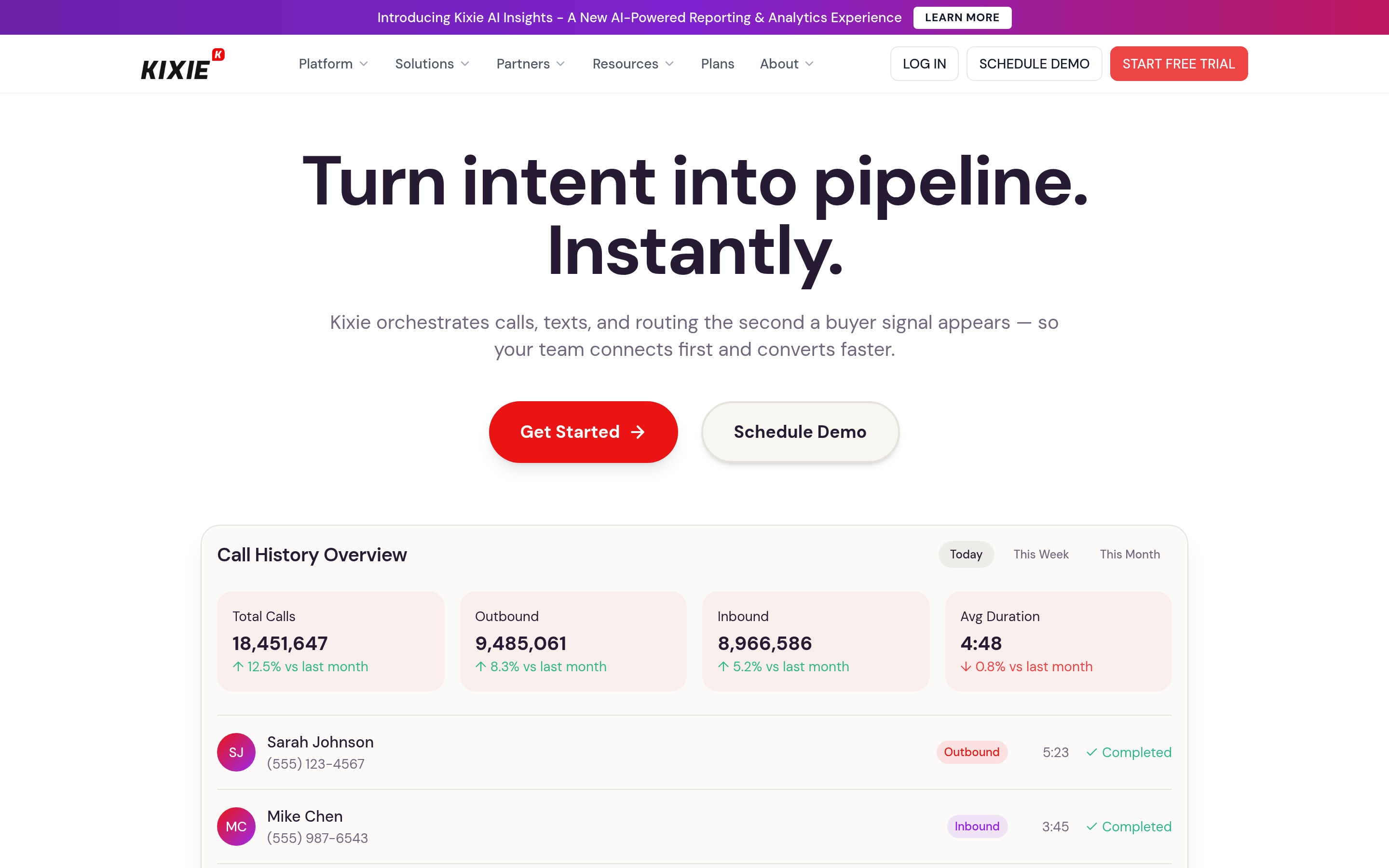
Kixie is where most EVS7 refugees land. The Integrated tier undercuts EVS7 on price, and the Professional tier adds a power dialer, SMS automation, local presence, and deep HubSpot/Pipedrive/Zoho sync. If your CRM is HubSpot, calling from inside the record with automatic logging removes a real chunk of admin work — and you can wire the whole thing together with a HubSpot integration for enrichment on the data side.
Pick it if: you're 3–30 reps, CRM-centric, and want SMS in the same tool.
JustCall — best for international dialing#

Numbers in 70+ countries, predictive dialing, and an AI layer for transcription and coaching. JustCall's per-seat pricing starts below EVS7, though minutes and number rentals add up. Its reporting is stronger than EVS7's out of the box.
Pick it if: you dial outside North America regularly.
Orum and Nooks — best if budget isn't the constraint#
Both are AI parallel dialers: the system dials 4–10 numbers simultaneously, filters voicemails and IVRs, and only connects the rep when a human answers. Real-world reports of 3–5x more conversations per hour are common — when the list is clean. Nooks adds a "virtual sales floor" for remote coaching that teams genuinely like.
Pick them if: you have 5,000+ dialable records per rep per month and the budget for $200–400/seat. Below that volume, you're paying for capacity you can't feed.
Close CRM — best if you're replacing more than the dialer#
Close bundles CRM, email sequencing, SMS, and a power dialer (predictive on higher tiers). Consolidating three subscriptions into one often nets out cheaper than EVS7 plus a CRM plus an email tool.
Pick it if: your current CRM is also on the chopping block.
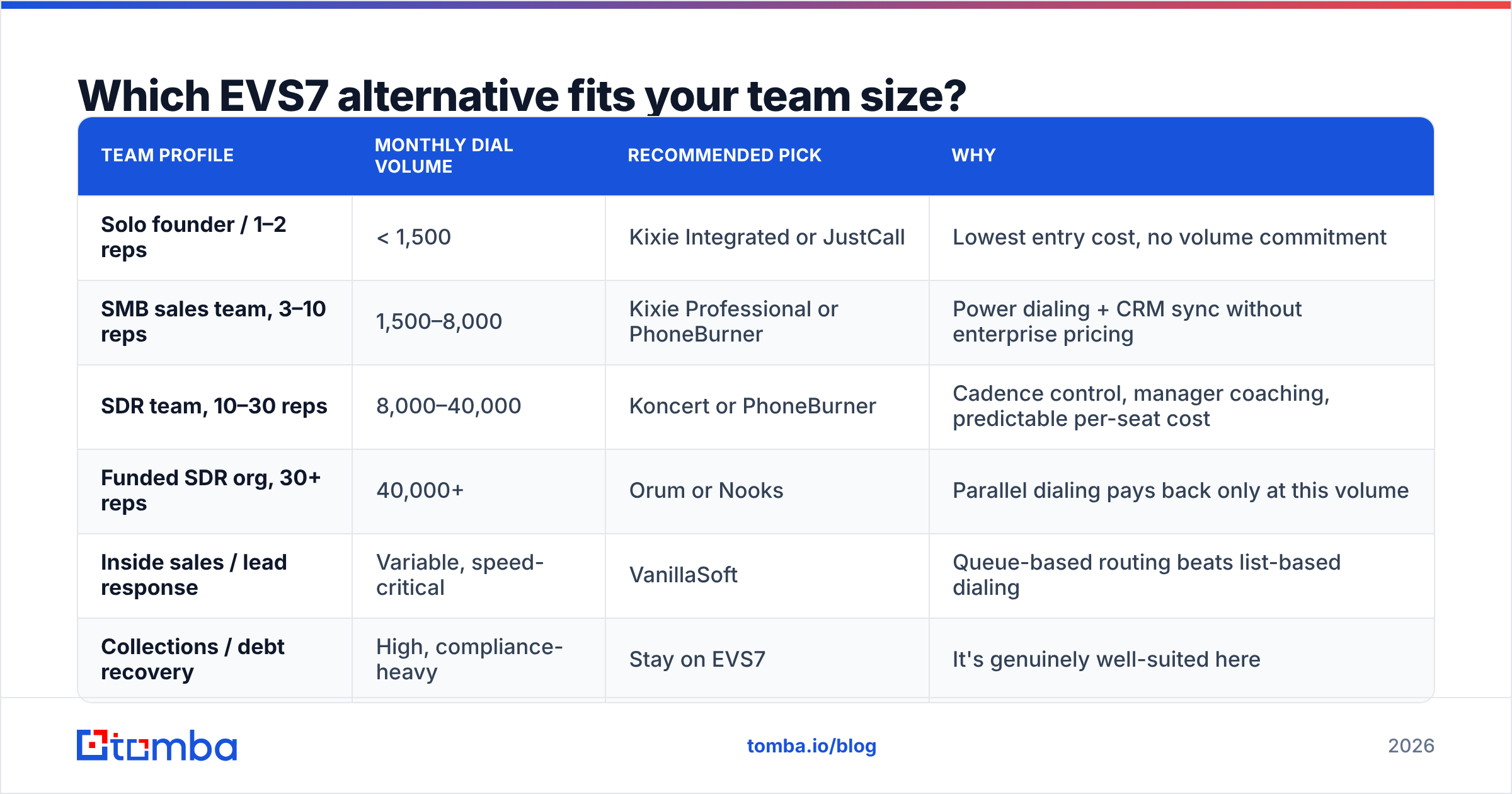
Which EVS7 alternative fits your team size?#
| Team profile | Monthly dial volume | Recommended pick | Why |
|---|---|---|---|
| Solo founder / 1–2 reps | < 1,500 | Kixie Integrated or JustCall | Lowest entry cost, no volume commitment |
| SMB sales team, 3–10 reps | 1,500–8,000 | Kixie Professional or PhoneBurner | Power dialing + CRM sync without enterprise pricing |
| SDR team, 10–30 reps | 8,000–40,000 | Koncert or PhoneBurner | Cadence control, manager coaching, predictable per-seat cost |
| Funded SDR org, 30+ reps | 40,000+ | Orum or Nooks | Parallel dialing pays back only at this volume |
| Inside sales / lead response | Variable, speed-critical | VanillaSoft | Queue-based routing beats list-based dialing |
| Collections / debt recovery | High, compliance-heavy | Stay on EVS7 | It's genuinely well-suited here |
That last row matters. EVS7 has real strength in collections and compliance-sensitive queue calling. If that's your use case, "alternatives" may be the wrong search.
How do you migrate off EVS7 without losing dial volume?#
Switching dialers mid-quarter is how teams lose a month of pipeline. Run it in this order:
- Week 1 — Audit the data, not the tool. Export your full call list. Validate every number and dedupe. Enrich missing direct dials. This step alone often changes which dialer you need, because a cleaner list can make parallel dialing unnecessary.
- Week 2 — Pilot with two reps. Run the new dialer alongside EVS7 with your two most consistent reps. Measure conversations per hour, not dials per hour.
- Week 3 — Port numbers and warm reputation. New outbound numbers get flagged fast if you jump straight to 200 dials/day. Ramp gradually and monitor spam labeling.
- Week 4 — Cut over and rebuild reporting. Rebuild your dispositions, dashboards, and CRM field mappings before the whole team moves, not after.
Budget for the enrichment layer explicitly. Run your CSVs through a bulk email finder and validation flow so the new dialer starts on verified records, and keep enrichment running on new inbound leads with contact enrichment so accuracy doesn't decay back to where it was. If you'd rather wire it into your own workflow, the Tomba API handles lookup and verification programmatically.
What do reviewers say about these tools?#
Don't take any vendor's word for connect-rate claims — including the ones in this post. Cross-check on G2's sales dialer category, where the useful signal is in the one- and two-star reviews: look for repeated complaints about billing surprises, support response times, and CRM sync breaking after updates. Those are the failure modes that actually cost you, and they never appear in a feature matrix.
Also check whether the reviews mentioning huge connect-rate gains describe the reviewer's data source. The ones that do almost always mention cleaning or buying a better list at the same time they switched dialers.
The honest verdict#
EVS7 is not a tool you need to escape. It's a tool you outgrow — usually the moment you need multichannel sequencing, real CRM depth, or coaching tooling. Kixie is the best value replacement for most SMB teams. PhoneBurner is the best like-for-like upgrade. Orum and Nooks are worth it only above roughly 5,000 dialable records per rep per month.
But the ranking that changes your numbers isn't the dialer ranking. It's whether the numbers you're dialing are correct. Every tool on this list assumes you solved that already, and most teams haven't.
Start there. Use Tomba Email Finder to build verified contact records — email, direct dial, and company data — before you sign another per-seat dialer contract. The free tier gives you 25 searches a month to test accuracy against your existing list, and paid plans start at $49/month, which is less than half a single EVS7 seat. Check the full Tomba pricing breakdown, run 200 of your current records through it, and compare the bounce and wrong-number rate against what you're dialing today. If the gap is meaningful, you just found a bigger lever than any dialer on this page.
Related guides#
Ready to find emails that actually work?
Join 150,000+ professionals who stopped guessing and started sending. Free credits on signup — no credit card required.
Get the Tomba newsletter
Practical outbound tactics and product updates — once every two weeks.
About the author