9 Best Interseller Alternatives in 2026 for Sales Teams
Interseller now lives inside Greenhouse and leans recruiting-first. If you need outbound contact data plus sequencing for sales, here are nine alternatives compared on data accuracy, pricing, and what they actually replace.
TL;DR
- Interseller was acquired by Greenhouse in 2021 and has been steered toward recruiting workflows ever since. Sales teams are the ones most likely to feel squeezed out.
- There is no single one-to-one replacement, because Interseller bundled two different products: a contact-finding engine and an email sequencer. Most alternatives do one of those two things well.
- If you mainly need accurate emails and phone numbers to feed an existing sequencer or CRM, a dedicated finder like Tomba, Findymail, or Hunter is cheaper and more accurate than an all-in-one.
- If you need the full bundle in one seat, Apollo, Reply.io, and lemlist come closest, but you pay per-seat and inherit their data quality.
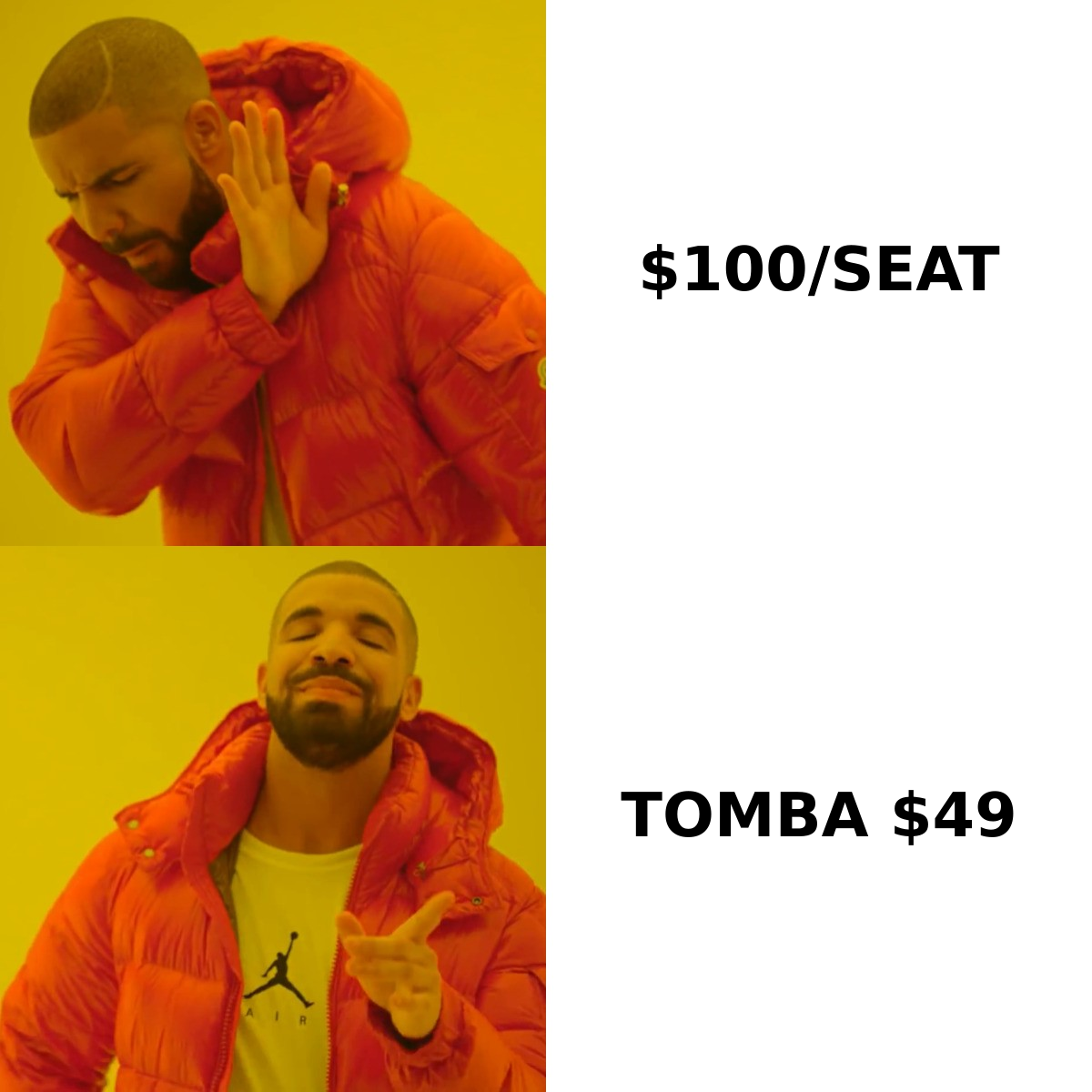
- Budget check: Interseller historically listed around $100 per seat per month. A finder-plus-sequencer stack in 2026 can land under $90/month total for a small team.
Interseller was one of the first tools to fuse "find the email" and "send the sequence" into one tab, which is exactly why people still search for a replacement five years after Greenhouse bought it. The product did not disappear, but its center of gravity moved to recruiting. If you are a sales, agency, or founder-led outbound team, the honest question is not "what looks like Interseller?" — it is "which two tools cover what Interseller used to cover, for less?"
This post breaks that down with real pricing, a side-by-side table, and a decision framework for picking based on your actual bottleneck.
What happened to Interseller, and why are people leaving?#
Greenhouse Software acquired Interseller in October 2021. Since then the roadmap has followed Greenhouse's core buyer: talent acquisition teams. Sourcing automation, candidate pipelines, ATS sync. That is a perfectly good product — it is just not a sales product anymore.
Three practical consequences drive most migrations:
- Recruiting-first feature priority. New capability lands where the parent company sells. Sales-side requests (CRM field mapping, territory-level domain search, deliverability tooling) queue behind ATS work.
- Per-seat pricing on a bundled product. Interseller's published list price sat near $100 per user per month before the acquisition, with enterprise quoting handled through Greenhouse afterward. For a three-person SDR pod, that is roughly $300/month before you send a single email.
- Coupled data and sending. When one vendor owns both the contact data and the mailbox, a data accuracy problem becomes a deliverability problem. Bounces from a weak finder torch the same domain you are sequencing from.
Check current user reviews on G2 before you decide — the recurring themes are credit limits and data coverage outside North America, not the sequencer itself, which people generally liked.
What should an Interseller alternative actually replace?#
Before you shortlist anything, split Interseller into its parts. Almost every bad tool migration happens because someone buys an all-in-one to replace a capability they only used 20% of.
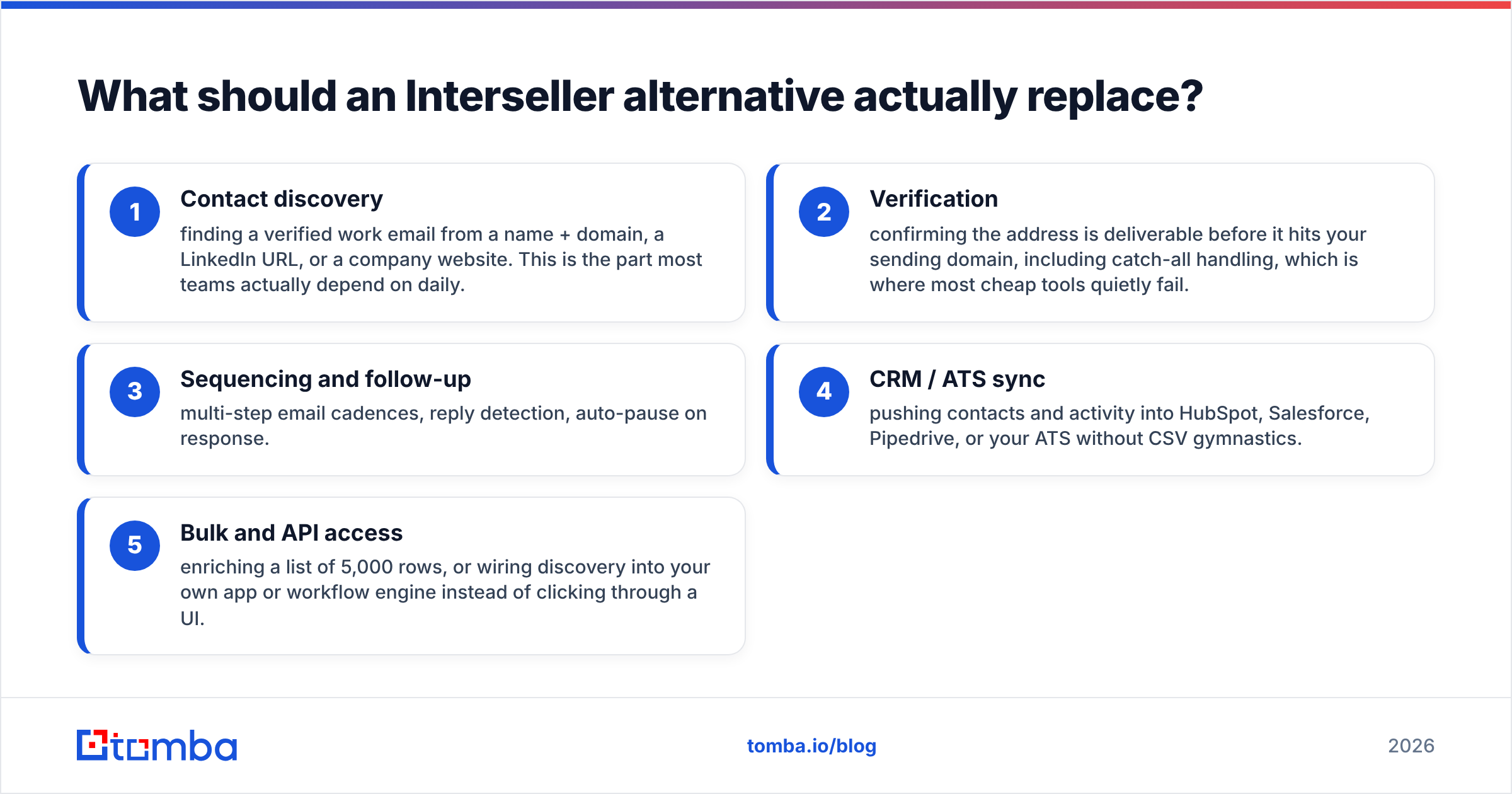
- Contact discovery — finding a verified work email from a name + domain, a LinkedIn URL, or a company website. This is the part most teams actually depend on daily.
- Verification — confirming the address is deliverable before it hits your sending domain, including catch-all handling, which is where most cheap tools quietly fail.
- Sequencing and follow-up — multi-step email cadences, reply detection, auto-pause on response.
- CRM / ATS sync — pushing contacts and activity into HubSpot, Salesforce, Pipedrive, or your ATS without CSV gymnastics.
- Bulk and API access — enriching a list of 5,000 rows, or wiring discovery into your own app or workflow engine instead of clicking through a UI.
Score your team on those five. If items 1, 2, and 5 are where the pain is, buy a data tool and keep your sequencer. If item 3 is the gap, buy a sequencer and keep your data source. Very few teams genuinely need to replace all five at once.
How do the top Interseller alternatives compare?#
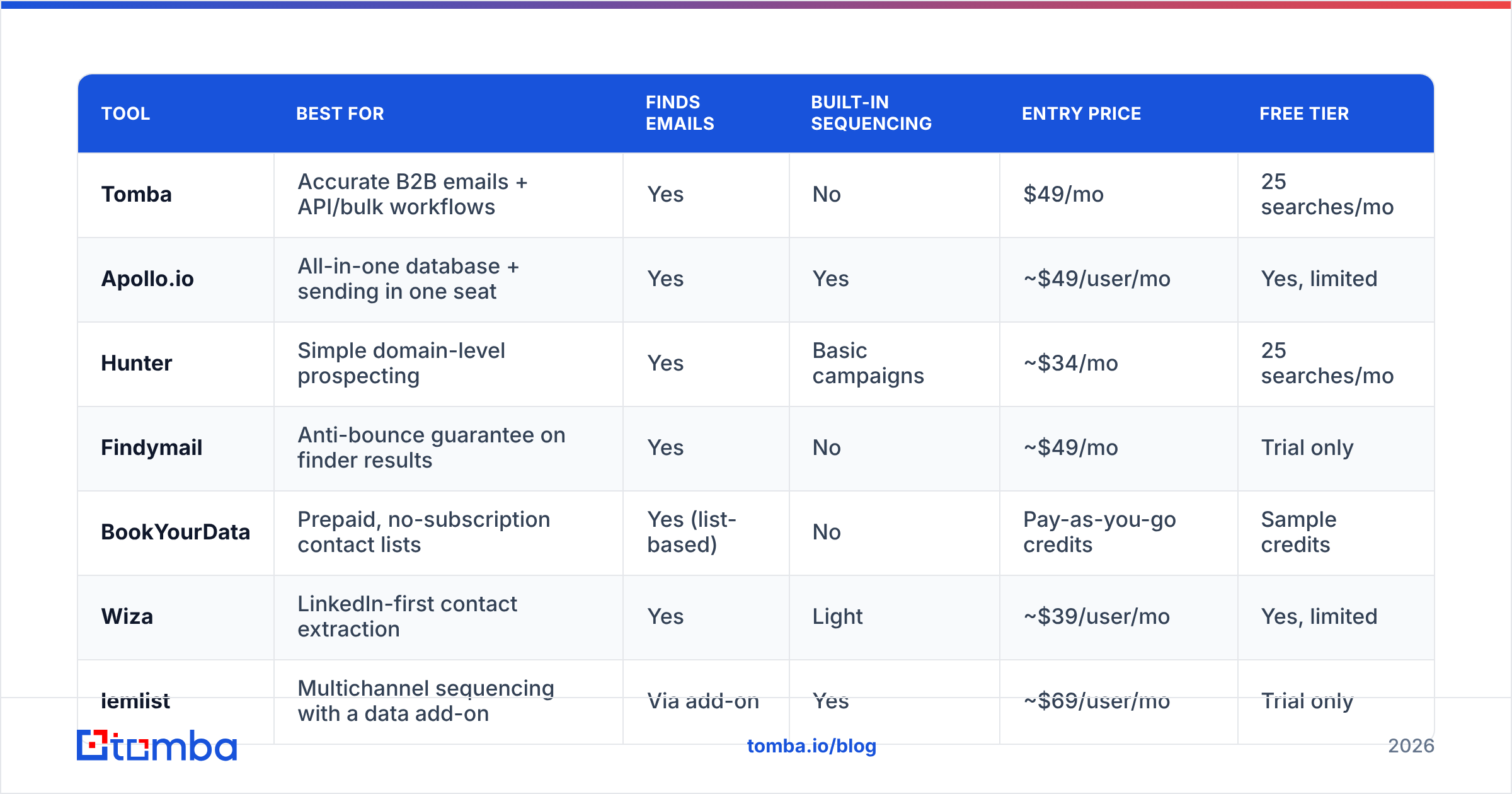
Here is the shortlist, scored on what each tool actually delivers rather than what its homepage claims. Entry prices are list prices at the time of writing and change often — verify before you buy.
| Tool | Best for | Finds emails | Built-in sequencing | Entry price | Free tier |
|---|---|---|---|---|---|
| Tomba | Accurate B2B emails + API/bulk workflows | Yes | No | $49/mo | 25 searches/mo |
| Apollo.io | All-in-one database + sending in one seat | Yes | Yes | ~$49/user/mo | Yes, limited |
| Hunter | Simple domain-level prospecting | Yes | Basic campaigns | ~$34/mo | 25 searches/mo |
| Findymail | Anti-bounce guarantee on finder results | Yes | No | ~$49/mo | Trial only |
| BookYourData | Prepaid, no-subscription contact lists | Yes (list-based) | No | Pay-as-you-go credits | Sample credits |
| Wiza | LinkedIn-first contact extraction | Yes | Light | ~$39/user/mo | Yes, limited |
| lemlist | Multichannel sequencing with a data add-on | Via add-on | Yes | ~$69/user/mo | Trial only |
| Reply.io | Sales engagement closest to Interseller's feel | Via add-on | Yes | ~$59/user/mo | Trial only |
| Instantly | High-volume cold email infrastructure | Via add-on | Yes | ~$37/mo | Trial only |
A few notes on reading that table honestly.
Per-seat versus per-account matters more than the headline number. Apollo, Wiza, lemlist, and Reply.io charge per user. Tomba, Hunter, and Instantly's sending plans are account-level. For a five-person team, a $49 account plan and a $49/seat plan are not the same purchase — one is $49, the other is $245.
"Has sequencing" is not binary. Hunter's campaigns are fine for 50 emails a week from one mailbox. Instantly is built for rotating dozens of inboxes. Calling both "sequencing" hides a 10x difference in scope.
Tomba — best for data accuracy and automation#
Tomba is a pure contact-data layer: email finder, verifier, domain search, catch-all verification, and phone finder, with a first-class API. It does not try to be your sequencer, which is the point — you keep Instantly, Smartlead, HubSpot, or whatever already handles your sending, and swap only the part that was underperforming.
Pricing is account-level, not per seat: free at 25 searches/month, then $49/month Starter, $99/month Growth, and $249/month Pro. Full Tomba pricing is public, which is more than you can say for post-acquisition Interseller.
Where it wins: bulk email finder jobs, the Tomba API for embedding lookups in your own tooling, and catch-all handling that returns an honest verdict instead of a shrug.
Where it does not: if you want one login that also sends the emails, this is not that product.
Apollo.io — best all-in-one, with caveats#
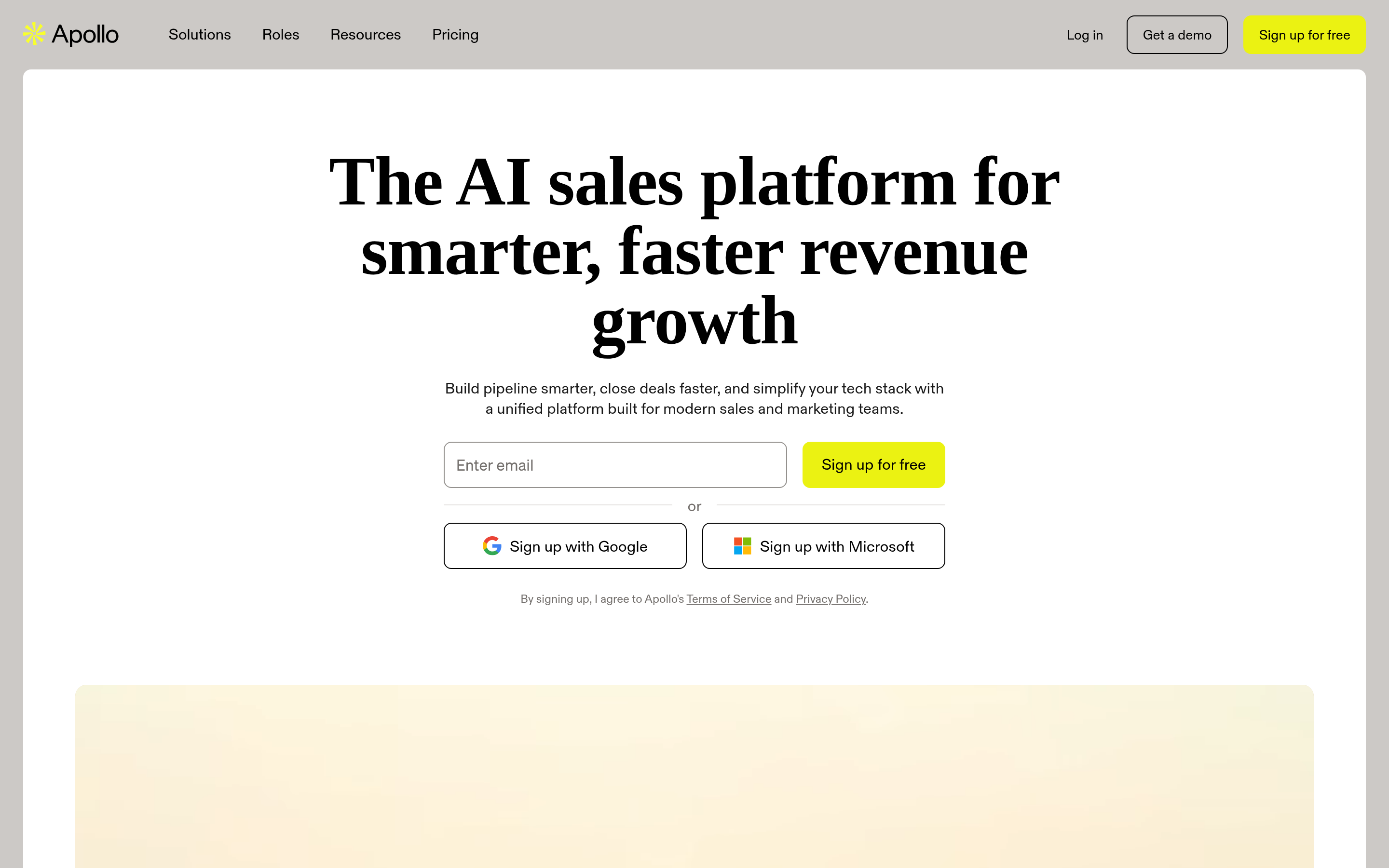
Apollo is the closest structural match to Interseller: a large contact database plus sequencing plus a Chrome extension, in one seat. The database breadth is genuinely useful for greenfield territory research.
The tradeoff is that database-sourced records skew stale in fast-moving segments, and export credits are the real constraint on the plan you pick. Plenty of teams run Apollo for discovery and a separate verifier before sending. If Apollo is on your list, it is worth reading the Apollo alternative breakdown too, because the same complaints show up in both migrations.
Hunter — best for simple, low-volume prospecting#
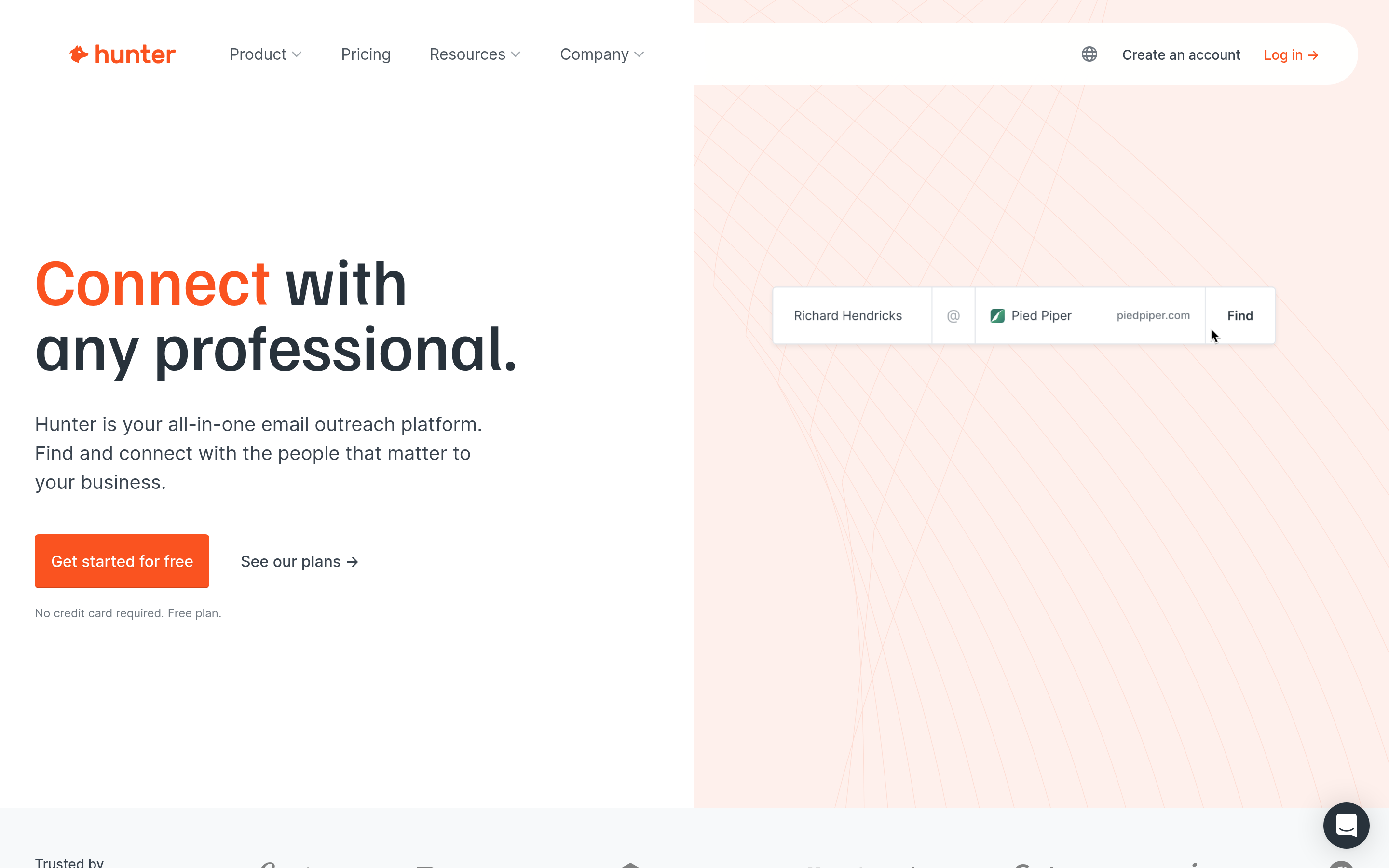
Hunter does domain search and email finding cleanly, with a free tier and a gentle learning curve. Its campaign feature covers light follow-up. For a founder sending 100 personalized emails a month, it is often enough. For 10,000-row enrichment jobs, you will outgrow it on credits.
Findymail — best anti-bounce guarantee#
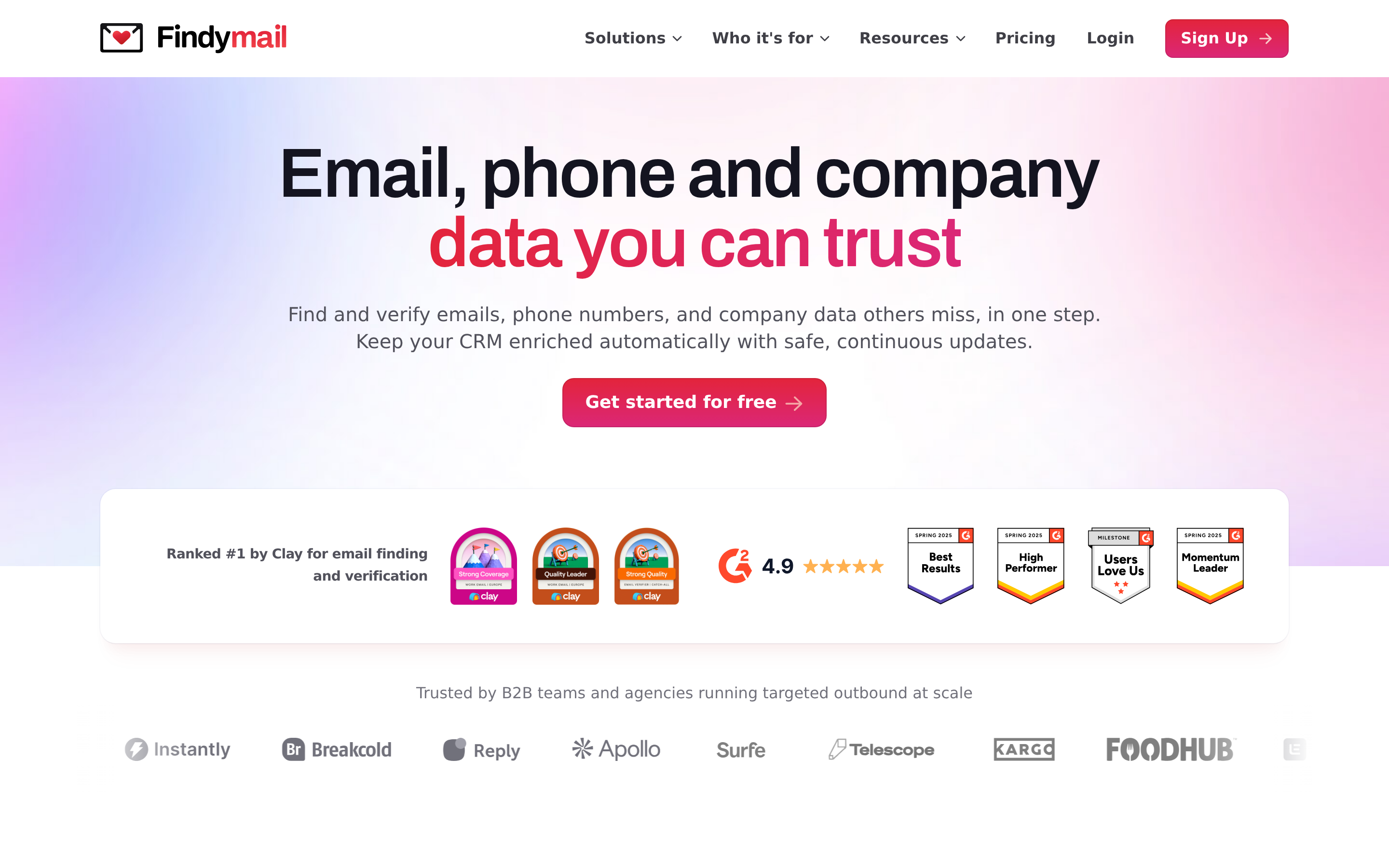
Findymail markets hard on not charging you for bad emails and pairs well with Lemlist-style workflows. Coverage is narrower than the big databases, but what it returns tends to be clean. Good pick if your last tool burned your domain with bounces.
BookYourData — best for prepaid, no-subscription buying#
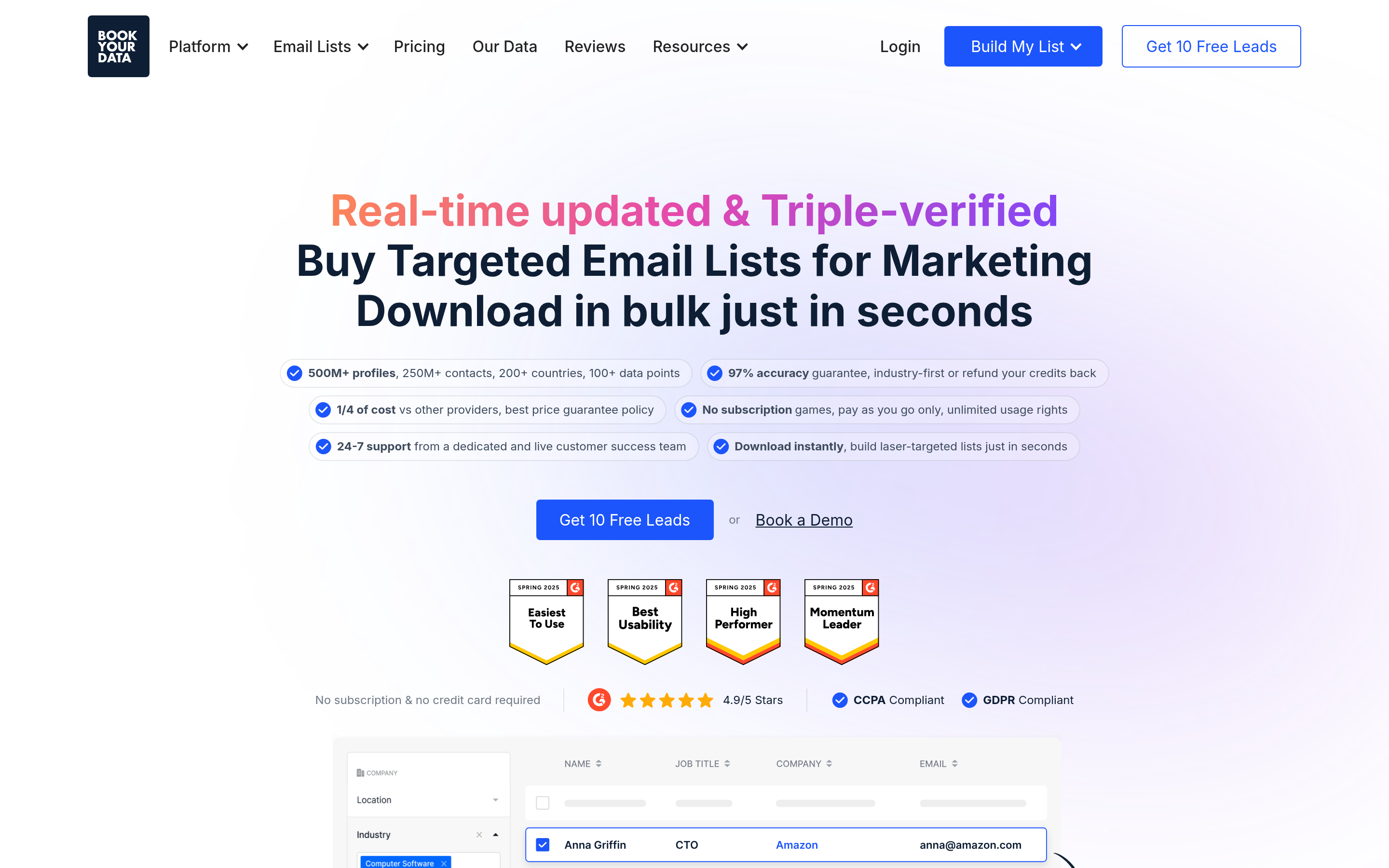
BookYourData takes a different shape entirely: you buy verified contact credits up front and download targeted lists, with no monthly commitment. For teams running a few campaigns a quarter rather than continuous outbound, paying only when you need records is a legitimately better economic fit than any subscription on this list. It also publishes an accuracy guarantee on delivered records, which is worth reading closely against your ICP.
Wiza — best for LinkedIn-sourced lists#
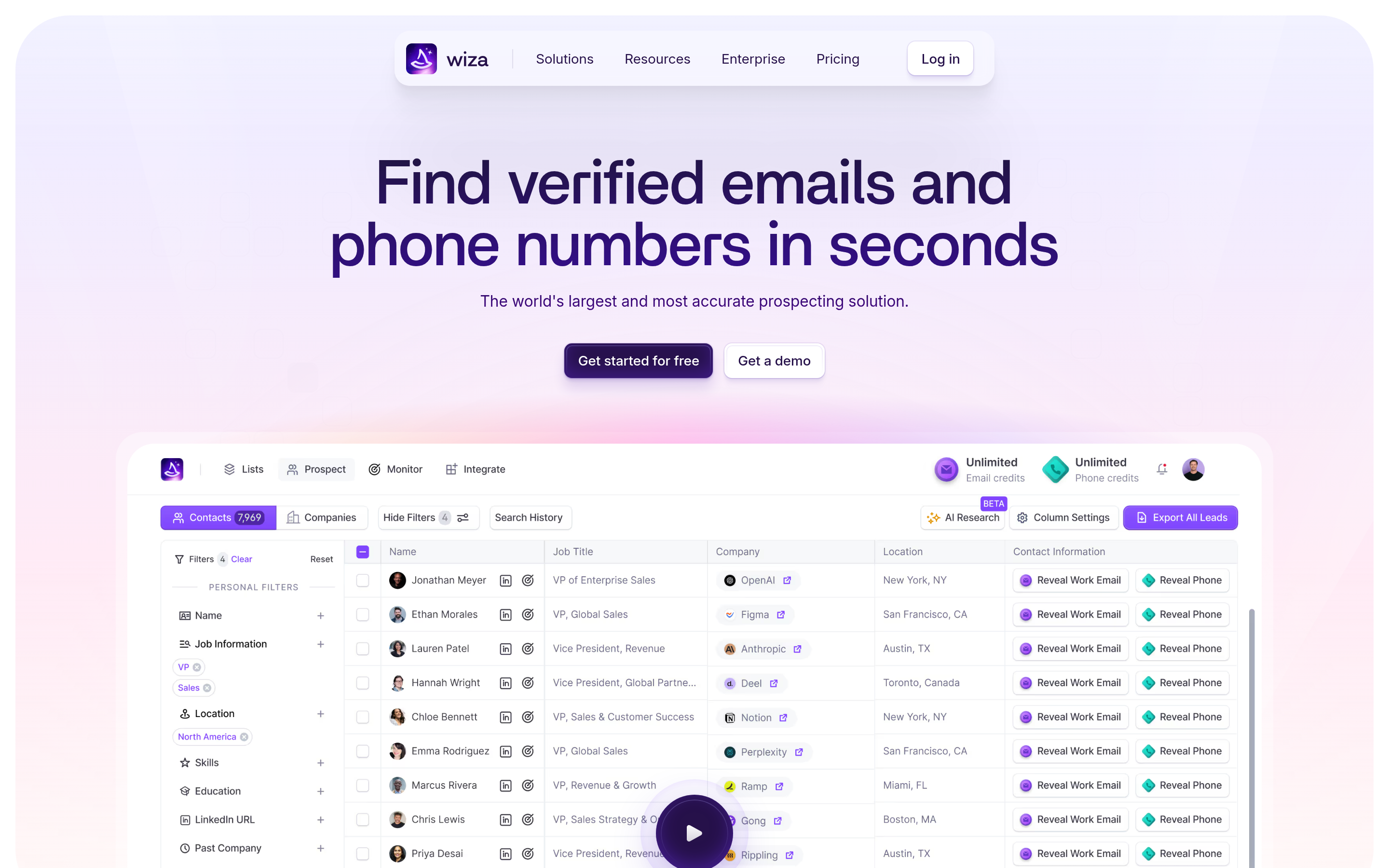
If your prospecting starts in Sales Navigator, Wiza turns saved searches and lists into exported contacts with verified emails. It is a workflow tool as much as a data tool. Per-seat pricing adds up on bigger teams, and coverage outside LinkedIn-visible profiles is limited by design.
lemlist, Reply.io, and Instantly — the sequencing side#
These three replace Interseller's sending half, not its data half.
- lemlist is the most creative on personalization (images, videos, LinkedIn steps) and suits agencies selling campaign quality.
- Reply.io feels the most like Interseller did: multichannel cadences, reply classification, CRM sync. See the Reply.io alternative comparison if you want the pricing detail.
- Instantly is the volume play — inbox rotation, warmup, deliverability tooling — built for teams sending at scale who bring their own data.
All three sell a data add-on. All three are cheaper and more accurate when you plug in a dedicated finder instead.
How accurate is the data, really?#
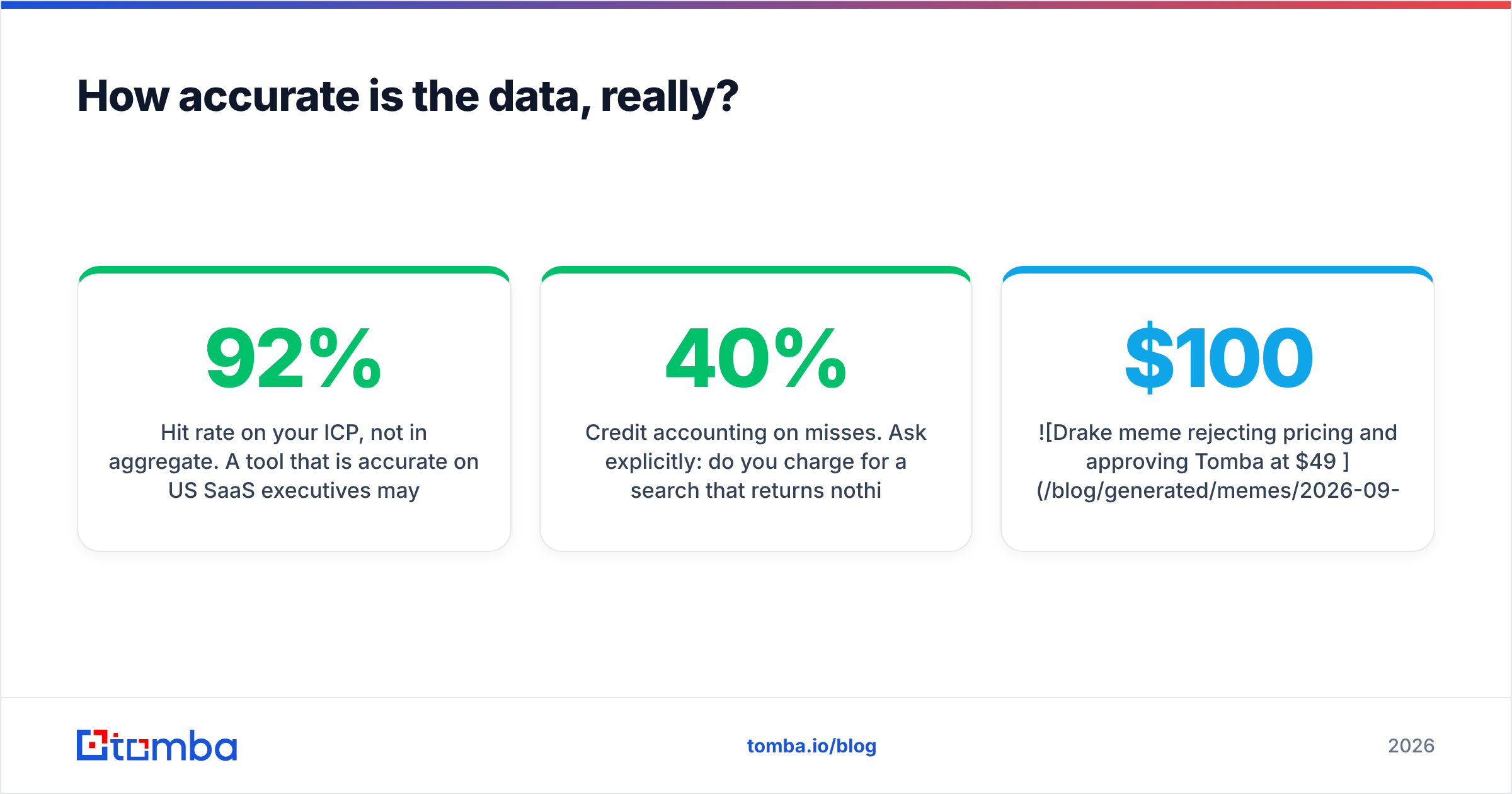
Accuracy is the only spec that compounds. A 15-point difference in verified-hit rate does not just cost you credits — it costs you sender reputation, because every bounce is a signal to the receiving mail server that you do not know who you are emailing.

Three things to test during any trial, using contacts you can independently confirm:
- Hit rate on your ICP, not in aggregate. A tool that is 92% accurate on US SaaS executives may be 40% accurate on European manufacturing operations managers. Run 100 rows from your real target list, not the vendor's demo list.
- Catch-all honesty. Roughly a third of B2B domains accept everything at the SMTP layer. A tool that marks every catch-all address "valid" is lying to you by omission. Run those addresses through a dedicated catch-all verifier and compare verdicts.
- Credit accounting on misses. Ask explicitly: do you charge for a search that returns nothing? The answer changes your effective cost per contact by 20-40%.
What does an Interseller alternative cost in 2026?#
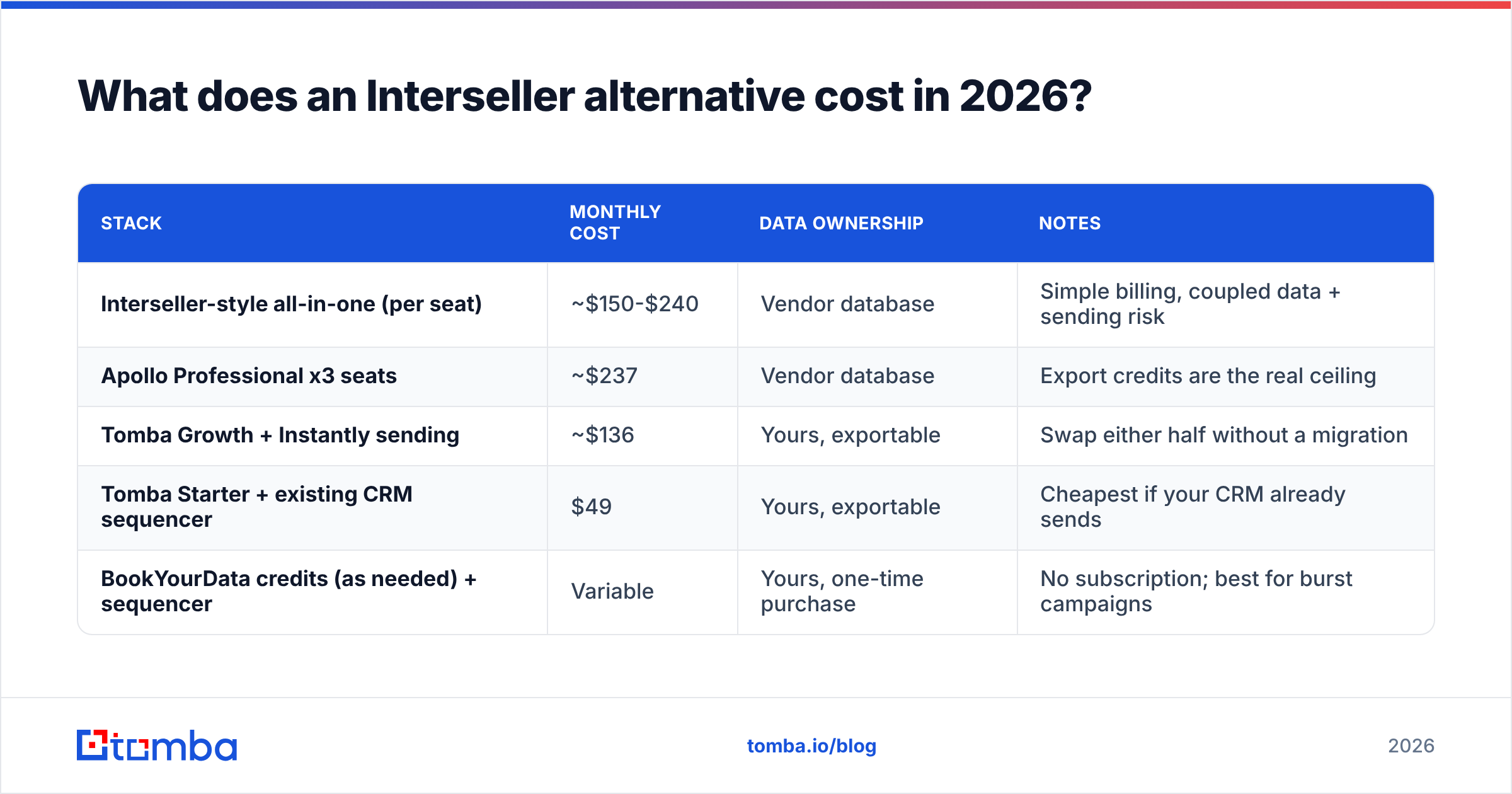
Two stacks, same job, very different invoices. Assume a three-person outbound team doing roughly 5,000 contact lookups and 6,000 sends per month.
| Stack | Monthly cost | Data ownership | Notes |
|---|---|---|---|
| Interseller-style all-in-one (per seat) | ~$150-$240 | Vendor database | Simple billing, coupled data + sending risk |
| Apollo Professional x3 seats | ~$237 | Vendor database | Export credits are the real ceiling |
| Tomba Growth + Instantly sending | ~$136 | Yours, exportable | Swap either half without a migration |
| Tomba Starter + existing CRM sequencer | $49 | Yours, exportable | Cheapest if your CRM already sends |
| BookYourData credits (as needed) + sequencer | Variable | Yours, one-time purchase | No subscription; best for burst campaigns |

The unbundled stacks win on price in every scenario above, and they win on optionality: when your sequencer disappoints you in eight months, you change one line item instead of re-exporting your entire contact history.
Which Interseller alternative should you pick?#
Match the choice to your bottleneck, not to the longest feature list.
- You are still recruiting-first. Stay on Greenhouse's sourcing tooling or look at recruiting-native platforms. Sales tools will not sync to your ATS the way you need.
- Your emails bounce too often. Buy data quality first. Tomba or Findymail, paired with a real email verifier pass before every send.
- You need one seat, one login, one invoice. Apollo or Reply.io. Accept that you are buying their data quality along with their UI.
- You send at high volume from many inboxes. Instantly for infrastructure, plus a dedicated finder for the list.
- You run campaigns in bursts, not continuously. Prepaid credits beat a subscription. BookYourData's pay-as-you-go model is the cleanest fit here.
- You are building your own workflow or agent. Go API-first. A finder you can call from code beats any UI you have to click through at 3am.
One more filter that saves people money: count how many seats actually need the tool. Interseller-style per-seat pricing punishes teams where two of five reps do the prospecting and the rest just send. Account-level tools do not.
Ready to unbundle your outbound stack?#
Start with the half that was actually failing. If Interseller's contact data was the reason you started looking — wrong addresses, thin coverage, credits burned on misses — put the Tomba Email Finder against your real target list for a week. The free tier gives you 25 searches a month with no card, Starter is $49/month at the account level rather than per seat, and everything you find exports cleanly into whatever sequencer you already trust.
Test it on 100 contacts you can verify yourself. If the hit rate does not beat what you are using now, you have lost an afternoon. If it does, you have just cut your outbound stack cost and stopped feeding bad addresses to your sending domain.
Related guides#
// get started
Find, verify and enrich your first contacts today
Start on the free plan with 25 searches a month, then scale when your team is ready.
Free plan · No credit card required · GDPR & CCPA
Get the Tomba newsletter
Product and data updates
// about the author