Leadzen.ai vs Minelead: AI Lead Data vs Budget Email Finding
Leadzen.ai sells AI-driven B2B prospect data with phones and outreach. Minelead sells cheap, email-first domain search. Here's which one fits your pipeline and budget, and when neither is the right call.
This Leadzen.ai vs Minelead guide compares data, price, and accuracy. It will help you pick the right lead tool fast.
TL;DR
- Leadzen.ai is an AI-driven B2B prospecting platform. It has plain-language search, a LinkedIn overlay, phone numbers, and built-in outreach. Third-party listings put its self-serve price at about $133/mo. It also sells done-for-you meeting packages.
- Minelead is a lean email finder and verifier built around domain search. It has a free tier and low-cost paid plans. It's aimed at people who mainly need email addresses.
- Choose Leadzen.ai if you want one tool to find, enrich, and contact prospects. It's the stronger pick if you need phone numbers or APAC coverage.
- Choose Minelead if you're price-sensitive, work from domain lists, and already use a separate sequencer.
- Want email accuracy, verification, and enrichment at a mid-market price? Tomba sits between the two. It starts at $49/mo and has a 25-search free tier.
What is the real difference in Leadzen.ai vs Minelead?#
These two tools solve different problems. Both still show up when you search "lead generation tool."
Leadzen.ai is a prospect database with an AI layer on top. You describe your ideal customer ("VP Sales at Series B fintechs in Singapore"). It returns matching people. For each one, it gives you emails, phone numbers, and company data. It can also run outreach over email, LinkedIn DM, WhatsApp, and calls from the same console.
Minelead is a utility email finder. You enter a domain, or a name plus a company. You get back email addresses with a verification status. It also offers keyword-based lead search, bulk jobs, and an API. But its core job is narrow: turn a company or person into a working email address at a low price per credit.
A simple way to frame Leadzen.ai vs Minelead: Leadzen.ai wants to be your whole top of funnel. Minelead wants to be one reliable part of it.
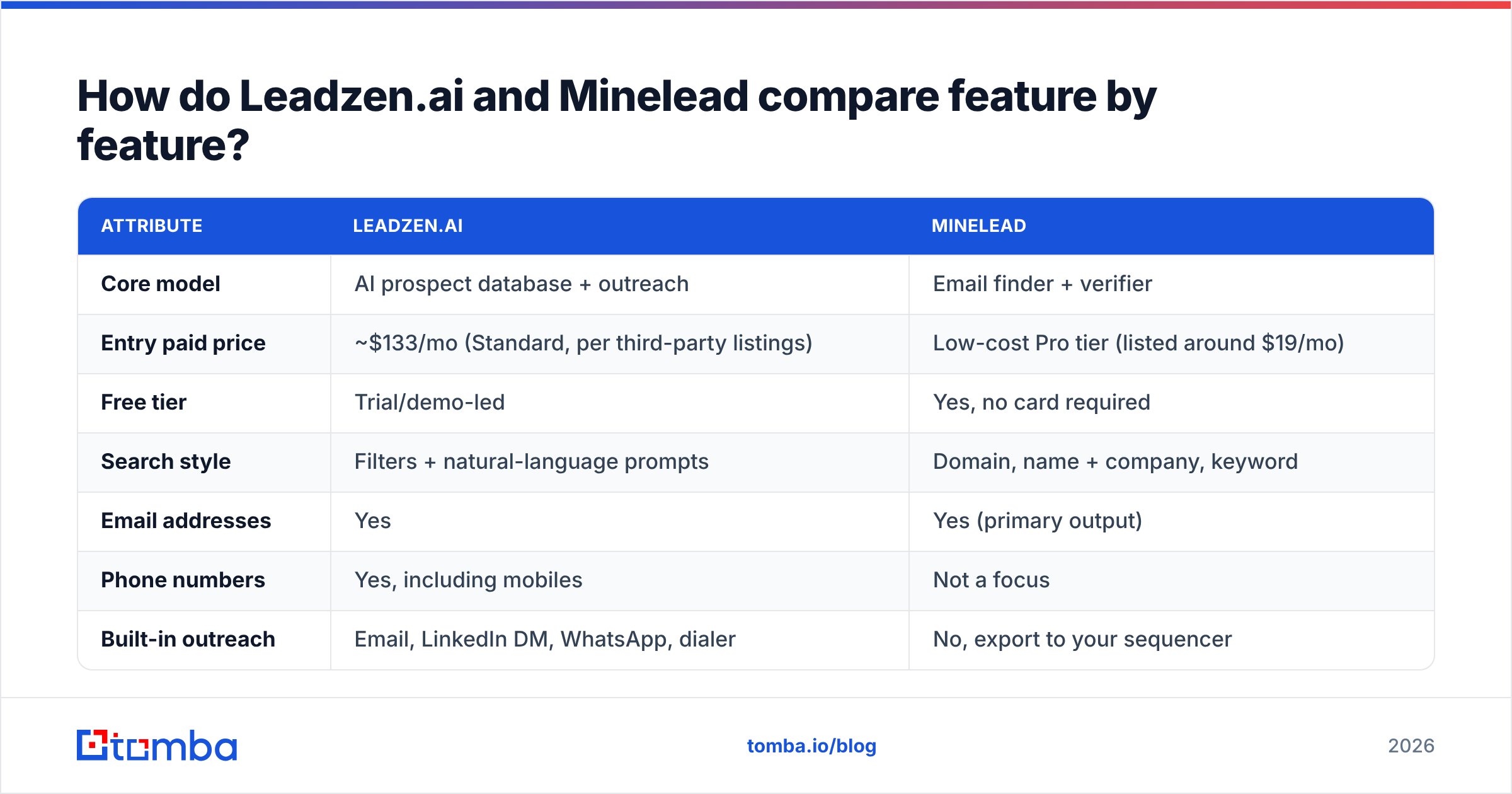
How do Leadzen.ai and Minelead compare feature by feature?#
Here's the Leadzen.ai vs Minelead breakdown on the things that affect a buying decision. Prices reflect public listings at the time of writing. Both vendors change their plans, so check Minelead's pricing page and Leadzen.ai's site before you commit.
| Attribute | Leadzen.ai | Minelead |
|---|---|---|
| Core model | AI prospect database + outreach | Email finder + verifier |
| Entry paid price | ~$133/mo (Standard, per third-party listings) | Low-cost Pro tier (listed around $19/mo) |
| Free tier | Trial/demo-led | Yes, no card required |
| Search style | Filters + natural-language prompts | Domain, name + company, keyword |
| Email addresses | Yes | Yes (primary output) |
| Phone numbers | Yes, including mobiles | Not a focus |
| Built-in outreach | Email, LinkedIn DM, WhatsApp, dialer | No, export to your sequencer |
| LinkedIn / Chrome extension | Yes, overlays data on LinkedIn | Chrome extension for email lookup |
| API | Available | Available, throttled on lower tiers |
| Done-for-you option | Meeting-booking packages | No |
| Best for | Teams wanting all-in-one prospecting | Budget buyers who need emails fast |

The table shows the main trade-off. Leadzen.ai gives you breadth: phones, outreach, and AI search. It costs more to start. Minelead gives you focus and a low price. It leaves the rest of the workflow to other tools.
Which tool fits which workflow?#
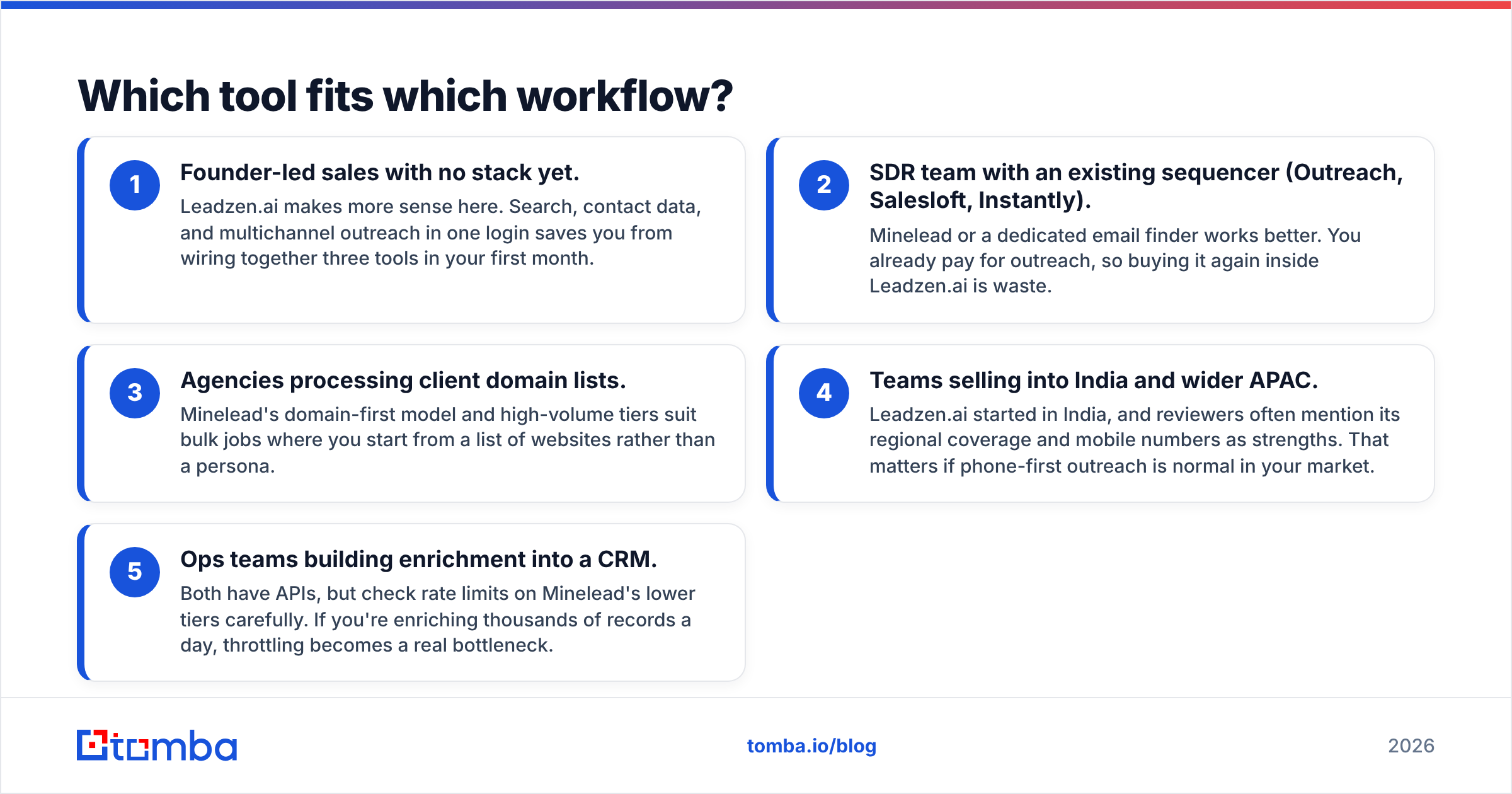
Your workflow should drive the choice more than the feature list. These are the buyer profiles we see most often:
- Founder-led sales with no stack yet. Leadzen.ai makes more sense here. Search, contact data, and outreach live in one login. That saves you from wiring together three tools in your first month.
- SDR team with an existing sequencer (Outreach, Salesloft, Instantly). Minelead or a dedicated email finder works better. You already pay for outreach, so buying it again inside Leadzen.ai is waste.
- Agencies processing client domain lists. Minelead's domain-first model suits bulk jobs. You start from a list of websites, not a persona.
- Teams selling into India and wider APAC. Leadzen.ai started in India. Reviewers often praise its regional coverage and mobile numbers. That matters if phone-first outreach is normal in your market.
- Ops teams building enrichment into a CRM. Both have APIs. Check rate limits on Minelead's lower tiers with care. If you enrich thousands of records a day, throttling becomes a real bottleneck.
How accurate is the email data from each tool?#
On accuracy, Leadzen.ai vs Minelead calls for some caution. The honest answer is "it depends on the segment."

Minelead builds its results from domain crawling and pattern detection. It then checks them with SMTP tests. That works well for small and mid-size firms with simple formats (first.last@company.com). It struggles where every pattern-based finder struggles:
- Catch-all domains, where the mail server accepts every address and SMTP checks can't confirm anything
- Large enterprises with mixed formats across subsidiaries
- Recent job changes, where a "valid" address belongs to someone who has left
Leadzen.ai pairs its database with live lookups through the LinkedIn extension. That helps with freshness, because you see the person's current role. But a database product is only as good as its last refresh. Reviews on aggregator sites are mixed on bounce rates. Some users report clean results. Others report stale records in Western markets.
Whichever tool you choose, don't send to unverified addresses. Run every export through a dedicated email verifier before it reaches your sequencer. Treat catch-all results as a separate risk tier with lower send volume. A 5% bounce rate on a new domain can hurt your sender reputation for weeks.
How does pricing actually work out per contact?#
Headline plan prices can mislead you. What matters is the cost per usable contact.
Minelead has a very low entry price. Its lower tiers list a few thousand credits for under $20/mo. A larger Business tier covers high volume with multi-user access. For email-only prospecting, the cost per email is hard to beat.
The catch is that you still pay for other tools. You may need a sequencer, a phone data tool, and a second verifier for catch-alls.
Leadzen.ai starts higher. Third-party listings such as G2-style aggregators and TrustRadius put the Standard plan around $133/mo. Higher tiers cost more. Its meeting packages are priced per confirmed meeting and run into the thousands. That's a very different purchase, closer to hiring an agency than buying software.
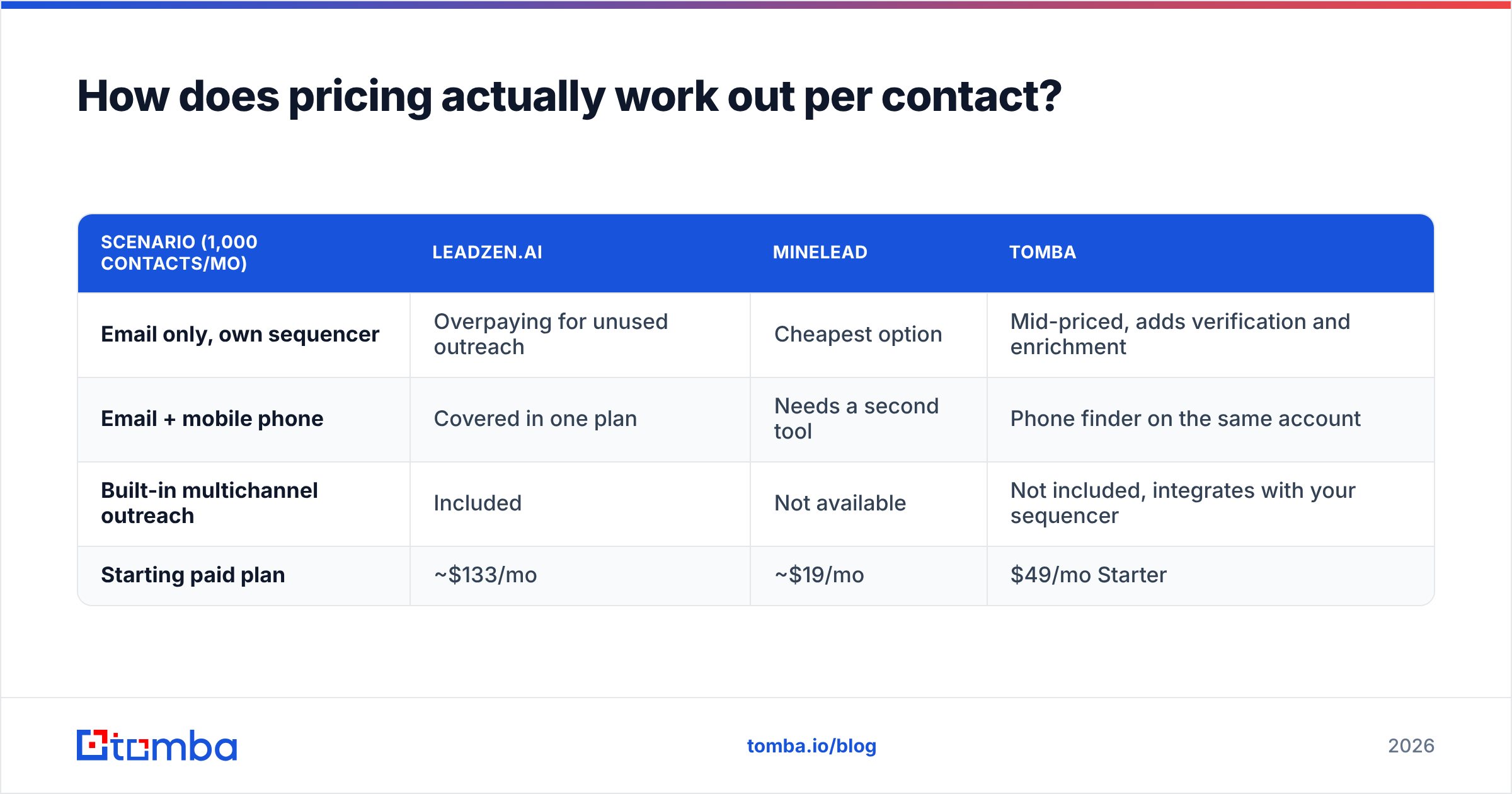
Here's a practical way to compare Leadzen.ai vs Minelead on cost:
| Scenario (1,000 contacts/mo) | Leadzen.ai | Minelead | Tomba |
|---|---|---|---|
| Email only, own sequencer | Overpaying for unused outreach | Cheapest option | Mid-priced, adds verification and enrichment |
| Email + mobile phone | Covered in one plan | Needs a second tool | Phone finder on the same account |
| Built-in multichannel outreach | Included | Not available | Not included, integrates with your sequencer |
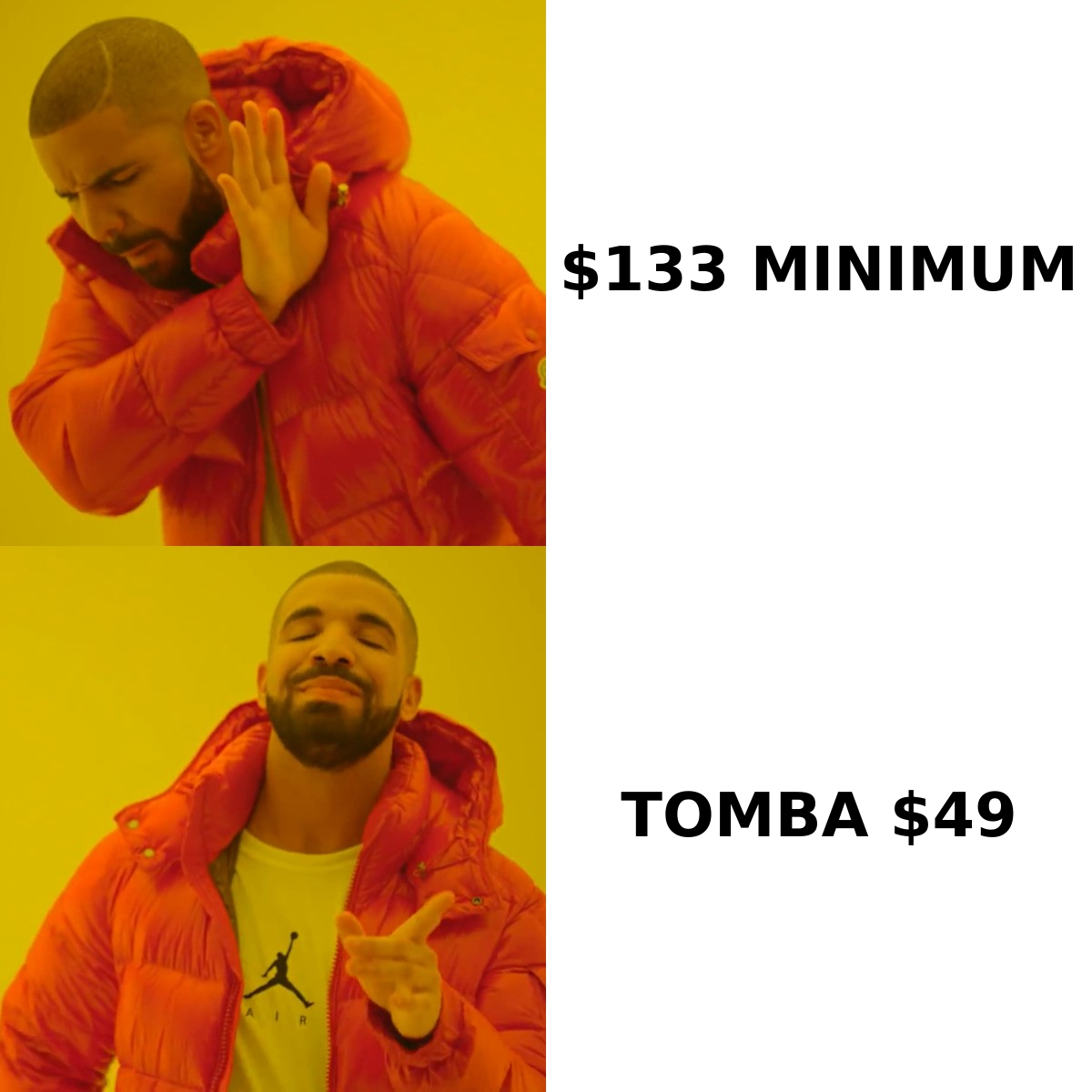
| Starting paid plan | ~$133/mo | ~$19/mo | $49/mo Starter |
If you only need emails, Leadzen.ai's bundle is expensive. If you'd otherwise buy phone data and an outreach tool on top of Minelead, the gap closes quickly.
What do users like and dislike about each?#
Based on reviews on sites like G2 and GetApp, here's what comes up most often.
Leadzen.ai: what users like
- Plain-language search that turns an ICP description into a list quickly
- Phone numbers alongside emails, which helps call-heavy teams
- LinkedIn overlay that shows contact data without switching tabs
- One console for prospecting and multichannel outreach
Leadzen.ai: what users dislike
- Higher entry price than pure-play email finders
- Data quality varies by region, and some Western-market users report stale records
- The outreach layer won't replace a mature sequencer for large teams
Minelead: what users like
- A free tier with no card, so you can test before paying
- Simple, fast domain search
- Very low cost per credit on paid tiers
Minelead: what users dislike
- Email-first scope with no real phone data or outreach
- API throttling on lower plans
- The usual pattern-finder limits on catch-all and enterprise domains
Is Leadzen.ai better than Minelead?#
In Leadzen.ai vs Minelead, neither is better overall. Each is better for a certain kind of team.
Leadzen.ai is the better choice if:
- You need phone numbers as well as emails
- You want AI-assisted list building instead of manual filtering
- You don't have an outreach tool yet and want everything in one place
- You prospect heavily in India or APAC
Minelead is the better choice if:
- You mostly need email addresses from known domains
- Budget matters most
- You already run a sequencer and CRM
- You want to try a tool for free before committing
Maybe you're in the middle. You have a sequencer and need reliable emails plus some enrichment. You don't want to pay for bundled outreach. In that case, look at a dedicated finder with strong verification. That's the gap tools like Tomba fill. Its domain search works like Minelead's core flow. Phone, LinkedIn, and enrichment data sit on the same account.
Where does Tomba fit alongside these two?#
To be fair to both vendors: Tomba doesn't try to be Leadzen.ai. It has no built-in WhatsApp or dialer outreach and no done-for-you meetings. If that's what you want, Leadzen.ai is the more direct fit.
Tomba competes on the email-finder side, with a broader set of tools than Minelead:
- Email Finder and Domain Search: find addresses by name and company or pull every public address on a domain
- Email Verifier and Catch-All Verifier: a separate check for the catch-all domains that trip up pattern finders
- Phone Finder and LinkedIn Finder: add phone and profile data without a second vendor
- Enrichment and API: push company and person data into HubSpot, Salesforce, or Pipedrive
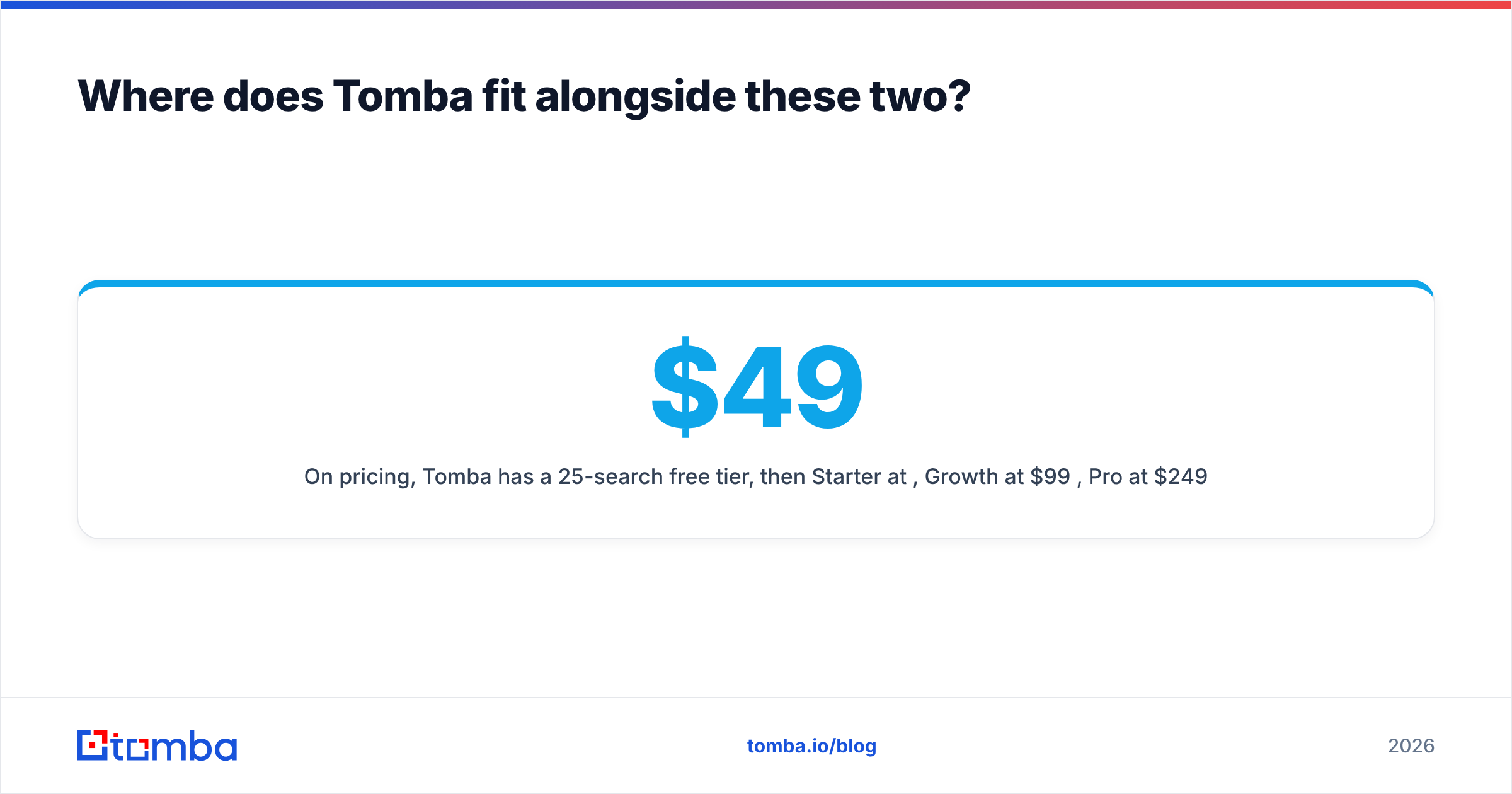
On pricing, Tomba has a 25-search free tier. Then comes Starter at $49/mo, Growth at $99/mo, Pro at $249/mo, and custom Enterprise plans. Full Tomba pricing is public. That puts it above Minelead's entry tier and below Leadzen.ai's. You pay mainly for data accuracy and verification, not bundled outreach.
How should you choose in practice?#
Before you settle Leadzen.ai vs Minelead with an annual contract, run a quick bake-off:
- Build a 100-contact test list from your real ICP, not a generic sample. Include a few enterprise and catch-all domains on purpose.
- Run the same list through each tool's free tier or trial. Minelead and Tomba both have free tiers. Ask Leadzen.ai for a trial or demo credits.
- Verify every result with the same verifier. That way you compare data quality, not each vendor's own checks.
- Count usable contacts, meaning valid emails for people who still hold that role. Raw "found" rates are marketing numbers.
- Divide plan cost by usable contacts at your expected monthly volume.
- Add the tools you'd still need to buy: sequencer, phone data, second verifier. That total is your real price.
This takes an afternoon. It saves you from finding out in month three that half your list bounces.
Final verdict: Leadzen.ai vs Minelead#
For all-in-one prospecting with phones and outreach, especially in APAC, choose Leadzen.ai. Budget $133/mo or more.
For cheap, email-only domain search where you already have the rest of your stack, choose Minelead. Start on the free tier.
Want accurate emails, catch-all handling, and enrichment without paying for outreach you won't use? Try Tomba Email Finder. You get 25 free searches a month to test it against your own ICP. Run your 100-contact bake-off through it next to the other two. Verify everything, and keep whichever tool gives you the most usable contacts per dollar.
Related guides#
// get started
Find, verify and enrich your first contacts today
Start on the free plan with 25 searches a month, then scale when your team is ready.
Free plan · No credit card required · GDPR & CCPA
Get the Tomba newsletter
Product and data updates
// about the author