Close a Deal Meaning: What It Really Means in B2B Sales
"Closing a deal" sounds simple, but the meaning trips up new reps daily. Here's what it actually means, when a deal is truly closed, and how to get there faster.
TL;DR
- "Close a deal" means moving a prospect from interested to committed — a signed contract, a paid invoice, or a formal agreement that revenue is booked. It is the final step of the sales process, not a single magic phone call.
- In B2B, a deal is only truly "closed" when the paperwork is signed and the terms are locked. Verbal "yes" answers, handshakes, and "send me the contract" emails are promising, but they are not a close.
- Closing is the result of everything upstream: good prospecting, clean contact data, qualification, discovery, and handling objections. Skip those and the close stalls.
- "Closing techniques" (assumptive close, urgency close, summary close) help, but they only work on deals that were qualified properly in the first place.
- The fastest way to close more deals is to spend less time chasing bad-fit or unreachable prospects — which starts with accurate contact data at the top of the funnel.
What does "close a deal" actually mean?#
Closing a deal means finalizing an agreement where a prospect formally commits to buy — signature, payment, or a binding contract that books the revenue. It is the moment a "maybe" becomes a customer.
Think of a sales cycle like a relay race. Prospecting hands off to qualification, qualification hands off to discovery, discovery hands off to the proposal, and the close is the runner crossing the finish line. The close gets all the applause, but the race was won or lost long before that final stretch.
That distinction matters because a lot of reps confuse interest with commitment. A prospect saying "this looks great, let me run it by my team" feels like a close. It is not. Until the terms are agreed and the signature (or purchase order, or payment) lands, the deal is still open — and open deals slip.
In practice, "closing a deal" carries three layers of meaning depending on who you ask:
- The transactional meaning — a signed contract or completed payment. This is the definition finance and RevOps care about, because it is when revenue is recognized.
- The process meaning — the final stage of the sales pipeline, where a rep asks for the business and resolves the last objections.
- The everyday meaning — any successful agreement, even outside sales ("we closed the deal on the house").
For B2B sellers, all three collapse into one practical test: Is the money committed and the paperwork done? If the answer is no, you have not closed.
When is a deal really "closed"?#
Here is where new reps and their managers most often disagree. A deal is closed when it is contractually and financially locked — not when it feels done.
Use this checklist to sanity-check any deal your gut says is closed:
- Signed agreement. An executed contract, order form, or MSA — not a verbal agreement.
- Agreed terms. Price, scope, start date, and payment schedule are all documented.
- Authorized signer. The person who signed actually has budget authority, not just enthusiasm.
- Payment path. A PO number, invoice, or payment method is in motion.
- No open contingencies. No "pending legal review" or "once we get budget approved next quarter."
If any of those are missing, the deal is in "commit" or "verbal" stage — a forecasting category, not a closed one. Treating it as closed is how pipelines get inflated and quarters get missed.
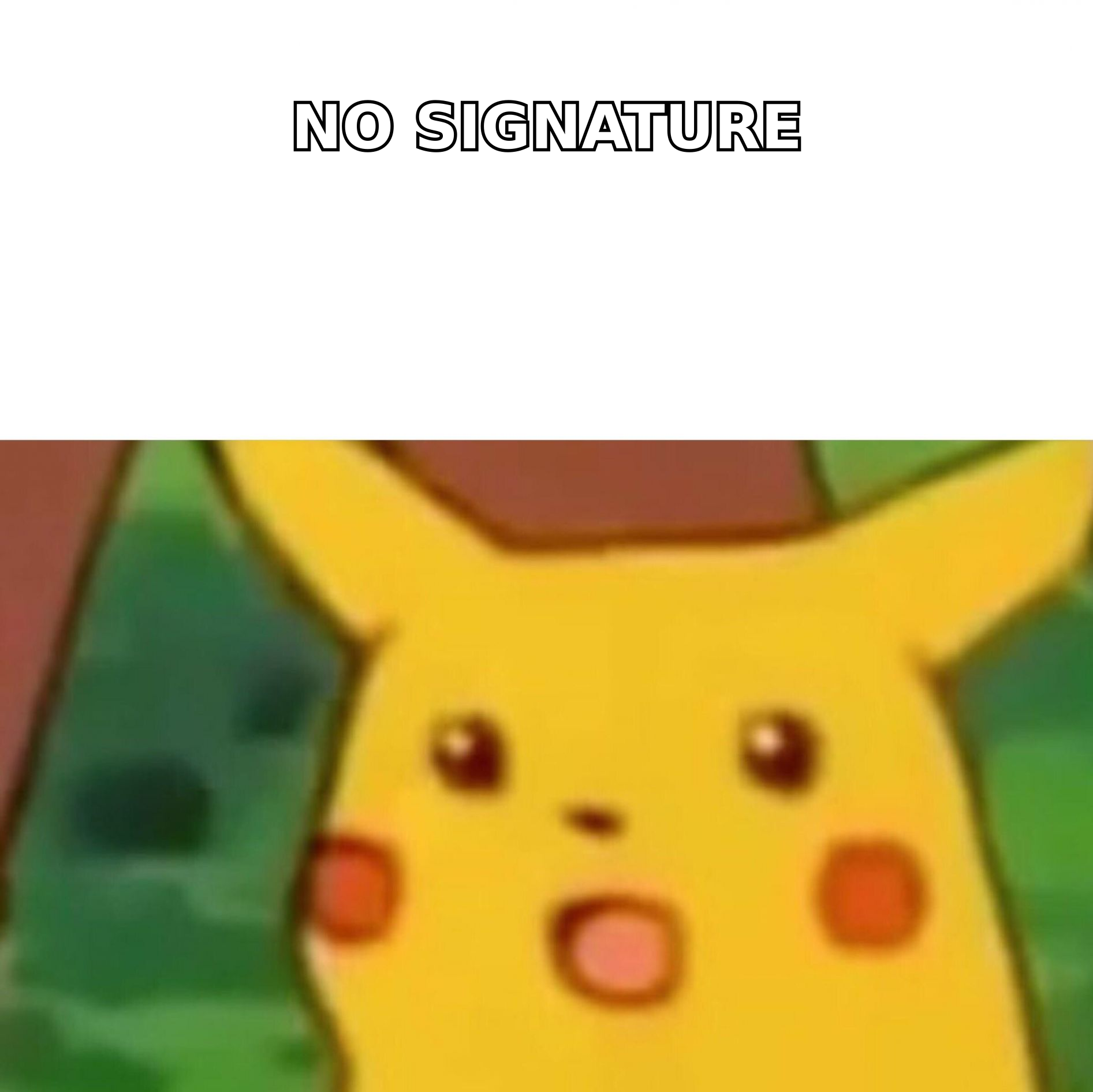
The gap between "they said yes" and "they signed" is where most forecast misses live. A deal that has been verbally agreed but not signed for three weeks is not a slow close — it is a warning sign that something upstream (budget, authority, or timing) was never fully qualified.
What are the stages that lead to a close?#
You cannot understand the close a deal meaning without seeing the steps that make it possible. Closing is a lagging indicator; the leading work happens earlier.
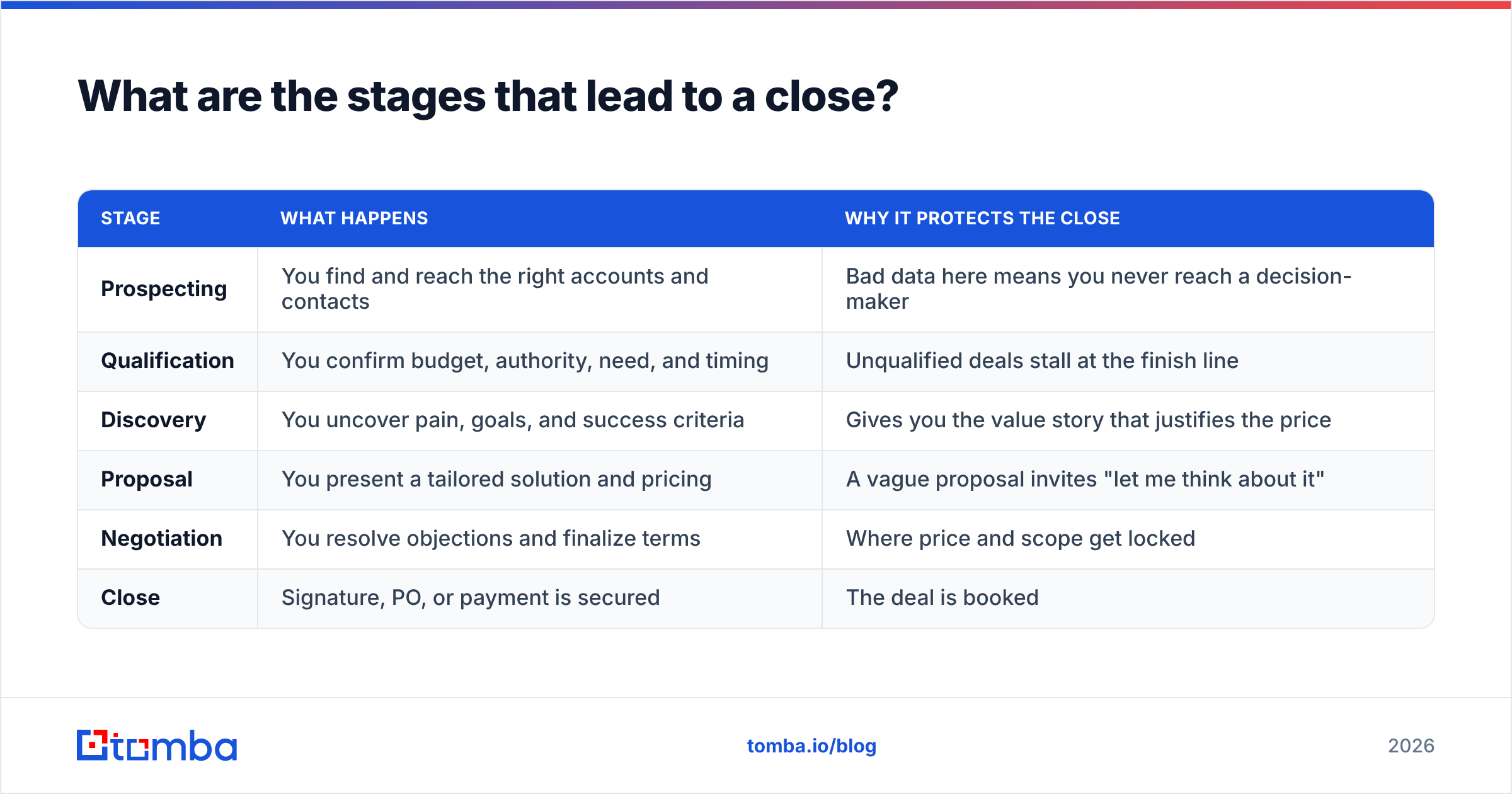
Here is how the stages map to the outcome:
| Stage | What happens | Why it protects the close |
|---|---|---|
| Prospecting | You find and reach the right accounts and contacts | Bad data here means you never reach a decision-maker |
| Qualification | You confirm budget, authority, need, and timing | Unqualified deals stall at the finish line |
| Discovery | You uncover pain, goals, and success criteria | Gives you the value story that justifies the price |
| Proposal | You present a tailored solution and pricing | A vague proposal invites "let me think about it" |
| Negotiation | You resolve objections and finalize terms | Where price and scope get locked |
| Close | Signature, PO, or payment is secured | The deal is booked |
Notice that the close is a single row at the bottom. The other five rows are what actually determine whether it happens. Reps who obsess over "closing techniques" while neglecting prospecting and qualification are polishing the last 5% of a process that fails in the first 50%.
This is also why contact quality matters so much. If your prospecting stage is built on guessed emails and stale phone numbers, every downstream stage inherits that weakness. Getting a verified decision-maker on the line early is what makes a clean close possible later. Tools like a dedicated email finder exist precisely to keep that top-of-funnel stage accurate.
Is closing a deal the same as "sealing the deal"?#
Mostly yes — but the nuance is worth knowing. "Sealing the deal" is the informal cousin of "closing the deal," and people use them interchangeably. The phrase comes from the historical practice of pressing a wax seal onto a signed document to make it binding, which is a surprisingly literal metaphor for what a modern close is: making the agreement official and irreversible. (You can read the broader background on the sales process if you want the academic version.)
The distinction sellers should keep:
- Close the deal — the professional, process-oriented term. Used in CRMs, forecasts, and pipeline reviews.
- Seal the deal — the conversational term, often used for the final gesture that removes all doubt ("the on-site demo sealed the deal").
Both point to the same outcome: commitment locked in.
Why do deals fail to close?#
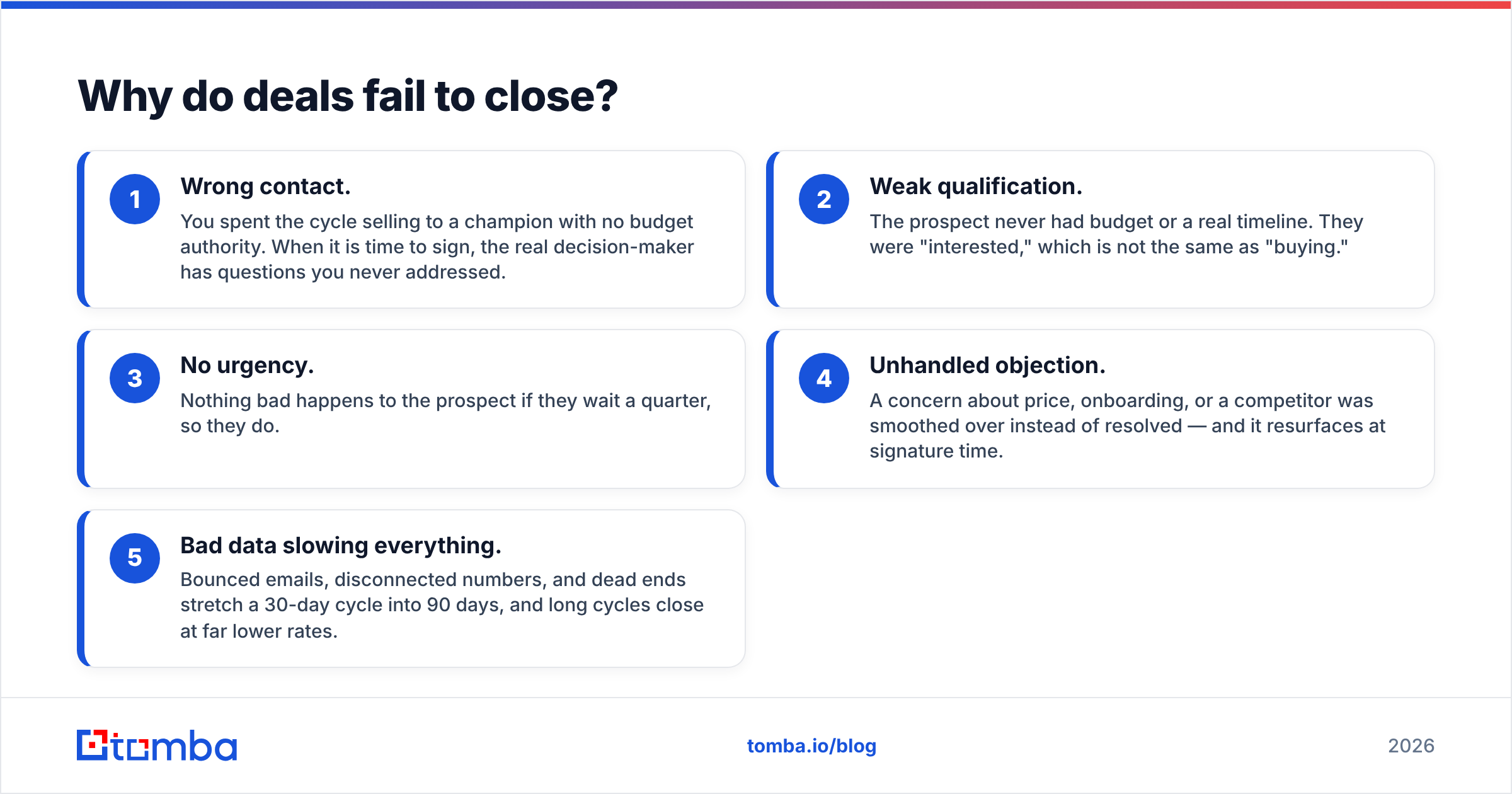
Deals rarely die at the close for reasons that show up at the close. They die because of gaps that were ignored earlier. The most common culprits:
- Wrong contact. You spent the cycle selling to a champion with no budget authority. When it is time to sign, the real decision-maker has questions you never addressed.
- Weak qualification. The prospect never had budget or a real timeline. They were "interested," which is not the same as "buying."
- No urgency. Nothing bad happens to the prospect if they wait a quarter, so they do.
- Unhandled objection. A concern about price, onboarding, or a competitor was smoothed over instead of resolved — and it resurfaces at signature time.
- Bad data slowing everything. Bounced emails, disconnected numbers, and dead ends stretch a 30-day cycle into 90 days, and long cycles close at far lower rates.
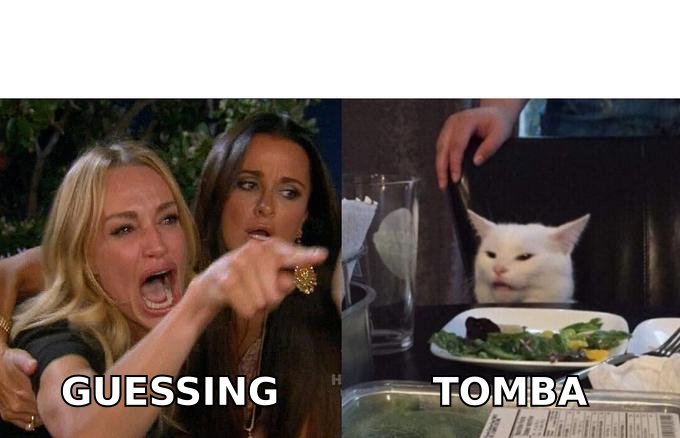
That last point is the quiet killer. Every extra week a deal stays open is another week for priorities to shift, budgets to freeze, or a competitor to appear. Anything that shortens the cycle — including reaching the right person the first time — directly improves close rates. Verifying contacts with an email verifier before you invest a full cycle keeps you from pouring effort into unreachable prospects.
How do you actually close a deal? (Techniques that work)#
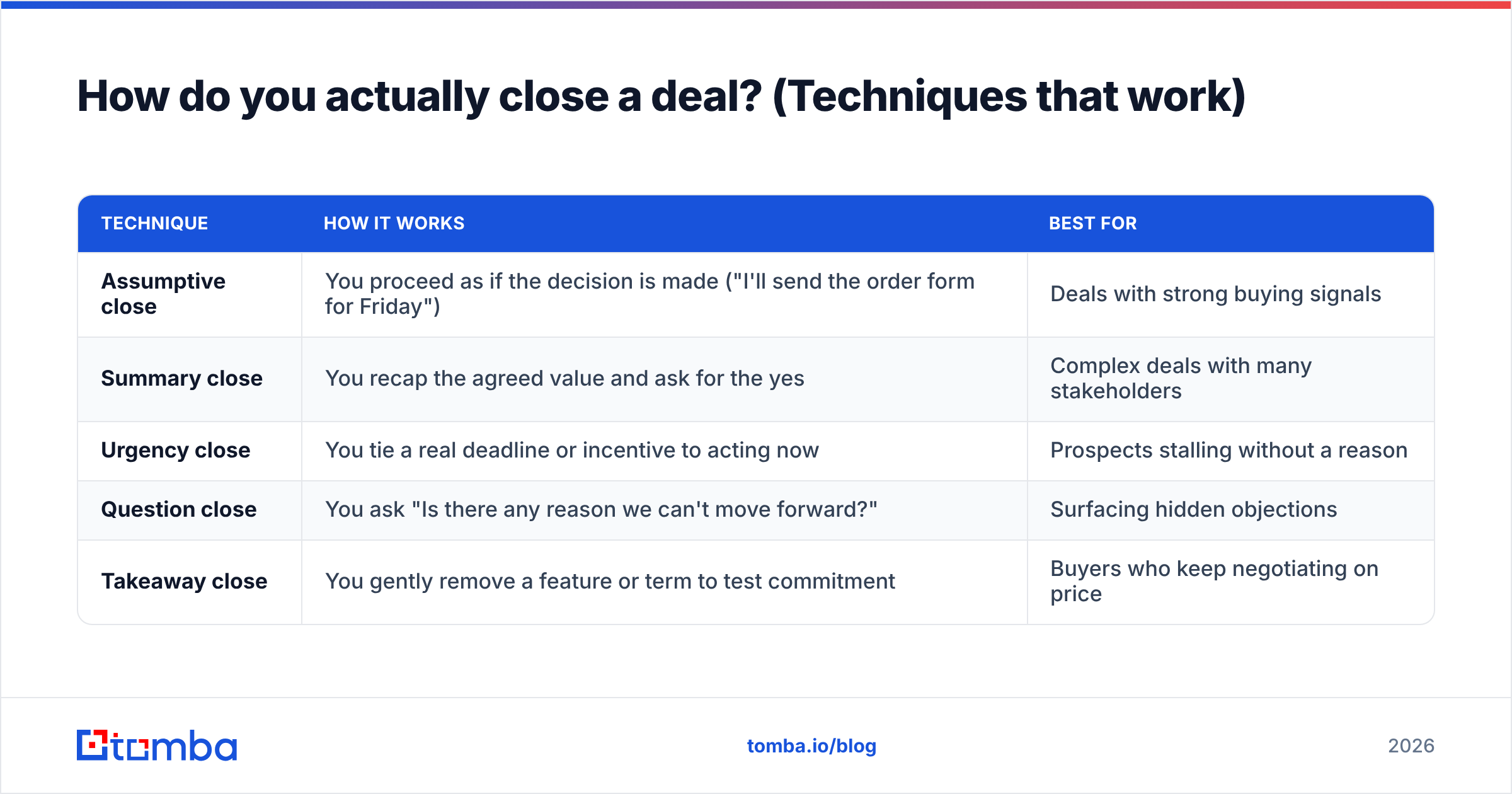
Once a deal is genuinely qualified, a handful of closing techniques help you ask for the business without being pushy. None of them are tricks — they are structured ways to make a decision easy.
| Technique | How it works | Best for |
|---|---|---|
| Assumptive close | You proceed as if the decision is made ("I'll send the order form for Friday") | Deals with strong buying signals |
| Summary close | You recap the agreed value and ask for the yes | Complex deals with many stakeholders |
| Urgency close | You tie a real deadline or incentive to acting now | Prospects stalling without a reason |
| Question close | You ask "Is there any reason we can't move forward?" | Surfacing hidden objections |
| Takeaway close | You gently remove a feature or term to test commitment | Buyers who keep negotiating on price |
The rule that makes all of these work: close throughout the deal, not just at the end. Every meeting should end with a small commitment — a next step, an intro to another stakeholder, a date for the next call. These "micro-closes" mean the final close is just the natural last step, not a dramatic ask.
A second rule: silence is a tool. After you ask for the business, stop talking. The first person to speak often concedes, and letting the prospect fill the silence usually surfaces the real objection or the actual yes.
How does better data help you close more deals?#
The single biggest lever on close rate is who you start with — and that is a data problem before it is a selling problem. You can be the best closer in the building, but if half your pipeline is bad-fit accounts or contacts you can't reach, your numbers will lag.
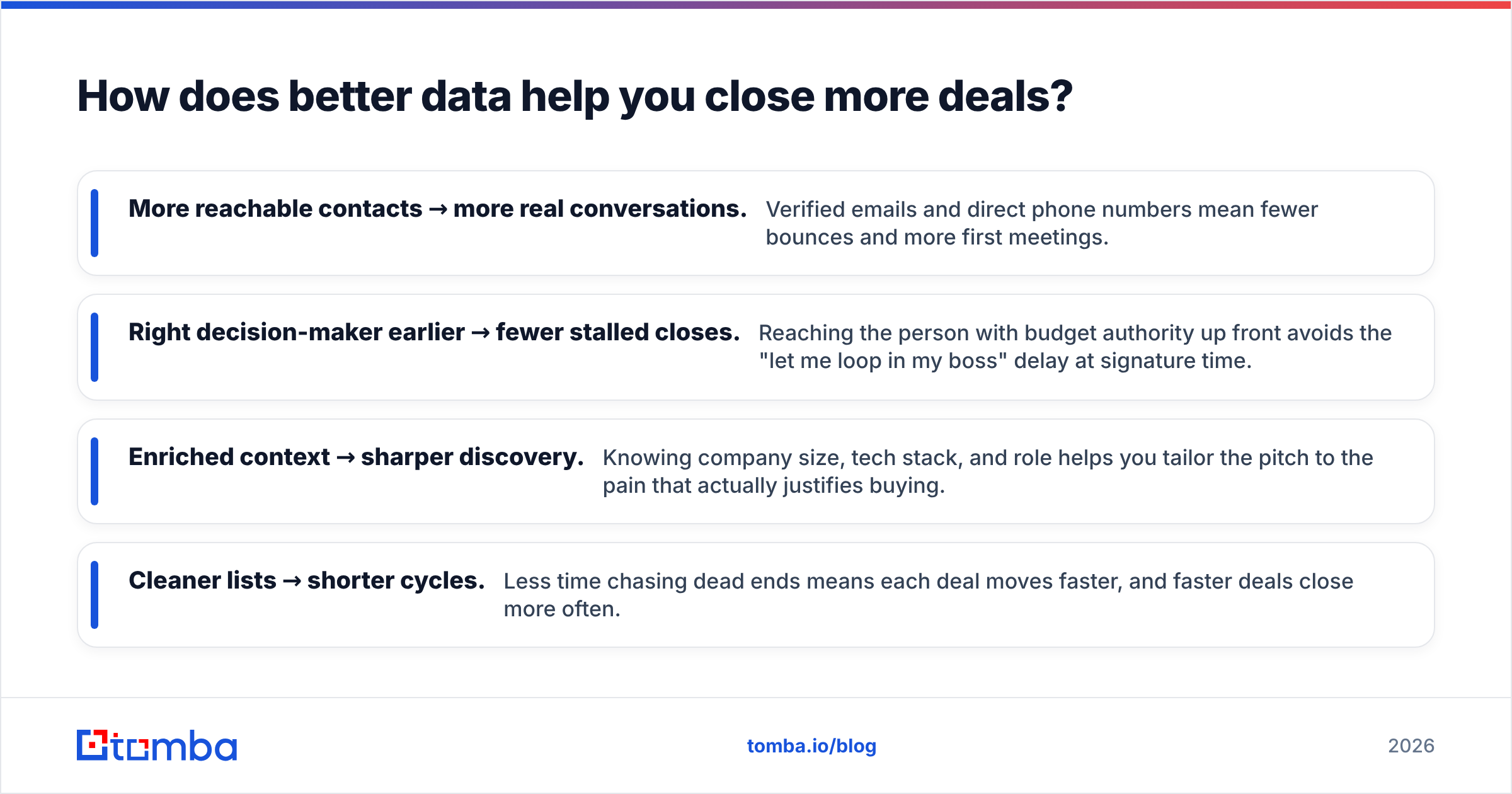
Here is the connection, made concrete:
- More reachable contacts → more real conversations. Verified emails and direct phone numbers mean fewer bounces and more first meetings.
- Right decision-maker earlier → fewer stalled closes. Reaching the person with budget authority up front avoids the "let me loop in my boss" delay at signature time.
- Enriched context → sharper discovery. Knowing company size, tech stack, and role helps you tailor the pitch to the pain that actually justifies buying.
- Cleaner lists → shorter cycles. Less time chasing dead ends means each deal moves faster, and faster deals close more often.
This is why closing and prospecting are two ends of the same rope. If you want to compare how different platforms stack up on data accuracy, independent review sites like G2 are a reasonable neutral starting point, and vendor documentation such as HubSpot's sales resources covers the process side in depth.
For teams that want to feed their pipeline with verified, decision-maker-level contacts, Tomba offers domain search to map every reachable email at a target company and data enrichment to fill in the context your reps need to sell. Both start at a Tomba plan with a free tier of 25 searches a month, so you can test the impact on your close rate before committing.
Frequently asked questions#
Does "close a deal" always mean a signed contract? In B2B, effectively yes — a deal is closed when the commitment is binding, whether that is a signed contract, a purchase order, or a completed payment. A verbal yes is a strong signal, but it is not a close until it is documented.
What is the difference between "closing" and "won"? They usually mean the same outcome. "Closed-won" is the CRM term for a deal that ended in a sale, as opposed to "closed-lost." When people say they "closed a deal," they mean closed-won.
How long should closing a deal take? It depends on deal size and complexity, but the goal is to keep the cycle as short as the buyer's real decision process allows. Long cycles usually signal a qualification or data gap, not a patient buyer.
Can you close a deal without meeting in person? Absolutely. Most B2B deals now close remotely over video, email, and e-signature. What matters is that the terms are agreed and the agreement is executed — not the room you were in.
The bottom line#
Closing a deal means turning interest into a binding commitment — signature, payment, or contract — and it is the payoff for doing everything upstream well. The reps who close the most are rarely the smoothest talkers; they are the ones who started with the right accounts, reached the right people, qualified honestly, and treated the close as the natural end of a clean process.
If your close rate is stalling, look upstream first. Start with the quality and reachability of the contacts entering your pipeline. Try the Tomba Email Finder to put verified decision-maker emails at the top of your funnel — because the easiest deal to close is the one you started with the right person.
Related guides#
// get started
Find, verify and enrich your first contacts today
Start on the free plan with 25 searches a month, then scale when your team is ready.
Free plan · No credit card required · GDPR & CCPA
// about the author