9 Best Crisp Alternatives in 2026: Compared and Ranked
Crisp is cheap, fast, and flat-rate — until you need real routing, CRM depth, or lead data behind the chat widget. Here are 9 Crisp alternatives that fix specific gaps, with honest pricing and who each one is actually for.
TL;DR
- Crisp wins on price predictability: flat per-workspace billing instead of per-seat, so a 12-person support team costs the same as a 3-person one.
- It loses on depth: skill-based routing, granular reporting, workflow automation, and native CRM data are thinner than Intercom, Zendesk, or Freshchat.
- The best Crisp alternative depends on the gap you're solving — cost (Tawk.to, Chatwoot), AI resolution (Intercom, Freshchat), ecosystem (HubSpot, Zoho), or self-hosting (Chatwoot).
- Most teams evaluating chat tools are actually solving a pipeline problem, not a messaging problem. Chat only converts traffic you already have.
- If your real bottleneck is "not enough qualified conversations," a chat migration won't fix it — enrichment and outbound data will.
What is Crisp and why do teams look for alternatives?#
Crisp is a customer messaging platform: a chat widget, a shared inbox, a chatbot builder, a help center, and a lightweight CRM, sold as one bundle. Its defining decision — the one that made it popular with bootstrapped SaaS teams — is workspace-based pricing instead of per-seat pricing. You pay for the workspace, then add agents without the bill climbing.
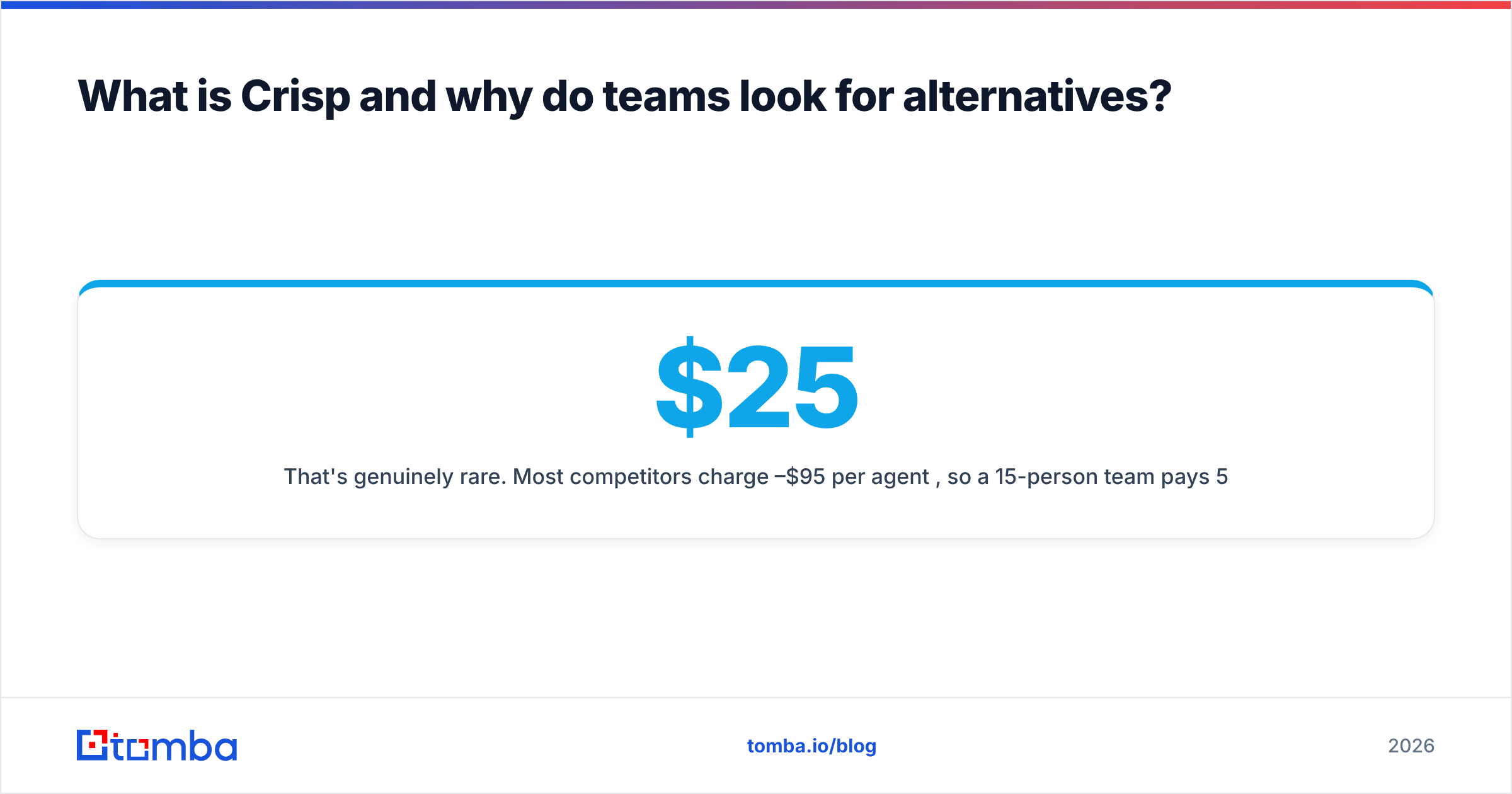
That's genuinely rare. Most competitors charge $25–$95 per agent per month, so a 15-person team pays 5x what a 3-person team does for identical software. Crisp doesn't work that way, and for a growing support team the savings are real.
So why do people search for Crisp alternatives at all? In practice, five reasons come up over and over:
- Routing is too simple. Crisp handles assignment and basic rules well, but skill-based routing, load balancing across shifts, and SLA-driven escalation are shallower than Zendesk or Freshdesk. Teams past ~15 agents feel it.
- Reporting stops where the questions start. You get volume, response time, and resolution basics. Cohort analysis, CSAT segmentation by plan tier, or agent-level trend dashboards mean exporting to a BI tool.
- AI resolution lags the leaders. Crisp ships AI features, but Intercom's Fin and Freshchat's Freddy have had more investment and more training surface. If deflection rate is your KPI, that gap is measurable.
- The CRM is a contact list, not a CRM. Crisp stores who talked to you. It doesn't tell you their company size, funding stage, tech stack, or whether they're worth a sales follow-up.
- Enterprise checkboxes. Advanced audit logs, granular permissions, and some compliance artifacts arrive later than on incumbent platforms.
None of those make Crisp a bad product. They make it a product with a defined ceiling — and knowing where the ceiling is beats discovering it after you've migrated 40,000 conversations.
How much does Crisp actually cost in 2026?#
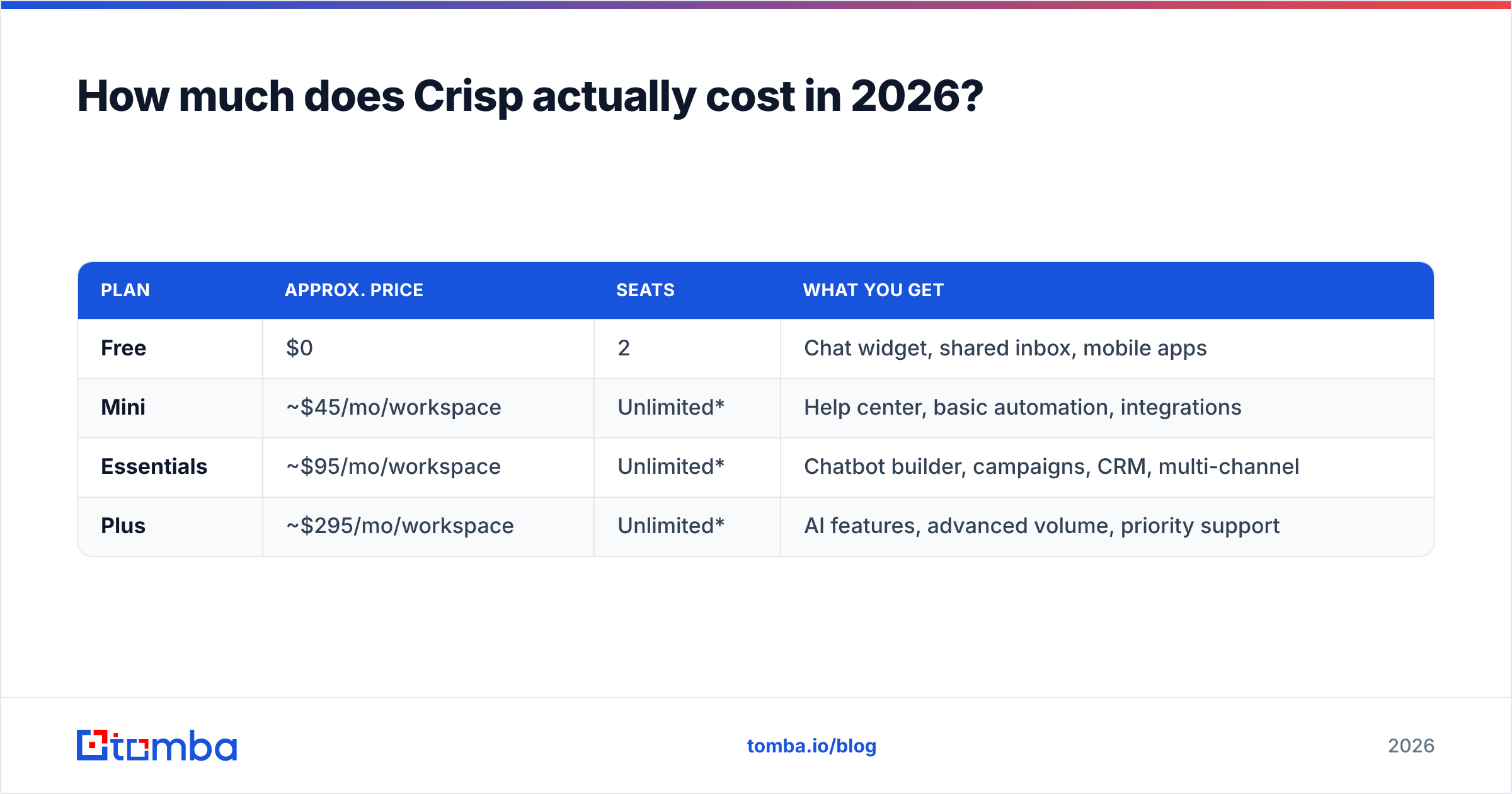
Pricing changes, so treat this as a directional map and confirm on Crisp's own pricing page before you buy. As of writing, the structure looks like this:
| Plan | Approx. price | Seats | What you get |
|---|---|---|---|
| Free | $0 | 2 | Chat widget, shared inbox, mobile apps |
| Mini | ~$45/mo/workspace | Unlimited* | Help center, basic automation, integrations |
| Essentials | ~$95/mo/workspace | Unlimited* | Chatbot builder, campaigns, CRM, multi-channel |
| Plus | ~$295/mo/workspace | Unlimited* | AI features, advanced volume, priority support |
*Seats are effectively uncapped relative to per-agent competitors, which is the whole point of Crisp's model.
The math that matters: at 4 agents, Crisp Essentials ($95 flat) versus a per-seat tool at $39/agent ($156) saves you about $60/month. At 20 agents, the same comparison is ~$95 versus ~$780. The bigger your team, the harder Crisp is to beat on cost alone — which is exactly why the honest reason to leave is capability, not price.
What are the best Crisp alternatives in 2026?#
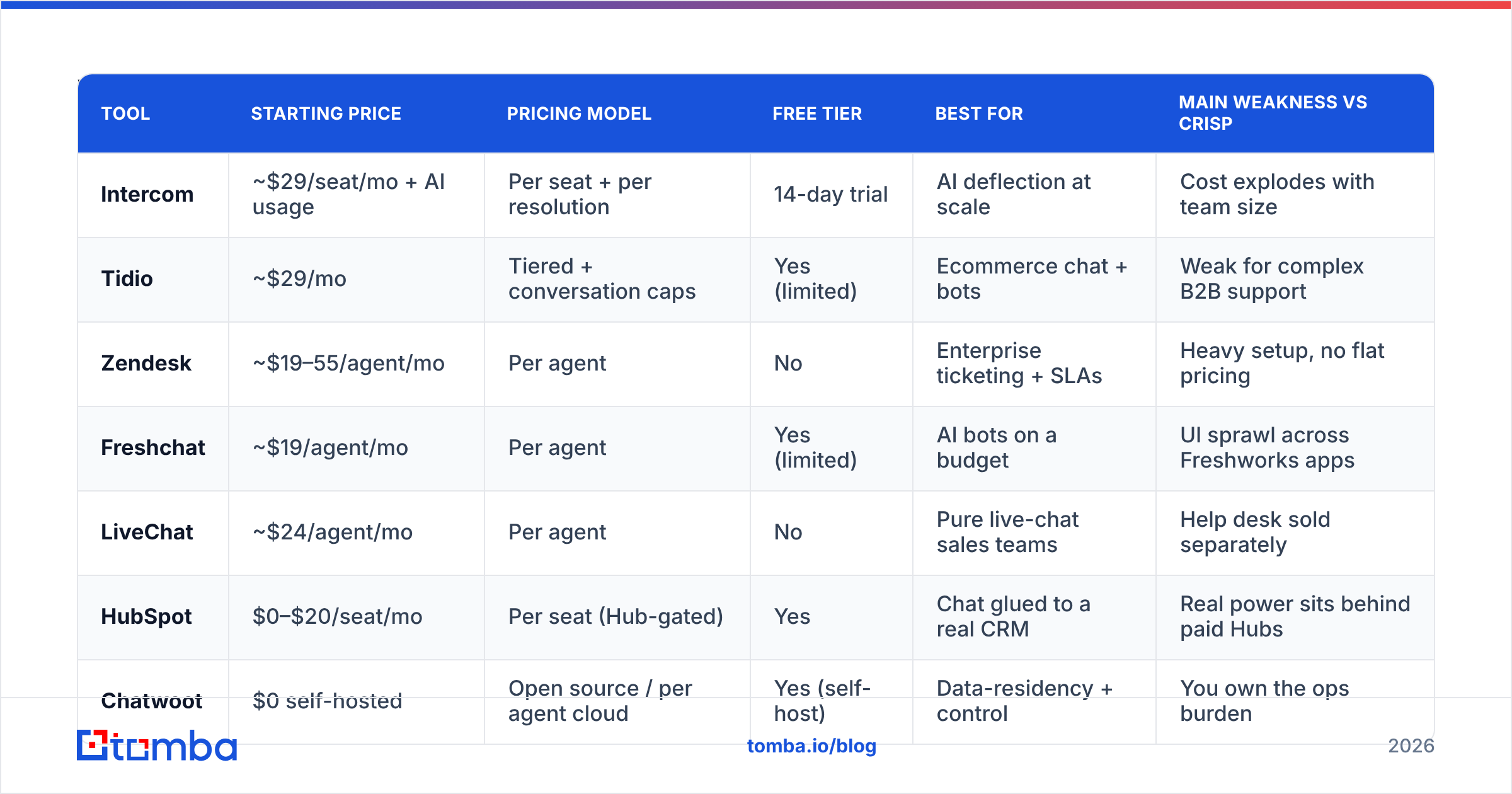
Here's the head-to-head. Prices are entry-level published rates at time of writing and move often; verify before you commit.
| Tool | Starting price | Pricing model | Free tier | Best for | Main weakness vs Crisp |
|---|---|---|---|---|---|
| Intercom | ~$29/seat/mo + AI usage | Per seat + per resolution | 14-day trial | AI deflection at scale | Cost explodes with team size |
| Tidio | ~$29/mo | Tiered + conversation caps | Yes (limited) | Ecommerce chat + bots | Weak for complex B2B support |
| Zendesk | ~$19–55/agent/mo | Per agent | No | Enterprise ticketing + SLAs | Heavy setup, no flat pricing |
| Freshchat | ~$19/agent/mo | Per agent | Yes (limited) | AI bots on a budget | UI sprawl across Freshworks apps |
| LiveChat | ~$24/agent/mo | Per agent | No | Pure live-chat sales teams | Help desk sold separately |
| HubSpot | $0–$20/seat/mo | Per seat (Hub-gated) | Yes | Chat glued to a real CRM | Real power sits behind paid Hubs |
| Chatwoot | $0 self-hosted | Open source / per agent cloud | Yes (self-host) | Data-residency + control | You own the ops burden |
| Tawk.to | $0 | Free + paid add-ons | Yes | Zero-budget chat | No serious automation or AI |
| Zoho SalesIQ | ~$10/user/mo | Per user | Yes (limited) | Zoho-native shops | Only makes sense inside Zoho |
Intercom — the AI-first upgrade#
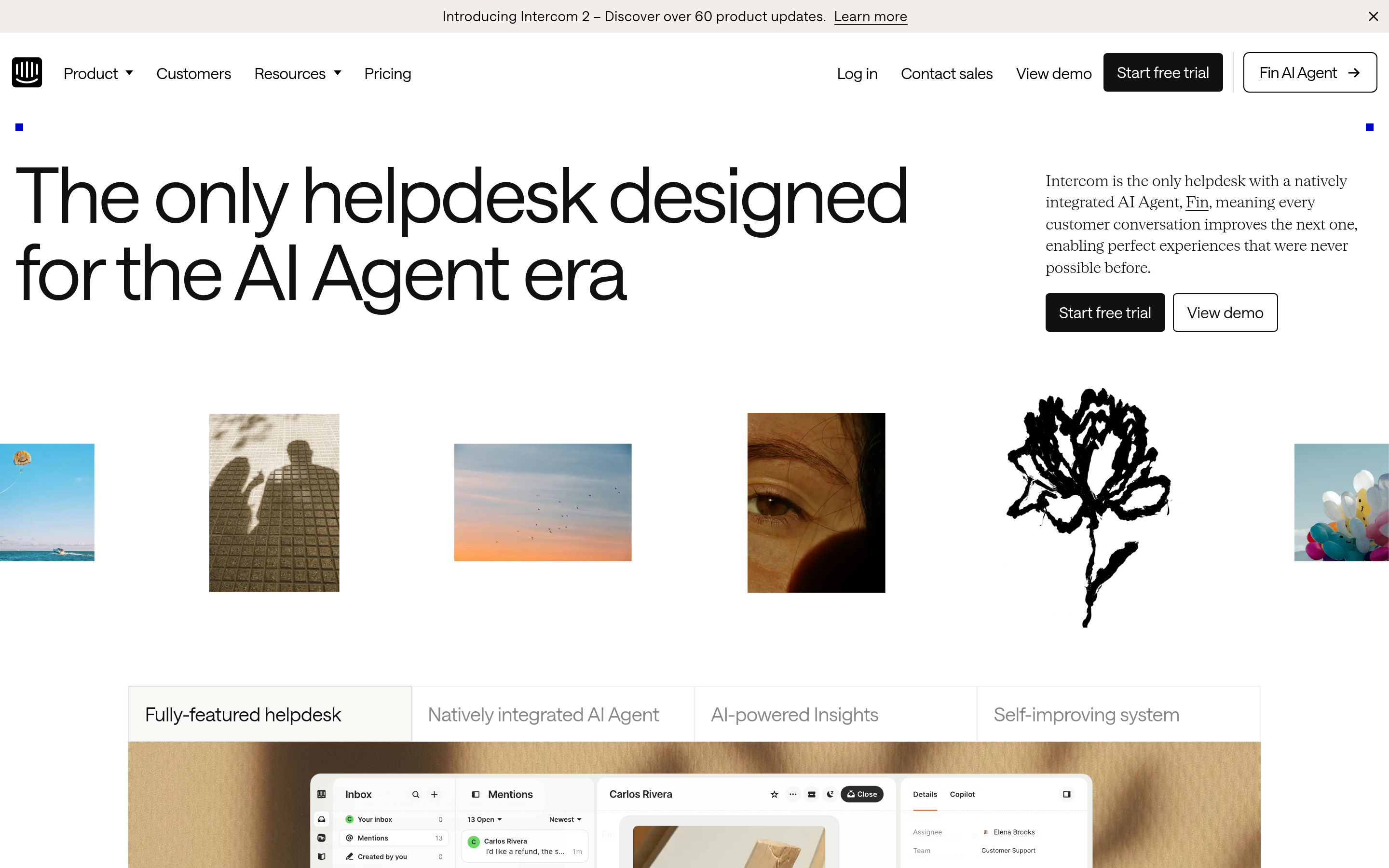
Intercom is what teams pick when deflection is the goal. Its AI agent resolves a meaningful share of tickets without a human, and its resolution-based pricing means you pay for outcomes rather than bot sessions. The catch is total cost: seats plus resolutions plus add-ons compounds fast, and a 20-agent team that left Crisp to "get better AI" can multiply its bill by 8–10x. Check current tiers on intercom.com and model your real ticket volume, not your optimistic one.
Pick Intercom if: you have >2,000 conversations/month and can prove that a 30% deflection rate pays for the delta.
Tidio — the ecommerce-shaped option#
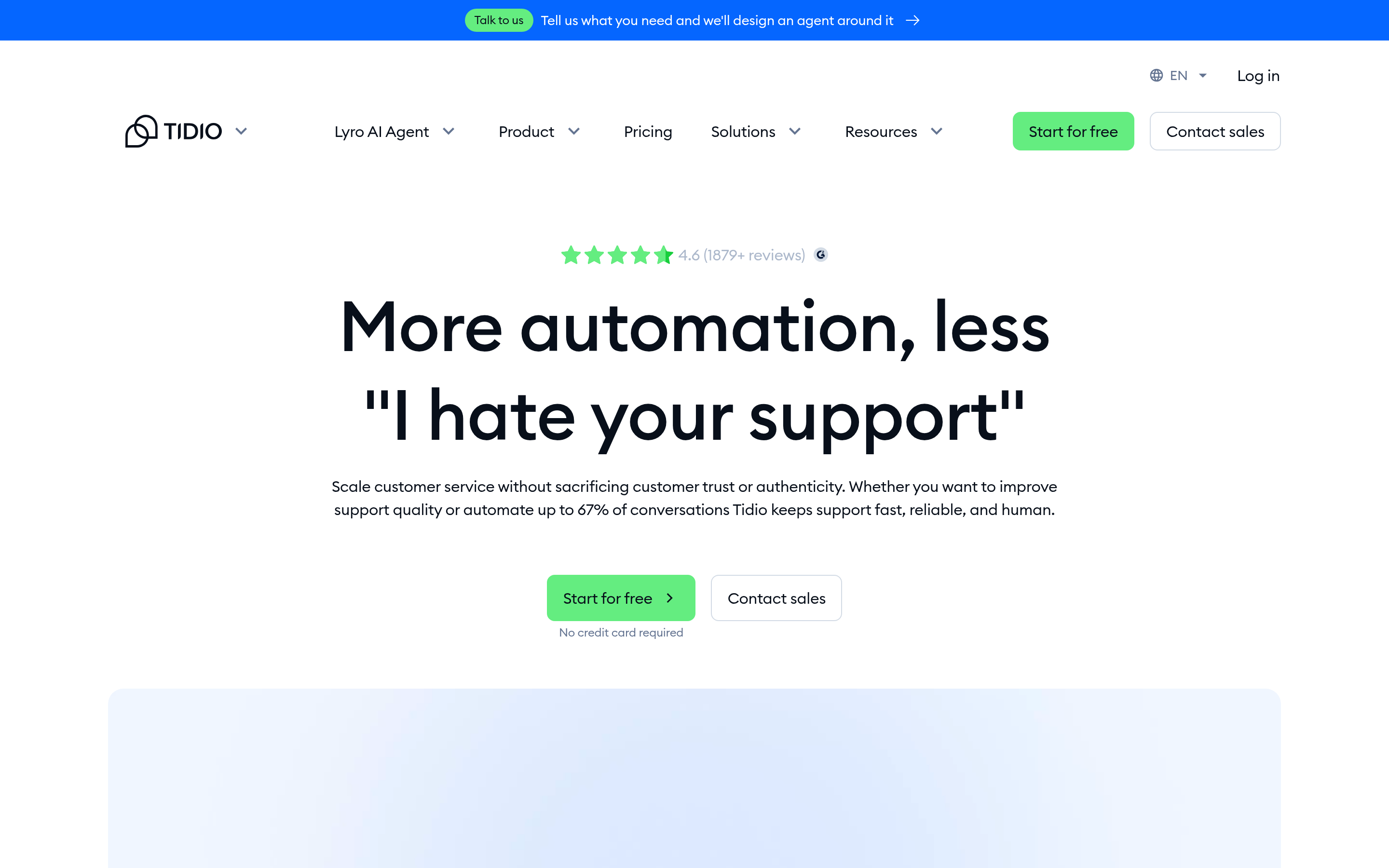
Tidio is built around storefront conversations: cart recovery, order lookups, product Q&A. Its AI agent (Lyro) handles a defined set of intents well. For a Shopify or WooCommerce store, it's a cleaner fit than Crisp. For a B2B SaaS with technical support tickets, it's the wrong shape.
Zendesk — the enterprise ticketing default#
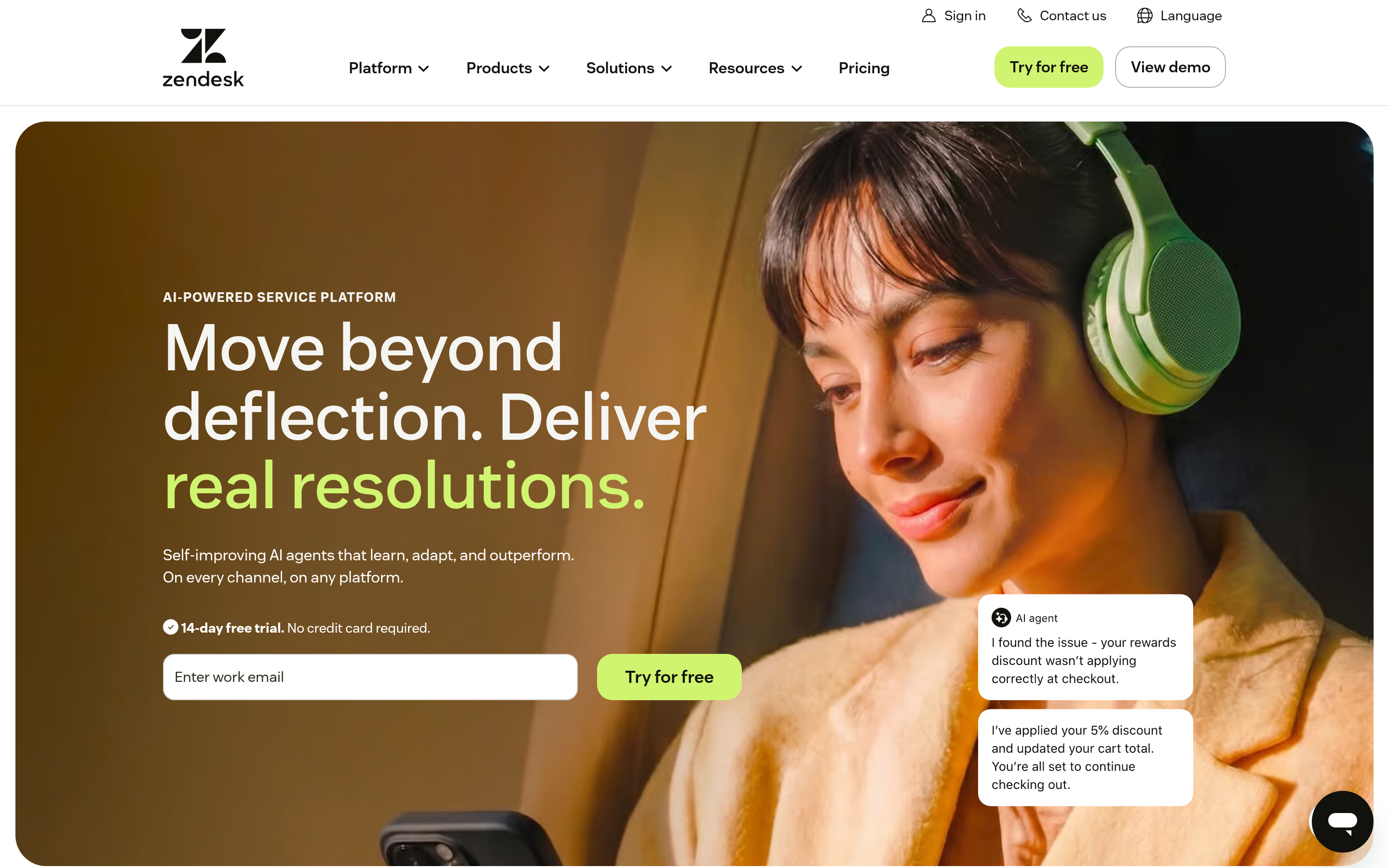
If you need SLA policies, skill-based routing, side conversations, and an audit trail your security team will accept, Zendesk is still the safe answer. It's also the opposite of Crisp philosophically: per-agent billing, long implementation, and a consultant ecosystem. Read the comparison grid on G2 before you assume it's overkill — sometimes it isn't.
Freshchat — the value-for-AI play#
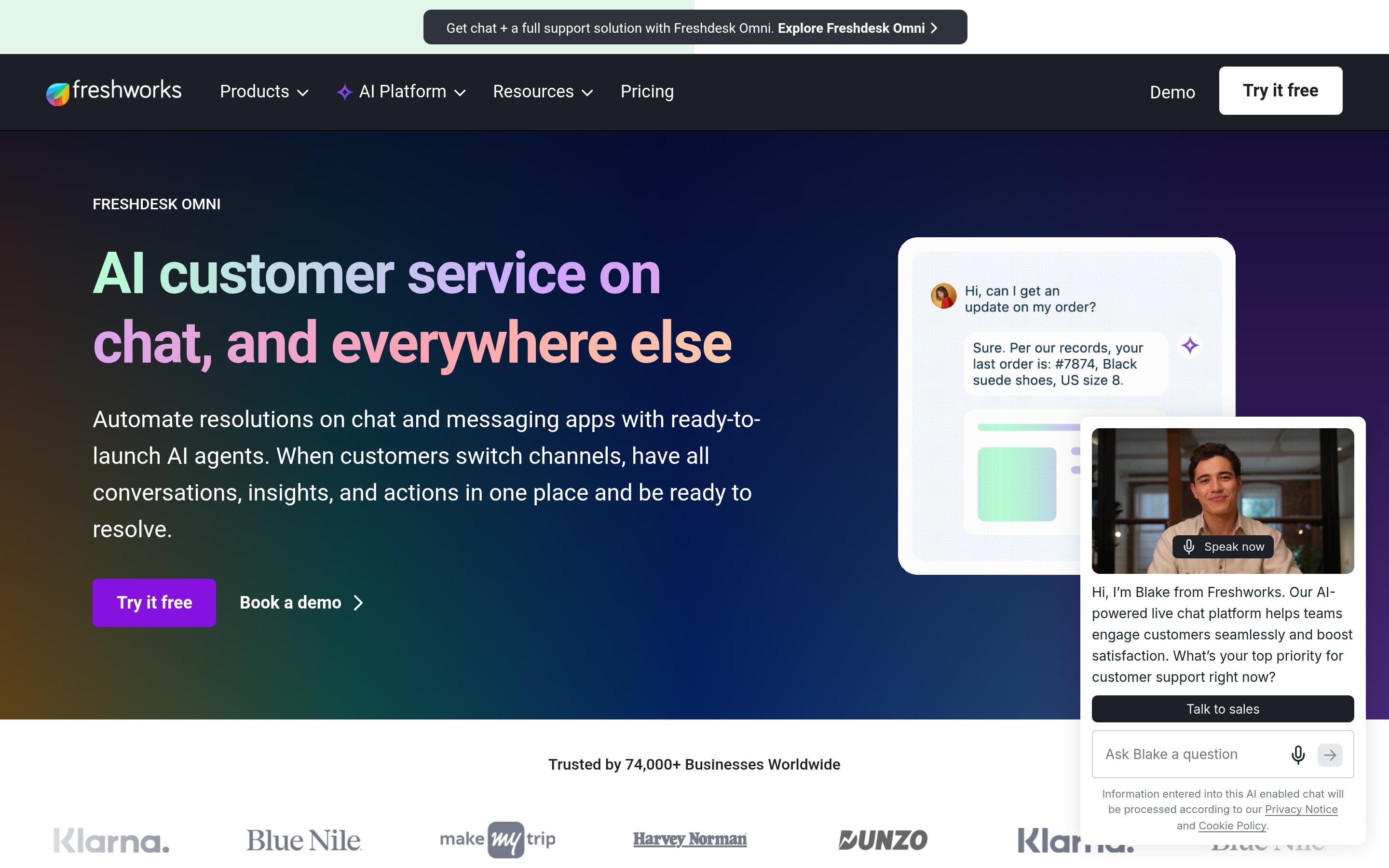
Freshchat gives you bot flows, AI assist, and multichannel messaging at a lower per-agent rate than Intercom. The tradeoff is coherence: you'll likely end up in three Freshworks products, each with its own settings model.
LiveChat — the sales-floor tool#
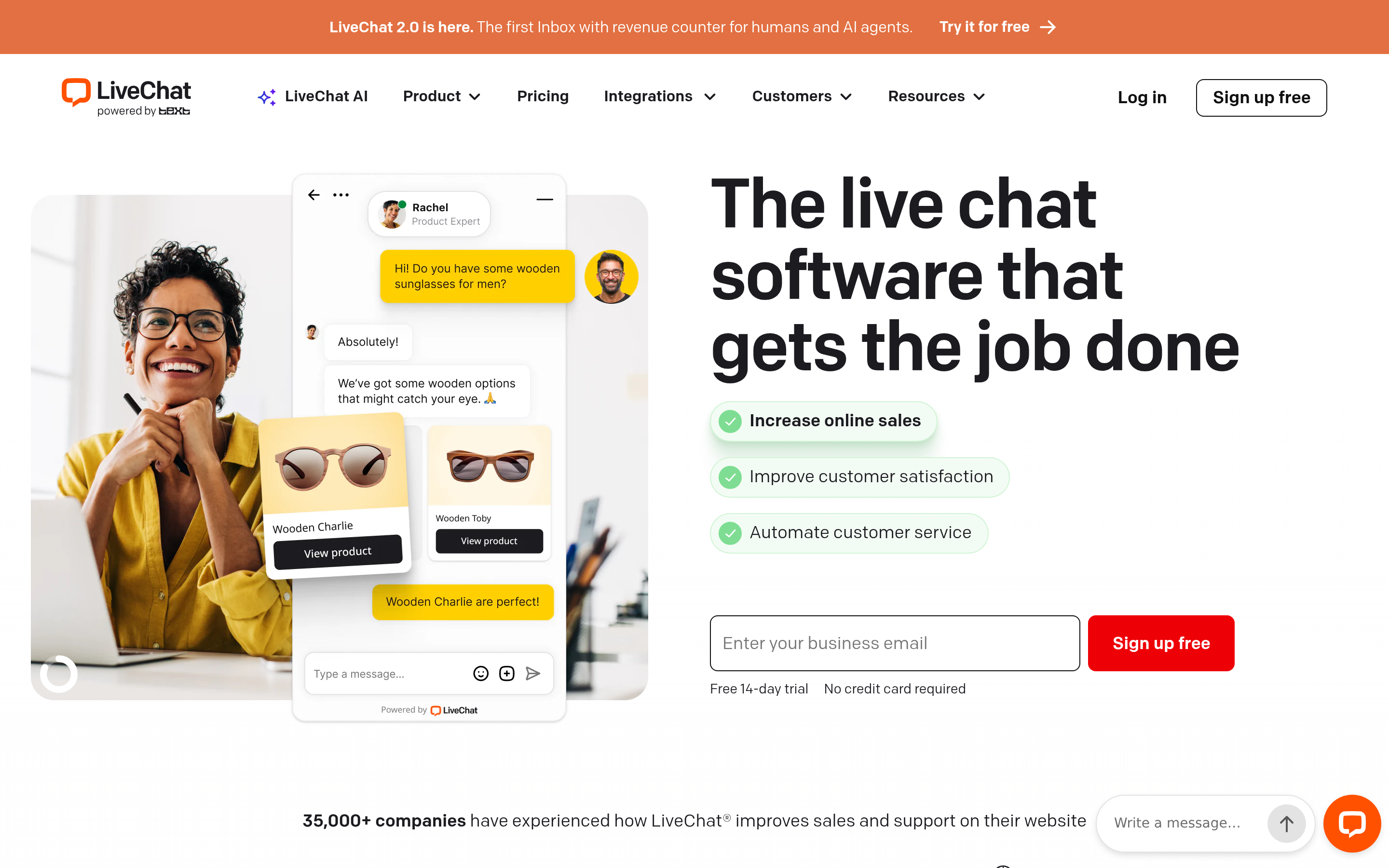
LiveChat is deliberately narrow: fast agent UX, proactive triggers, sales-focused reporting. If your chat widget is a revenue channel rather than a support channel, it beats Crisp on conversion tooling. You'll need HelpDesk (a separate product) for ticketing.
HubSpot — chat that lives inside the CRM#
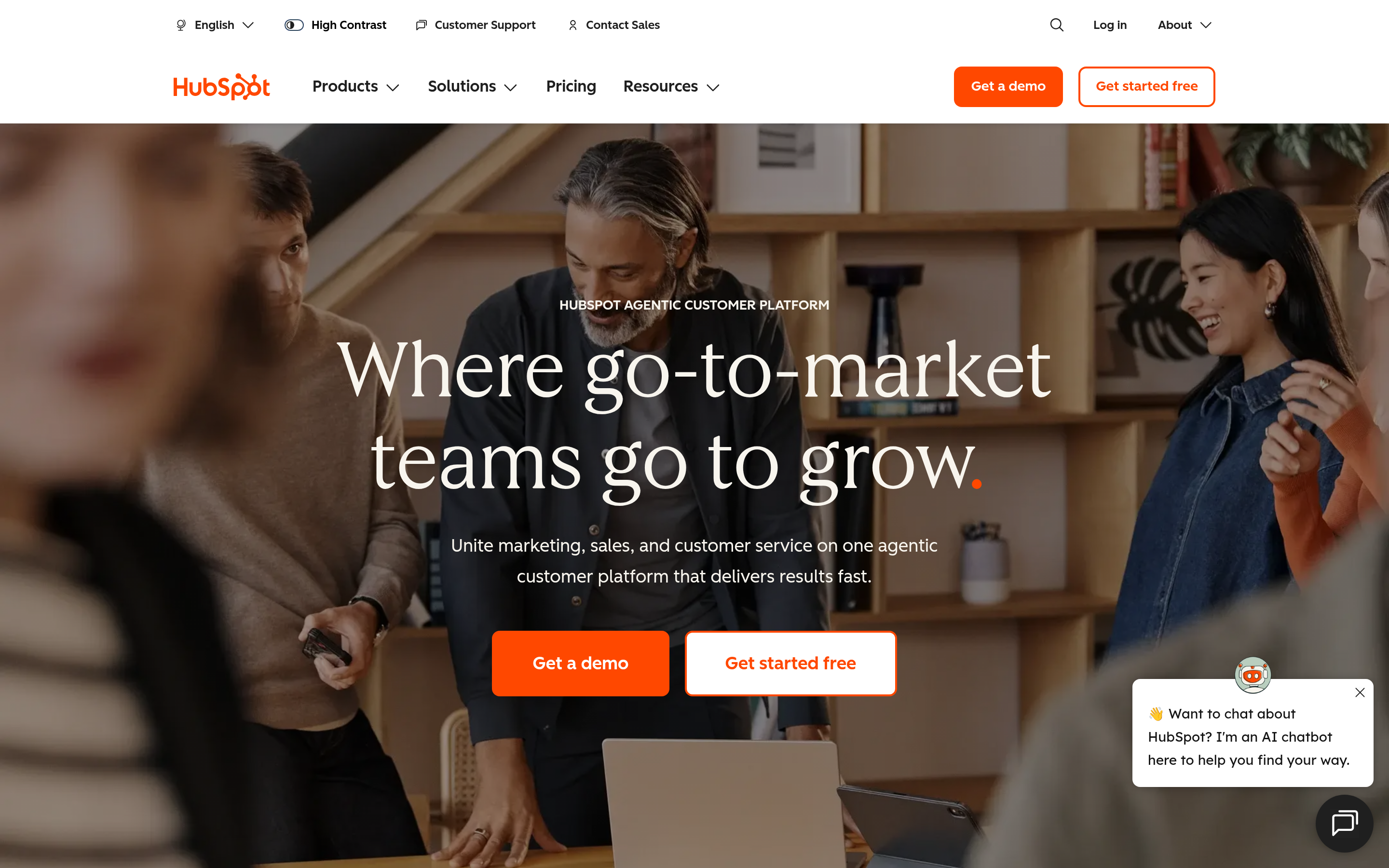
HubSpot's free live chat is unremarkable in isolation. What makes it interesting is that every conversation lands on a contact record with lifecycle stage, deal association, and email history attached. If your GTM already runs on HubSpot, that context is worth more than a better widget. See what's actually in the free tier at hubspot.com. The trap: the automation you want lives in paid Hubs.
Chatwoot — the open-source escape hatch#
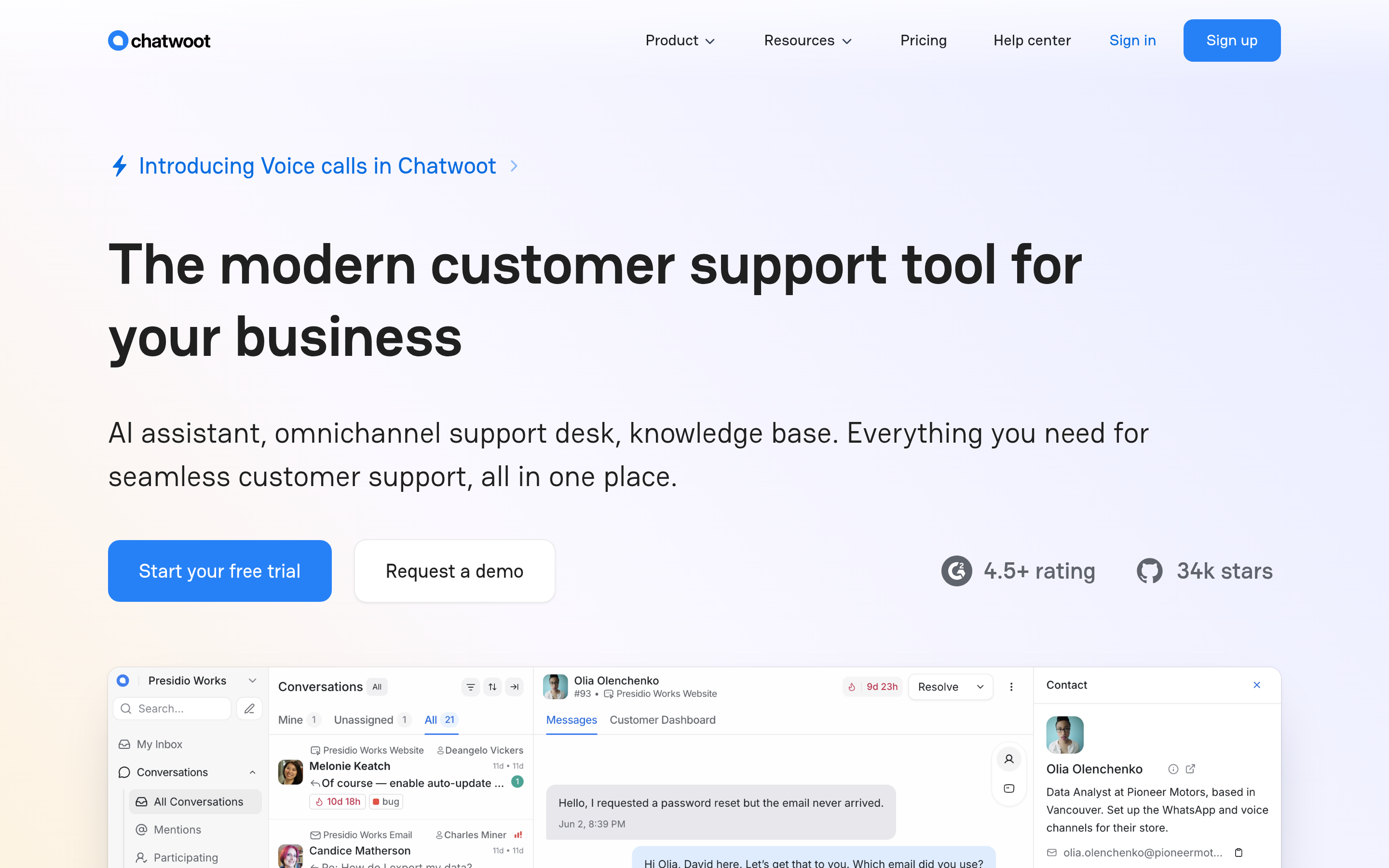
Chatwoot is the answer to "we can't send customer conversations to a third-party US SaaS." Self-host it, own the database, keep the data in your region. It's a real product with a real community — and a real ops cost. You will be patching it at 11pm eventually. Details at chatwoot.com.
Tawk.to — free, and it shows#
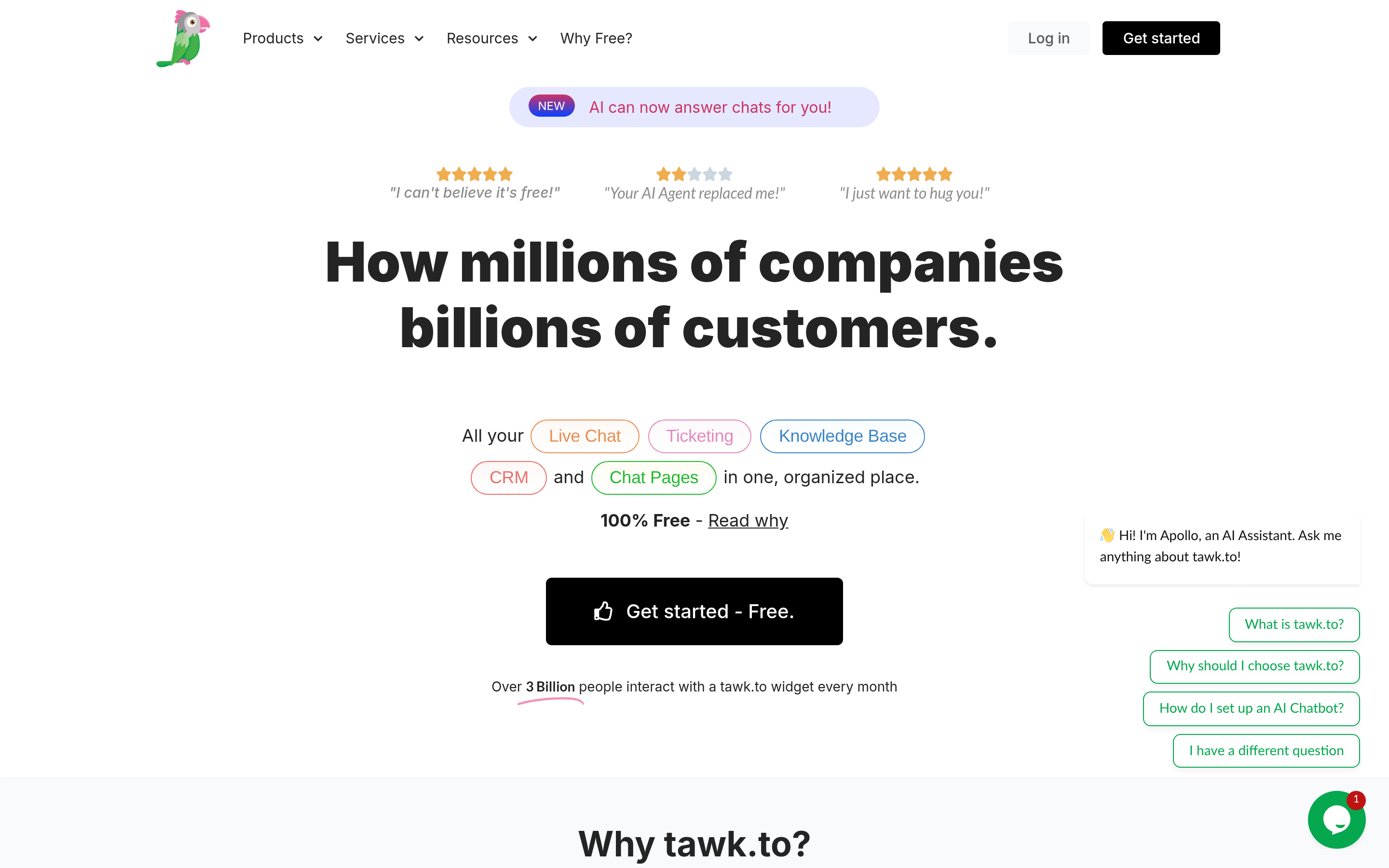
Free forever, monetized through paid agents-for-hire and branding removal. Perfectly serviceable widget. No serious workflow automation, no AI worth the name, dated UI. Fine for a side project. Not fine for a 10-person support org.
Zoho SalesIQ — only if you're already Zoho#
Cheap per user, tight integration with Zoho CRM and Desk, and genuinely capable visitor tracking. Outside the Zoho ecosystem, the integration story gets thin quickly.
Which Crisp alternative should you actually choose?#
Match the gap, not the brand:
- You left because of cost. Don't. Crisp is likely the cheapest credible option you'll find at team scale. If Crisp feels expensive, the alternative is Tawk.to or self-hosted Chatwoot, and you should be honest that you're trading capability for zero dollars.
- You left because of AI deflection. Intercom first, Freshchat if the budget is real but finite. Demand a deflection benchmark on your ticket mix before signing.
- You left because of routing and SLAs. Zendesk or Freshdesk. This is a workflow-engine problem, and workflow engines are what those products are.
- You left because chat data doesn't reach your CRM. HubSpot or Zoho, depending on which CRM you already pay for.
- You left because of data residency or vendor lock-in. Chatwoot, self-hosted, with a real plan for who maintains it.
Is a chat tool even the right thing to replace?#
Here's the uncomfortable part. Most teams shopping for Crisp alternatives describe their problem as "our chat tool isn't good enough." When you dig, the actual complaint is usually one of these:
- Not enough people land on the site to chat with in the first place.
- The people who do chat are anonymous, so you can't tell a Fortune 500 buyer from a student.
- Sales gets a name and an email and nothing else — no company, no headcount, no role, no way to prioritize.
A better widget solves none of that. Live chat is a conversion layer. It multiplies whatever traffic and qualification you already have. If the multiplier is 1.3x and your input is near zero, the output is still near zero.

Two moves fix the input side, and neither requires touching your inbox:
1. Identify the anonymous traffic. Most B2B site visitors never open the chat widget. Website visitor identification turns a slice of that anonymous traffic into named companies you can research and reach out to — before they'd ever have typed "hi."
2. Enrich the contacts you already capture. A chat transcript with an email address is a lead fragment. Run it through data enrichment and you get company, size, role, and domain context, which is what routing and prioritization actually need. Feed that into your CRM automatically via the Tomba API and your reps stop guessing which conversation to answer first.
That combination — identify, enrich, prioritize — usually produces more pipeline than any live-chat migration ever will. Migrations cost weeks. Enrichment costs an API call.
What does the migration actually cost you?#
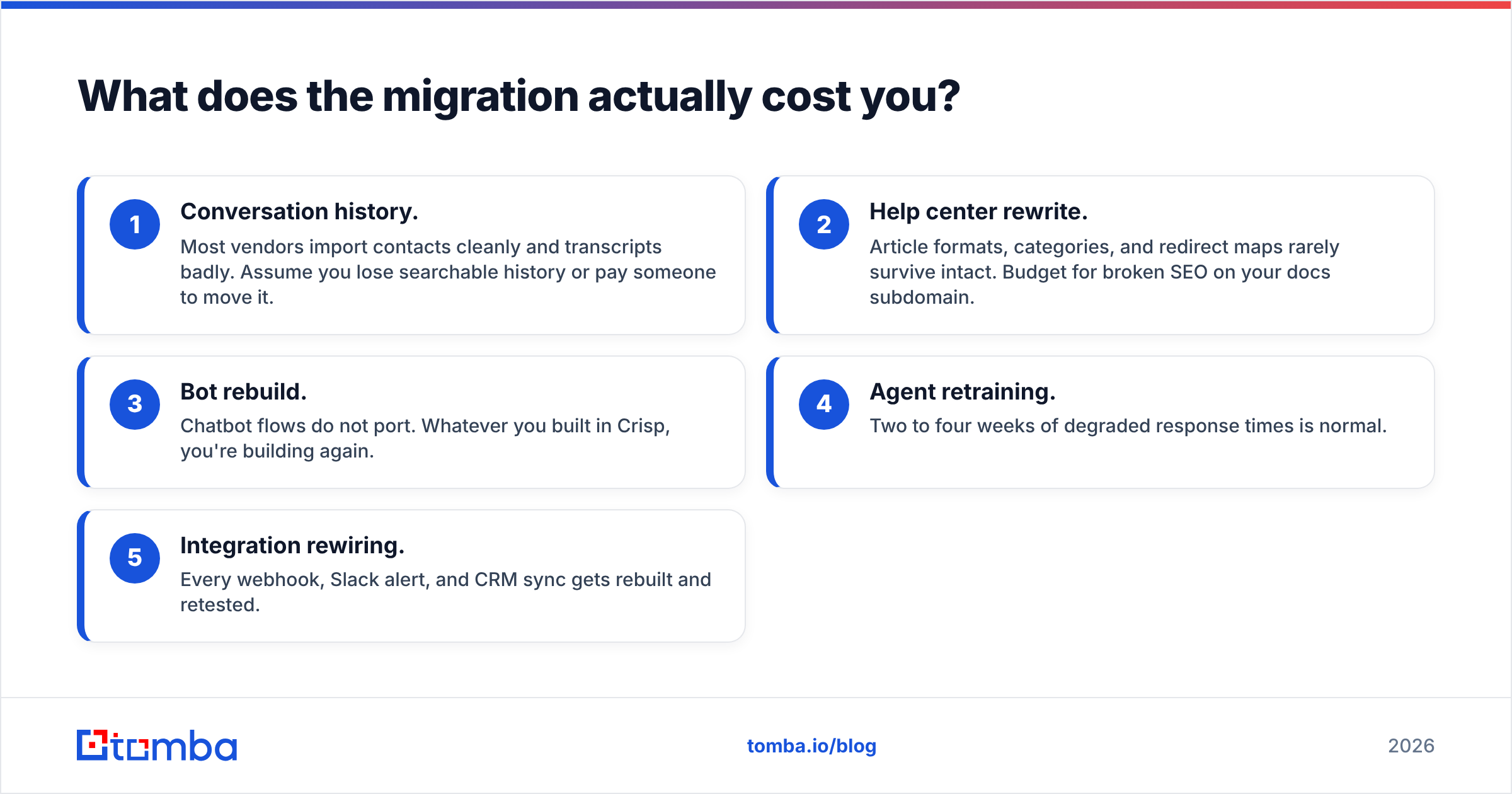
Before you switch, price the switch:
- Conversation history. Most vendors import contacts cleanly and transcripts badly. Assume you lose searchable history or pay someone to move it.
- Help center rewrite. Article formats, categories, and redirect maps rarely survive intact. Budget for broken SEO on your docs subdomain.
- Bot rebuild. Chatbot flows do not port. Whatever you built in Crisp, you're building again.
- Agent retraining. Two to four weeks of degraded response times is normal.
- Integration rewiring. Every webhook, Slack alert, and CRM sync gets rebuilt and retested.
If the tool you're moving to doesn't deliver a benefit at least 3x that cost, stay put and fix the real bottleneck instead.
The bottom line on Crisp alternatives#
Crisp is a well-built, unusually fairly-priced messaging platform with a real ceiling. Intercom beats it on AI, Zendesk on workflow, HubSpot on CRM context, Chatwoot on control, and nothing beats it on flat-rate cost at scale. Choose based on the specific ceiling you hit — not on a G2 grid position.
And before you spend a quarter migrating inboxes, check whether your conversion layer is really the constraint. If your reps are staring at a quiet widget, the fix isn't a louder widget. It's more qualified people to talk to.
Start there. Use the Tomba Email Finder to turn the companies visiting your site — and the accounts on your target list — into verified, reachable contacts with role and company context attached. The free tier gives you 25 searches a month to test the workflow, and paid plans start at $49/mo; see full Tomba pricing if you need bulk or API volume. Fix the input, and your chat tool suddenly looks a lot better than it did yesterday.
Related guides#
Ready to find emails that actually work?
Join 150,000+ professionals who stopped guessing and started sending. Free credits on signup — no credit card required.
Get the Tomba newsletter
Practical outbound tactics and product updates — once every two weeks.
About the author