How to Get Sales Leads in 2026: 9 Methods That Work
Nine tested ways to get sales leads in 2026 — from intent signals and website visitor reveal to email finders — with real costs, effort levels, and the ones that quietly stopped working.
TL;DR
- The fastest path to sales leads in 2026 is not a new channel — it is fixing the data layer under the channels you already run. Most teams lose 20-40% of their outbound volume to bad contact data before a single reply is possible.
- Nine methods actually produce pipeline today: website visitor reveal, intent data, inbound content, targeted outbound email, LinkedIn outreach, referrals and partner intros, communities, review-site presence, and paid capture. Everything else is noise.
- Cost per qualified meeting varies wildly: referrals are near-free but unscalable; paid search can run $400-$1,200 per meeting in competitive B2B categories.
- Buying a static list is the most common mistake. Building a list from live sources — domain search, verified emails, enrichment — costs less and decays slower.
- If you only do two things: reveal who visits your site, and verify every email before you send it.
What Counts as a Sales Lead in 2026?#
A sales lead is a person at a company who has a problem you solve, a budget line that could pay for it, and enough authority to start a conversation. That is it. Not an email address. Not a form fill. Not a "downloaded our ebook."
This definition matters because most lead-generation advice conflates three different things:
- A contact — a name, email, and title. Raw material. Worth cents.
- A lead — a contact with a plausible reason to care right now. Worth dollars.
- A qualified opportunity — a lead who has confirmed the problem, the budget, and a timeline. Worth hundreds.
The gap between contact and lead is where every lead-gen program lives or dies. You can buy 50,000 contacts for $500. Converting them into leads requires either a signal (they did something that suggests intent) or relevance (your message maps to a problem they visibly have).
Getting the vocabulary right also fixes how you measure. If your dashboard counts contacts and calls them leads, you will optimize for volume and wonder why your win rate is falling. Count meetings booked and cost per meeting instead.
Why Do Most Lead Generation Efforts Fail Before the First Send?#
Because the data is wrong. Not slightly wrong — structurally wrong.
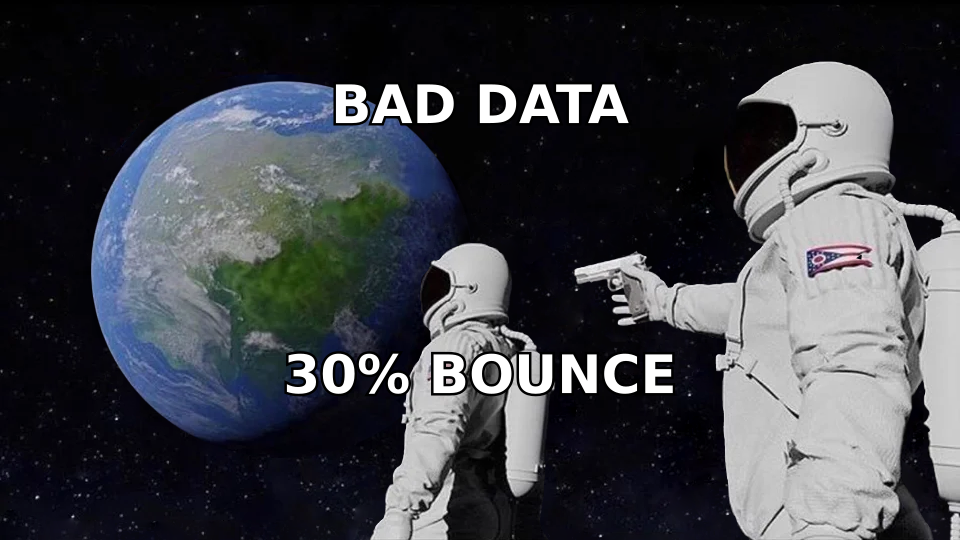
Contact data decays at roughly 22-30% per year, and faster in high-churn functions like sales and marketing. Someone you sourced eleven months ago has a meaningful chance of having changed jobs, changed email format, or left a company that got acquired and migrated domains. Send to that record and you get a hard bounce. Accumulate enough hard bounces and mailbox providers throttle you, which damages email deliverability for every future send — including to the good records.
The failure chain is predictable:
- Stale source. A list bought or scraped months ago, never re-checked.
- No verification step. Emails go out without an SMTP-level check.
- Bounce spike. 15-30% hard bounces on the first send.
- Reputation hit. Sender reputation drops, inbox placement follows.
- False conclusion. "Cold email doesn't work anymore." It works. Your data didn't.
Fix the data layer first. Everything downstream — copy, sequencing, timing — is a multiplier on a number that is currently near zero.
What Are the 9 Ways to Get Sales Leads That Still Work?#
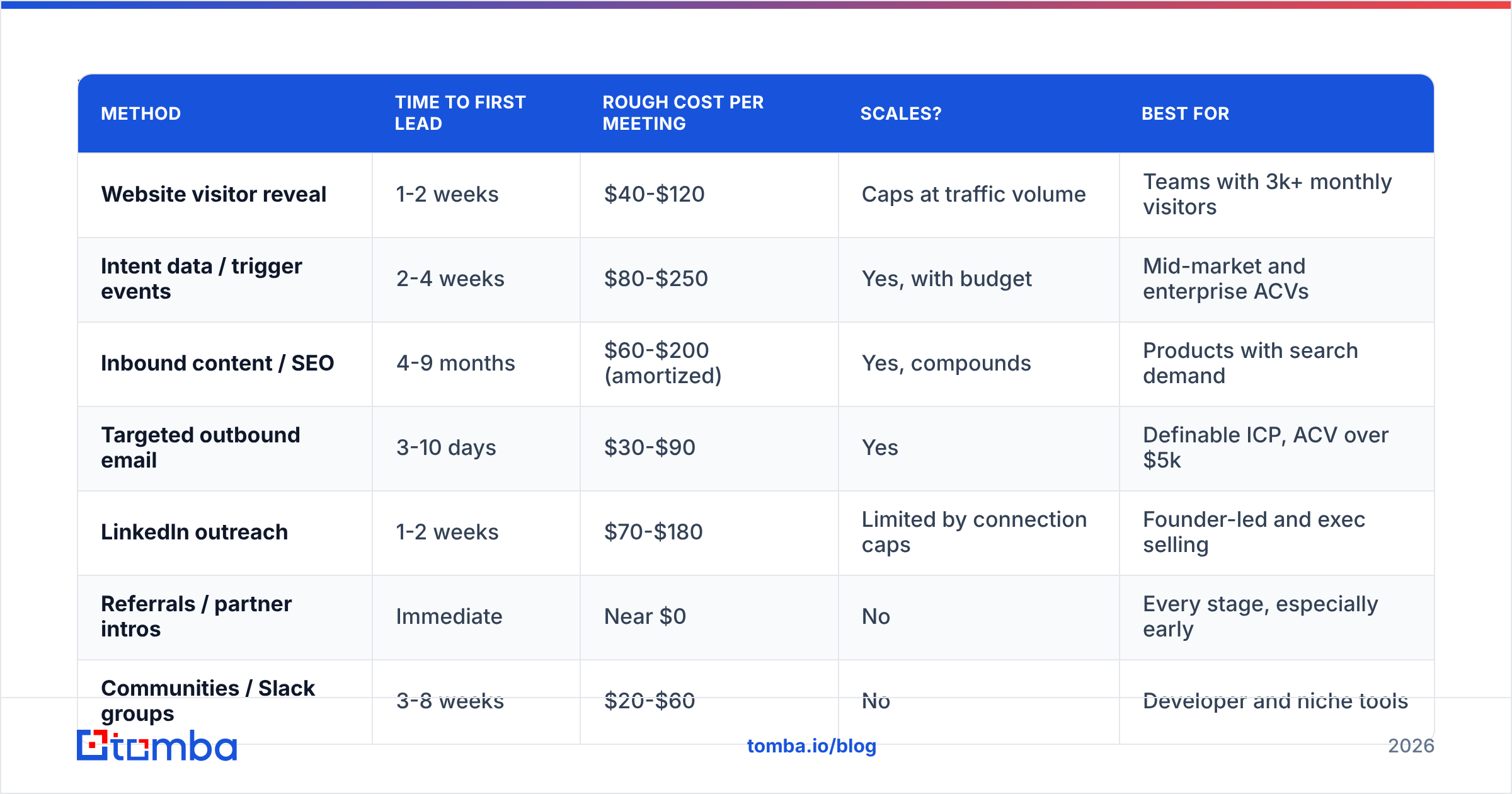
Here is the honest field guide, with effort and cost attached.
| Method | Time to first lead | Rough cost per meeting | Scales? | Best for |
|---|---|---|---|---|
| Website visitor reveal | 1-2 weeks | $40-$120 | Caps at traffic volume | Teams with 3k+ monthly visitors |
| Intent data / trigger events | 2-4 weeks | $80-$250 | Yes, with budget | Mid-market and enterprise ACVs |
| Inbound content / SEO | 4-9 months | $60-$200 (amortized) | Yes, compounds | Products with search demand |
| Targeted outbound email | 3-10 days | $30-$90 | Yes | Definable ICP, ACV over $5k |
| LinkedIn outreach | 1-2 weeks | $70-$180 | Limited by connection caps | Founder-led and exec selling |
| Referrals / partner intros | Immediate | Near $0 | No | Every stage, especially early |
| Communities / Slack groups | 3-8 weeks | $20-$60 | No | Developer and niche tools |
| Review sites (G2, Capterra) | 2-6 weeks | $150-$500 | Somewhat | Established, reviewed products |
| Paid search / social | 1 week | $400-$1,200 | Yes, with budget | Clear high-intent keywords |
Read that table as a portfolio, not a menu. Most teams under $5M ARR should run exactly two or three of these well rather than nine badly. The classic winning pair: outbound email built on fresh data, plus whichever inbound source your buyers already trust.
1. Reveal who is already on your website#
Between 95% and 98% of your site visitors never fill in a form. Visitor identification resolves anonymous traffic to companies, and sometimes to specific people, so your reps can follow up on demonstrated interest rather than a guess. This is the highest-conversion lead source most companies are not using — a website visitor reveal setup pays back faster than almost any paid channel because the intent is already there.
Pair it with pricing-page and demo-page filters. Someone who read three blog posts is curious. Someone who sat on your pricing page for four minutes is shopping.
2. Buy signals, not lists#
Trigger events beat static attributes. Useful triggers: new funding rounds, a new VP in the function you sell to, job postings that mention a pain you solve, technology adoption or removal, office expansion, and M&A activity. A company that just hired its first RevOps lead is dramatically more likely to buy RevOps tooling than an identical company that did not.
The mechanics matter: you need a watchlist of accounts, a monitor for the trigger, and a fast path from trigger to contact. That last step is where an email finder earns its place — the signal is useless if it takes your rep three days to figure out how to reach the person.
3. Publish content the buyer searches for#
Slow, compounding, and still the cheapest long-run source for products with existing search demand. The rule that separates working content programs from blogs nobody reads: write for the query, not for the brand. Comparison pages, pricing explainers, migration guides, and "how do I do X" posts convert. Thought-leadership essays about industry transformation do not.
4. Run targeted outbound email#
Outbound still works when three conditions hold: a narrow list (under 200 accounts per campaign), verified addresses, and a first line that could only have been written to that specific company. Break any one of those and the channel collapses.
Volume is not the lever. A 150-contact campaign with a 12% reply rate beats a 5,000-contact blast at 0.4%, and it does not burn your domain.
5. Work LinkedIn without automating yourself into a ban#
Comment on posts from people in your ICP for two weeks before you message anyone. Then send a message that references something specific they said. Connection request caps and view limits make raw volume impossible anyway, so lean into quality. HubSpot's research on social selling consistently shows warm-first sequences outperforming cold connect-and-pitch by a wide margin.
6. Ask for referrals systematically#
Every closed-won customer gets a referral ask at day 30 and day 90. Every lost deal gets one too — "who else in your network has this problem?" Referrals have the highest close rate of any source and roughly zero acquisition cost. They also do not scale, which is why they are a complement rather than a strategy.
7. Be genuinely useful in communities#
Slack groups, subreddits, and niche forums where your buyers already talk. The rule is a 20:1 ratio — twenty helpful answers with no pitch for every mention of what you sell. Slow, unscalable, and the source of some of the best-fit customers you will ever land.
8. Show up on review sites#
G2 and Capterra capture buyers at the shortlist stage. Expensive per lead, but those leads arrive already comparing you against two named competitors, which shortens the cycle considerably. Worth it once you have 20+ genuine reviews; a waste before that.
9. Pay for high-intent clicks only#
Paid search on bottom-funnel terms ("
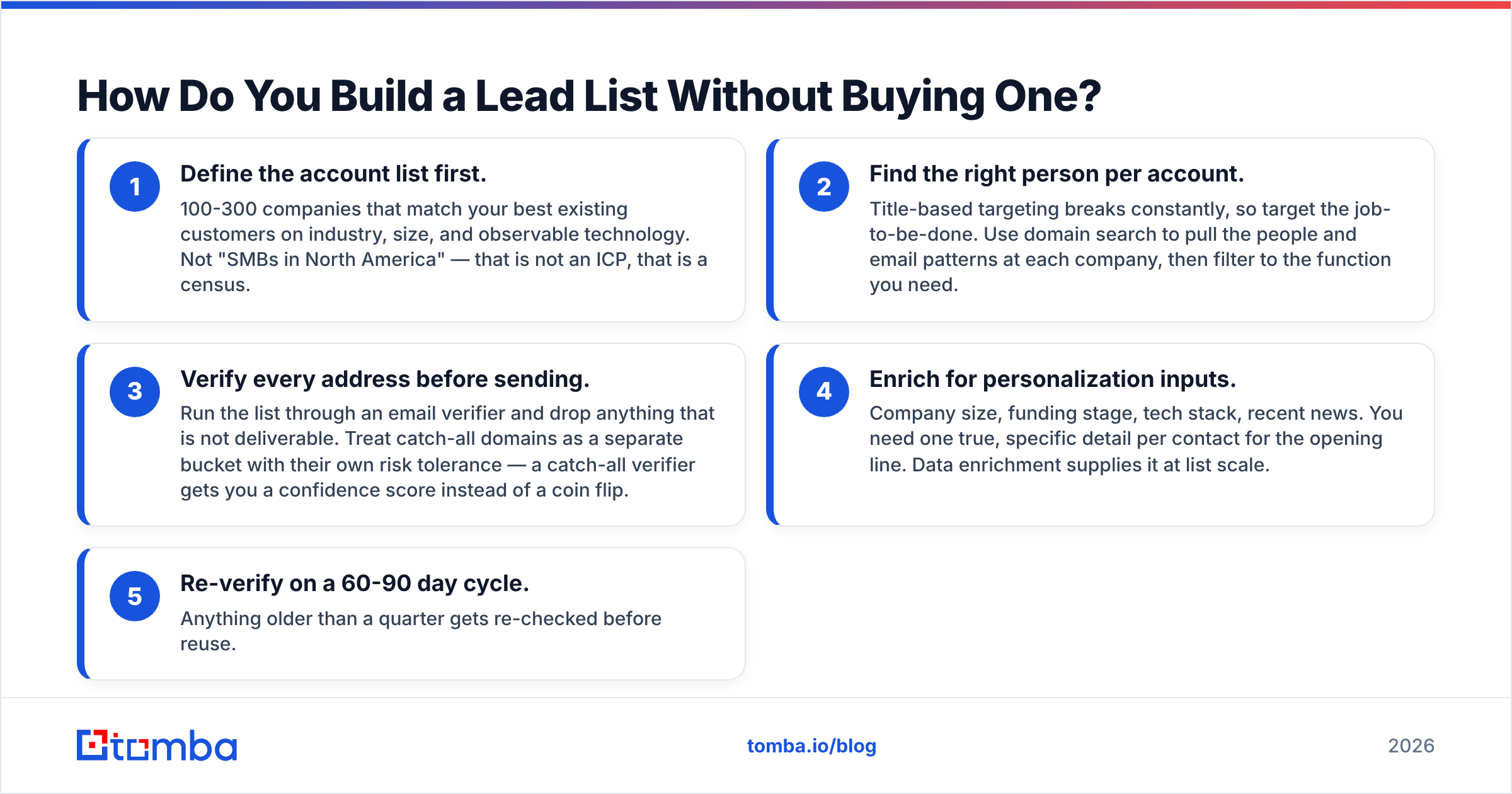
How Do You Build a Lead List Without Buying One?#
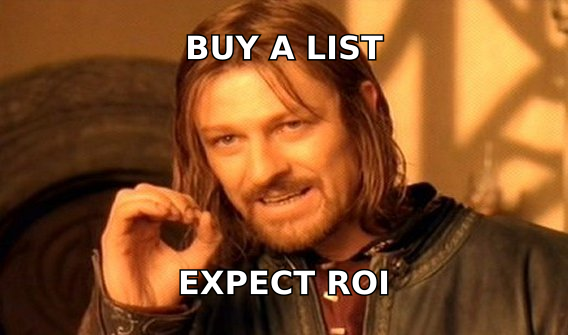
Buying a static list is the fastest way to torch a domain. Building one from live sources takes a few more hours and produces a list that actually reaches inboxes.
The build sequence:
- Define the account list first. 100-300 companies that match your best existing customers on industry, size, and observable technology. Not "SMBs in North America" — that is not an ICP, that is a census.
- Find the right person per account. Title-based targeting breaks constantly, so target the job-to-be-done. Use domain search to pull the people and email patterns at each company, then filter to the function you need.
- Verify every address before sending. Run the list through an email verifier and drop anything that is not deliverable. Treat catch-all domains as a separate bucket with their own risk tolerance — a catch-all verifier gets you a confidence score instead of a coin flip.
- Enrich for personalization inputs. Company size, funding stage, tech stack, recent news. You need one true, specific detail per contact for the opening line. Data enrichment supplies it at list scale.
- Re-verify on a 60-90 day cycle. Anything older than a quarter gets re-checked before reuse.

Accuracy differences between finders sound academic until you do the arithmetic. On a 2,000-contact list, the gap between 85% and 96% deliverable is 220 records — which is 220 wasted sends, a bounce rate that crosses provider thresholds, and roughly a dozen lost conversations.
Which Tools Do You Actually Need to Get Sales Leads?#
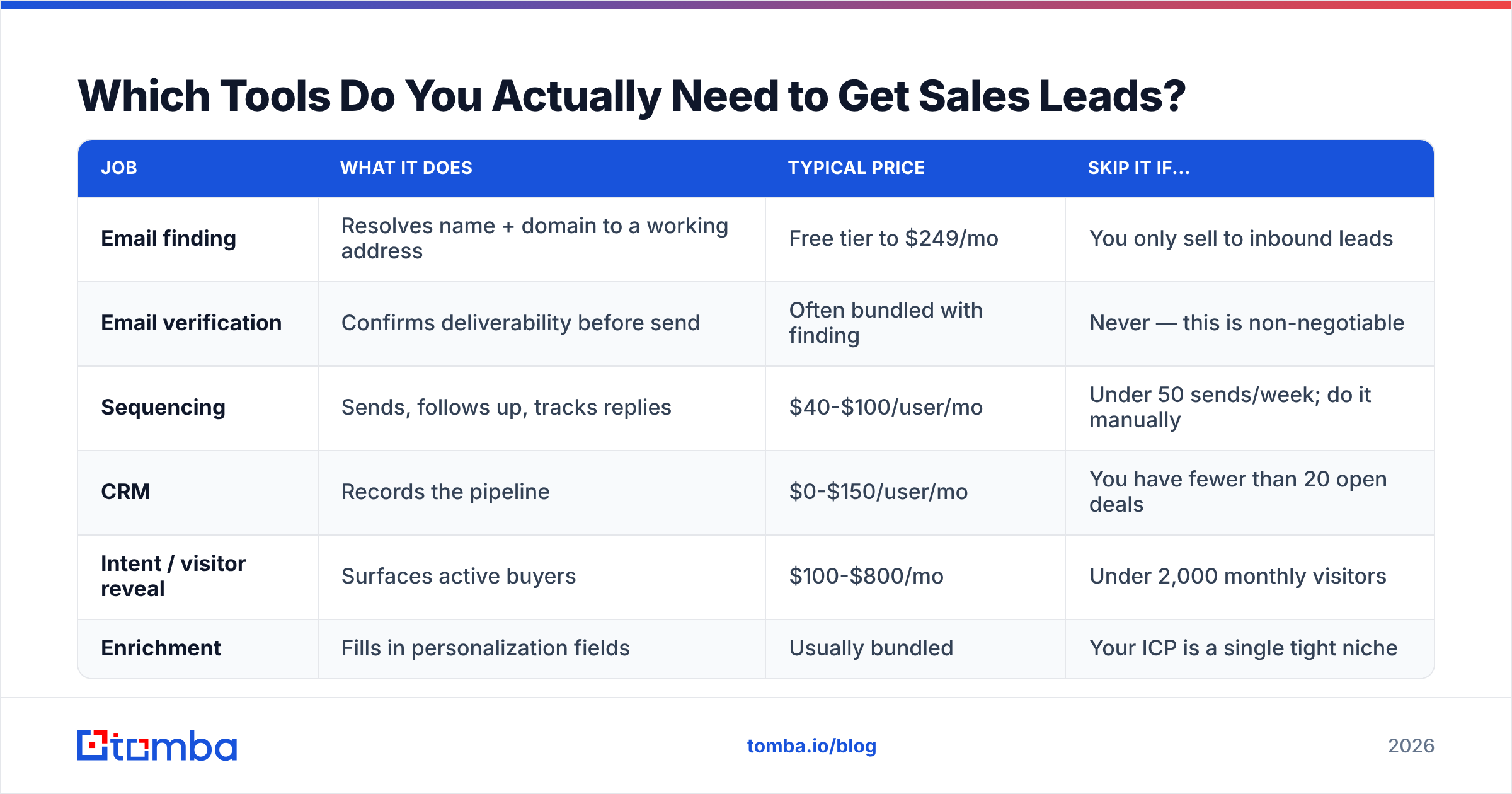
Fewer than the market wants you to believe. The stack decomposes into four jobs: find contacts, verify contacts, send sequences, and track the pipeline.
| Job | What it does | Typical price | Skip it if... |
|---|---|---|---|
| Email finding | Resolves name + domain to a working address | Free tier to $249/mo | You only sell to inbound leads |
| Email verification | Confirms deliverability before send | Often bundled with finding | Never — this is non-negotiable |
| Sequencing | Sends, follows up, tracks replies | $40-$100/user/mo | Under 50 sends/week; do it manually |
| CRM | Records the pipeline | $0-$150/user/mo | You have fewer than 20 open deals |
| Intent / visitor reveal | Surfaces active buyers | $100-$800/mo | Under 2,000 monthly visitors |
| Enrichment | Fills in personalization fields | Usually bundled | Your ICP is a single tight niche |
On the finding and verification layer, Tomba pricing starts with a free tier at 25 searches a month, Starter at $49/mo, Growth at $99/mo, and Pro at $249/mo — with finding, verification, domain search, and enrichment in one place rather than three subscriptions. BookYourData takes a different and equally valid approach with pay-as-you-go prepaid credits and a large pre-built database, which suits teams that want to buy a defined volume once rather than commit monthly. Which model wins depends entirely on whether your list-building is continuous or campaign-shaped.
If your workflow lives in a spreadsheet, a Google Sheets add-on removes the export-import loop entirely. If it lives in code, the Tomba API handles find-and-verify inside your own pipeline.

How Do You Know Which Method Is Working?#
Track cost per qualified meeting by source. Nothing else survives contact with a board meeting.
Four metrics, weekly:
- Cost per qualified meeting, by source. Total spend (including rep hours at a loaded rate) divided by meetings that a rep confirmed as ICP-fit. This single number kills bad channels faster than any debate.
- Reply-to-meeting ratio. If replies are healthy but meetings are not, your qualification or your targeting is off, not your copy.
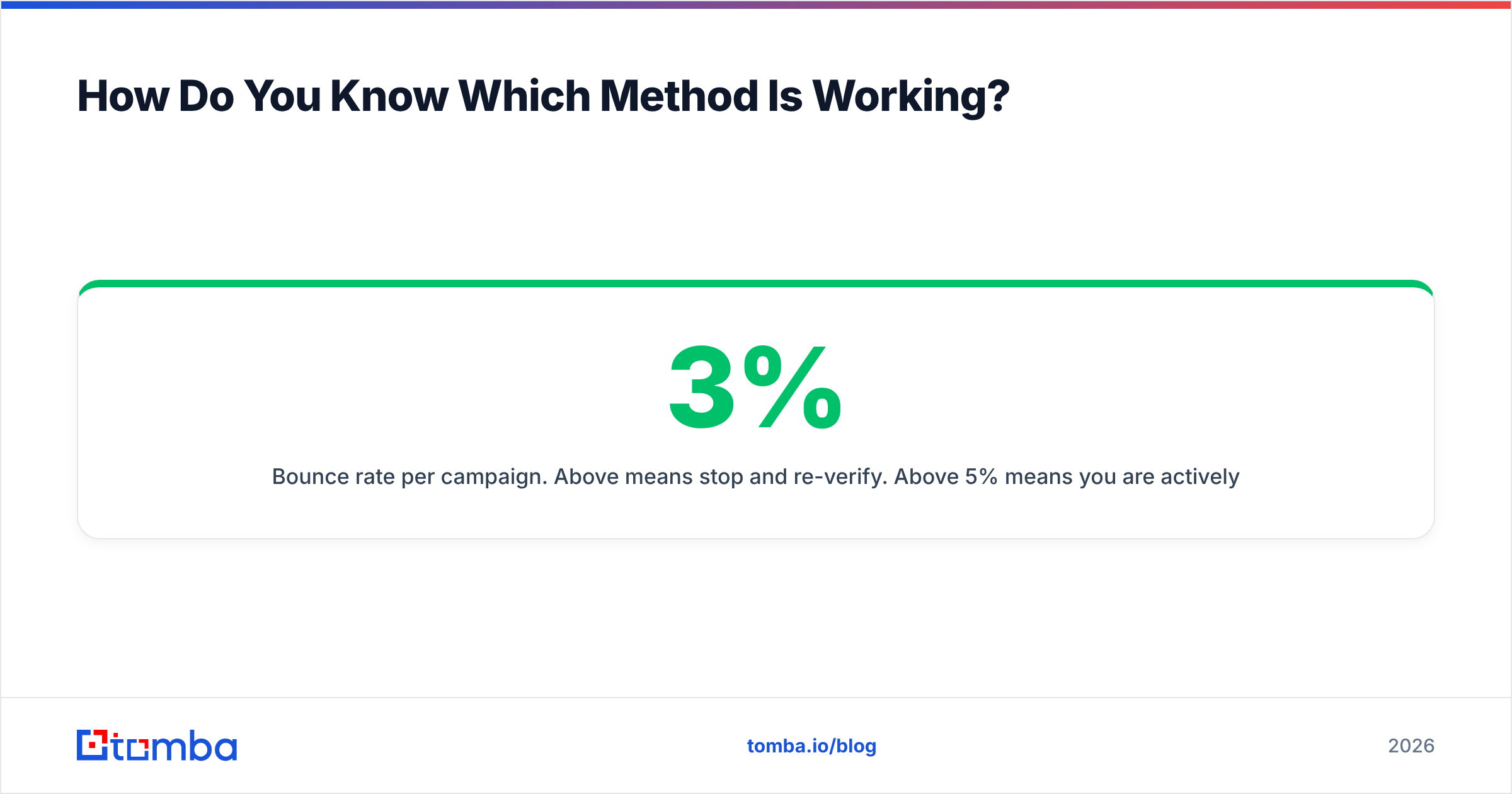
- Bounce rate per campaign. Above 3% means stop and re-verify. Above 5% means you are actively damaging your domain.
- Source-to-close rate. Referrals will close at 3-5x your outbound rate. That is expected. What you are watching for is a source whose close rate is collapsing over time — the early sign that the channel is saturating.
Attribution gets murky in multi-touch B2B. Do not solve it perfectly; solve it approximately with first-touch and last-touch side by side, and make decisions on the direction of travel rather than the decimal. Gartner's research on B2B buying groups is a useful corrective here — with 6-10 stakeholders in a typical decision, clean single-source attribution was never going to exist.
What Should You Do First This Week?#
A concrete five-day plan, assuming you are starting near zero:
- Day 1 — Write down your 100 best-fit target accounts. Pull the criteria from your last 10 closed-won deals, not from your marketing deck.
- Day 2 — Find the right contact at each account and verify every address. Discard anything that does not come back deliverable.
- Day 3 — Install visitor reveal on your site. It takes twenty minutes and starts producing leads from traffic you are already paying for.
- Day 4 — Write one sequence: three emails, each under 90 words, each with a specific detail about the account in the first line.
- Day 5 — Send to the first 25 contacts only. Read every reply. Fix the sequence. Then scale to the remaining 75.
Small batches are not timidity, they are instrumentation. Twenty-five sends tell you whether the list and the message are right, and cost you almost nothing when they are wrong.
Get Started with Verified Contact Data#
Every method on this list bottoms out in the same requirement: a real person's real email address. The Tomba Email Finder resolves a name and a domain into a verified, deliverable address — with domain search for whole-company pulls, catch-all handling for the ambiguous cases, and enrichment for the personalization details that make an opening line land. The free tier gives you 25 searches a month to test the accuracy against a list you already know the answers to. Start there, build your first 100-account list this week, and let the data layer stop being the reason your pipeline is thin.
Related guides#
Ready to find emails that actually work?
Join 150,000+ professionals who stopped guessing and started sending. Free credits on signup — no credit card required.
Get the Tomba newsletter
Practical outbound tactics and product updates — once every two weeks.
About the author