LeadEngineAI vs Woodpecker: Which Outbound Tool Wins in 2026?
One is an AI lead engine that builds the list for you. The other is a cold email veteran that sends it. Here's how LeadEngineAI and Woodpecker actually compare on data, deliverability, and price.
LeadEngineAI vs Woodpecker comes down to one question: is your problem the list, or the inbox? One tool builds the list. The other gets your mail delivered. Here is how the two compare on data, deliverability, and price in 2026.
TL;DR
- LeadEngineAI vs Woodpecker is not a like-for-like fight. LeadEngineAI is an AI lead sourcing and outreach engine. Woodpecker is a mature cold email sending platform. A head-to-head only makes sense if you plan to anchor your whole outbound stack on one tool.
- Woodpecker wins on sending. Warmup, adaptive sending, reply detection, and bounce shielding are its whole reason to exist. It has spent a decade tuning inbox placement.
- LeadEngineAI wins on list-building speed. Say your bottleneck is "we don't have enough qualified contacts." An AI engine that builds and scores a list gets you moving faster than a sequencer will.
Two more things to weigh before you pick:
- Neither is a data vendor you should trust blindly. Both lean on bundled or partner databases. Verify before you send. A 12% bounce rate will torch a domain, and no sequencer can rescue it.
- Most teams under 20 reps end up with two tools, not one. You need a verified data layer plus a sender. Budget for both.
What are LeadEngineAI and Woodpecker, exactly?#
Start here, because most LeadEngineAI vs Woodpecker write-ups blur the two categories. The split is about category, not features.
Woodpecker is a cold email and sales engagement platform, shipping since 2015. Its core promise is inbox placement. You connect mailboxes, and it warms them, paces sends, rotates inboxes, and detects replies. It also pulls prospects out of a sequence the moment they answer. It later added LinkedIn steps, calls, and a branching campaign builder. But the heart of the product is still deliverability. You can see the current feature set on Woodpecker's own site.
LeadEngineAI sits on the other side of the funnel. It is an AI lead engine. You describe your ideal customer in plain language, and the system builds a list, enriches it, scores intent signals, and drafts a personal first email. Outreach is bundled in. But it is there to make the list usable, not to be a best-in-class mail server.
The practical difference: Woodpecker assumes you already have a list. LeadEngineAI assumes you don't.
That one assumption explains most of the gap between them. It shapes the pricing model, the setup time, and the point where each tool breaks.
LeadEngineAI vs Woodpecker: how do they compare head-to-head?#
Here is the honest side-by-side. Pricing moves fast in this category. Treat the numbers as a guide, and check each vendor's pricing page before you buy.
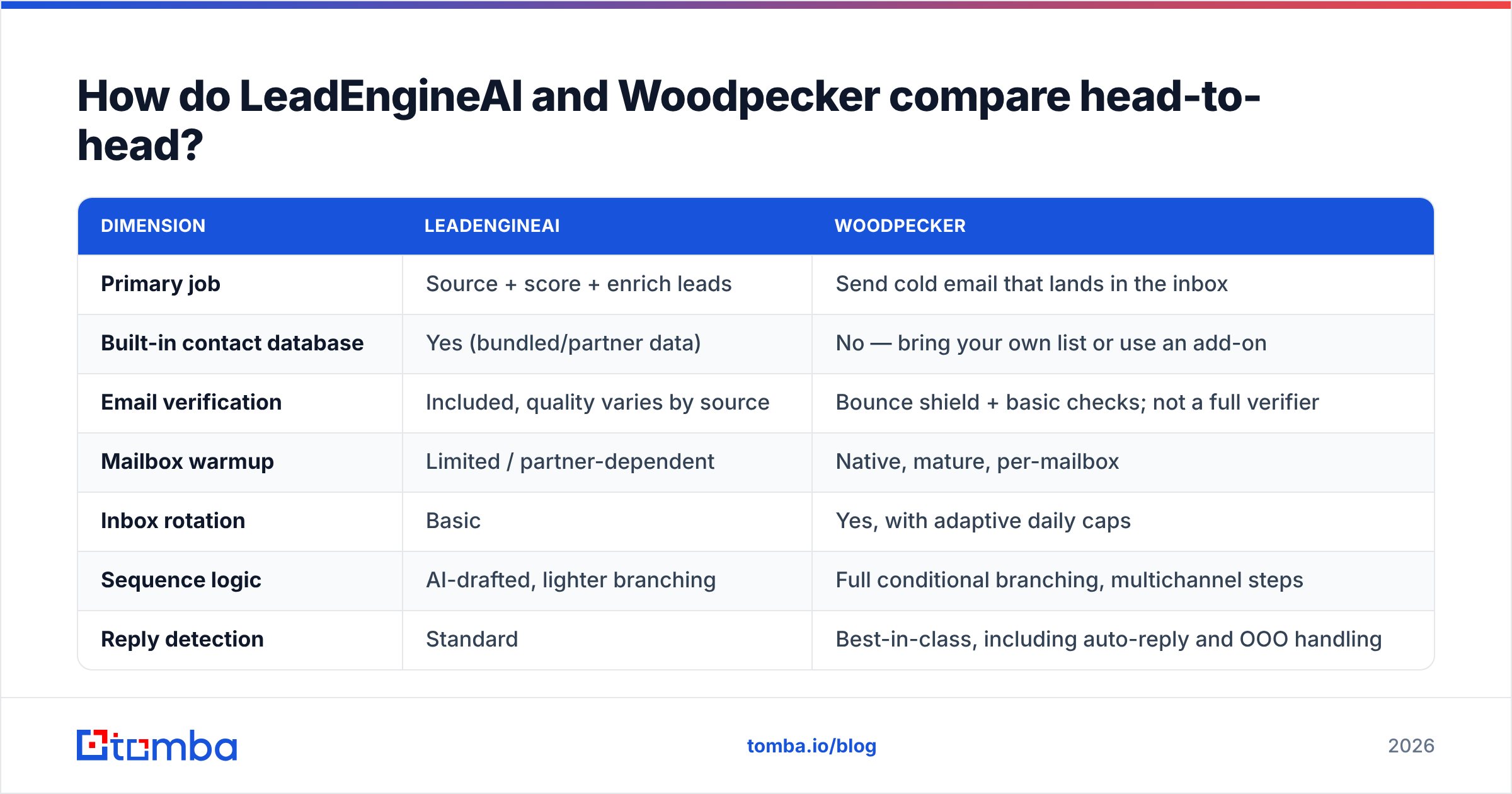
| Dimension | LeadEngineAI | Woodpecker |
|---|---|---|
| Primary job | Source + score + enrich leads | Send cold email that lands in the inbox |
| Built-in contact database | Yes (bundled/partner data) | No — bring your own list or use an add-on |
| Email verification | Included, quality varies by source | Bounce shield + basic checks; not a full verifier |
| Mailbox warmup | Limited / partner-dependent | Native, mature, per-mailbox |
| Inbox rotation | Basic | Yes, with adaptive daily caps |
| Sequence logic | AI-drafted, lighter branching | Full conditional branching, multichannel steps |
| Reply detection | Standard | Best-in-class, including auto-reply and OOO handling |
| Agency / multi-client mode | Limited | Yes, dedicated agency plan |
| Entry pricing (2026) | Credit- or seat-based, quote-driven | From roughly $29/mo per slot |
| Free trial | Trial-based, no persistent free tier | Free trial, no persistent free tier |
| Best fit | Teams with no list and no data ops | Teams with a list who need it to land |
The row that matters most is the one people skip: neither tool is mainly a data-accuracy product. LeadEngineAI ships data because it has to. Woodpecker chooses not to ship it at all. If your contact quality is bad, both fail — one loudly, one quietly.
Which one gives you better lead data?#
On the LeadEngineAI vs Woodpecker data question, LeadEngineAI wins. But the asterisk is the size of your domain reputation.
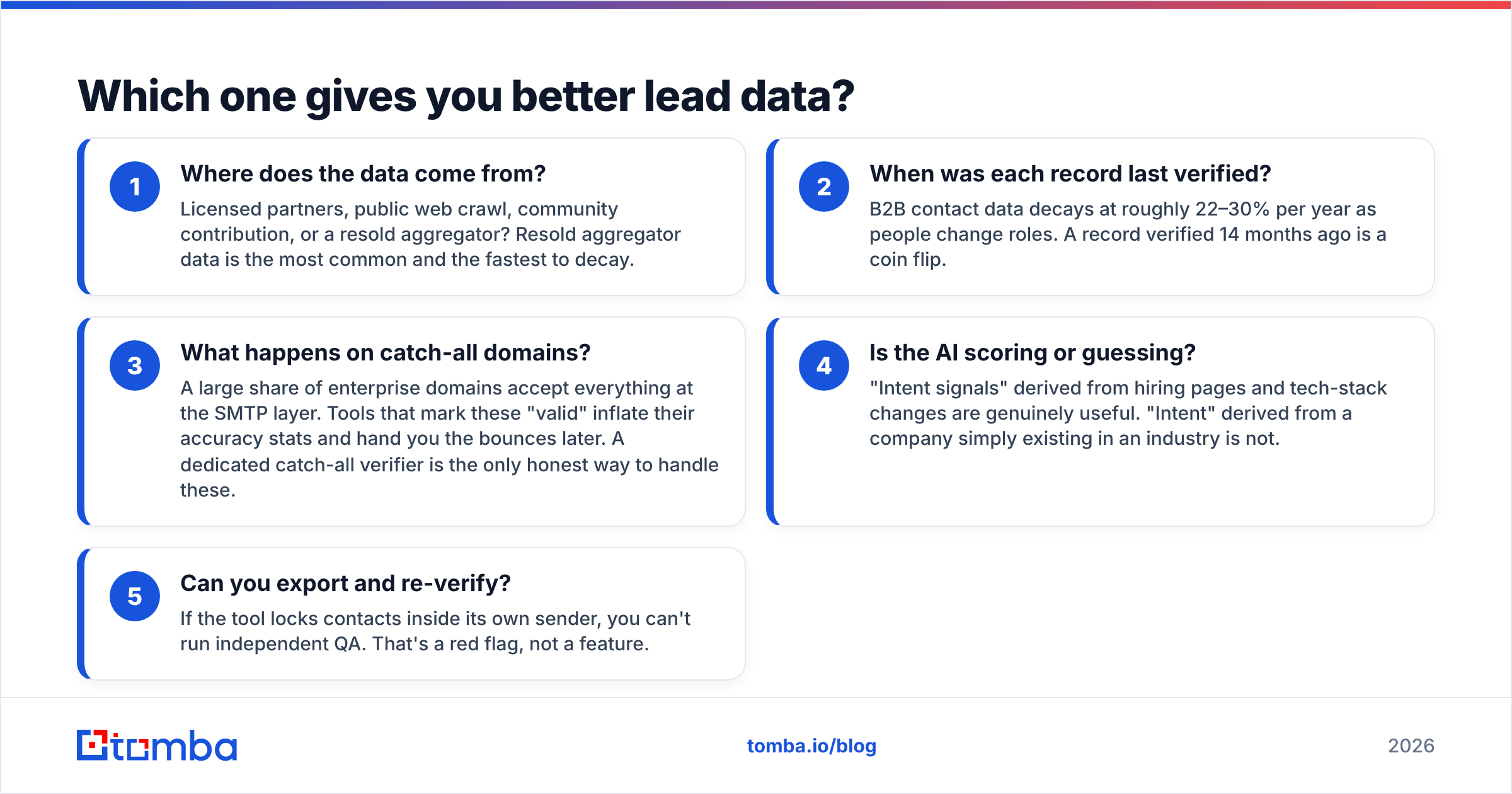
An AI lead engine that returns 3,000 "matching" contacts feels like a win until you look under the hood. Ask these questions before you trust any bundled list:
- Where does the data come from? Licensed partners, a public web crawl, community uploads, or a resold aggregator? Resold data is the most common kind, and it goes stale the fastest.
- When was each record last verified? B2B contact data decays about 22–30% per year as people change jobs. A record checked 14 months ago is a coin flip.
- What happens on catch-all domains? Many enterprise domains accept every address at the SMTP layer. Tools that mark these "valid" pad their accuracy stats and hand you the bounces later. A dedicated catch-all verifier is the only honest way to handle them.
The last two questions are about control, and they matter just as much:
- Is the AI scoring or guessing? Intent signals pulled from hiring pages and tech-stack changes are useful. "Intent" based on a company simply existing in an industry is not.
- Can you export and re-verify? If the tool locks contacts inside its own sender, you can't run your own checks. That is a red flag, not a feature.
Woodpecker avoids all of this by not pretending to be a data vendor. That is a fair choice. It is also why most Woodpecker users pair it with a dedicated finder and verifier. Running a list through an email verifier before the first send is standard practice on teams that take email deliverability seriously.
Building lists by company rather than by person? Domain search is usually faster than an AI prompt. Point it at 200 target domains and get back verified role-based contacts with confidence scores.
Which one protects your sender reputation better?#
This is where LeadEngineAI vs Woodpecker stops being a close call. Woodpecker wins.
Google and Microsoft both tightened bulk-sender rules through 2024–2025. The effect is simple: sloppy senders now get filtered within days, not months. The controls that matter:
- Per-mailbox daily caps that adapt to engagement. Woodpecker ramps sends based on real reply and bounce behavior, not a static number you typed in.
- Native warmup that runs all the time, not just once during onboarding.
- Bounce shielding that halts a campaign when hard bounces spike, instead of grinding through the other 4,000 addresses.
- Proper unsubscribe and list hygiene, including one-click list-unsubscribe headers.
- Reply and OOO sorting, so auto-responders don't count as engagement.
LeadEngineAI's sending layer is fine at low volume. At 50 emails a day from one mailbox, you will not notice a difference. At 2,000 a day across 15 mailboxes, you will notice it on day nine, when your open rates fall off a cliff.
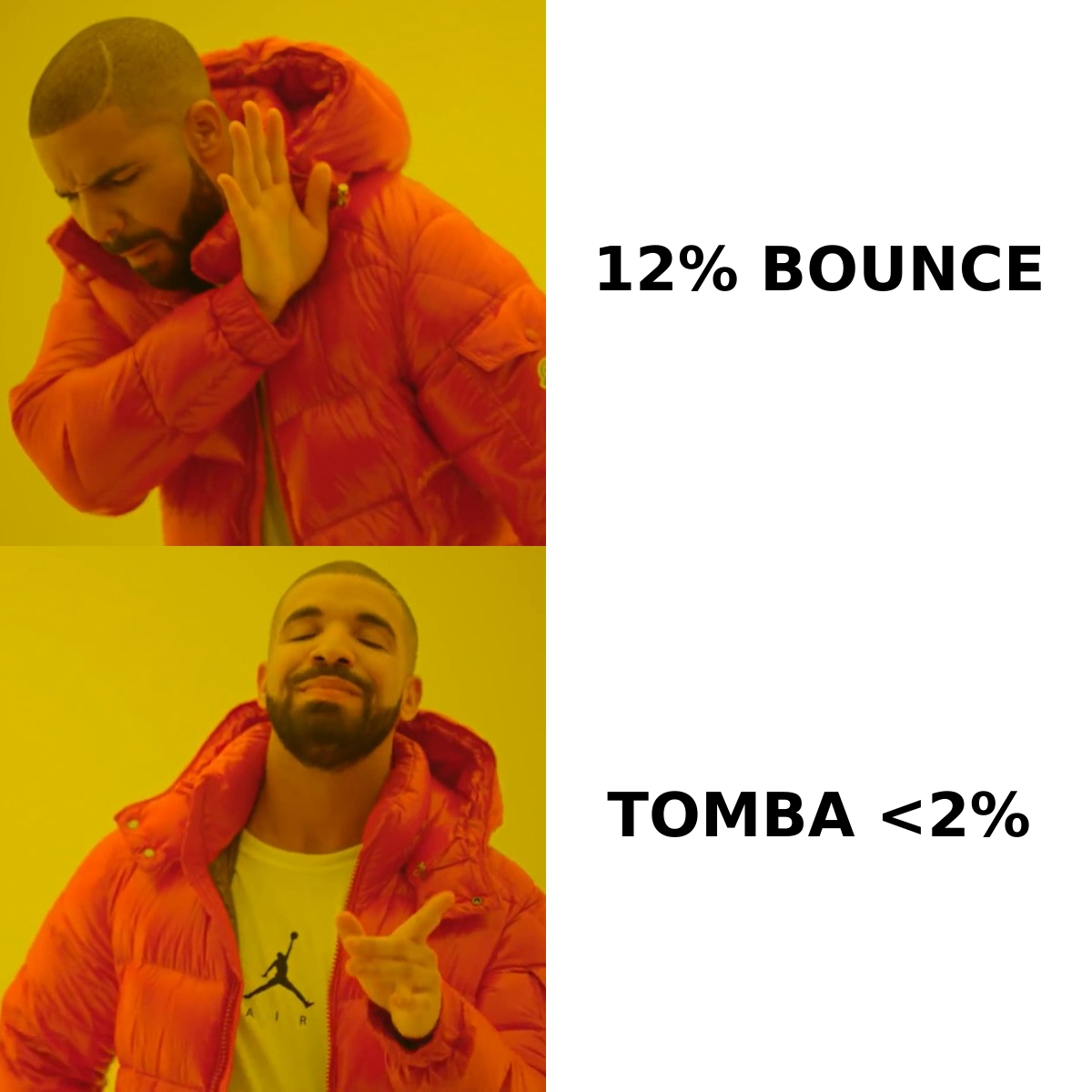
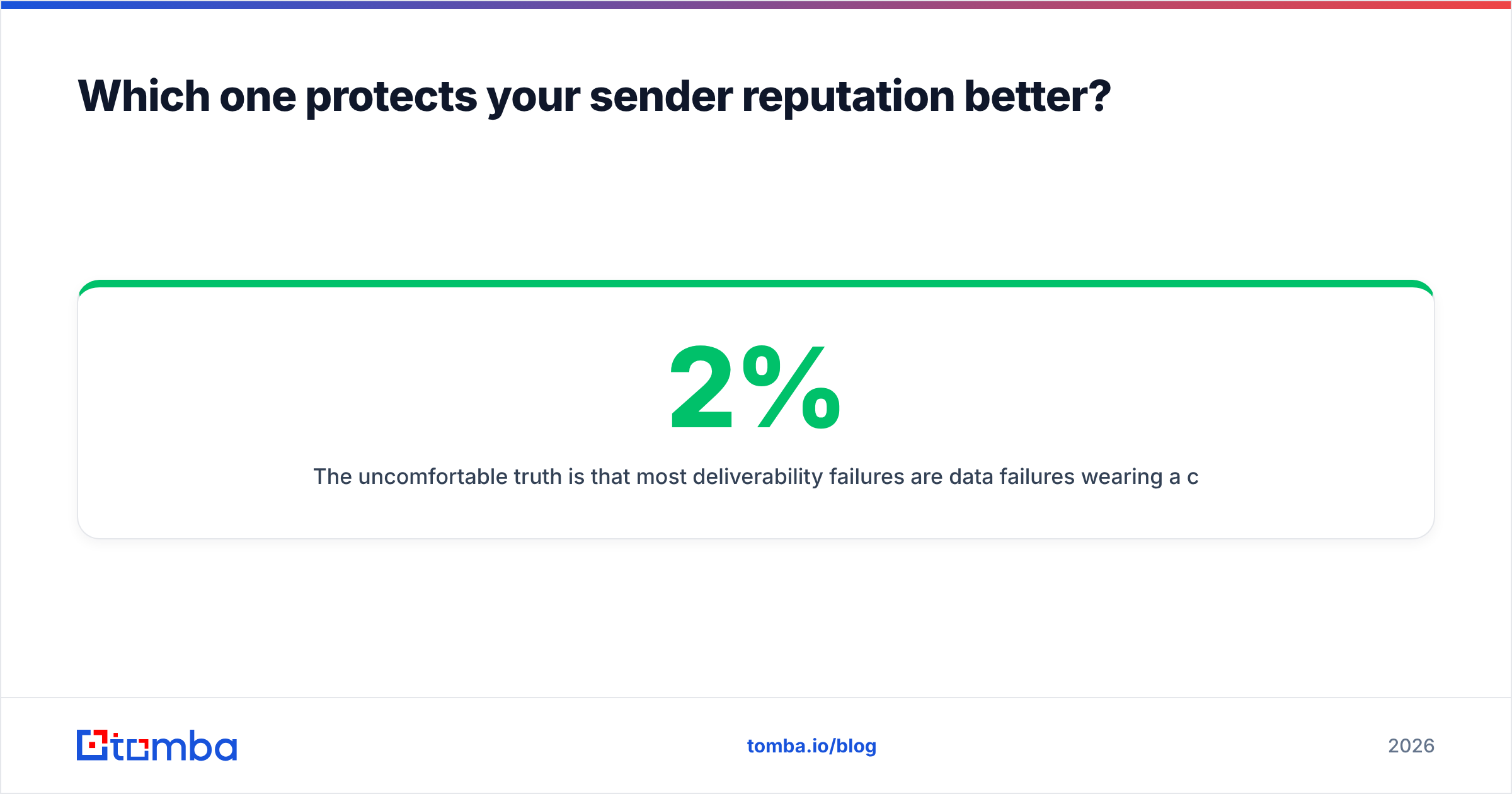
Here is the uncomfortable part. Most deliverability failures are data failures in disguise. Before you blame the sender, check your bounce rate. Under 2% is healthy. Between 2% and 5% is a warning. Above 5% you are burning the domain. No amount of warmup makes up for mail sent to addresses that don't exist. Run a bulk verify pass on every list before it touches a sequence. Most "Woodpecker isn't delivering" tickets disappear after that.
What does each one actually cost in 2026?#
The LeadEngineAI vs Woodpecker price gap looks wider than it is. The sticker price of a tool is not the price of running outbound.
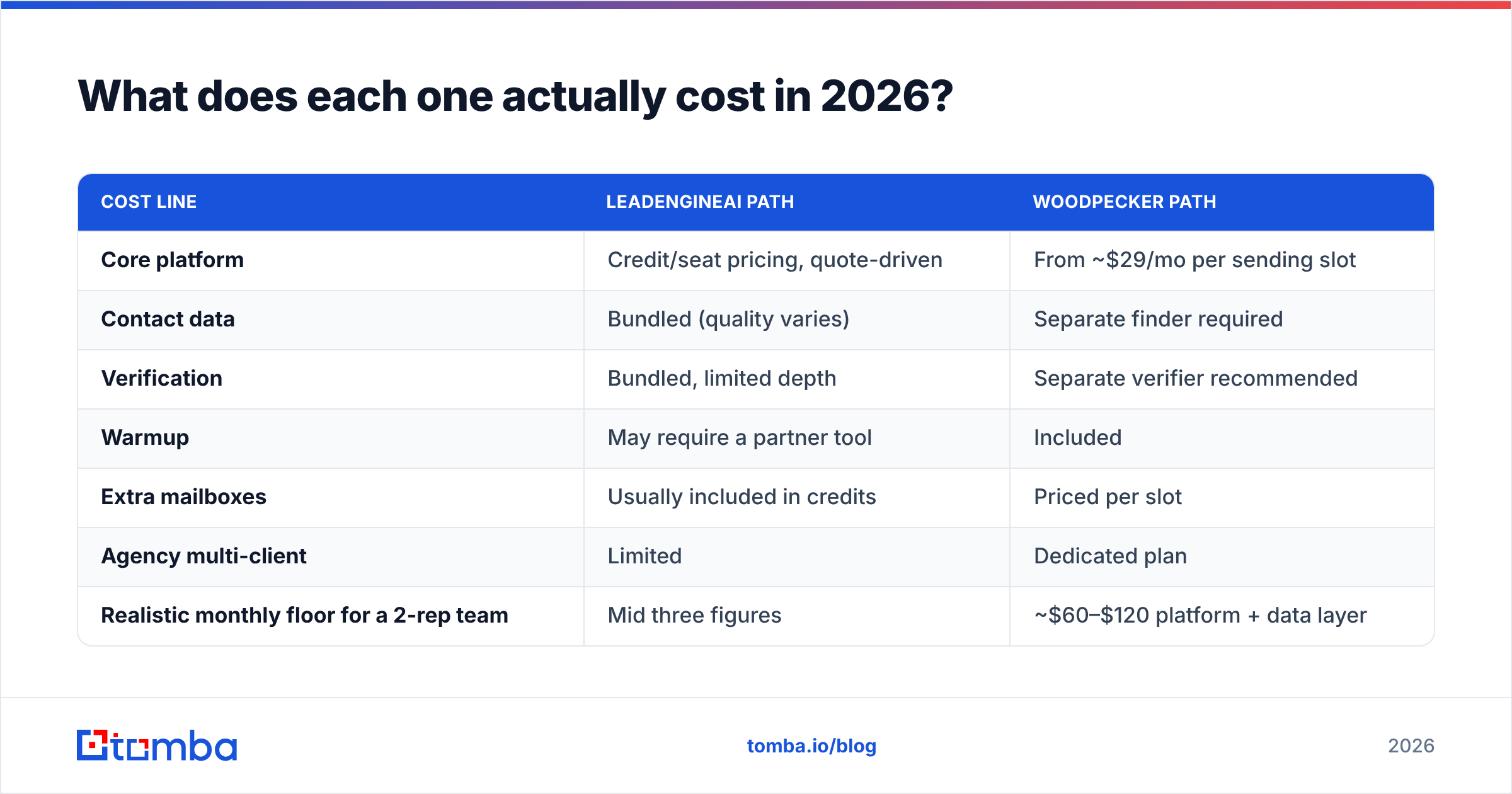
| Cost line | LeadEngineAI path | Woodpecker path |
|---|---|---|
| Core platform | Credit/seat pricing, quote-driven | From ~$29/mo per sending slot |
| Contact data | Bundled (quality varies) | Separate finder required |
| Verification | Bundled, limited depth | Separate verifier recommended |
| Warmup | May require a partner tool | Included |
| Extra mailboxes | Usually included in credits | Priced per slot |
| Agency multi-client | Limited | Dedicated plan |
| Realistic monthly floor for a 2-rep team | Mid three figures | ~$60–$120 platform + data layer |
Two things fall out of that table.
First, LeadEngineAI's all-in-one price looks steep next to Woodpecker's $29 entry point. But the $29 leaves out the data layer. Once you add a finder and a verifier, the gap narrows a lot.
Second, the data layer is the cheapest part of the stack and the one with the most leverage. A dedicated finder costs a fraction of the sequencer bill. Tomba pricing starts with a free tier at 25 searches a month. Paid plans run $49/mo for Starter, $99/mo for Growth, and $249/mo for Pro. So a verified data layer on top of a Woodpecker stack costs less than most teams spend on sequencer seats.
It is also worth scanning reviews on G2 before you commit. Look closely at support response times. That is where all-in-one platforms and specialists differ most.
LeadEngineAI vs Woodpecker: which one is better for your team?#
It depends on the bottleneck that is actually killing your pipeline. Be honest about which one you have.
Choose LeadEngineAI if:
- You have no list, no data ops person, and no appetite to build either.
- Your ICP is fuzzy, and you want the tool to help you find segments rather than work a defined one.
- You send under a few hundred emails a day, so inbox placement is not your binding constraint yet.
- You value one login over best-in-class parts.
Choose Woodpecker if:
- You already source leads, whether from a database, a scraper, events, or inbound.
- You run an agency and need clean client separation, per-client reporting, and white-label reports.
- Deliverability is your constraint. Reply rates have decayed, and you suspect the sender, not the copy.
- You want conditional multichannel sequences that branch on behavior.
Choose both, or a hybrid, if: you are scaling past roughly 5 reps. At that size, a bad list costs you more than an extra subscription does. The "one tool does everything" argument stops holding up. The mature stack is three tools, each doing one job well: a data layer (finder, verifier, enrichment), a sender, and a CRM.
One note on method. Don't test either tool on a list you already trust. Test both on a segment you have never emailed. Run 200 contacts through each, then compare bounce rate, reply rate, and time to first meeting. Vendor accuracy claims are marketing. Your own bounce log is data. HubSpot's sales research shows what normal reply rates look like by segment, so you can tell whether your test result is good or just not terrible.
Where does a data layer fit in either stack?#
In front of both of them.
Whichever platform you pick, the order of operations is the same:
- Define the account list — by domain, industry, tech stack, or hiring signal.
- Find the people — decision-maker emails at each domain, with confidence scores and sources.
- Verify before sending — including catch-all handling, not just syntax and MX checks.
- Enrich for personalization — title, seniority, LinkedIn, company size, so your first line isn't generic.
- Push to the sender — Woodpecker, LeadEngineAI, or whatever you land on.
Steps 2 through 4 are where campaigns are won. They are also the steps both tools treat as secondary. That is not a criticism; it is specialization. But it does mean you own that gap.
Already running Woodpecker? The plug-in is simple. Build the account list, run domain search across it, verify, export a CSV, and import it to your campaign. Evaluating LeadEngineAI? The same layer becomes your QA check. Run a sample of its bundled contacts through an outside verifier and see how the claimed accuracy holds up. If it holds, you have validated the vendor. If it doesn't, you found out for $49 instead of with a blacklisted domain.
What's the verdict?#
For most B2B teams in 2026, the LeadEngineAI vs Woodpecker call goes to Woodpecker plus a dedicated data layer.
Woodpecker does one hard thing very well: it gets mail into the inbox. That is the constraint that caps outbound output at scale. Pair it with a proper finder and verifier and you pay less than an all-in-one. You also get parts you can swap out one at a time, when one of them stops performing.
LeadEngineAI earns its place in a narrower case. Think early-stage teams with no list, no data process, and a real need to turn twelve setup decisions into one. That is a genuine problem, and paying to skip it is reasonable. Just plan the migration path. The all-in-one that got you to $1M ARR is rarely the stack that gets you to $10M.
And whichever way you go, verify first. The most expensive line item in outbound isn't a subscription. It's a domain you have to abandon.
Fix the data layer first. Point Tomba Email Finder at your target domains. You get verified decision-maker emails with confidence scores and sources. Feed them into whichever sender you choose. The free tier gives you 25 searches a month, so you can test accuracy against your own list before you commit. Run the comparison yourself and let your bounce rate settle the argument.
Related guides#
Ready to find emails that actually work?
Join 150,000+ professionals who stopped guessing and started sending. Free credits on signup — no credit card required.
Get the Tomba newsletter
Practical outbound tactics and product updates — once every two weeks.
About the author