Cybersecurity Lead Generation: A 2026 Playbook That Works
Selling security software means reaching skeptical, over-pitched CISOs. This guide breaks down cybersecurity lead generation that actually books meetings in 2026.
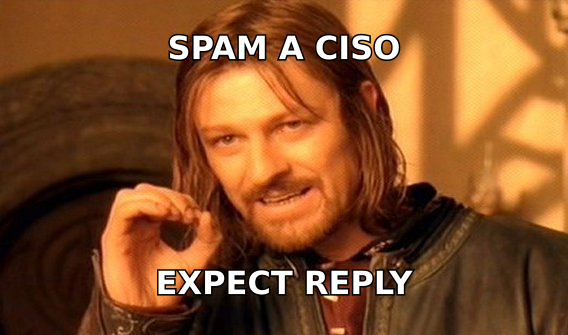
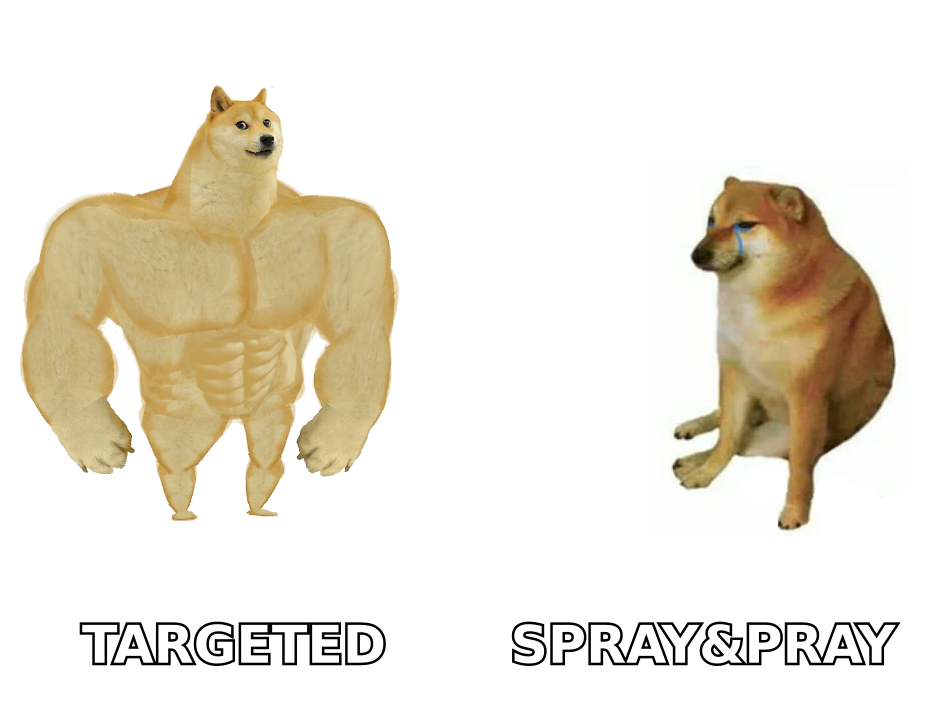
Selling a security product is a different sport than selling most B2B software. Your buyers are paid to be suspicious, they get pitched a dozen times a week, and a single sloppy cold email can put your domain on a blocklist run by the exact people you want as customers. Cybersecurity lead generation rewards precision and punishes spray-and-pray harder than almost any other niche.
This guide is the playbook: who to target, how to reach them, what to say, and which tools keep your pipeline full without torching your sender reputation.
TL;DR#
- Cybersecurity buyers are skeptical by profession. Generic outreach fails faster here than in any other B2B vertical — relevance and accuracy are non-negotiable.
- List quality beats list size. A verified list of 200 right-fit security decision-makers outperforms 5,000 scraped guesses that bounce and burn your domain.
- Multi-threading is mandatory. Security purchases involve the CISO, security engineers, compliance, procurement, and often the CFO. You need contacts across the whole committee.
- Trigger-based outreach wins. New breaches, funding rounds, compliance deadlines (SOC 2, ISO 27001, DORA), and new security hires are your best signals.
- Clean data is the foundation. Use a verified email finder and email verifier so you reach real inboxes and protect deliverability.
Why is cybersecurity lead generation so hard?#
Because your buyers are trained to distrust unsolicited contact — that is literally their job. A CISO who clicks a random link is a liability. So the instincts that make someone good at security also make them a hard prospect: they scrutinize sender domains, they ignore vague value props, and they escalate anything that smells like phishing.
Three structural challenges stack on top of that skepticism:
- Long, committee-driven buying cycles. Security deals routinely take 6–12 months and touch 6–10 stakeholders. No single champion can sign.
- Regulatory weight. Purchases are tied to frameworks like SOC 2, ISO 27001, HIPAA, PCI-DSS, and the EU's DORA. Budget unlocks around audits and deadlines, not calendar quarters.
- Alert fatigue. Security teams live inside a firehose of notifications. Your message competes with real incidents for attention.
The takeaway: you cannot brute-force this market. Volume tactics that work for generic SaaS will get you flagged. You win with targeting, timing, and trust.
Who are you actually selling to?#
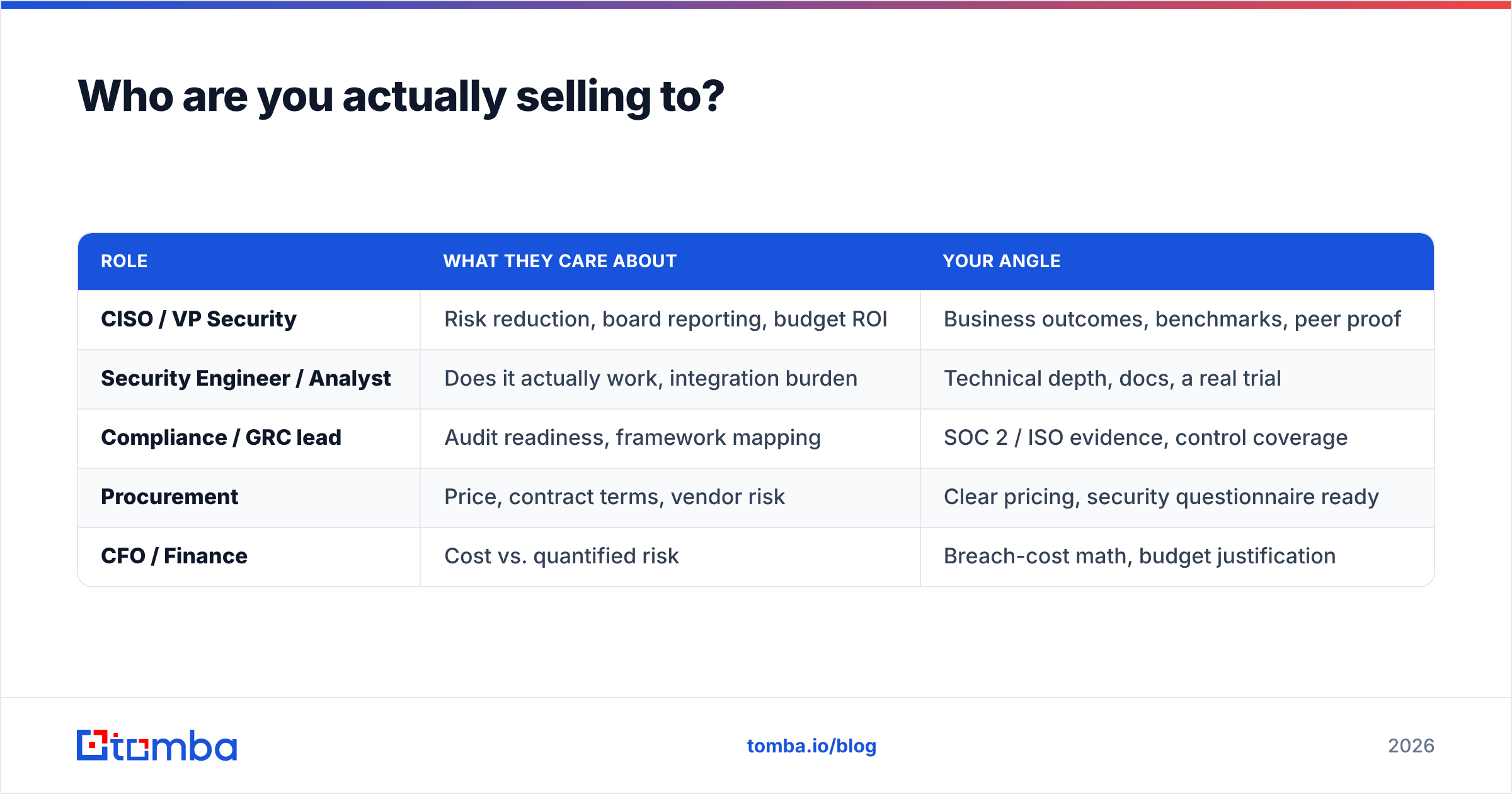
The mistake most teams make is treating "the security team" as one buyer. It is a committee, and each seat cares about something different. Map the whole thing before you send a single email.
| Role | What they care about | Your angle |
|---|---|---|
| CISO / VP Security | Risk reduction, board reporting, budget ROI | Business outcomes, benchmarks, peer proof |
| Security Engineer / Analyst | Does it actually work, integration burden | Technical depth, docs, a real trial |
| Compliance / GRC lead | Audit readiness, framework mapping | SOC 2 / ISO evidence, control coverage |
| Procurement | Price, contract terms, vendor risk | Clear pricing, security questionnaire ready |
| CFO / Finance | Cost vs. quantified risk | Breach-cost math, budget justification |
Notice that the CISO is rarely the person who evaluates your product day to day — that is the engineer. And the person who blocks the deal at the finish line is often procurement or finance. Multi-threading across these seats is not a nice-to-have; it is how security deals actually close. If you only have the CISO's email, you have a single point of failure.
This is where a domain search earns its keep: pull every reachable contact at a target company, then filter to the roles above so you can build the committee on purpose instead of hoping one champion carries the whole thing.
What lead generation channels work for cybersecurity?#
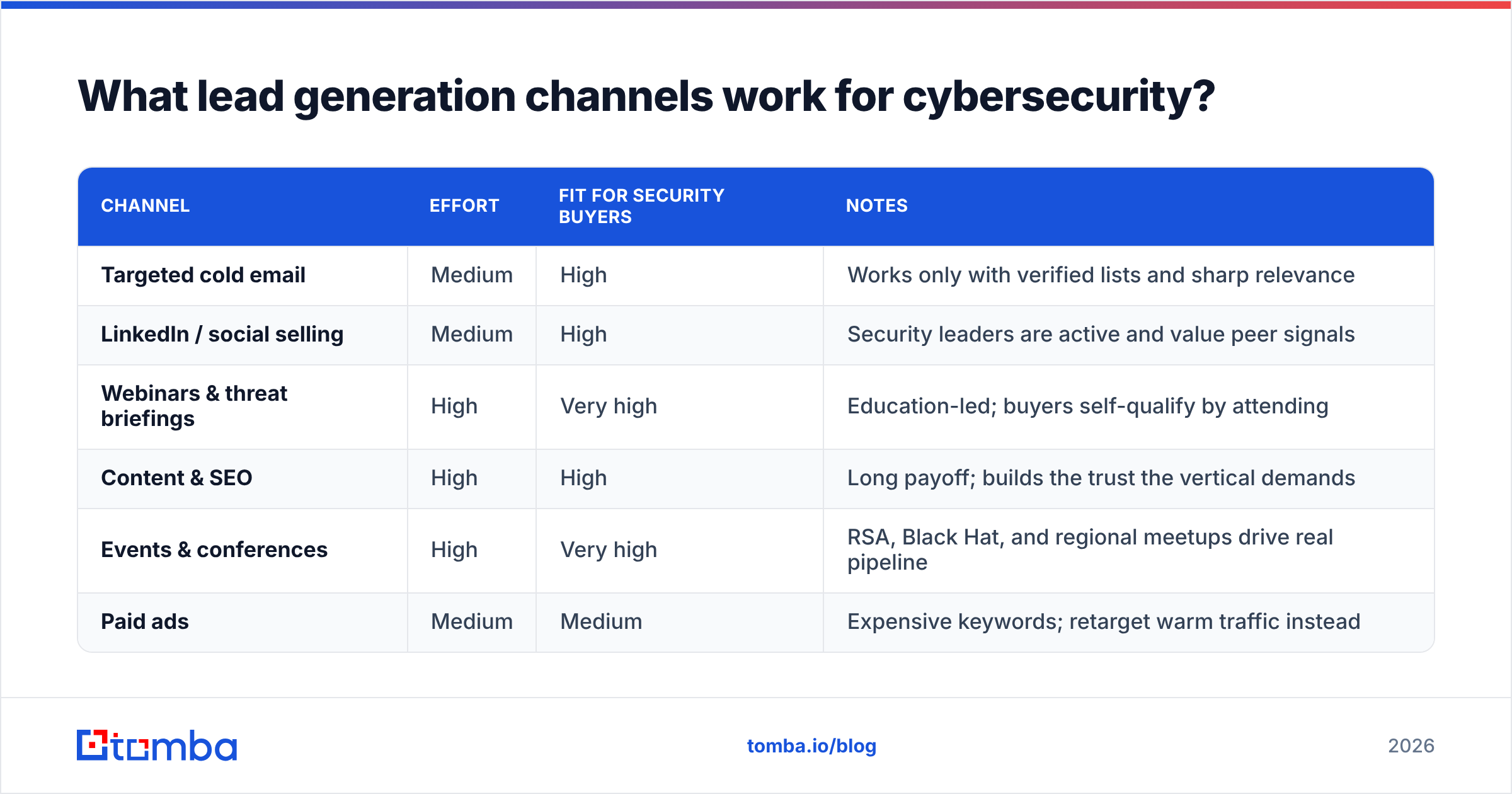
Not all channels are equal in this space. Here is how the main ones stack up for security buyers specifically.
| Channel | Effort | Fit for security buyers | Notes |
|---|---|---|---|
| Targeted cold email | Medium | High | Works only with verified lists and sharp relevance |
| LinkedIn / social selling | Medium | High | Security leaders are active and value peer signals |
| Webinars & threat briefings | High | Very high | Education-led; buyers self-qualify by attending |
| Content & SEO | High | High | Long payoff; builds the trust the vertical demands |
| Events & conferences | High | Very high | RSA, Black Hat, and regional meetups drive real pipeline |
| Paid ads | Medium | Medium | Expensive keywords; retarget warm traffic instead |
The pattern is clear: education-led channels outperform interruption-led ones with security buyers. A threat briefing webinar that teaches something useful will out-convert a discount ad every time, because it demonstrates the competence this audience demands before they trust a vendor.
That said, cold outreach still works — when it is done with surgical targeting. The difference between a cold email that books a meeting and one that gets you blocklisted is entirely in the list and the relevance.
How do you build a clean, targeted list?#
Start narrow, then verify everything. In cybersecurity lead generation, a small accurate list beats a huge dirty one every single time — bounces here do not just waste sends, they signal to spam filters that you are a low-trust sender, which is catastrophic when your buyers run those filters.
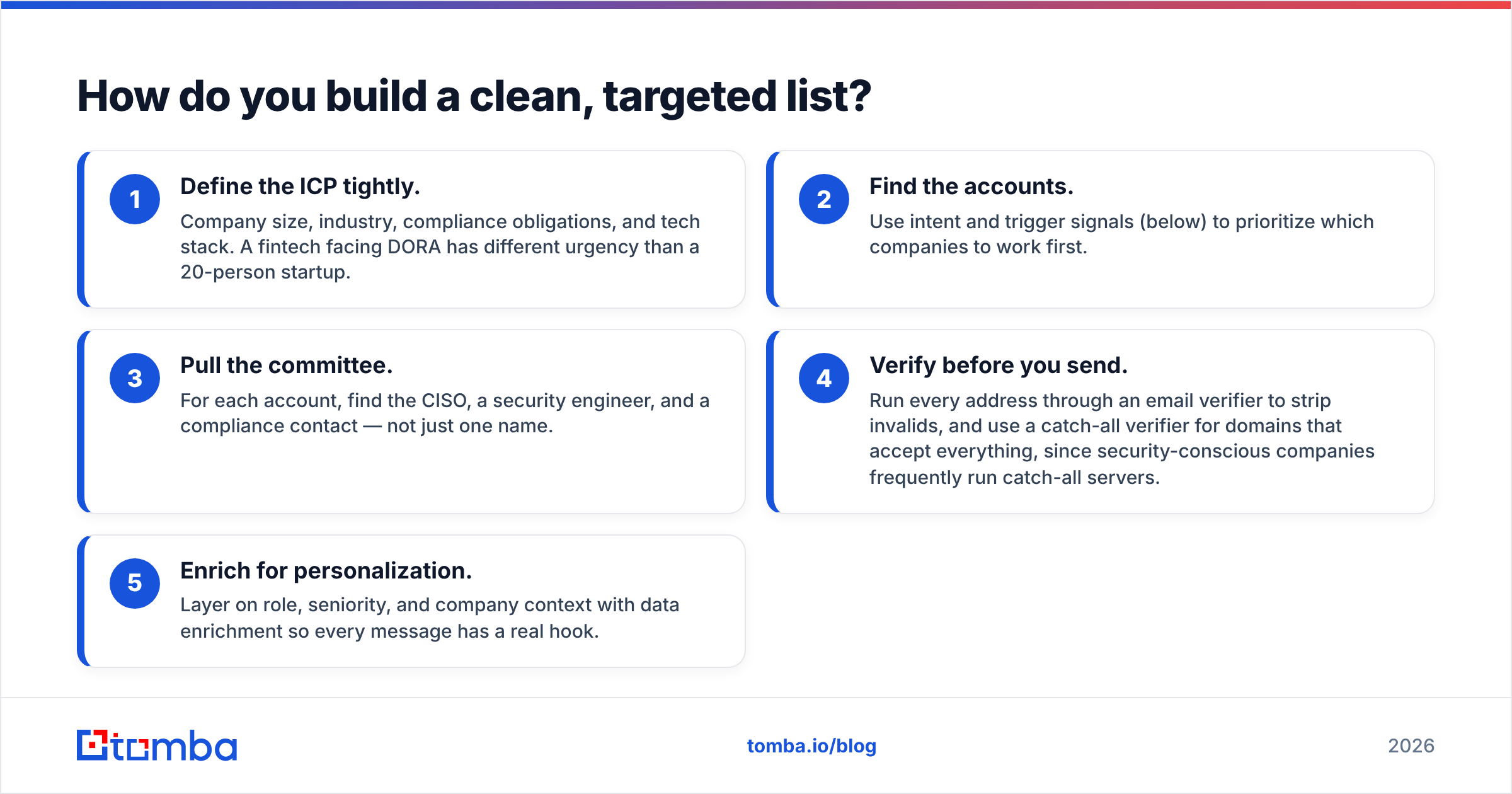
A dependable workflow looks like this:
- Define the ICP tightly. Company size, industry, compliance obligations, and tech stack. A fintech facing DORA has different urgency than a 20-person startup.
- Find the accounts. Use intent and trigger signals (below) to prioritize which companies to work first.
- Pull the committee. For each account, find the CISO, a security engineer, and a compliance contact — not just one name.
- Verify before you send. Run every address through an email verifier to strip invalids, and use a catch-all verifier for domains that accept everything, since security-conscious companies frequently run catch-all servers.
- Enrich for personalization. Layer on role, seniority, and company context with data enrichment so every message has a real hook.
For teams working at scale, a bulk email finder turns a list of target domains into a verified, committee-mapped contact set in one pass — instead of hand-researching hundreds of accounts. That is the difference between a rep spending their week in spreadsheets and spending it in conversations.
What triggers make security buyers actually respond?#
Timing beats persistence. A perfectly written email sent at the wrong moment gets ignored; an average email sent the week a company's budget unlocks gets a reply. Watch for these signals:
- A public breach or incident — in their industry or, carefully, at the company itself. Lead with help, never with fear-mongering.
- A new security hire — a fresh CISO or Head of Security is actively reshaping the stack and evaluating vendors.
- Funding rounds — new capital often means new security and compliance budget.
- Compliance deadlines — SOC 2 renewals, ISO 27001 audits, and DORA enforcement dates create hard timelines.
- Tech-stack changes — cloud migrations, new SaaS rollouts, and M&A all expand the attack surface and the buying appetite.
You can find much of this in public sources: Gartner coverage for market shifts, press releases for funding, and G2 reviews to see what tools an account already uses (and might be unhappy with). Pair the signal with the right contact and your response rate climbs sharply.
A practical move: when a company announces a new security leader on LinkedIn, that is your window. Use a LinkedIn finder to get their verified work email, reference the specific mandate they were hired for, and reach out while they are still assembling their vendor shortlist.
How should you write cold email for security buyers?#
Assume the reader is smarter than your pitch and busier than you think. Every word has to earn attention. The winning structure is short, specific, and free of hype:
- Subject line: concrete and non-salesy. "Question about [Company]'s SOC 2 timeline" beats "Revolutionize your security posture."
- Opening line: reference their world, not yours — a trigger event, a specific role challenge, or a peer they respect.
- The ask: one clear, low-friction next step. Offer a threat briefing or a benchmark, not "a quick 30-minute call to explore synergies."
- Proof: one relevant peer logo or a hard number. Security buyers trust evidence, not adjectives.
- Length: under 90 words. If a CISO has to scroll, you have lost.
Avoid two things that instantly kill trust in this vertical: fear-based selling ("Are you SURE you're not breached right now?") and fake urgency. Both read as manipulation to people whose job is spotting manipulation. Lead with competence and respect, and protect your email deliverability by keeping volume sane and lists clean — a warmed domain and a verified list matter more than clever copy.
What does a healthy cybersecurity pipeline look like?#
It is multi-threaded, trigger-driven, and measured on quality over raw volume. If your dashboard only tracks emails sent, you are optimizing the wrong number. Track these instead:
- Reply rate by segment — which roles and triggers actually respond
- Meetings booked per account — are you multi-threading or single-threading?
- Bounce rate — should sit under 2%; anything higher means your list hygiene is broken
- Pipeline influenced by trigger — proves timing is working
- Cost per qualified meeting — the metric that keeps the whole program honest
The teams that win in cybersecurity lead generation treat the CISO's inbox as a privilege, not a channel to exploit. They send less, target harder, and verify obsessively — and they book more meetings than competitors blasting ten times the volume.
Which tools should you actually use?#
You need three capabilities: find the right contacts, verify them ruthlessly, and enrich them for personalization. Many platforms do one of these well; the goal is a stack where accuracy is the default, because in this vertical a bounce is not just a wasted send — it is a reputation hit with the people who run spam filters for a living.
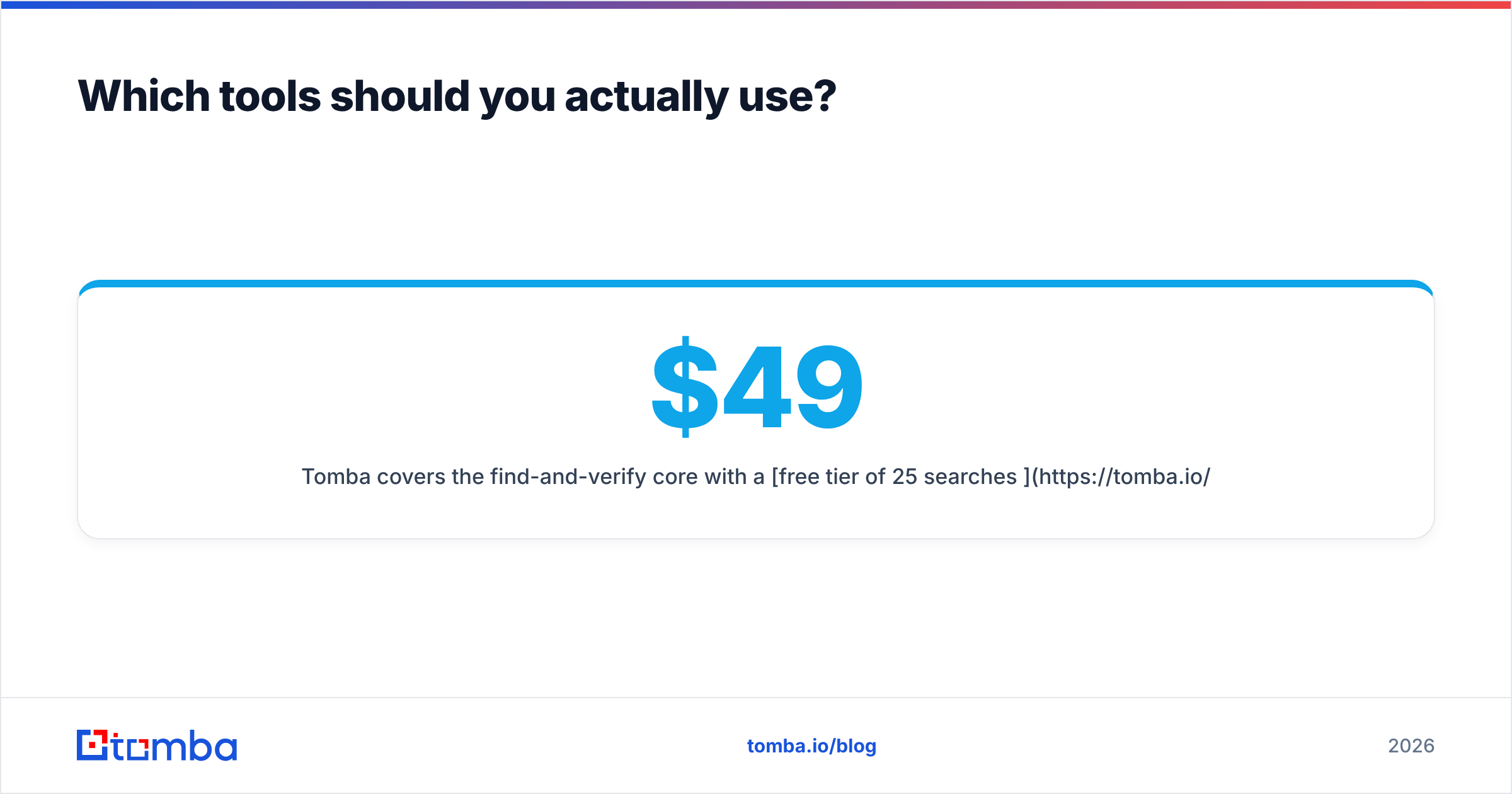
Tomba covers the find-and-verify core with a free tier of 25 searches/mo to test accuracy on your own target accounts before you commit, then Starter at $49/mo, Growth at $99/mo, and Pro at $249/mo as you scale. You can pull whole committees with domain search, confirm every address with the email verifier, and push clean contacts straight into your CRM through the HubSpot integration or Salesforce integration.
Frequently asked questions#
Is cold email even allowed for cybersecurity prospects? Yes, within the rules. B2B cold email is legal in most regions when you follow CAN-SPAM (US) and legitimate-interest provisions under GDPR (EU): identify yourself, offer an opt-out, and keep messaging relevant. Security buyers are less forgiving of sloppy compliance than most, so get it right.
How many contacts per account should I target? At least three: the economic buyer (CISO/VP), the technical evaluator (security engineer), and a compliance or procurement contact. Single-threaded security deals stall the moment your one contact goes quiet or leaves.
What bounce rate is acceptable? Keep it under 2%. Higher rates signal poor list hygiene to inbox providers and damage the sender reputation you depend on. Verify every address before sending — no exceptions in this vertical.
Do buyer intent signals really matter here? More than almost anywhere. Compliance deadlines, breaches, funding, and new security hires create the budget and urgency that turn a cold prospect into an active buyer. Timing is your highest-leverage variable.
Start with a list you can trust#
The fastest way to improve cybersecurity lead generation is to stop guessing at email addresses. Reaching a skeptical, over-pitched security committee only works when every contact is real, verified, and mapped to the right role — one bad send costs more here than in any other market.
Put the Tomba Email Finder at the front of your workflow: find verified emails by domain, name, or company, confirm them before you send, and enrich them for personalization that lands. Start on the free tier, test the accuracy against your own target accounts, and build a pipeline that respects your buyers as much as it fills your calendar.
Related guides#
Ready to find emails that actually work?
Join 150,000+ professionals who stopped guessing and started sending. Free credits on signup — no credit card required.
Get the Tomba newsletter
Practical outbound tactics and product updates — once every two weeks.
About the author