7 Best Data Miner Alternatives for Web & B2B Data (2026)
Data Miner is a handy Chrome scraper, but it stalls on scale, clean B2B contacts, and APIs. Here are 7 Data Miner alternatives worth switching to in 2026, ranked by use case, price, and output quality.
Data Miner is one of the most popular point-and-click scrapers on the Chrome Web Store, and for a lot of one-off tasks it does the job. But the moment you need thousands of rows, scheduled runs, an API, or clean B2B contact data instead of raw page text, you start hitting its ceiling. That's usually when people go looking for Data Miner alternatives.
This guide breaks down the seven best options in 2026 — free browser scrapers, cloud platforms, and data-enrichment tools — so you can match the tool to the job instead of forcing one extension to do everything.
TL;DR#
- Data Miner is great for small, manual scrapes inside your browser, but weak on scale, automation, and structured contact data.
- For heavy cloud scraping, Octoparse, ParseHub, and Apify are stronger and run without your machine open.
- For quick free grabs, Web Scraper.io and Instant Data Scraper cover most of what Data Miner does at $0.
- For B2B email and contact data, a scraper is the wrong tool — an enrichment API like Tomba returns verified emails instead of messy HTML you have to clean.
- Pick by output, not features: if the end goal is outreach-ready leads, skip scraping raw pages and pull structured data directly.
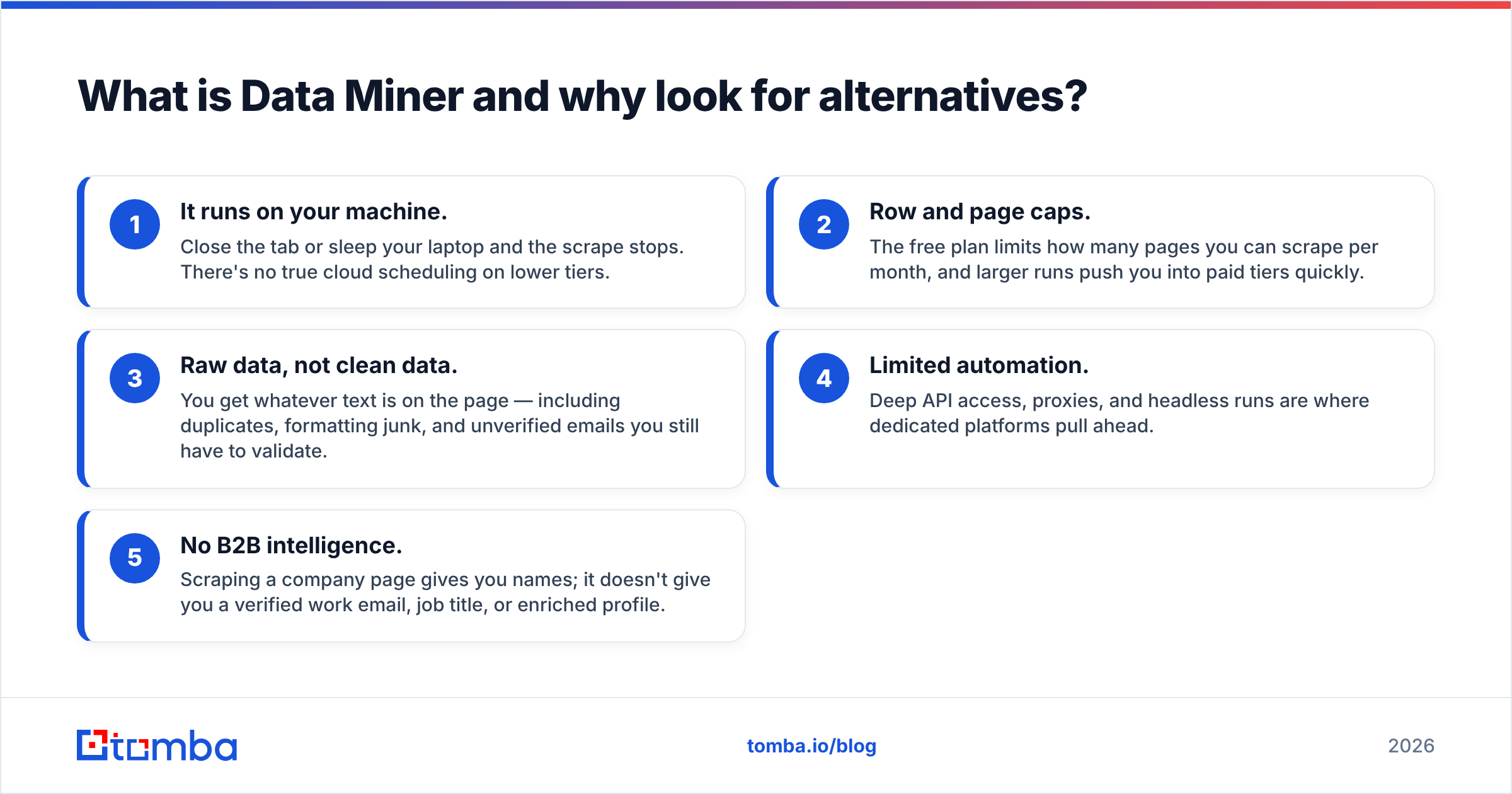
What is Data Miner and why look for alternatives?#
Data Miner is a browser extension (Chrome and Edge) that lets you extract data from web pages using pre-built "recipes" or your own point-and-click selectors, then export to CSV or Excel. It runs locally in your browser, which makes it fast to start and privacy-friendly for small jobs.
The trade-offs show up as your needs grow:
- It runs on your machine. Close the tab or sleep your laptop and the scrape stops. There's no true cloud scheduling on lower tiers.
- Row and page caps. The free plan limits how many pages you can scrape per month, and larger runs push you into paid tiers quickly.
- Raw data, not clean data. You get whatever text is on the page — including duplicates, formatting junk, and unverified emails you still have to validate.
- Limited automation. Deep API access, proxies, and headless runs are where dedicated platforms pull ahead.
- No B2B intelligence. Scraping a company page gives you names; it doesn't give you a verified work email, job title, or enriched profile.
If any of those are your bottleneck, one of the alternatives below will fit better.
What are the best Data Miner alternatives in 2026?#
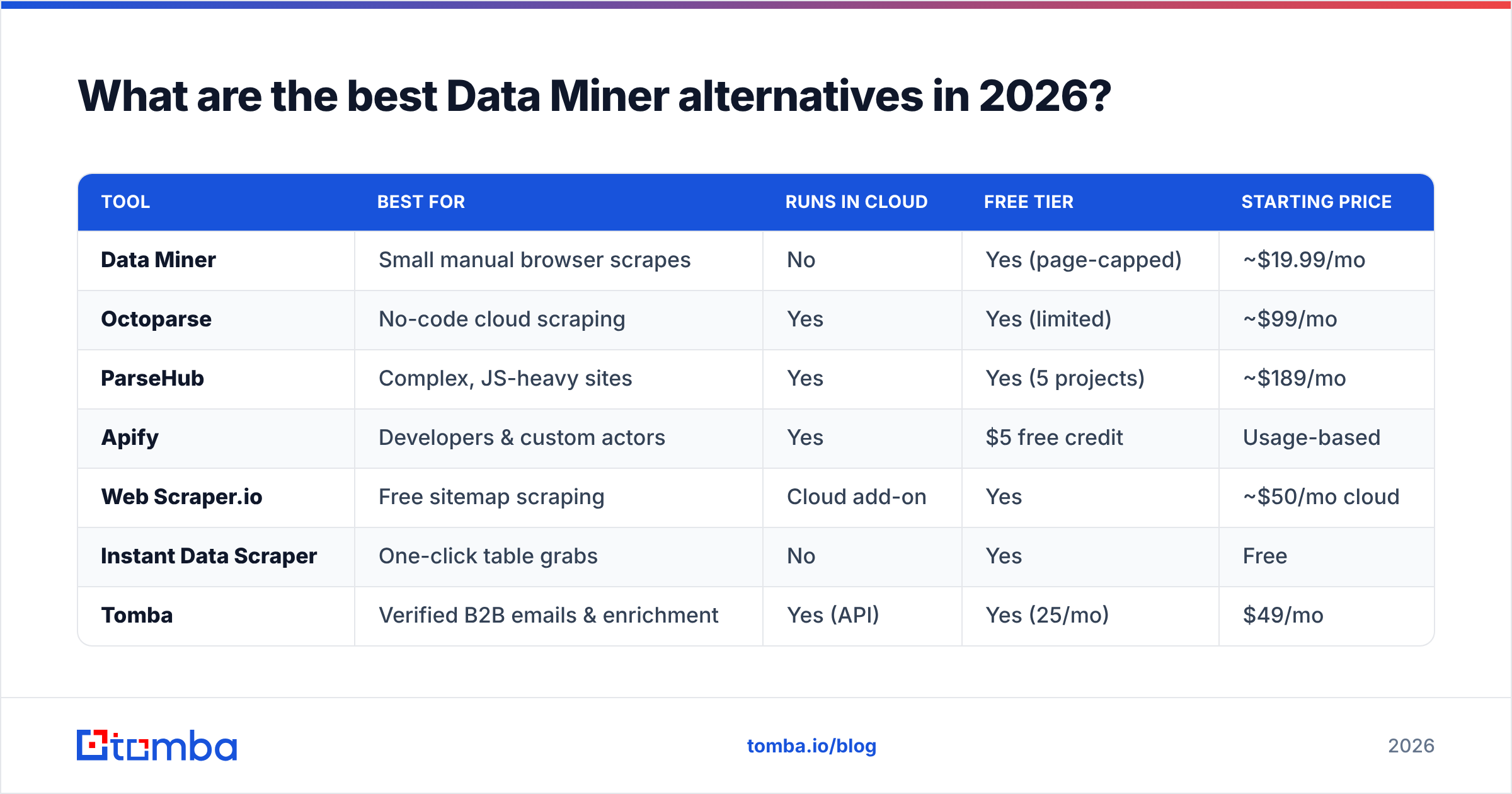
Here's the short version before we go tool by tool. The right pick depends on whether you need general web scraping, cloud-scale extraction, or ready-to-use B2B contact data.
| Tool | Best for | Runs in cloud | Free tier | Starting price |
|---|---|---|---|---|
| Data Miner | Small manual browser scrapes | No | Yes (page-capped) | ~$19.99/mo |
| Octoparse | No-code cloud scraping | Yes | Yes (limited) | ~$99/mo |
| ParseHub | Complex, JS-heavy sites | Yes | Yes (5 projects) | ~$189/mo |
| Apify | Developers & custom actors | Yes | $5 free credit | Usage-based |
| Web Scraper.io | Free sitemap scraping | Cloud add-on | Yes | ~$50/mo cloud |
| Instant Data Scraper | One-click table grabs | No | Yes | Free |
| Tomba | Verified B2B emails & enrichment | Yes (API) | Yes (25/mo) | $49/mo |
1. Octoparse — best no-code cloud scraper#
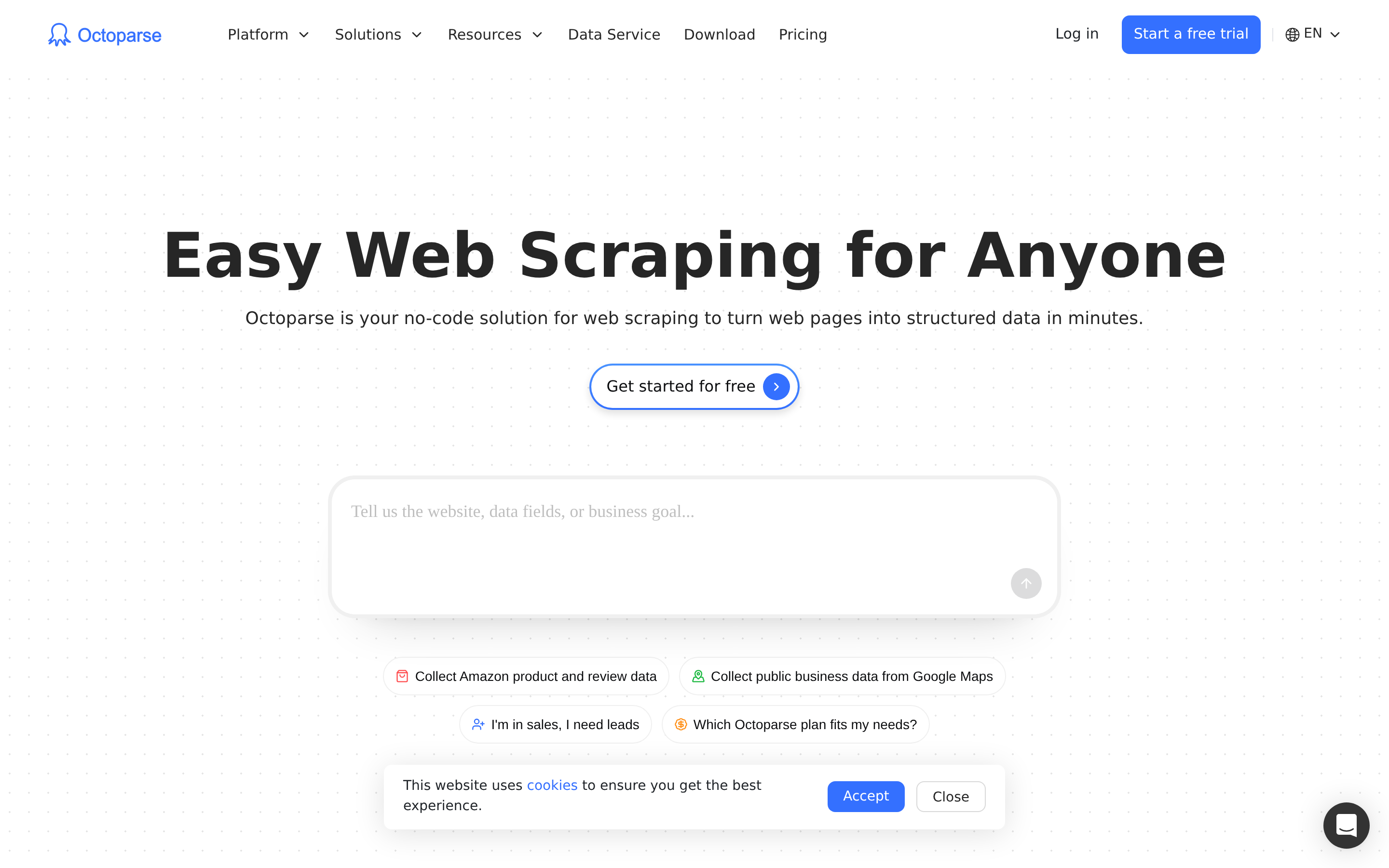
Octoparse is the closest "big brother" to Data Miner for people who want a visual, no-code workflow but need it to run in the cloud. You build a task by clicking elements, then Octoparse handles pagination, infinite scroll, and scheduled runs on its servers. IP rotation and anti-bot handling are built in on higher plans.
It's a good step up when your scrapes are outgrowing a single browser tab, though the paid tiers are a meaningful jump from Data Miner's pricing.
2. ParseHub — best for complex, JavaScript-heavy sites#
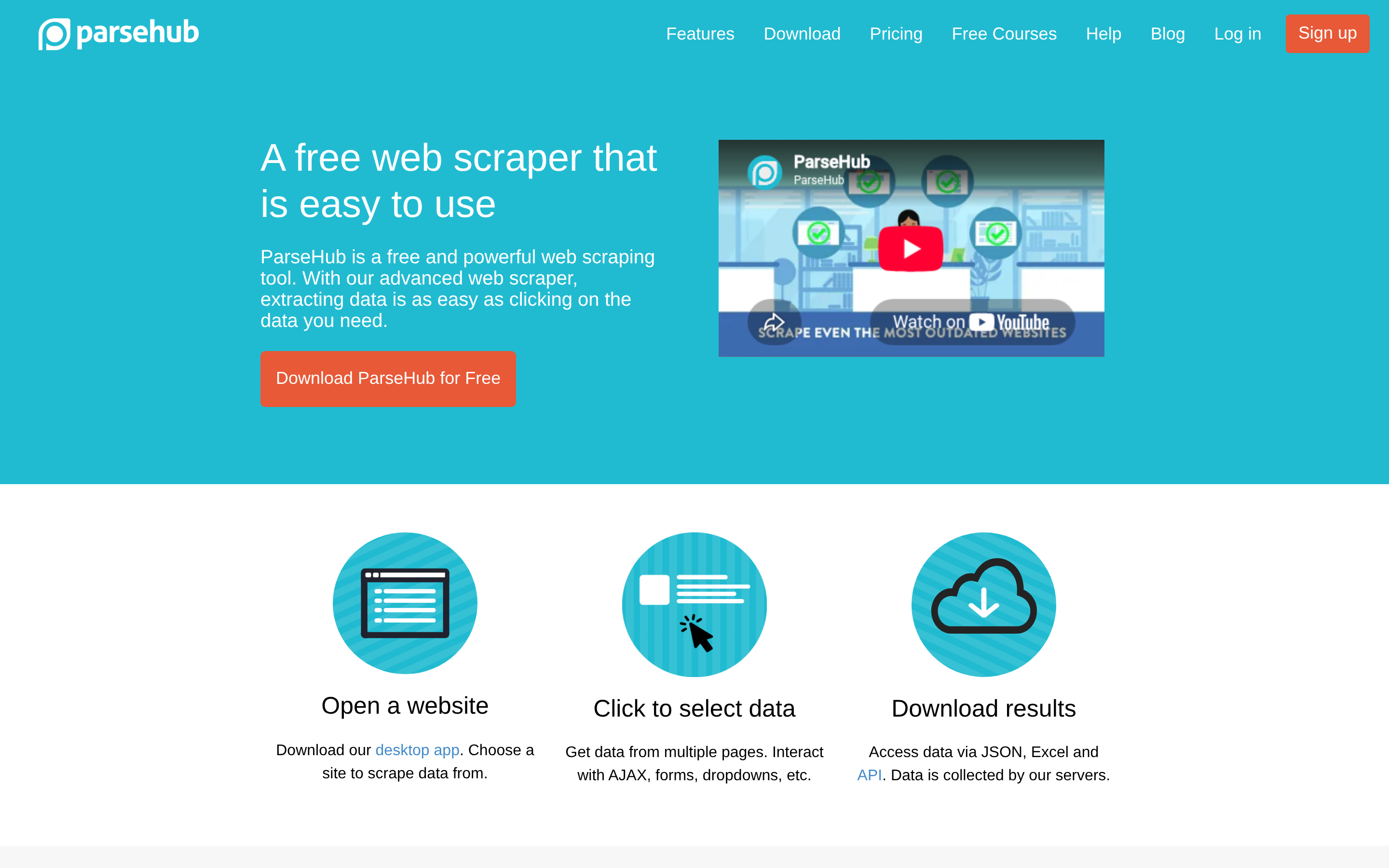
ParseHub shines on messy, dynamic sites — single-page apps, dropdowns, maps, and pages that load content as you interact. Its desktop app builds the scrape logic and runs jobs in the cloud. The free plan is genuinely usable for learning, but throughput and project limits mean serious users land on paid tiers fast.
Choose ParseHub when Data Miner simply can't "see" the data because it's rendered by JavaScript after load.
3. Apify — best for developers#
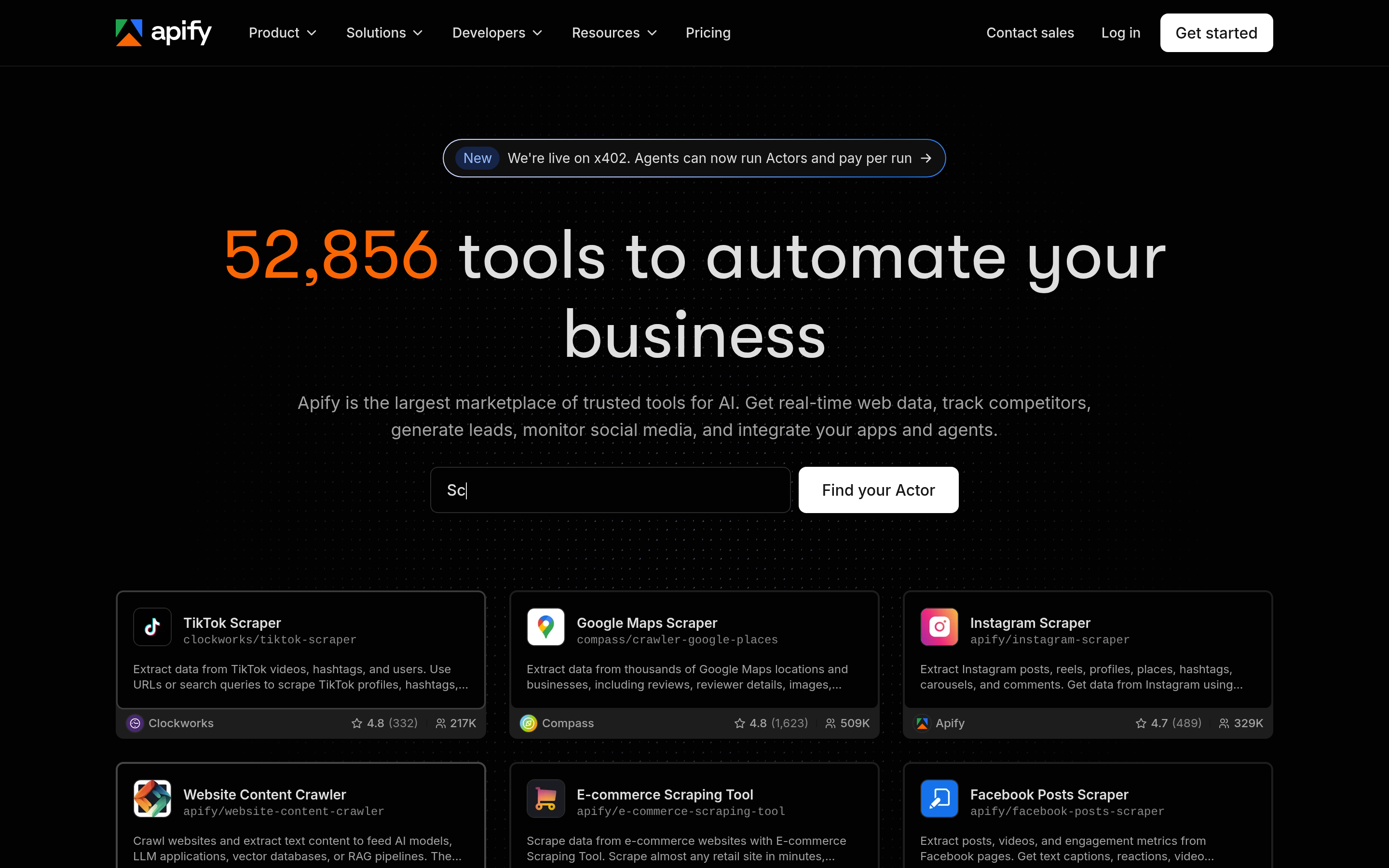
Apify is a full scraping and automation platform built around reusable "actors" (pre-made or custom scrapers). If you or your team can write a little code, Apify gives you proxies, storage, scheduling, and a real API — everything Data Miner lacks for production pipelines. Its marketplace has ready-made actors for common targets, so you don't always start from scratch.
It's overkill for a one-time CSV, but it's the right foundation if scraping is becoming part of your product or ops.
4. Web Scraper.io — best free browser alternative#
Web Scraper.io is the most direct free swap for Data Miner. It's a Chrome extension that uses "sitemaps" (your scrape blueprint) to crawl and extract structured data, with a paid cloud layer if you want scheduled, off-machine runs. The learning curve is a bit steeper, but for structured lists and category pages it's hard to beat at $0.
5. Instant Data Scraper — best for one-click tables#
Instant Data Scraper is the tool you reach for when you just want that table off that page right now. It auto-detects tabular data and exports to CSV or Excel with almost no setup. There's no recipe-building and no cloud — it's a fast, free, single-purpose grab. Perfect for quick research, useless for anything scheduled or large-scale.
6. Bright Data — best for enterprise scale#
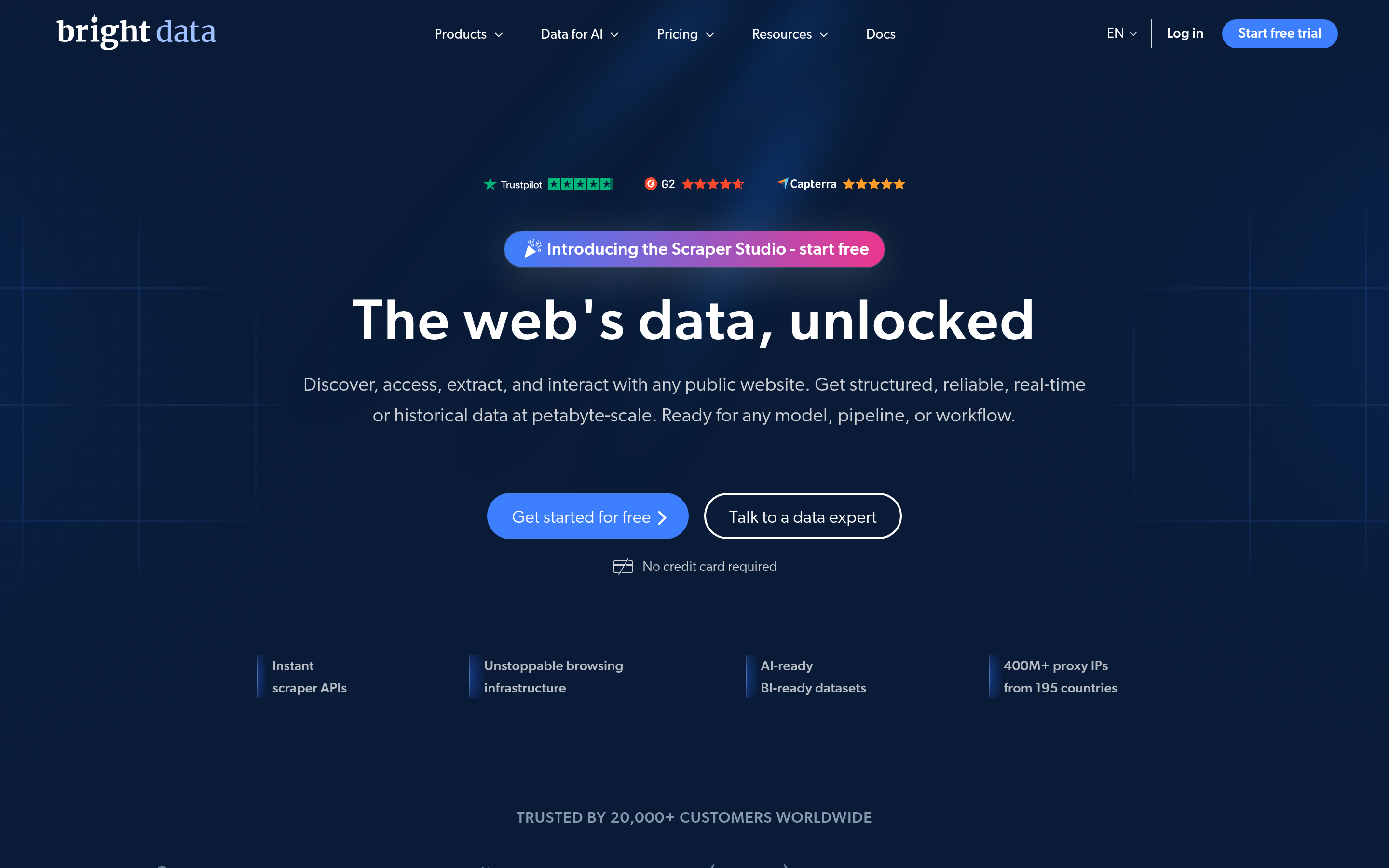
Bright Data (formerly Luminati) sits at the enterprise end: massive proxy networks, pre-collected datasets, and a Web Scraper API for teams that need compliant data at volume. It's powerful and priced accordingly. If you're evaluating it, you've already outgrown extensions entirely.
7. Tomba — best for verified B2B contact data#
Here's the pivot most people scraping business sites eventually make. If your real goal isn't "extract HTML" but "get verified work emails and enriched contacts," a scraper is the wrong shape of tool. You end up with unverified addresses, duplicates, and formatting cleanup — then you still have to validate everything before sending.
Tomba skips that entire mess. Instead of scraping a page and hoping the emails are real, you query by domain, name, or company and get back verified email addresses with a confidence score, source citations, and enrichment data. It runs as a email finder API, a bulk email finder for lists, a Chrome extension, and native Google Sheets and Excel add-ons — so it slots into whatever workflow replaced your Data Miner recipes.
For lead generation specifically, that's the difference between a spreadsheet you can email today and one you'll spend two hours cleaning.
Data Miner vs the alternatives: how to choose#
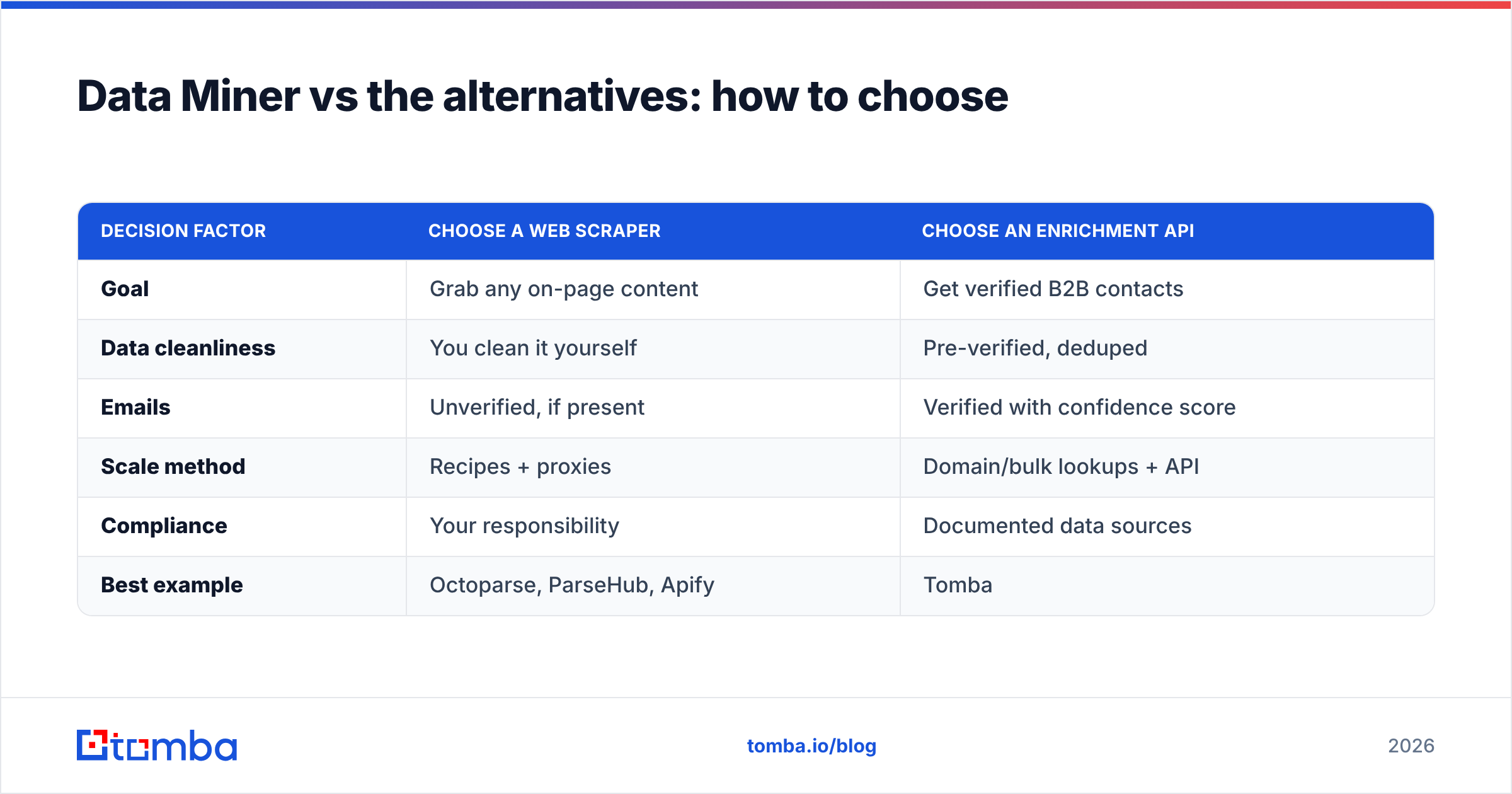
The fastest way to decide is to ask what you're going to do with the data. Scraping tools and enrichment tools look similar on the surface but solve different problems.
| Decision factor | Choose a web scraper | Choose an enrichment API |
|---|---|---|
| Goal | Grab any on-page content | Get verified B2B contacts |
| Data cleanliness | You clean it yourself | Pre-verified, deduped |
| Emails | Unverified, if present | Verified with confidence score |
| Scale method | Recipes + proxies | Domain/bulk lookups + API |
| Compliance | Your responsibility | Documented data sources |
| Best example | Octoparse, ParseHub, Apify | Tomba |
A few practical rules of thumb:
- Need product prices, listings, or public content? Stay in the scraper lane — Octoparse or Apify.
- Need a free, occasional grab? Web Scraper.io or Instant Data Scraper.
- Need JavaScript-heavy sites handled? ParseHub.
- Need emails and contacts for outreach? Use an enrichment tool with a email verifier baked in, so bounces don't wreck your sender reputation.
That last point matters more than most switching guides admit. A scraped list full of guessed or catch-all addresses will tank your deliverability the first time you send to it. Feeding unclean data into cold outreach is one of the fastest ways to get flagged, which is why verification belongs in the pipeline, not as an afterthought. You can read Google's own guidance on sender reputation and spam thresholds in the Postmaster Tools documentation before you send to anything scraped.
Are free Data Miner alternatives good enough?#
For many jobs, yes. If your work is occasional and small — grabbing a table, exporting a category page, pulling a list you can see on screen — free tools like Web Scraper.io and Instant Data Scraper will match or beat Data Miner's free tier without the page caps stinging as much.
Free scrapers start to fall short when you need:
- Scheduled, unattended runs (your machine has to stay on)
- Thousands of rows reliably (rate limits and blocks appear)
- Anti-bot and proxy handling (paid cloud territory)
- Clean, verified output (no free scraper verifies emails)
If you're comparing paid options, check independent reviews on G2 rather than vendor pages — the ratings surface where each tool actually breaks down at scale. And if the "data" you're really after is business contacts, compare the raw cost too: a scraper subscription plus a separate verification tool often costs more than a single enrichment plan that does both.
How much do Data Miner alternatives cost?#
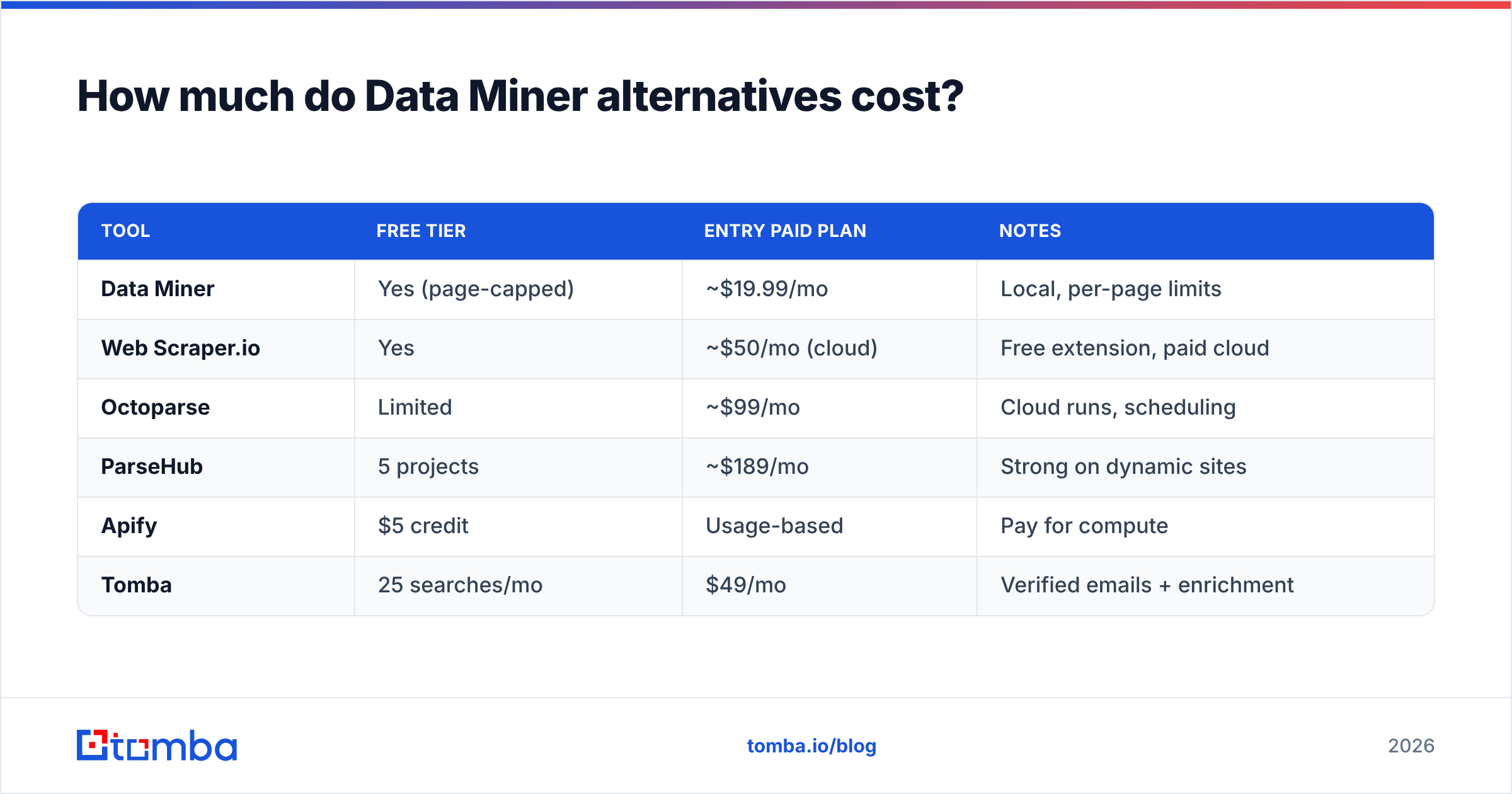
Pricing spans a wide range because these tools do different jobs. Browser extensions are cheap; cloud platforms and enterprise data networks are not.
| Tool | Free tier | Entry paid plan | Notes |
|---|---|---|---|
| Data Miner | Yes (page-capped) | ~$19.99/mo | Local, per-page limits |
| Web Scraper.io | Yes | ~$50/mo (cloud) | Free extension, paid cloud |
| Octoparse | Limited | ~$99/mo | Cloud runs, scheduling |
| ParseHub | 5 projects | ~$189/mo | Strong on dynamic sites |
| Apify | $5 credit | Usage-based | Pay for compute |
| Tomba | 25 searches/mo | $49/mo | Verified emails + enrichment |
Tomba's tiers run Free (25 searches/mo), Starter at $49/mo, Growth at $99/mo, and Pro at $249/mo, with full Tomba pricing and volume enrichment on higher plans. For a B2B use case, that single line item usually replaces both a scraper and a standalone verifier — which is worth doing the math on before you stack subscriptions.
Which Data Miner alternative should you pick?#
Match the tool to the outcome:
- General web scraping, no code, cloud runs: Octoparse.
- Dynamic, JavaScript-heavy sites: ParseHub.
- Developer pipelines and custom scrapers: Apify.
- Free and occasional: Web Scraper.io or Instant Data Scraper.
- Enterprise-scale, compliant data: Bright Data.
- Verified B2B emails and enriched contacts: Tomba.
The honest takeaway: most people searching for Data Miner alternatives don't actually want a better scraper — they want cleaner data with less manual work. If your end goal is outreach, the scraping step is a detour. Pulling verified contacts directly from a data enrichment source gets you there faster and keeps your lists safe to send to.
Ready to skip the scraping cleanup?#
If the whole point of your scraping was to build a list of people to email, try replacing the recipe-building and CSV-scrubbing with a tool built for exactly that. The Tomba Email Finder turns a company domain or a name into verified, outreach-ready email addresses — complete with confidence scores and source data — through the web app, Chrome extension, Sheets add-on, or API. Start free with 25 searches a month, and see how much time you get back when the data arrives clean instead of raw. Your deliverability (and your future self) will thank you.
Related guides#
Ready to find emails that actually work?
Join 150,000+ professionals who stopped guessing and started sending. Free credits on signup — no credit card required.
Get the Tomba newsletter
Practical outbound tactics and product updates — once every two weeks.
About the author