DiscoverOrg vs LeadsForge in 2026: Honest Data Comparison
DiscoverOrg no longer exists as a standalone product, and LeadsForge is a fraction of its size. Here is what each one actually gives you in 2026 — and when neither is the right buy.
DiscoverOrg vs LeadsForge is not a fair fight. One brand is retired. The other is brand new. Here is the short version, in plain words.
TL;DR
- DiscoverOrg is not a product you can buy in 2026. ZoomInfo bought it in 2019 and retired the name. When a review site says "DiscoverOrg," it means ZoomInfo Sales.
- LeadsForge is the flip side. It is small, new, and AI-driven. You type a prompt and get a lead list. Prices are public. Docs are thin.
- So "DiscoverOrg vs LeadsForge" is really one question. Do you need a full sales suite with org charts, intent, and CRM sync? Or do you just need good contact data at a fair price?
- Most teams under 50 reps pay too much. They buy a big database and use it as an email finder.
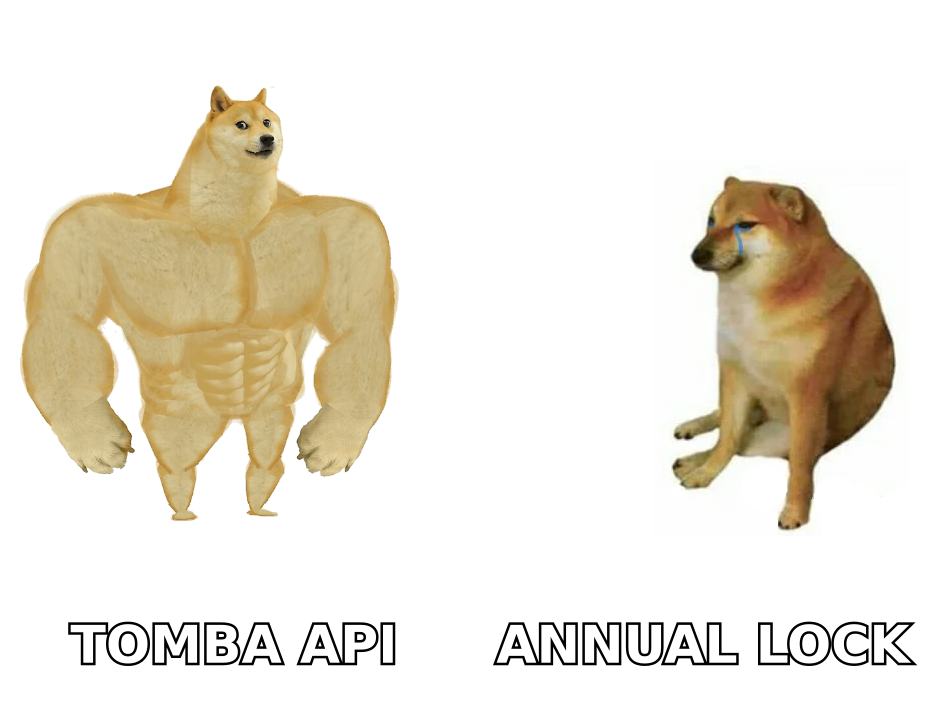
- If the job is finding and checking emails, a small tool costs far less. Tomba starts at $49/mo and has a free tier. No annual deal.
Why does "DiscoverOrg vs LeadsForge" even come up?#
Because the web has a long memory. Vendor comparison pages have a longer one.
DiscoverOrg ran the premium end of B2B data through the 2010s. It sold hand-checked org charts, direct dial numbers, and IT install data. The sales team priced it to match.
In 2019 it bought ZoomInfo. Then it took the ZoomInfo name for the merged company. Search for DiscoverOrg today and you land on zoominfo.com. The company history is public and clear.
LeadsForge sits at the other end. It is a light lead tool. You describe your buyer in plain words. It hands back a list. Signup is self-serve, plans are monthly, and the team is small.
So DiscoverOrg vs LeadsForge pits a retired brand against a young point tool. That gap matters more than any feature box. It is also why this comparison tends to end with a third option.
What did DiscoverOrg do, and what is it now?#
DiscoverOrg never won on volume. It won on checking. Real people kept each record fresh. That gave it direct dials you could trust. It also mapped who reported to whom inside big accounts, above all in IT.
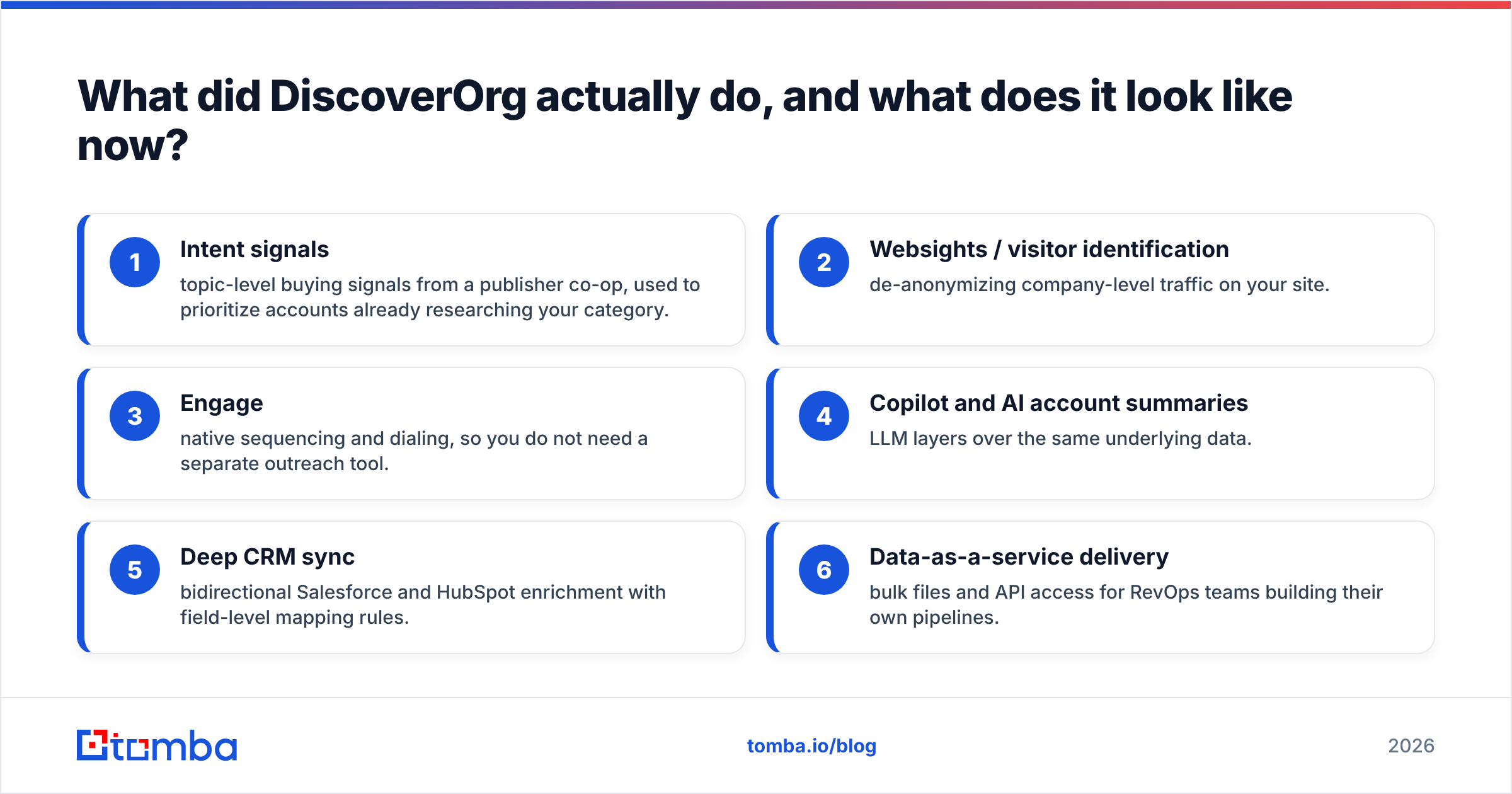
ZoomInfo still has that layer. It also added things DiscoverOrg never had:
- Intent signals — see which accounts already read about your topic.
- Website visitors — see which companies browse your site.
- Engage — built-in email steps and a dialer, so you skip a second tool.
- Copilot — AI summaries on top of the same data.
- CRM sync — two-way Salesforce and HubSpot updates, with field rules.
- Bulk data — flat files and API access for RevOps teams.
The catch is the price model. ZoomInfo sells by the year. You pay a platform fee, then credits, then seats. For a real seat count, the entry point lands in the mid five figures.
Buyer reviews on G2 agree on two points. The data is strong. The contracts are stiff. Auto-renewal and mid-term upsell come up again and again.
That is not a scandal. It is how big data deals work. But it means "is the data good?" is the wrong question. Ask this one instead. Will you use enough of it to earn back a floor price you cannot cut mid-year?
What is LeadsForge, and where does it stop?#
LeadsForge is a plain-language front end on a lead database. You type "VP of Engineering at Series B fintechs in Germany, 50-200 staff." It builds the list. Some plans add basic outreach.
On the LeadsForge half of DiscoverOrg vs LeadsForge, speed is the whole pitch.
Where it fits:
- Speed. No demo, no setup call, no onboarding fee.
- Small budgets. Monthly self-serve plans in the tens to low hundreds.
- Solo operators. You need a list this afternoon, not a data strategy.
Where it stops:
- Proof. Big providers publish how they source and refresh records. Small AI list tools mostly do not. You cannot audit what you cannot see. Plan on your own check step.
- Depth. Org charts, direct dials, install data, and intent are not in the same league.
- Paperwork. Legal may want GDPR files, a DPA, SOC 2, and a named contact. A small vendor is a risk here, however good the data is.
- Staying power. Tools in this class come and go. Building a core workflow on one is a bet.
Let me be straight about what I cannot verify. LeadsForge shares far less proof than ZoomInfo does. Treat every accuracy claim as untested, theirs and any review site's. Then run your own test on 200 records in your own market.
DiscoverOrg vs LeadsForge vs Tomba: a side-by-side#
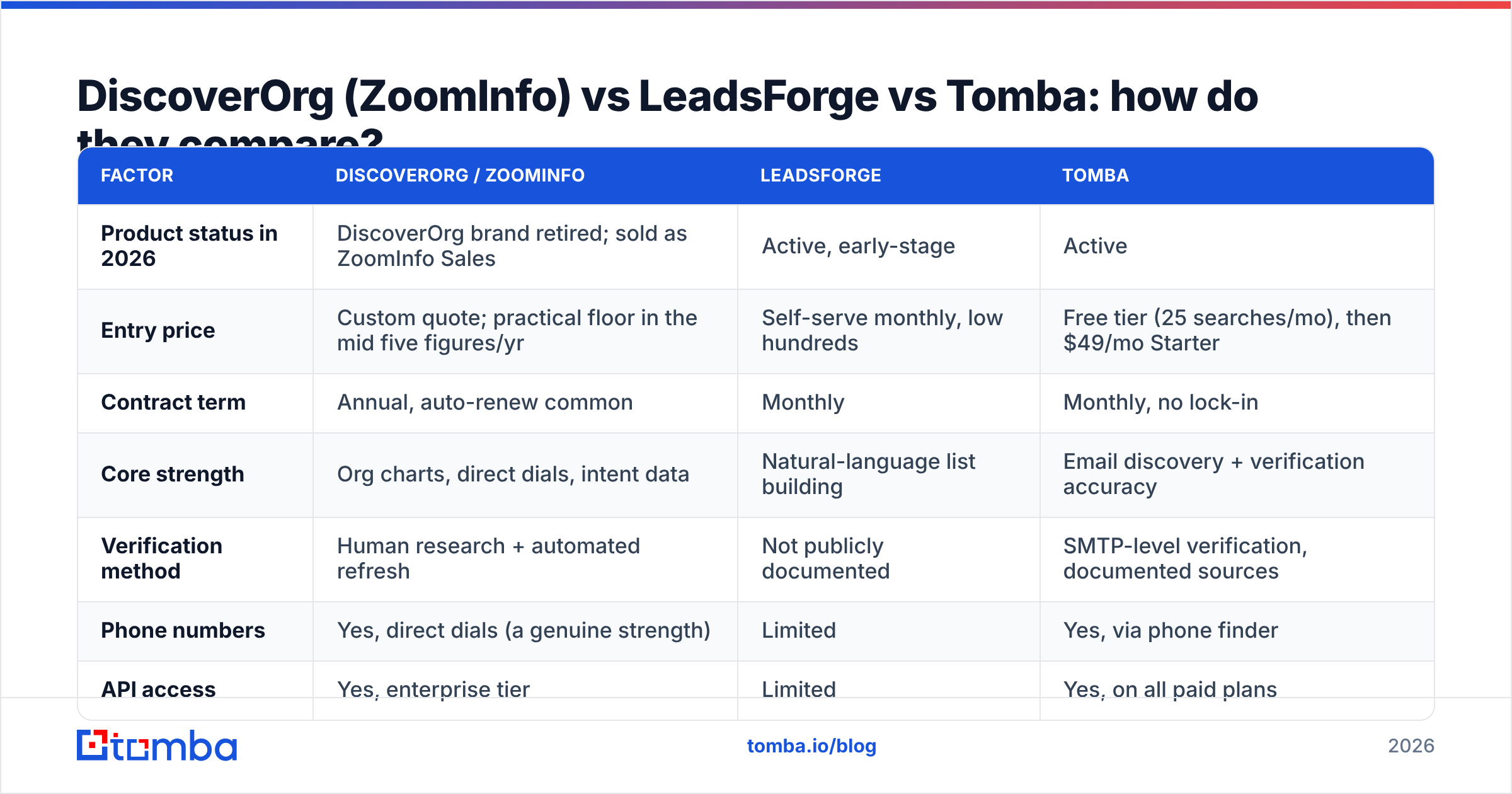
| Factor | DiscoverOrg / ZoomInfo | LeadsForge | Tomba |
|---|---|---|---|
| Status in 2026 | Brand retired; sold as ZoomInfo Sales | Active, early-stage | Active |
| Entry price | Custom quote; floor in the mid five figures a year | Self-serve monthly, low hundreds | Free tier (25 searches/mo), then $49/mo |
| Contract | Yearly, auto-renew common | Monthly | Monthly, no lock-in |
| Core strength | Org charts, direct dials, intent data | Prompt-based list building | Email finding and checking |
| How data is checked | People plus auto refresh | Not published | SMTP checks, sources listed |
| Phone numbers | Yes, direct dials (a real strength) | Limited | Yes, via phone finder |
| API access | Yes, top tier | Limited | Yes, on all paid plans |
| Free trial | Demo, sales-gated | Limited free usage | Free tier, no card |
| Best for | 50+ reps, ABM, RevOps | Solo founders, first 100 leads | Teams that need good contacts, not a suite |
Read the table as three different buys, not three versions of one. ZoomInfo is a platform choice. It touches your CRM, your sequencer, and your reports. LeadsForge is a tactical buy you can drop next month. A focused email finder is plumbing. You plug it into whatever else you run.
Which one is more accurate?#
No one can answer that for your market. Any post that quotes one accuracy number for all three is guessing. That is the honest reply to the data half of DiscoverOrg vs LeadsForge.
You can run your own test in under two hours:
- Build a 200-row truth set. Use accounts you know: closed-won customers, live deals, and contacts whose email you have confirmed.
- Strip the contact data. Feed only names and domains to each tool.
- Score three things apart. Coverage is how many rows came back. Accuracy is how many matched your known value. Bounce rate needs a small, warmed test send.
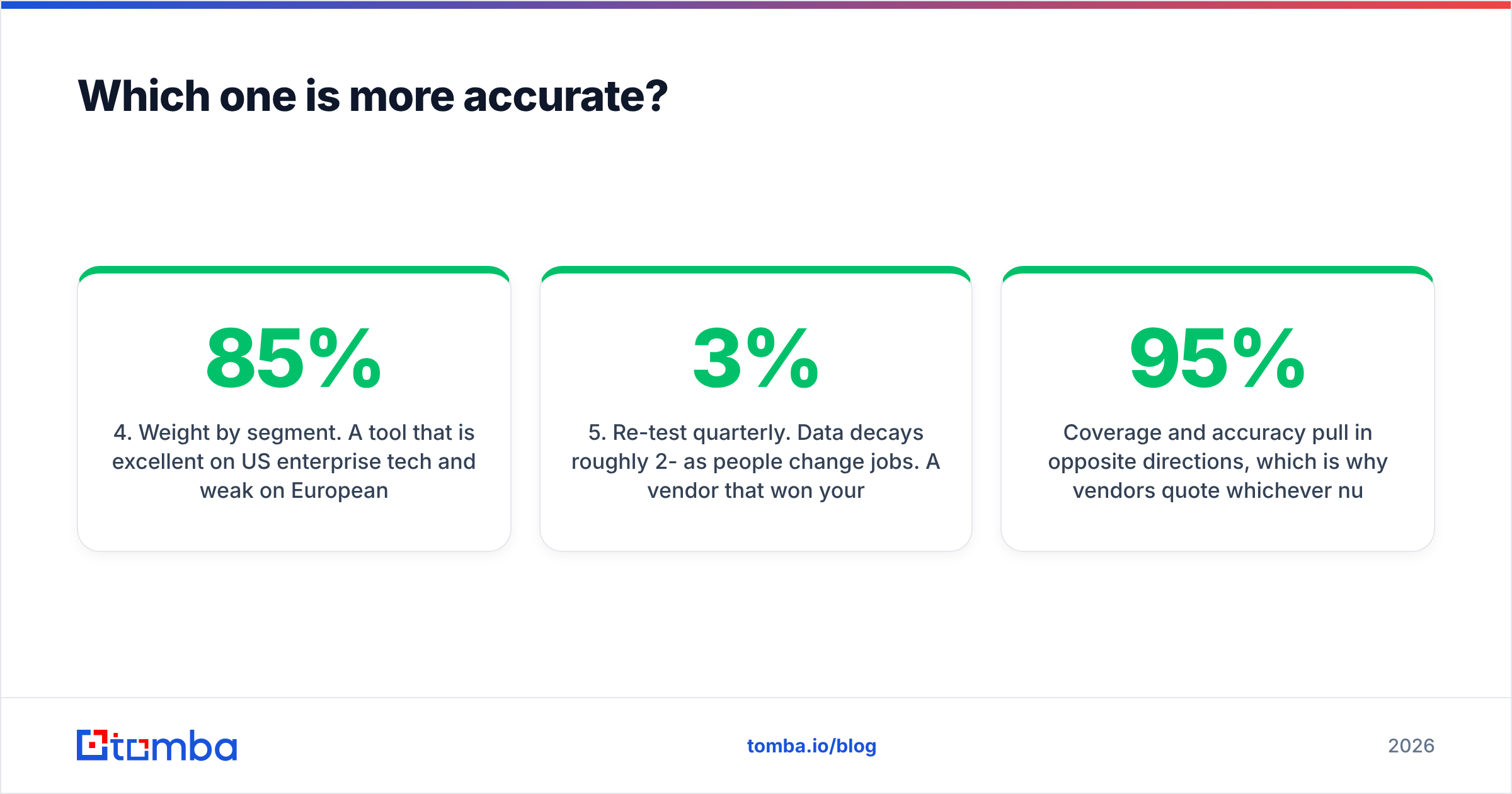
- Split the score by segment. A tool can be great on US tech and weak on EU small business. That is not "85% accurate." That is two tools in one.
- Re-test each quarter. Contact data rots 2-3% a month as people move jobs. A January winner can lose in October.
Coverage and accuracy pull against each other. So each vendor quotes the number that flatters it. One tool can hit 95% coverage by guessing email patterns. Then it bounces at 12%. Another returns fewer hits and almost never misses.
For cold email, the second is worth more. Bounces hurt your sender reputation, and that damage is slow to repair.
Whoever you pick, run the output through a separate email verifier first. Do not let a data vendor grade its own homework. That habit is the top reason clean-looking lists bounce.
When is the big contract worth it?#
Price is the sharpest split in DiscoverOrg vs LeadsForge. One asks for a year. The other asks for a month.
Pay for ZoomInfo when at least three of these are true:
- You have 50+ reps on quota, so the platform fee splits into a fair seat cost.
- You run account-based plays, and org charts guide who you talk to first.
- Direct dials matter. If cold calling is a main channel, this is the best case for ZoomInfo, and it is a real one.
- You want intent signals to pick which accounts to work next.
- RevOps needs bulk data and CRM writeback, not CSV round trips.
- Procurement needs the full compliance file.
Skip it when:
- Your team is under 15 reps, and email is the main channel.
- Your buyers sit outside its sweet spot: non-US small business, agencies, ecommerce, local trades.
- You only need to find contacts. This is the overbuy trap. A five-figure suite used as a lookup tool costs about 20x a lookup tool.

And when is LeadsForge the right call?#
Pick it when speed beats depth. A pre-seed founder testing a market. A consultant running one campaign. A marketer probing a new vertical. Monthly billing means a bad month costs you a month.
Skip it when the data feeds something costly or hard to undo. A CRM of record. A paid-ads match list. A tight compliance market. An SDR team paid on list quality. And do not expect audited accuracy. Build your own check step instead.
One more honest note. The market is not a binary. Mid-tier options sit between these two poles. Vendors like BookYourData sell a clean, verified file outright, if you would rather buy than rent.
Is there a better middle option?#
Usually, yes. The job most teams have is narrower than either platform sells.
Split the need into parts. Then price each part:
- Find the person — LinkedIn, an event list, a podcast page, a careers page.
- Get the email — name and domain in, verified address out. That is the work of a domain search and an email finder.
- Check it before you send — SMTP checks, catch-all handling, role-account filters.
- Add detail — title, company size, tech stack, funding stage.
- Send and track — your sending tool, not your data tool.
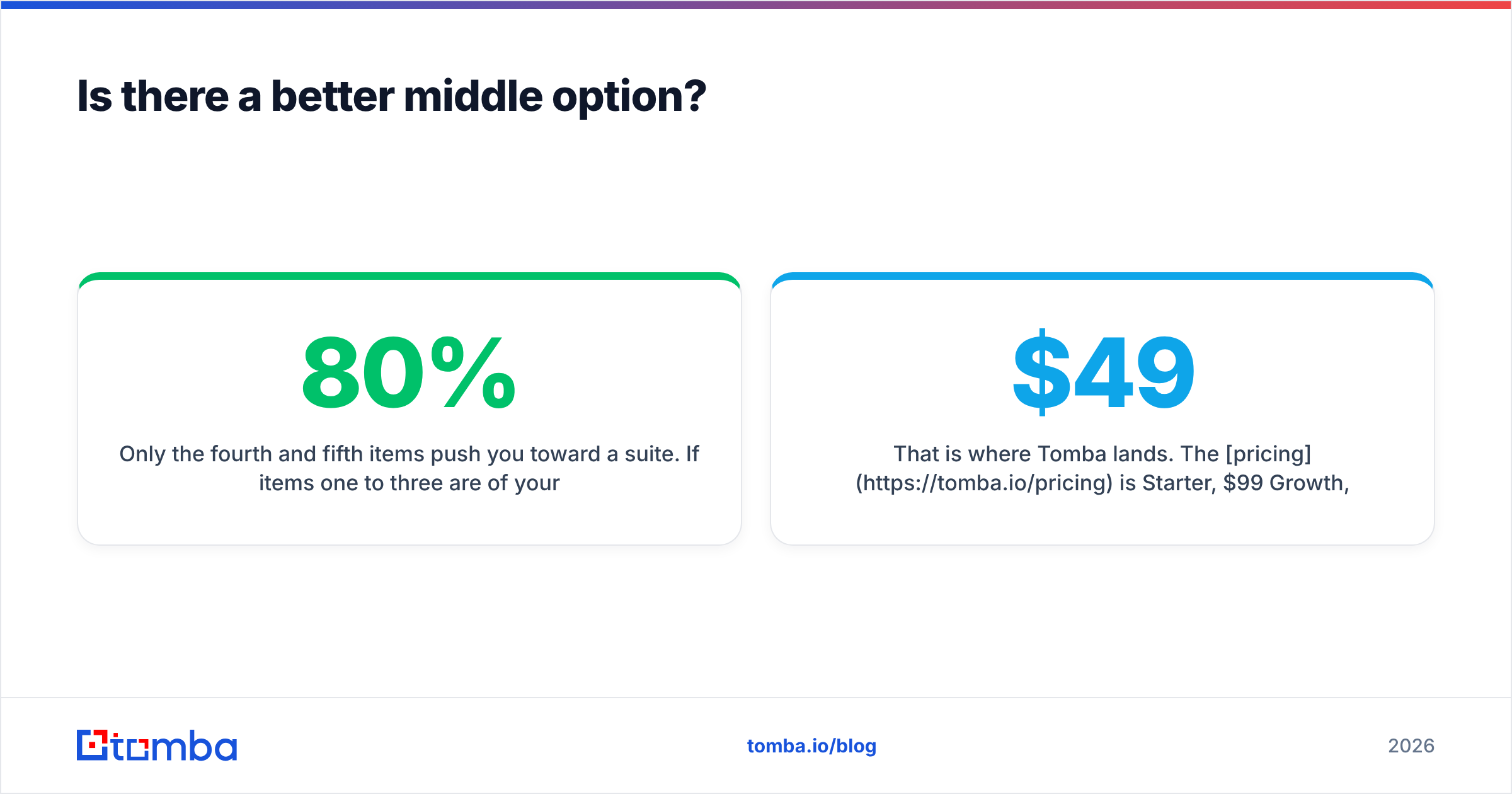
Only the last two push you toward a suite. If the first three are 80% of your work, you pay suite prices for point-tool value.
That is where Tomba lands. Pricing runs $49/mo Starter, $99/mo Growth, and $249/mo Pro. The free tier gives 25 searches a month, with no annual lock-in.
Every paid plan includes API access. So RevOps can wire in enrichment without an upgrade call. Checking emails is a core product here, not a bolt-on. Catch-all domains get their own handling, and they cause most silent bounces.
Tomba will not give you intent data or a dialer. If you need those, buy ZoomInfo, and push hard on the auto-renewal clause. But if a five-figure quote covers plain contact lookup, test the cheap path first. That is the exit most DiscoverOrg vs LeadsForge searches are looking for.
What is the verdict?#
- DiscoverOrg vs LeadsForge is not a fair fight. One is a retired brand inside a big suite. The other is a young point tool. They serve different buyers.
- Buy ZoomInfo if you have scale, run ABM, and need dials and intent. Budget for a year, and read the renewal terms.
- Try LeadsForge if you need a list this week for a few hundred dollars, and you can live with untested accuracy.
- Pick neither if your real need is verified email. That is a $49/mo problem, not a $25,000/yr one.
- Run the 200-record test either way. Every accuracy claim is marketing until you repeat it on your own list.
Start with the small version of the problem. Run 25 free searches through the Tomba Email Finder. Verify the results. Compare the bounce rate with the quote in your inbox. If the cheap tool covers your market, you just skipped a procurement cycle. If it does not, you have a real benchmark to bargain with. That beats signing after a demo.
Related guides#
Ready to find emails that actually work?
Join 150,000+ professionals who stopped guessing and started sending. Free credits on signup — no credit card required.
Get the Tomba newsletter
Practical outbound tactics and product updates — once every two weeks.
About the author