9 Best Funnel Gauge Alternatives for B2B Teams in 2026
Funnel analytics tells you what happened. It rarely tells you who. Here are nine Funnel Gauge alternatives compared on price, data depth, setup time, and how well each one hands names to your sales team.
TL;DR
- Funnel analytics tools are interchangeable on the basics. They diverge on event modelling, data ownership, pricing model (MTU vs. event vs. seat), and whether they can identify a company or person.
- If you left Funnel Gauge because of cost, PostHog, Matomo, or Plausible cut the bill hardest. If you left because of analytical depth, Amplitude and Mixpanel are the upgrades.
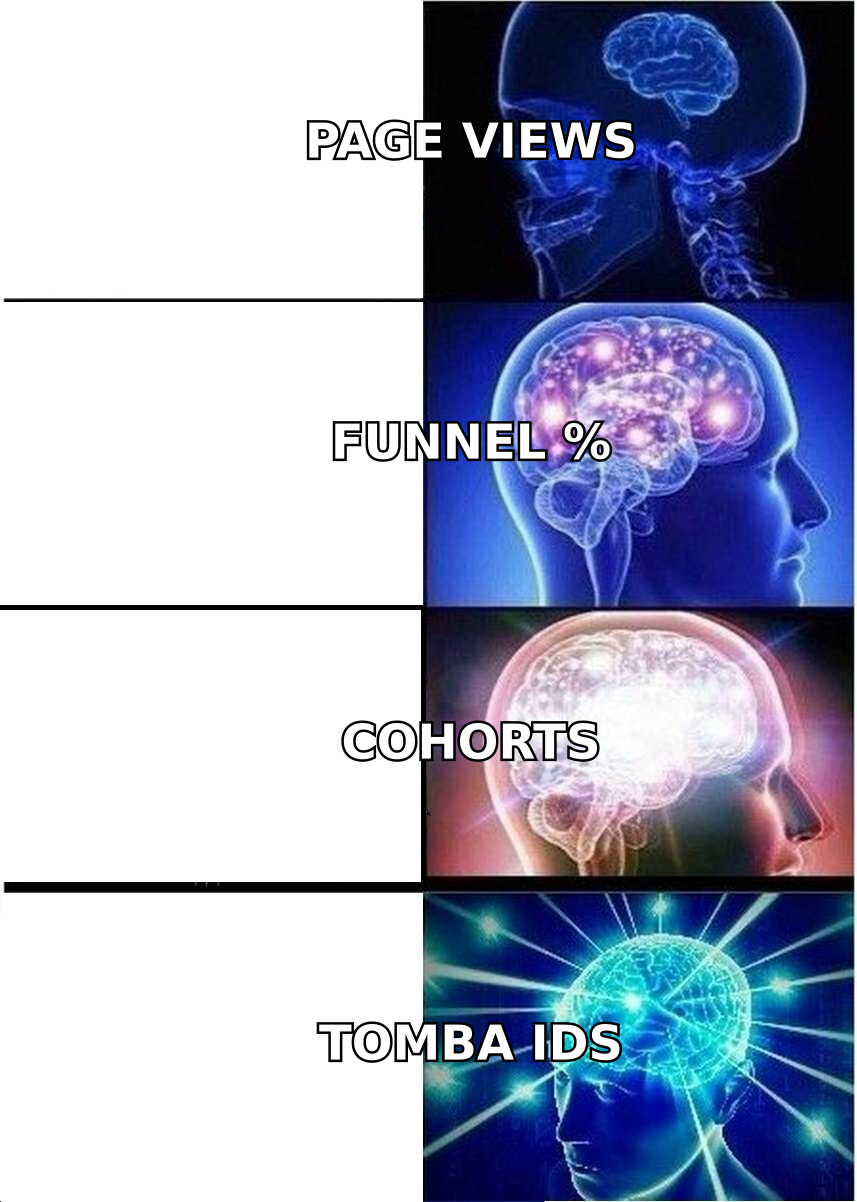
- Almost every B2B team eventually hits the same wall: the funnel report says "83 sessions dropped at pricing," and nobody can act on it because there are no names attached.
- The fix is a two-layer stack — a funnel tool for the what, an identity and enrichment layer for the who. That second layer is where Tomba fits, at $49/mo on Starter rather than a five-figure ABM platform contract.
- Budget 2–6 weeks for any migration. Event taxonomy is the expensive part, not the vendor.
What is Funnel Gauge and why do teams look for alternatives?#
Funnel Gauge sits in the funnel-and-conversion analytics category: you define a sequence of steps (visit → signup → activation → paid), it charts drop-off between them, and you slice by source, device, or cohort. That is the same job GA4, Mixpanel, Amplitude, Heap, and PostHog do, with different opinions about event modelling and pricing.
Teams shop for alternatives for four fairly predictable reasons, and it is worth diagnosing yours before you look at a single feature list:
- Cost curve. Usage-based analytics pricing is brutal once traffic scales. A tool that cost $80/mo at 200k events becomes $900/mo at 4M events, and nobody notices until finance asks.
- Analytical ceiling. You can build funnels but not retention cohorts, path analysis, or attribution across sessions. This is the "we outgrew it" migration.
- Data ownership and compliance. EU customers, a DPO who wants first-party hosting, or a legal team that dislikes third-party cookies. Self-hosted options win here.
- The identity gap. This is the big one for B2B. Your funnel report is anonymous. You can see that mid-market traffic from LinkedIn converts at 2.1x, but you cannot email a single one of those visitors.
Reason 4 is not solved by switching funnel tools. Every product in the comparison below is anonymous-first by design. Swapping Funnel Gauge for Amplitude gets you better charts of the same nameless people.
How should you evaluate funnel gauge alternatives?#
Score candidates on six axes rather than a feature checklist. Feature checklists all look identical after the third vendor demo.
- Pricing model — per-event, per-monthly-tracked-user (MTU), per-seat, or flat. MTU pricing punishes free-tier-heavy products; event pricing punishes instrumented-everything products.
- Instrumentation effort — autocapture (Heap, PostHog) versus manual event definition (Mixpanel, Amplitude). Autocapture is faster to launch and messier at year two.
- Retroactive analysis — can you answer a question about an event you never explicitly tracked? Autocapture tools can; manual tools cannot.
- Warehouse posture — does it export cleanly to BigQuery/Snowflake, or is it a walled garden? If your RevOps team already runs a warehouse, this outranks the UI.
- Identity resolution — can it tie a session to a company domain or a person? Almost always no, natively. Check whether it accepts enrichment payloads on the user profile.
- Time to first useful answer — realistically 1 day (Plausible), 1 week (GA4, PostHog), 3–6 weeks (Amplitude with a proper taxonomy).
Write those six into a scoring sheet before demos. It stops you from buying the prettiest dashboard.
What are the 9 best Funnel Gauge alternatives in 2026?#
Prices below are public list prices at the time of writing and move often — verify on each vendor's site before you budget.
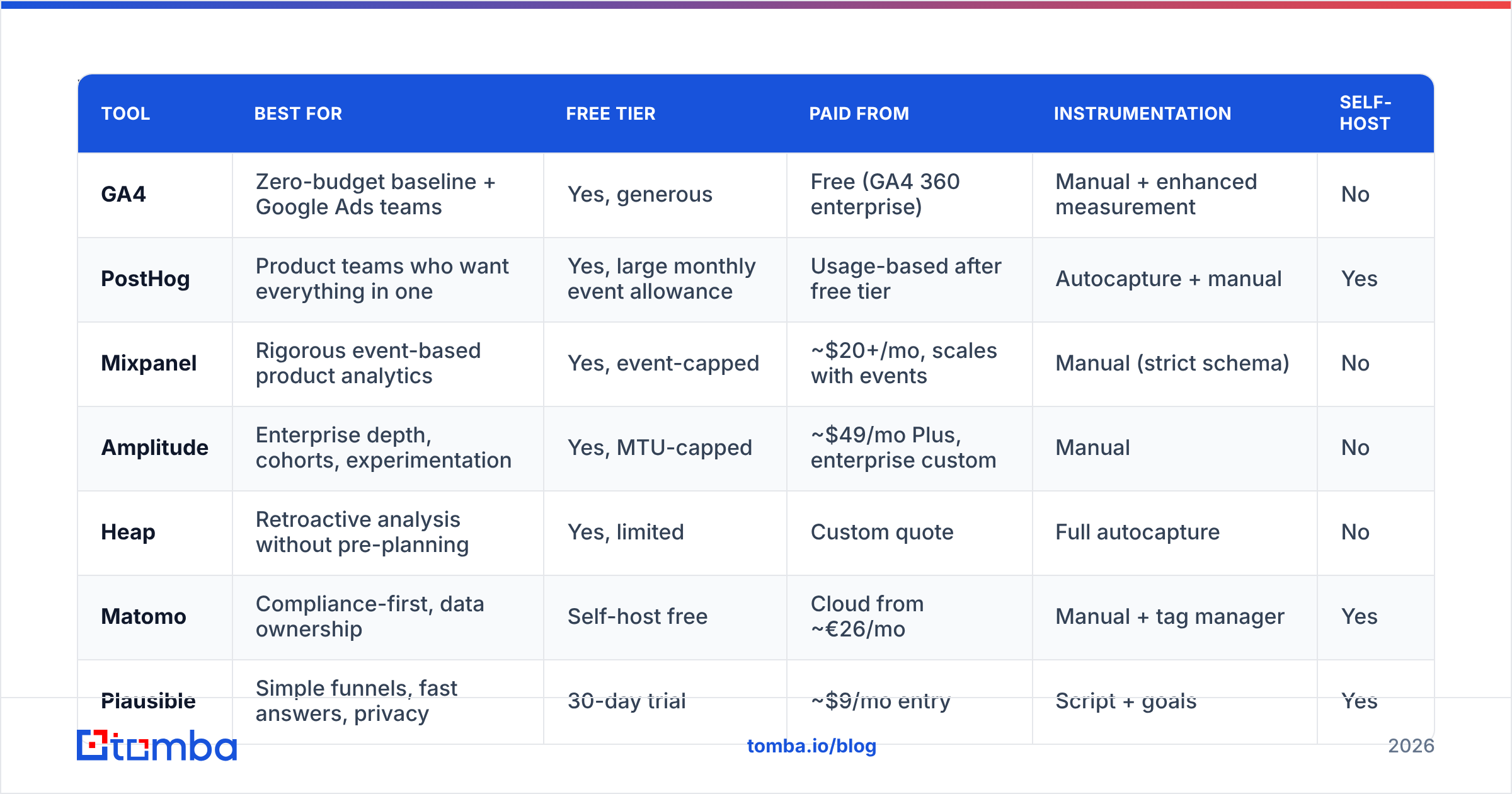
| Tool | Best for | Free tier | Paid from | Instrumentation | Self-host |
|---|---|---|---|---|---|
| GA4 | Zero-budget baseline + Google Ads teams | Yes, generous | Free (GA4 360 enterprise) | Manual + enhanced measurement | No |
| PostHog | Product teams who want everything in one | Yes, large monthly event allowance | Usage-based after free tier | Autocapture + manual | Yes |
| Mixpanel | Rigorous event-based product analytics | Yes, event-capped | ~$20+/mo, scales with events | Manual (strict schema) | No |
| Amplitude | Enterprise depth, cohorts, experimentation | Yes, MTU-capped | ~$49/mo Plus, enterprise custom | Manual | No |
| Heap | Retroactive analysis without pre-planning | Yes, limited | Custom quote | Full autocapture | No |
| Matomo | Compliance-first, data ownership | Self-host free | Cloud from ~€26/mo | Manual + tag manager | Yes |
| Plausible | Simple funnels, fast answers, privacy | 30-day trial | ~$9/mo entry | Script + goals | Yes |
| Hotjar | Qualitative why behind the drop-off | Yes | Paid tiers by session volume | Script | No |
| Tomba | Identifying the companies and people in the funnel | 25 searches/mo | $49/mo Starter | API / extension / integrations | No |
Tomba is in the table because it answers a question none of the other eight answer, not because it charts funnels. Treat it as a complementary layer, not a like-for-like swap.
GA4#
The default, and genuinely fine for top-of-funnel and paid-media attribution. Explorations let you build funnel and path reports without paying anything. The friction is the UI, sampling on large properties, and an event model that fights you when your product is not e-commerce. The official GA4 documentation is better than its reputation suggests. Pick it when budget is zero and Google Ads spend is meaningful.
PostHog#
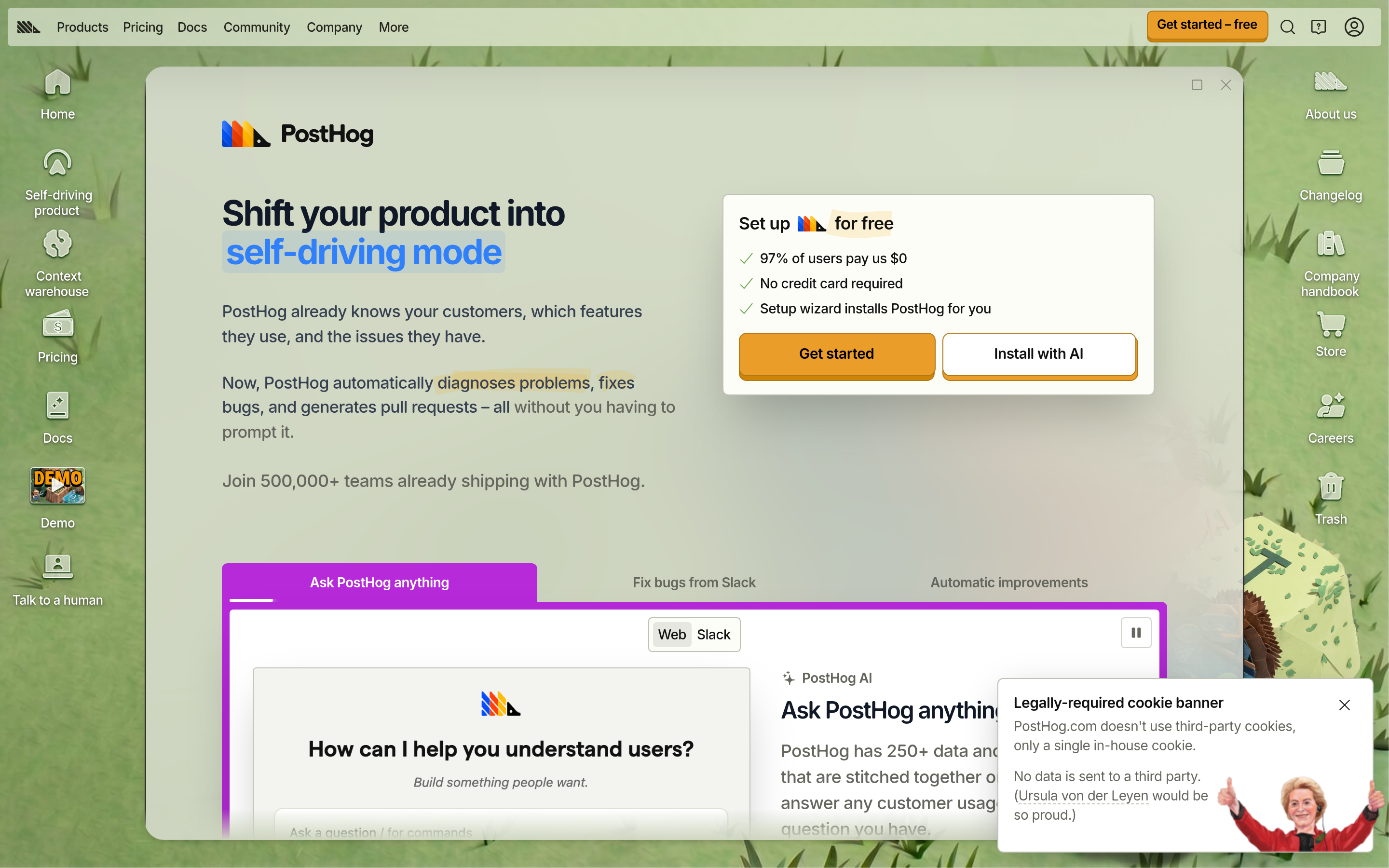
The best all-in-one value in the category. Funnels, session replay, feature flags, experiments, and a data warehouse posture, with a free tier that carries most startups through their first year. PostHog is also open-source and self-hostable, which resolves both the cost and compliance objections in one move. Downside: breadth means more surface to learn, and usage-based billing still bites at scale.
Mixpanel#
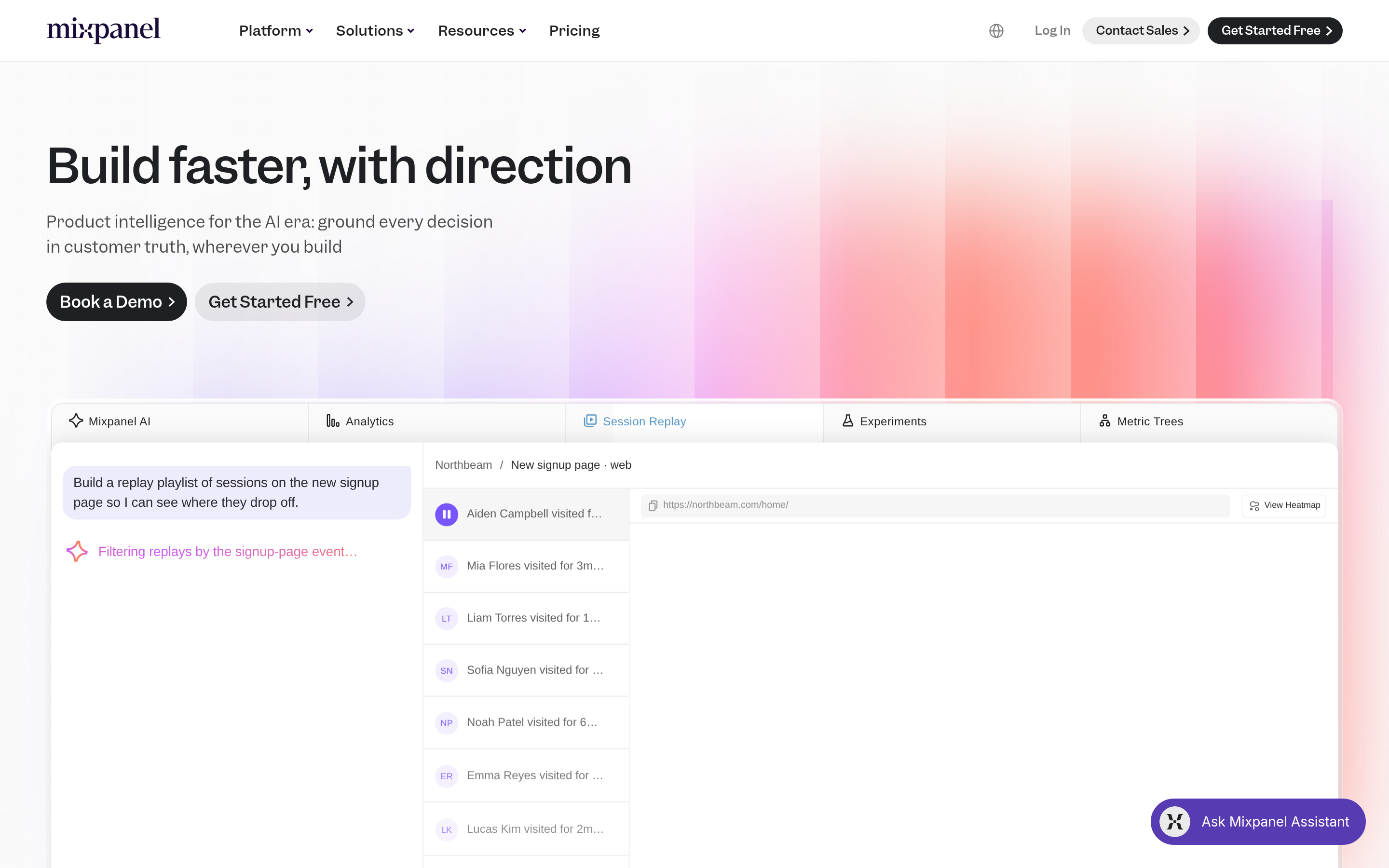
If your objection to Funnel Gauge was analytical rigour, Mixpanel is the straight upgrade. Event schemas are strict, which is annoying in month one and a gift in year two. Funnel reports handle conversion windows, step re-ordering, and property breakdowns properly. It does not autocapture, so budget real engineering time.
Amplitude#
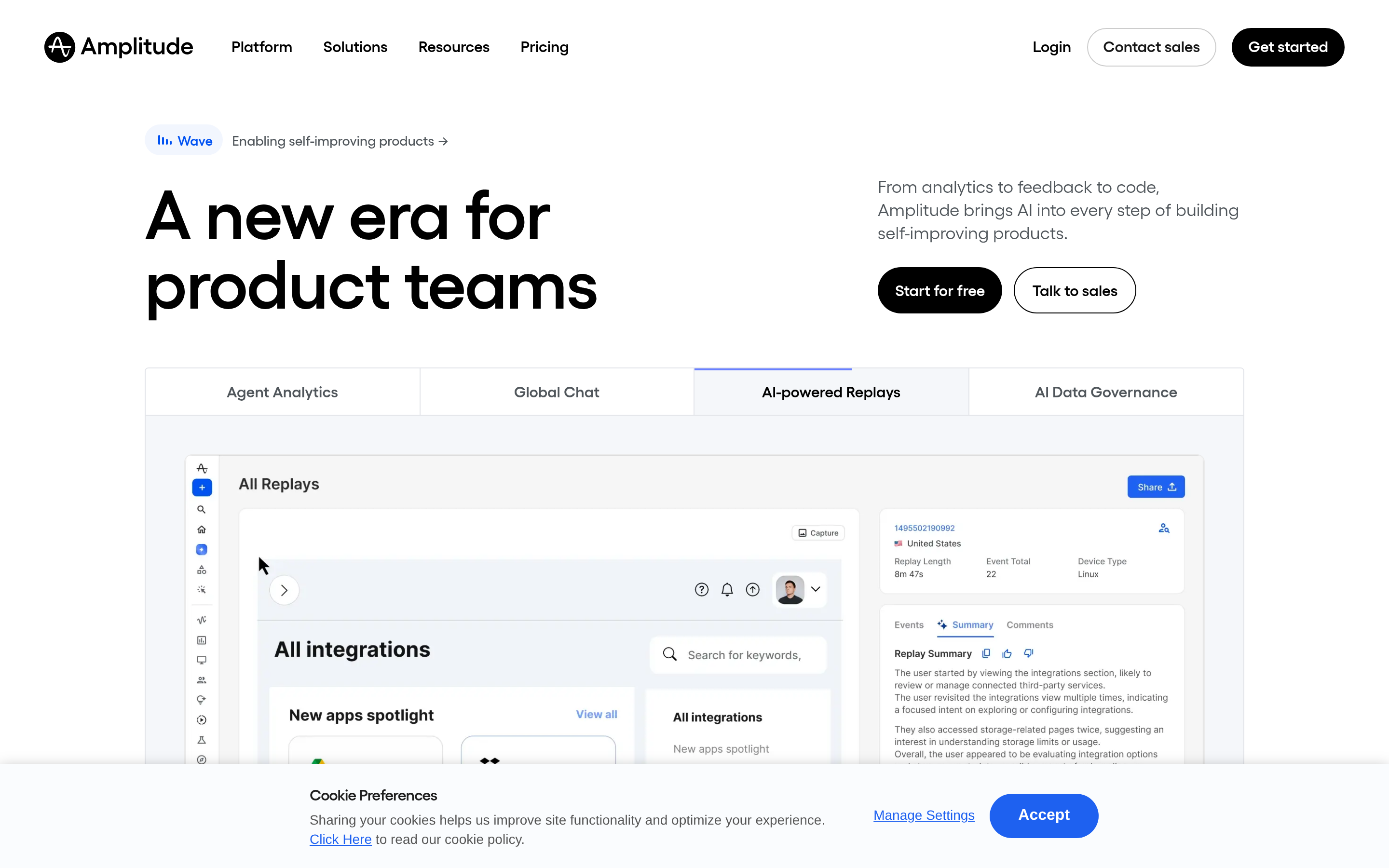
The enterprise choice. Cohorts, retention curves, and behavioural segmentation that hold up under a data team's scrutiny, plus experimentation. Pricing is MTU-based, which is predictable but expensive for high-volume consumer-style traffic. Overkill for a 10-person B2B SaaS; correct for a 100-person one with a dedicated analyst.
Heap#
Autocapture is the entire pitch: track everything, define the funnel afterwards. That solves the classic "we didn't instrument that button six months ago" problem. The trade-off is data noise and quote-based pricing that skews upmarket.
Matomo#

The compliance answer. Self-host it and your analytics data never leaves your infrastructure — which shortens security reviews and DPA negotiations considerably. Funnel reporting is a paid plugin on self-host, included on cloud. Slower and less elegant than Amplitude, but the legal team will love you.
Plausible#
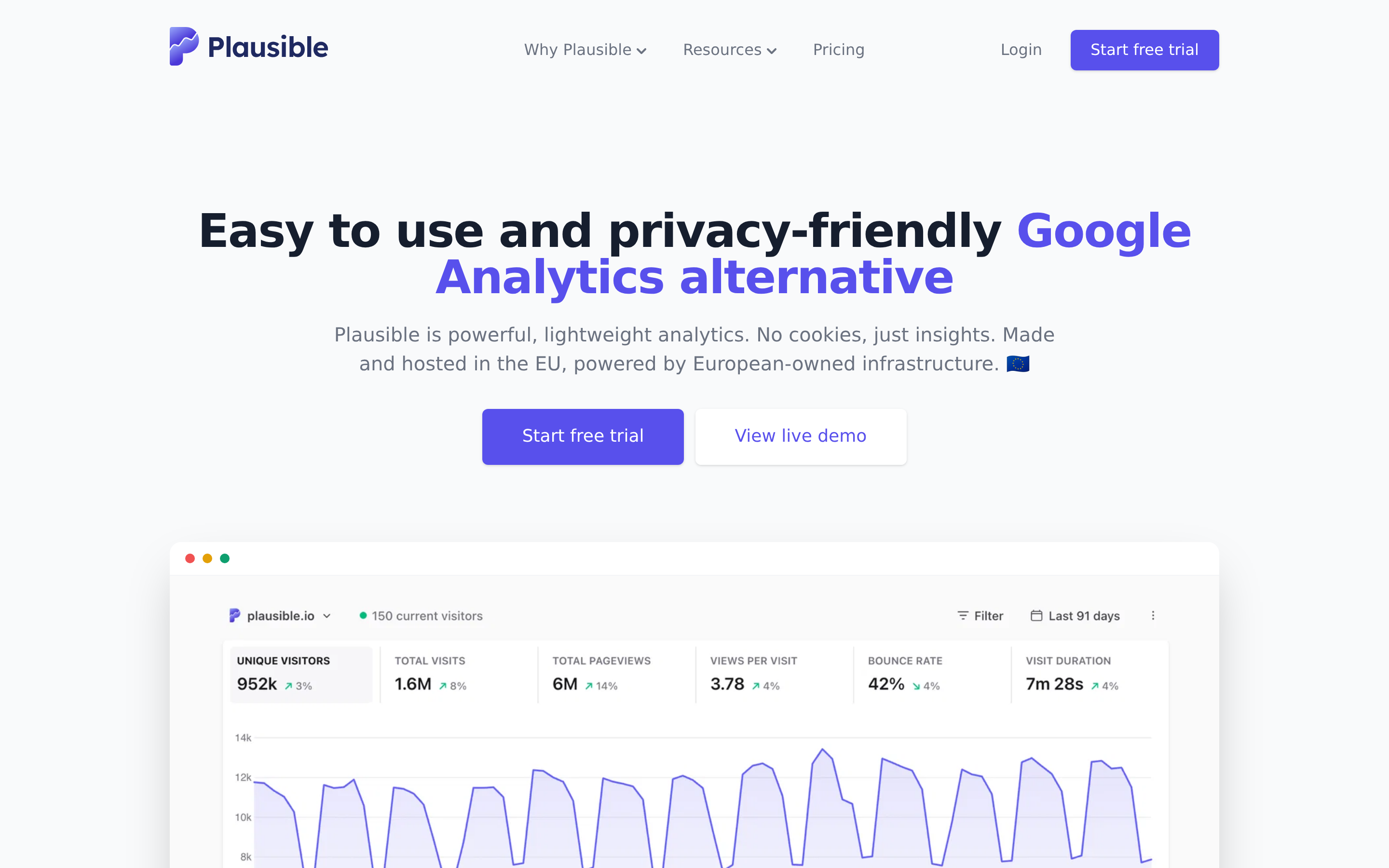
Lightweight, fast, privacy-first, with goal and funnel support. If your funnel has three steps and you want the answer in an afternoon, this is the least painful option in the list. Not the tool for cohort analysis or product-level event depth.
Hotjar#
Not a Funnel Gauge replacement so much as its complement. Heatmaps, recordings, and on-page surveys tell you why the pricing page loses people, which no quantitative funnel chart can. Pair it with any of the above.
Tomba#
Tomba is not a funnel analytics tool and does not pretend to be. It handles the layer that sits after the funnel: turning traffic, domains, and names into contactable people. Visitor reveal identifies companies hitting your site, data enrichment fills out the profiles, and the email finder produces verified addresses for the humans inside those accounts. Pricing runs Free (25 searches/mo), Starter $49/mo, Growth $99/mo, Pro $249/mo — see the full Tomba pricing breakdown for credit allowances.
Is a funnel analytics tool enough for B2B?#
No, and this is the single most common mis-purchase in B2B RevOps.
Consumer product analytics assumes the user is already identified — they signed up, you have their ID, the funnel is a within-product journey. B2B does not work that way. The bulk of your funnel is anonymous, pre-signup, multi-person, and spread across weeks. A buying committee of five touches your site eleven times before anyone fills a form.
So your funnel report tells you 340 sessions reached the pricing page and 12 converted. Useful. But the 328 that did not convert are the actual pipeline, and every tool in the list above hands them to you as a row count rather than a list of companies.

The two-layer stack that actually works:
- Measurement layer — one of the eight funnel tools above. Answers what happened and where the drop-off is.
- Identity layer — reverse-IP/company reveal plus contact enrichment. Answers which accounts were in that drop-off.
- Contact layer — verified emails and phone numbers for the named roles inside those accounts, via an email verifier so your outbound does not torch your domain.
- Routing layer — push to CRM. Both HubSpot and Salesforce accept enriched company records natively; Tomba's HubSpot integration handles the sync so ops is not exporting CSVs on Fridays.
Skip layers 2–4 and you have very attractive charts and no additional pipeline. That is a real outcome, and it is why analytics tools churn: they get blamed for not producing revenue they were never architected to produce.
Which alternative should you pick for your situation?#
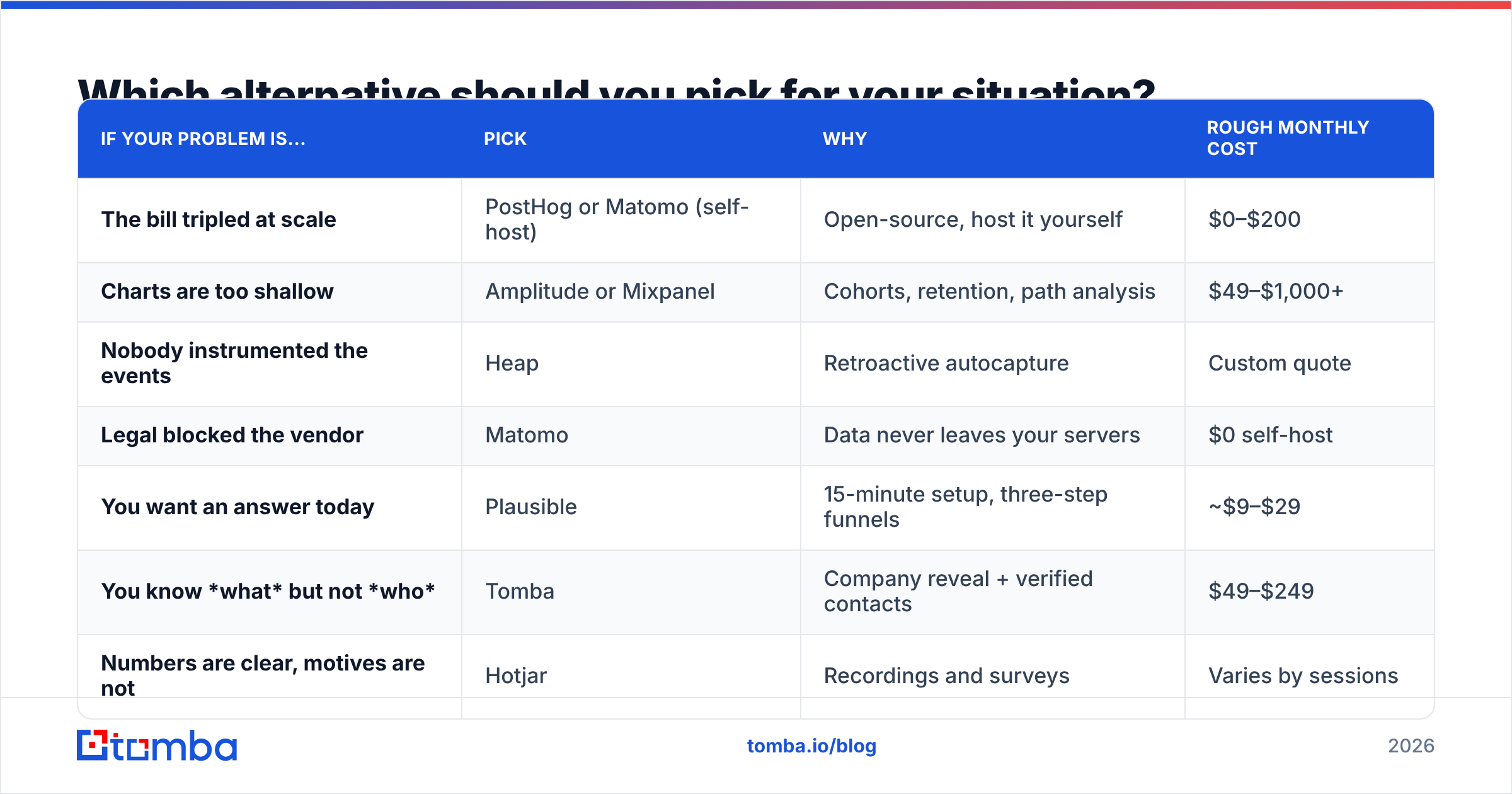
| If your problem is... | Pick | Why | Rough monthly cost |
|---|---|---|---|
| The bill tripled at scale | PostHog or Matomo (self-host) | Open-source, host it yourself | $0–$200 |
| Charts are too shallow | Amplitude or Mixpanel | Cohorts, retention, path analysis | $49–$1,000+ |
| Nobody instrumented the events | Heap | Retroactive autocapture | Custom quote |
| Legal blocked the vendor | Matomo | Data never leaves your servers | $0 self-host |
| You want an answer today | Plausible | 15-minute setup, three-step funnels | ~$9–$29 |
| You know what but not who | Tomba | Company reveal + verified contacts | $49–$249 |
| Numbers are clear, motives are not | Hotjar | Recordings and surveys | Varies by sessions |
Cross-check any shortlist against real reviews on G2 before committing — vendor-reported retention numbers and buyer-reported retention numbers rarely match.
How do you migrate without losing your historical data?#
Migrations fail on taxonomy, not tooling. A working sequence:
- Export raw history first. Most tools allow a raw event export on paid plans. Do this before you cancel, not after — access usually dies with the subscription.
- Rewrite the event taxonomy on paper.
object_actionnaming (pricing_viewed,demo_requested), a fixed property set, and a written owner per event. This is the work. Do not let a vendor's onboarding engineer do it for you. - Dual-track for 30 days. Run old and new side by side. Numbers will disagree by 3–8% because of differing session and bot-filtering logic. Reconcile before you trust the new one.
- Rebuild only the reports someone reads. Audit which dashboards were opened in the last 90 days. It is usually four of the forty.
- Bolt on identity before you declare victory. Wire company reveal and enrichment into the new stack from day one so sales sees named accounts in week one, not month six. Bulk backfill of your existing anonymous account list can run through bulk lead generation in a single job.
Realistic timeline: two weeks for a simple SaaS funnel, six weeks if you have a multi-product taxonomy and an existing warehouse contract to honour.
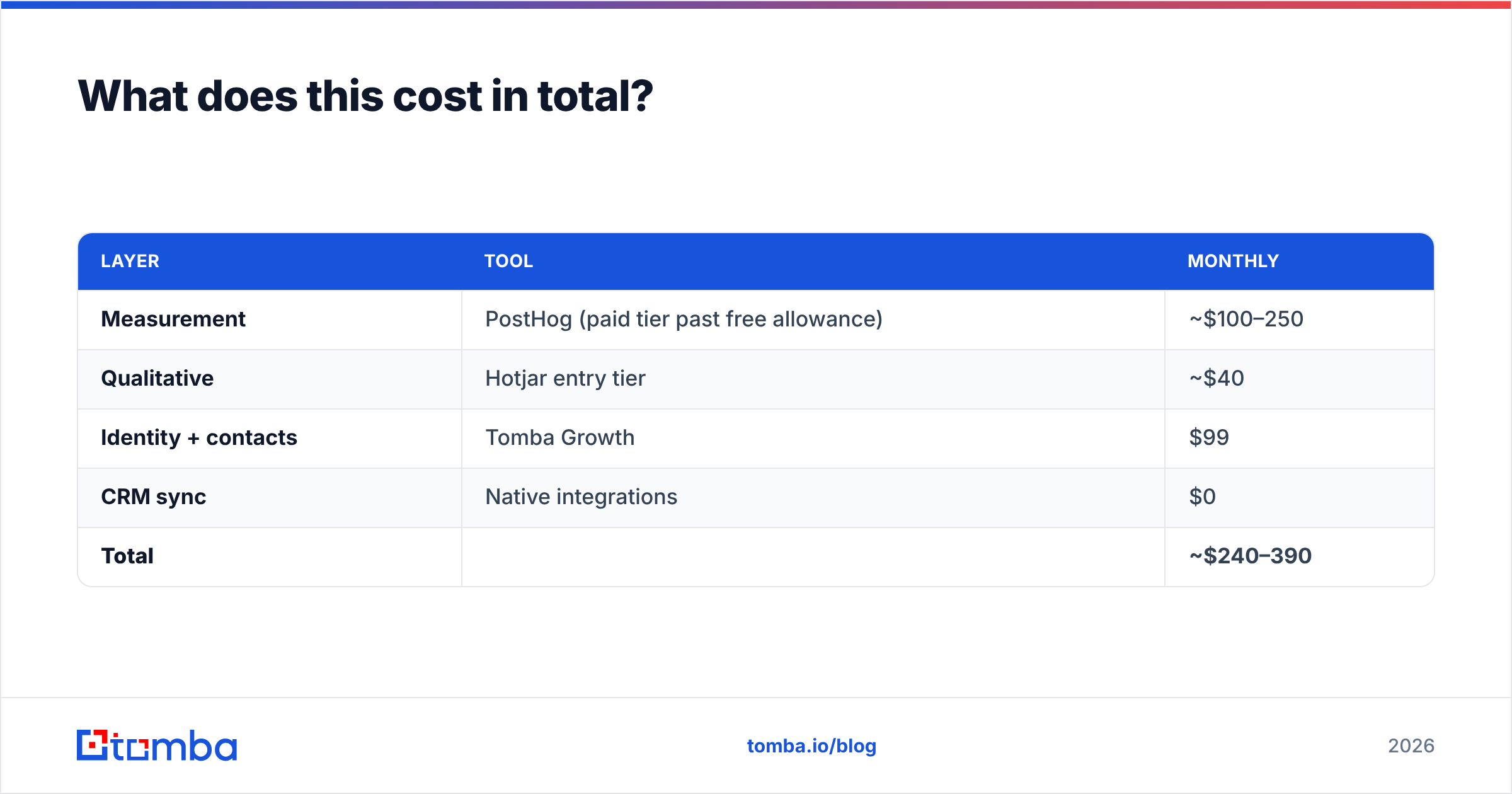
What does this cost in total?#
For a Series-A B2B SaaS doing ~150k sessions/month, a defensible stack lands around:
| Layer | Tool | Monthly |
|---|---|---|
| Measurement | PostHog (paid tier past free allowance) | ~$100–250 |
| Qualitative | Hotjar entry tier | ~$40 |
| Identity + contacts | Tomba Growth | $99 |
| CRM sync | Native integrations | $0 |
| Total | ~$240–390 |
Compare that against a single enterprise ABM platform quote, which typically opens above $30,000/year, and the case for assembling your own layers gets straightforward.
The bottom line#
Switching funnel tools solves a measurement problem. It does not solve a pipeline problem. Pick whichever of the eight analytics options matches your cost, depth, and compliance constraints — PostHog for value, Amplitude for depth, Matomo for control, Plausible for speed — then add the layer none of them include.
Start with the Tomba Email Finder on the free tier: run 25 searches against the companies your funnel report already flagged as high-intent-but-unconverted, and see how many turn into real conversations. If the answer is more than two, the $49/mo Starter plan pays for itself before your next analytics invoice arrives.
Related guides#
Ready to find emails that actually work?
Join 150,000+ professionals who stopped guessing and started sending. Free credits on signup — no credit card required.
Get the Tomba newsletter
Practical outbound tactics and product updates — once every two weeks.
About the author