9 Best Gallabox Alternatives in 2026 Compared by Price
Gallabox works well for WhatsApp-first sales teams, but per-seat pricing and a narrow channel focus push plenty of buyers elsewhere. Here are nine alternatives compared on cost, API depth, and where each one breaks.
TL;DR
- Gallabox is a WhatsApp Business API platform built around a shared team inbox, no-code chatbot flows, and light CRM features. It is strongest for SMB sales teams in India, the UAE, and Southeast Asia.
- Most people shopping for Gallabox alternatives are hitting one of three walls: per-seat pricing that scales badly, chatbot builder limits, or a need for channels beyond WhatsApp.
- WATI and Interakt are the closest like-for-like swaps. AiSensy is the cheapest entry point. Respond.io and Trengo win on multichannel. 360dialog and Twilio win on raw API control and message cost.
- Meta's own per-message charges sit underneath every one of these tools. Software price is only half your bill — model both before you sign.
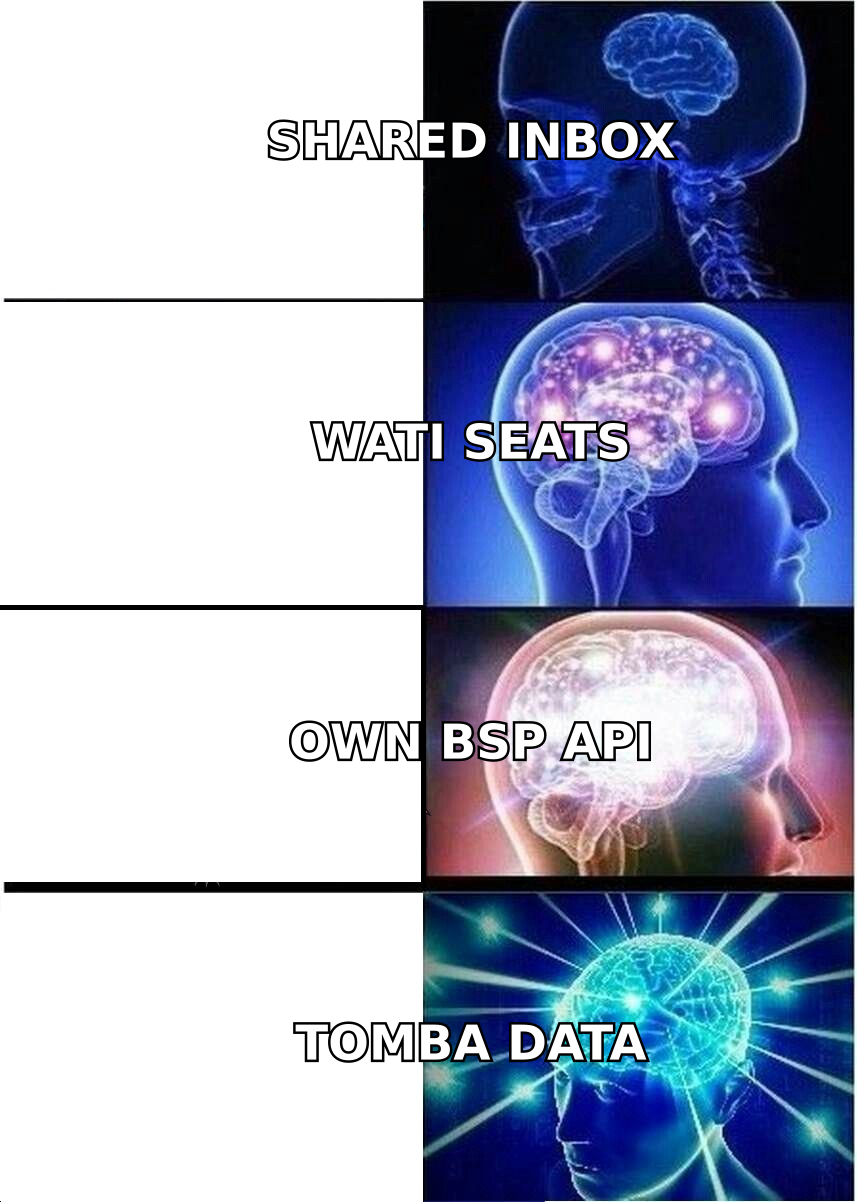
- The platform is never your bottleneck for long. Contact data quality is. A clean, verified list of decision-makers beats a better inbox every time.
What is Gallabox and who is it actually for?#
Gallabox is a conversational-commerce platform sitting on top of the official WhatsApp Business API. You get a shared inbox where multiple agents handle one WhatsApp number, a drag-and-drop bot builder for qualification flows, broadcast campaigns with template messages, a basic contact CRM, and integrations into tools like Shopify, HubSpot, Zoho, and Razorpay.
The sweet spot is clear: a 5-to-30-person sales or support team that runs most of its pipeline through WhatsApp, wants to stop passing a phone around, and does not want to hire a developer to wire up Meta's API directly.
Where it gets awkward is scale and scope. Pricing is largely per-seat on top of a plan fee, so adding agents is linear cost. The bot builder handles branching qualification well but strains on anything genuinely stateful. And if half your conversations are happening on email, Instagram DM, or live chat, you are buying a WhatsApp tool to solve a multichannel problem.
That mismatch — not product quality — is what sends most teams looking at Gallabox alternatives.
Why do teams look for Gallabox alternatives?#
From vendor switch threads, G2 review patterns, and buyer conversations, the reasons cluster tightly:
- Per-seat cost at 15+ agents. A plan that feels cheap at four users feels very different at twenty. Teams that scale support headcount fast tend to want flat or usage-based pricing instead.
- Channel sprawl. You start on WhatsApp, then marketing wants Instagram, then enterprise deals move to email. A WhatsApp-only inbox becomes a second silo.
- API depth. Developers who want to build their own UI, route messages into an internal system, or run high-volume programmatic sends often prefer a raw BSP like 360dialog over a hosted inbox.
- Automation ceilings. No-code builders are fine until you need conditional logic across sessions, external API calls mid-flow, or dynamic catalog lookups.
- Regional billing and support. Currency, invoicing, and time-zone support matter more than feature lists once you are actually running the thing daily.
How should you compare WhatsApp platforms before you commit?#
Feature grids on vendor sites are close to useless because everyone lists the same twelve things. Compare on the dimensions that actually change your monthly invoice and your team's day:
- Total cost = software + Meta. Every platform resells the same underlying WhatsApp messaging charges from Meta, which now bill on a per-message basis for marketing and utility templates rather than the older 24-hour conversation windows. Read Meta's official pricing docs and model your real send volume, not the vendor's headline plan price.
- Seat model. Flat plan, per-seat, per-contact, or per-message? A per-contact model punishes big lists; a per-seat model punishes big teams. Pick the one that punishes the thing you have least of.
- Number portability. Can you move your WhatsApp Business number to another provider without losing the green tick and history? Ask this before signing, in writing.
- Automation escape hatch. Does the bot builder let you call an external webhook mid-flow? If not, every non-trivial use case becomes a support ticket.
- Data in, not just messages out. The inbox does nothing if you have nobody to message. Check how contacts enter the system — CSV, CRM sync, API, or website capture — and whether the platform verifies them.
Which Gallabox alternatives are worth shortlisting in 2026?#
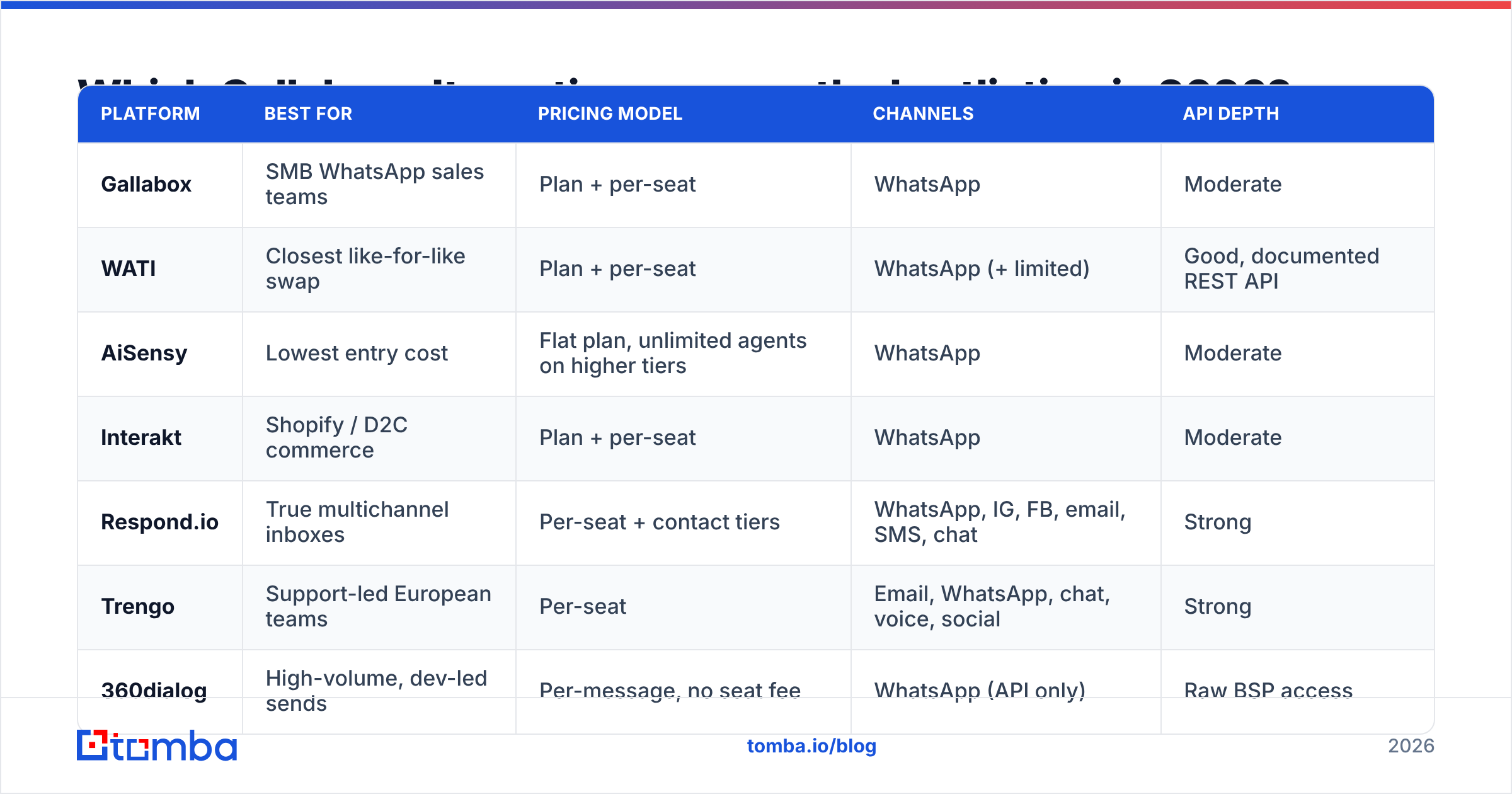
Here is the shortlist, compared on the things that decide deals. Plan prices move constantly and vary by region, so treat these as directional and confirm on each vendor's current pricing page.
| Platform | Best for | Pricing model | Channels | API depth |
|---|---|---|---|---|
| Gallabox | SMB WhatsApp sales teams | Plan + per-seat | Moderate | |
| WATI | Closest like-for-like swap | Plan + per-seat | WhatsApp (+ limited) | Good, documented REST API |
| AiSensy | Lowest entry cost | Flat plan, unlimited agents on higher tiers | Moderate | |
| Interakt | Shopify / D2C commerce | Plan + per-seat | Moderate | |
| Respond.io | True multichannel inboxes | Per-seat + contact tiers | WhatsApp, IG, FB, email, SMS, chat | Strong |
| Trengo | Support-led European teams | Per-seat | Email, WhatsApp, chat, voice, social | Strong |
| 360dialog | High-volume, dev-led sends | Per-message, no seat fee | WhatsApp (API only) | Raw BSP access |
| Twilio | Engineering teams building custom | Pure usage-based | Omnichannel via API | Deepest |
| DoubleTick | Catalog-heavy field sales | Per-seat | Light |
WATI#
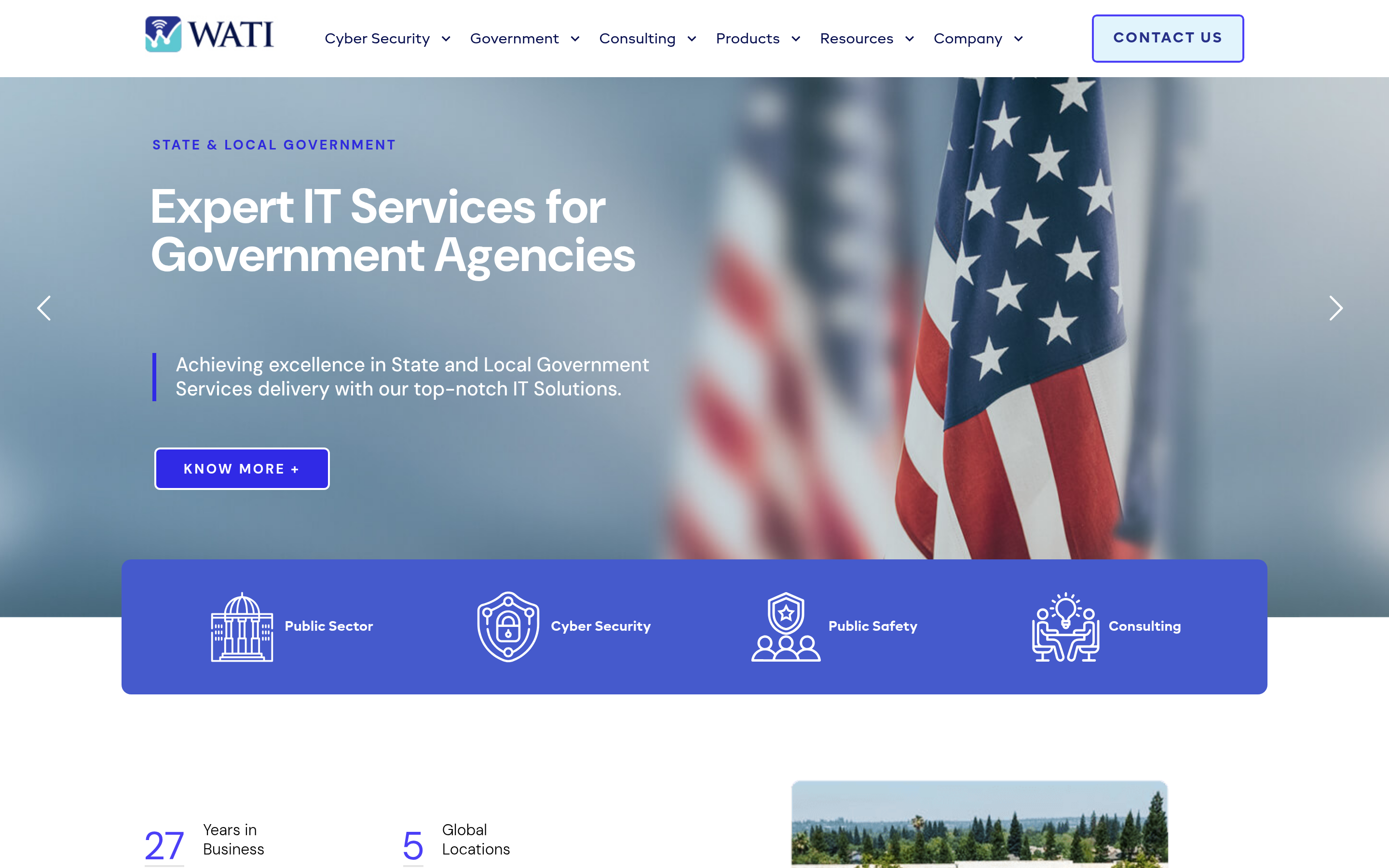
The most common direct swap. WATI offers a similar shared inbox, broadcast tooling, and a no-code flow builder, with a genuinely usable REST API and a large integration catalog. It is not dramatically cheaper than Gallabox, and it is also per-seat, so switching for cost reasons alone rarely pays off. Switch for API maturity, ecosystem depth, or support responsiveness in your region.
AiSensy#
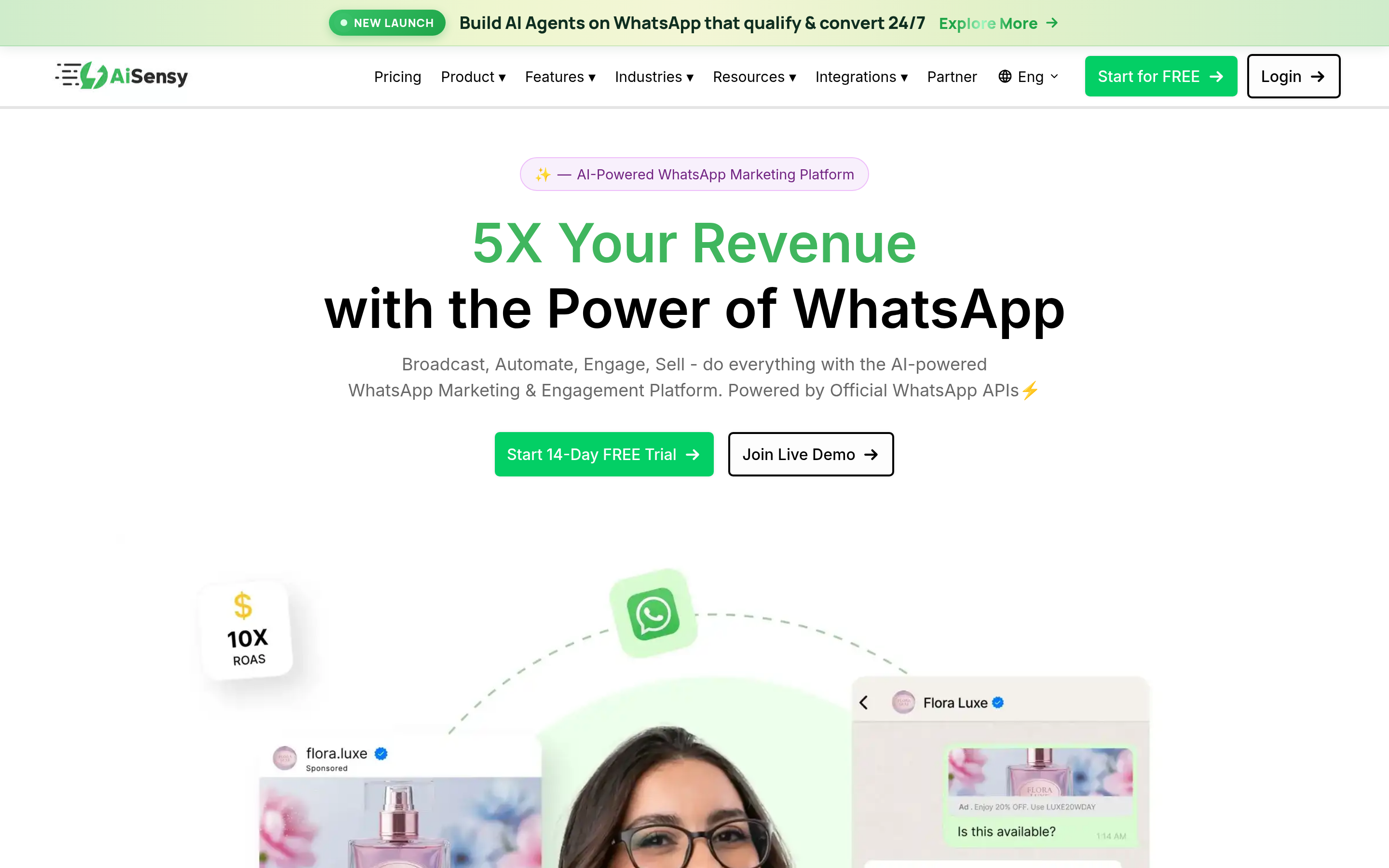
The value play. AiSensy's headline appeal is that higher tiers remove the per-agent charge, which flips the math for teams running 15+ agents. The trade-off is a less polished interface and thinner analytics. If your workflow is "many agents, simple conversations, high volume," it is the strongest cost argument on this list.
Interakt#
Built with commerce in mind. Native Shopify and WooCommerce hooks make abandoned-cart recovery, order updates, and catalog sharing close to turnkey. If you are a D2C brand rather than a B2B sales team, Interakt usually beats a general-purpose inbox. If you sell high-ticket B2B, the commerce features are dead weight.
Respond.io#
The upgrade path when WhatsApp stops being the whole story. Respond.io unifies WhatsApp, Instagram, Messenger, email, SMS, and web chat into one thread per contact, with routing rules, workflow automation, and solid reporting. It costs more and takes longer to configure. It is the right answer when your buyers move across channels mid-deal.
Trengo#
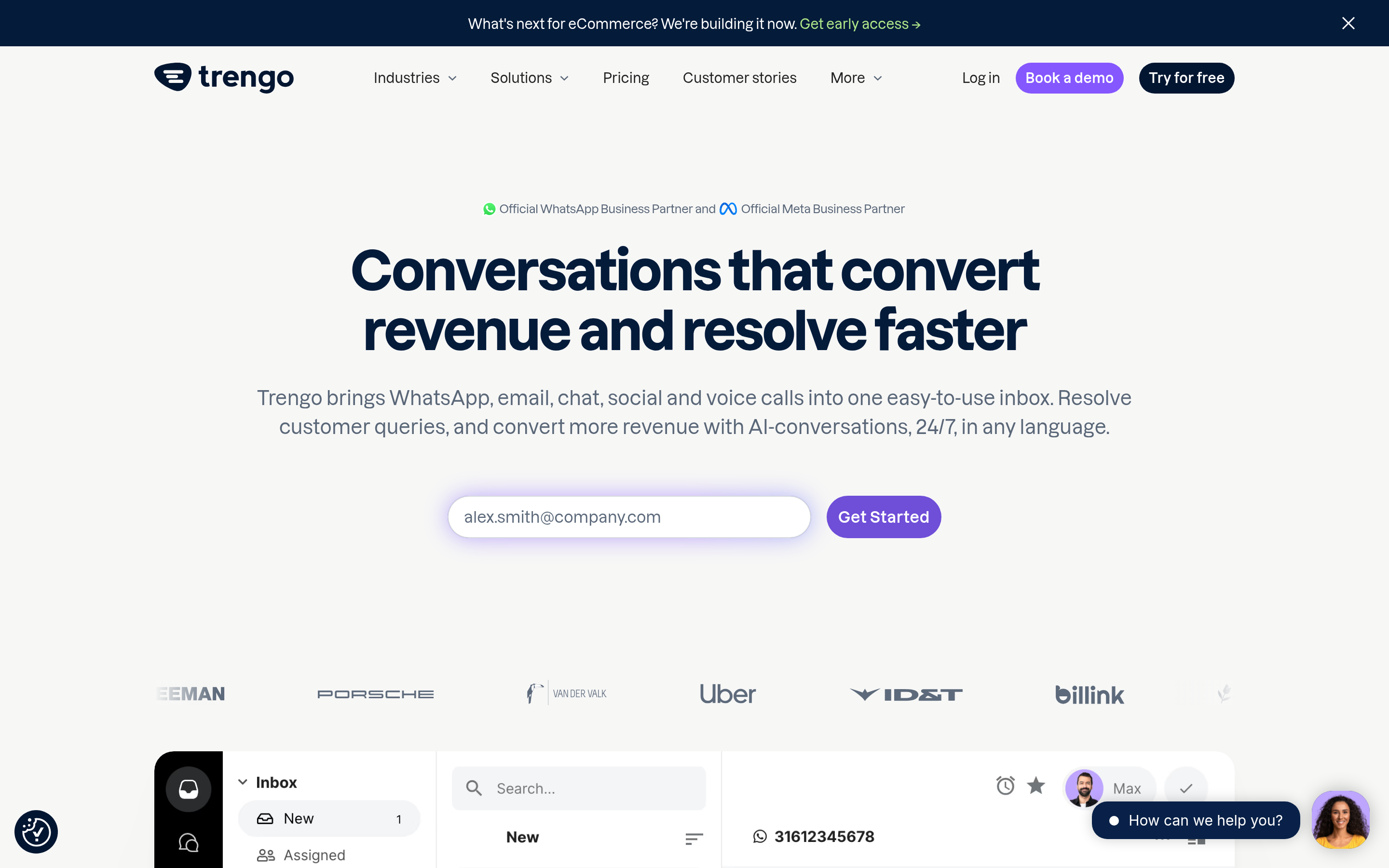
Similar multichannel positioning with a European center of gravity, stronger email and voice handling, and a support-desk feel rather than a sales-outbound feel. Good choice if your WhatsApp volume is inbound service traffic that occasionally turns commercial.
360dialog#
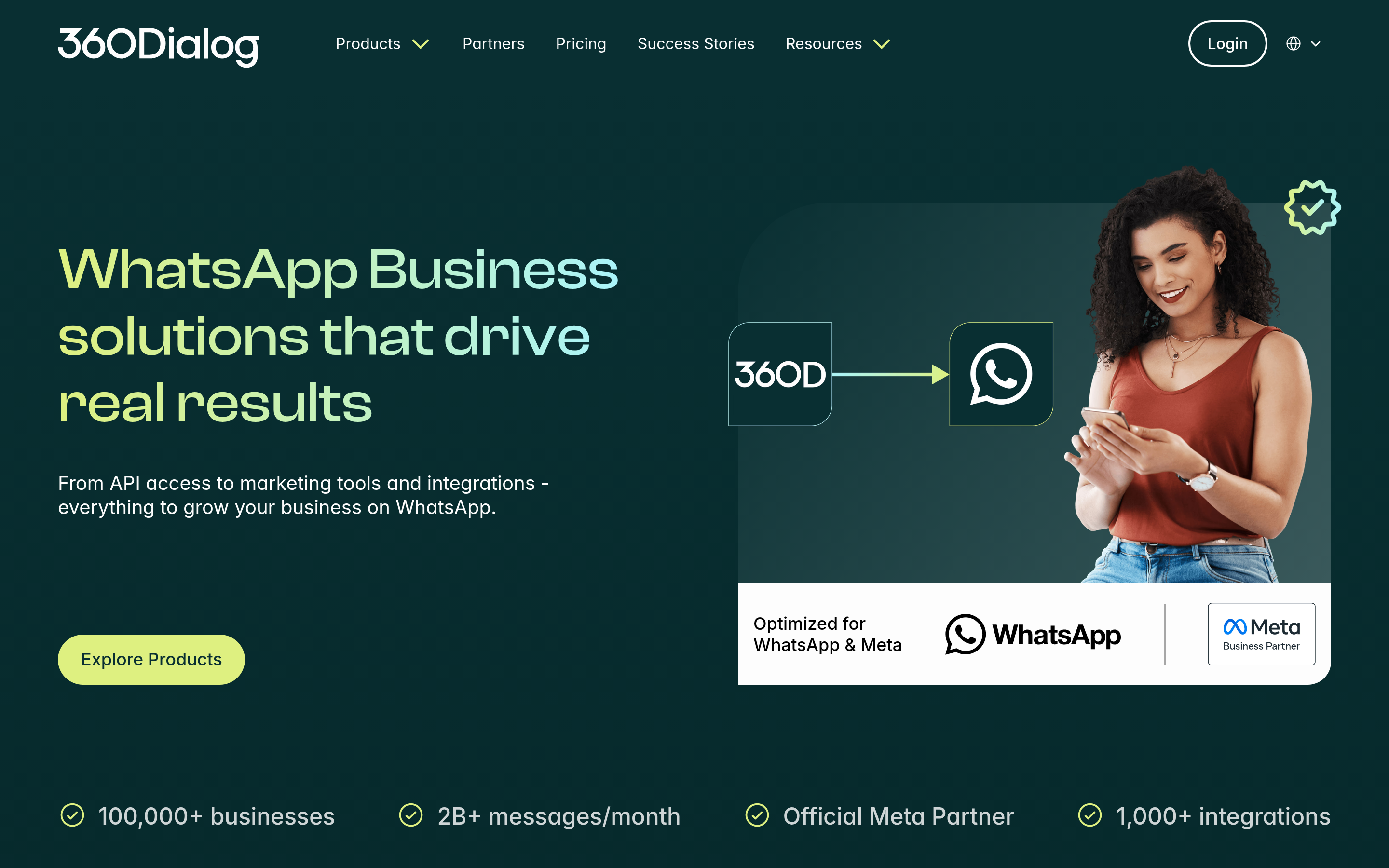
Not a competing inbox at all — a WhatsApp Business Solution Provider that gives you API access with no per-seat fee and message-based billing. Pair it with your own frontend or an open-source inbox and your software cost can drop close to zero. You need engineering. Without it, this is a trap.
Twilio#
Maximum flexibility, maximum build cost. Twilio's programmable messaging covers WhatsApp alongside SMS, voice, and email, all usage-billed. Choose it when messaging is a feature inside your product, not when it is your sales team's daily tool.
DoubleTick#
WhatsApp-native selling with a catalog-first interface, aimed at field reps who share products and take orders in chat. Narrow, but very good inside that narrow lane.
Is WATI actually better than Gallabox?#
Not universally — and anyone claiming otherwise is selling something.
WATI has the larger integration ecosystem and a more mature public API, which matters if you plan to push conversation data into a warehouse or trigger sends from your own backend. Gallabox tends to score better on the built-in CRM feel and on flow-builder ergonomics for non-technical users, and its regional pricing is often friendlier for smaller teams.
The honest decision rule: if a developer will touch this system, lean WATI. If only sales and support ops will touch it, the difference is small enough that support quality and price in your currency should decide.
What does none of these tools solve?#
The contact list.
Every platform on this page assumes you already know who to message. They are distribution, not discovery. And WhatsApp is unforgiving about that gap — messaging a wrong or scraped number does not just fail silently the way a bounced email does. Poor-quality recipient lists drive block and report rates, which drag down your number's quality rating and eventually cap how many template messages you can send per day.
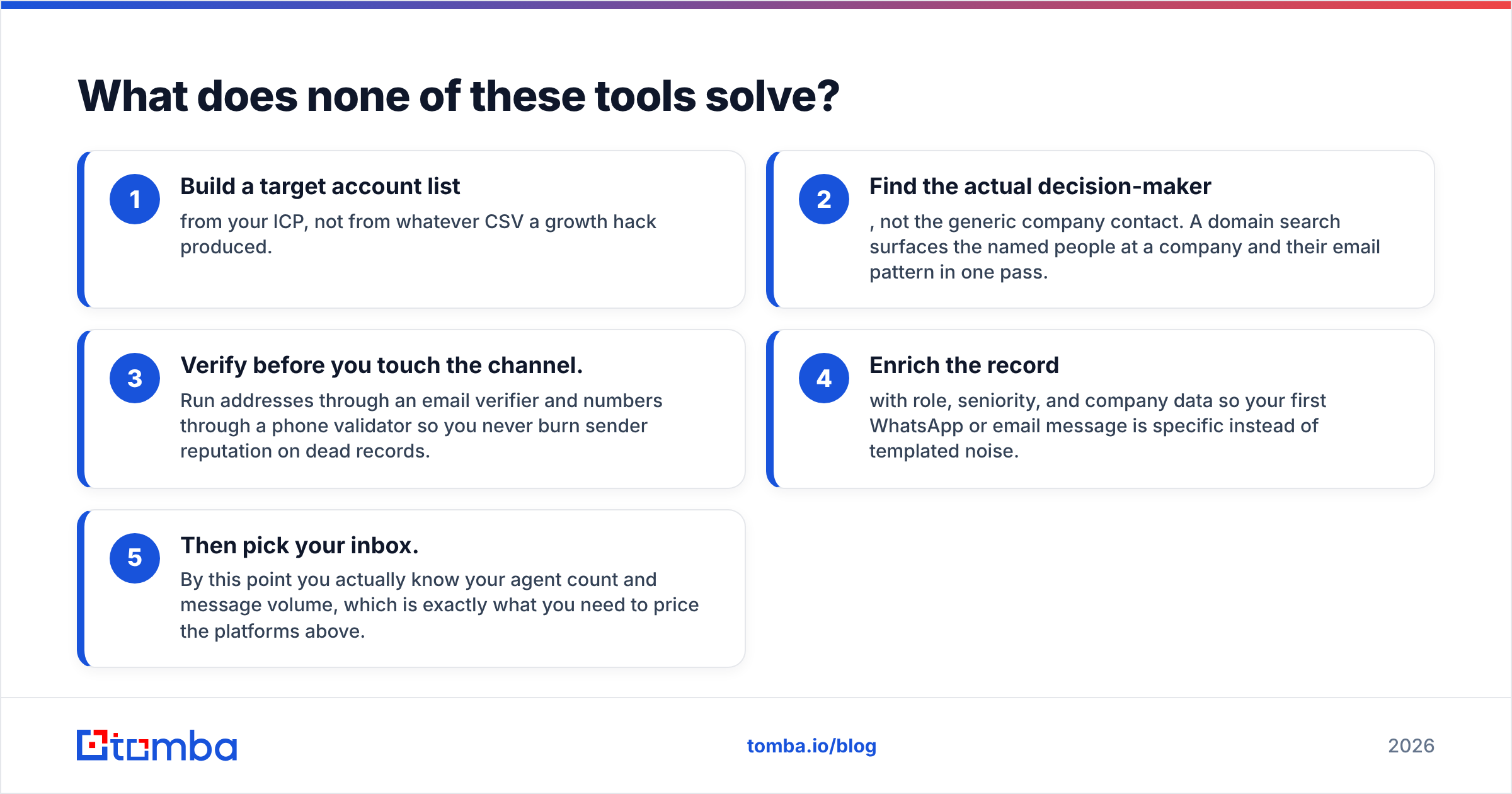
So the sequence that works is boring and correct:
- Build a target account list from your ICP, not from whatever CSV a growth hack produced.
- Find the actual decision-maker, not the generic company contact. A domain search surfaces the named people at a company and their email pattern in one pass.
- Verify before you touch the channel. Run addresses through an email verifier and numbers through a phone validator so you never burn sender reputation on dead records.
- Enrich the record with role, seniority, and company data so your first WhatsApp or email message is specific instead of templated noise.
- Then pick your inbox. By this point you actually know your agent count and message volume, which is exactly what you need to price the platforms above.

Teams that invert this order — buy the platform, then scramble for contacts — end up paying per-seat fees for agents with nothing good to send.
How do the economics compare at 20 agents?#
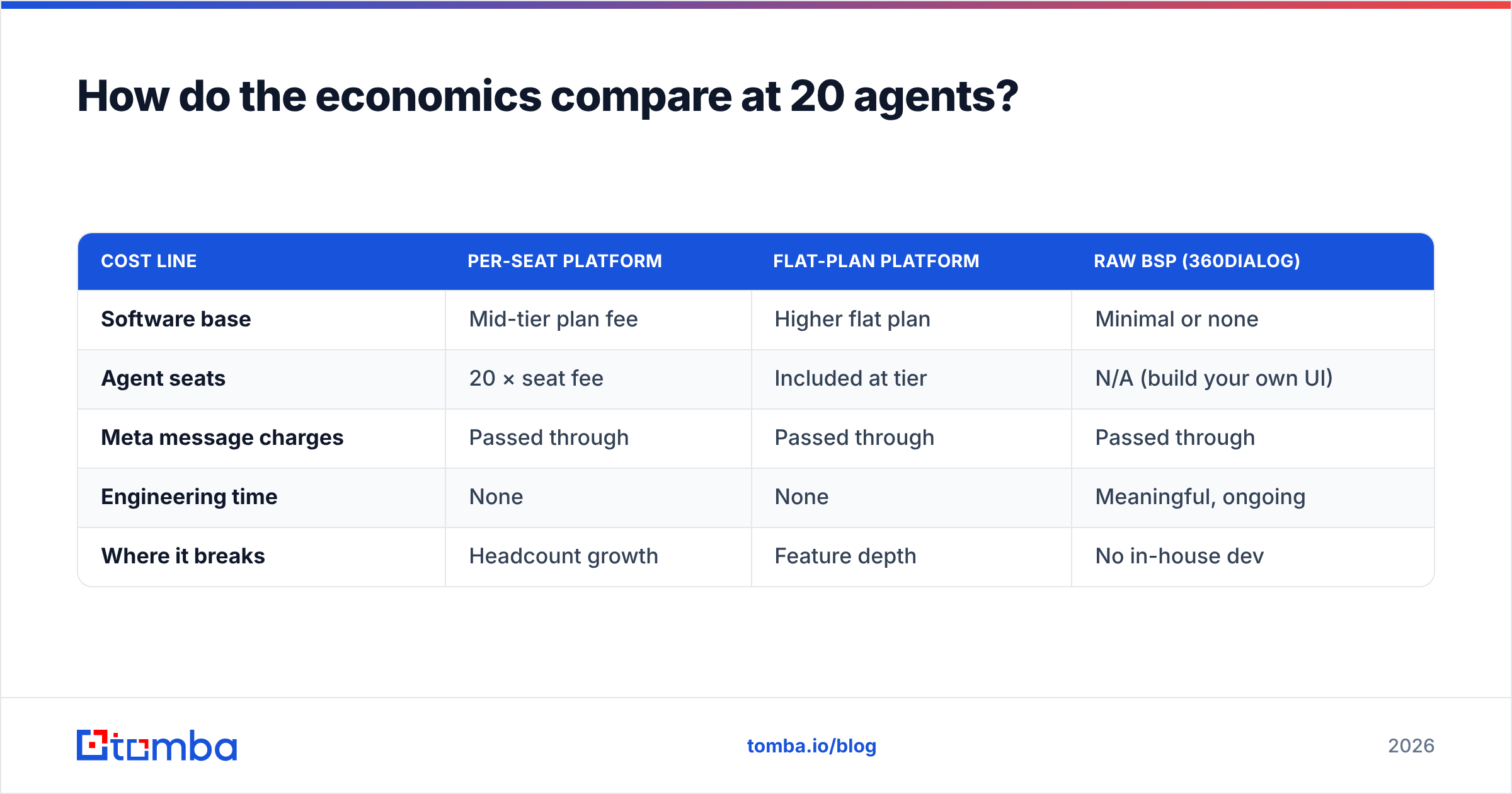
Run the arithmetic before the demo, not after. A rough shape for a 20-agent team sending 30,000 template messages a month:
| Cost line | Per-seat platform | Flat-plan platform | Raw BSP (360dialog) |
|---|---|---|---|
| Software base | Mid-tier plan fee | Higher flat plan | Minimal or none |
| Agent seats | 20 × seat fee | Included at tier | N/A (build your own UI) |
| Meta message charges | Passed through | Passed through | Passed through |
| Engineering time | None | None | Meaningful, ongoing |
| Where it breaks | Headcount growth | Feature depth | No in-house dev |
Seat fees are the variable that surprises people. The Meta pass-through is roughly the same everywhere, so it is not a differentiator — it is a floor. Your real decision is whether you are paying for seats, for features, or for engineering hours.
Which Gallabox alternative should you pick?#
- Staying WhatsApp-only, want a smoother swap: WATI or Interakt.
- Cost is the binding constraint and you have many agents: AiSensy.
- Buyers move across WhatsApp, Instagram, and email: Respond.io, or Trengo if support volume dominates.
- You have engineers and high send volume: 360dialog, or Twilio if messaging belongs inside your own product.
- Field reps selling from a catalog: DoubleTick.
- Gallabox is fine and you just have a lead problem: Do not switch. Fix the input side first.
That last one applies more often than vendors would like to admit. Switching platforms costs you number migration risk, retraining, and a month of degraded output. Switching data sources costs you an afternoon.
Where does Tomba fit into this stack?#
Tomba is not a WhatsApp inbox and does not pretend to be. It sits one step upstream: finding and verifying the contacts your inbox will eventually message.
The Tomba Email Finder locates professional email addresses by domain, name, or company, so you can build a decision-maker list before you commit to any conversational platform. From there, verification, catch-all checks, B2B phone numbers, and enrichment run on the same records, and the Tomba API drops the whole thing into whatever CRM or inbox you land on.
Pricing is straightforward: a free tier with 25 searches a month to test the data quality against your own known contacts, then Starter at $49/mo, Growth at $99/mo, and Pro at $249/mo, with Enterprise custom. Full Tomba pricing is public — no seat math required.
Start with 25 free searches against ten accounts you already know well. If the hit rate and accuracy hold up on records you can verify by hand, plug it into whichever Gallabox alternative you shortlisted above and let the inbox do what it is actually good at.
Related guides#
Ready to find emails that actually work?
Join 150,000+ professionals who stopped guessing and started sending. Free credits on signup — no credit card required.
Get the Tomba newsletter
Practical outbound tactics and product updates — once every two weeks.
About the author