Go To Market Strategy Workshop: A 2026 Facilitator's Playbook
Most GTM workshops end with a whiteboard photo and nothing else. Here is the agenda, the pre-work, the artifacts, and the data checks that turn a two-day session into a pipeline plan your reps actually run.
TL;DR
- A go to market strategy workshop is a facilitated working session where sales, marketing, product, and RevOps agree on one ICP, one message, one motion, and one set of numbers — then leave with owners and dates attached.
- Two days is the sweet spot. One day produces slogans; a week produces fatigue and a 60-slide deck nobody opens.
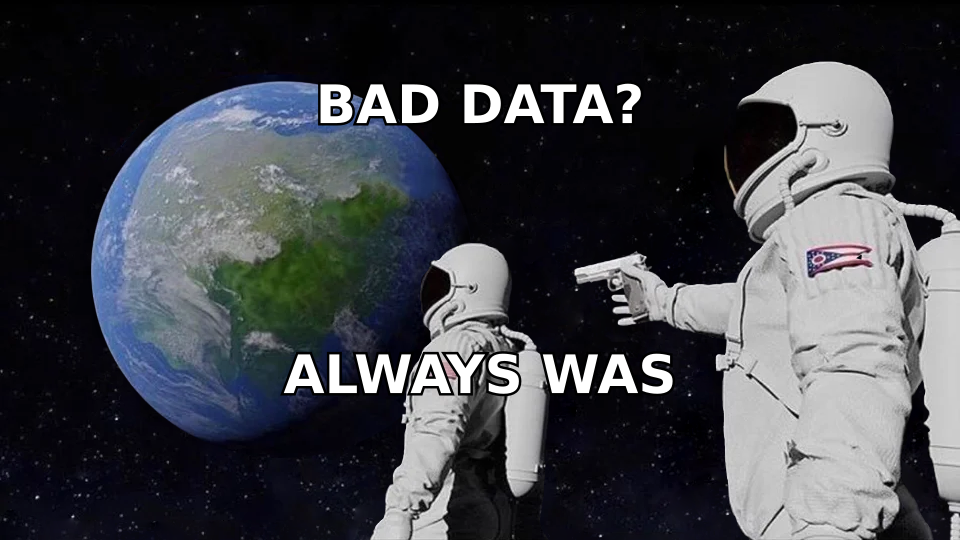
- The workshop fails at the data layer more often than the strategy layer. If your "ideal customer profile" can't be turned into a buildable contact list by Friday, it isn't a profile — it's a wish.
- Mandatory outputs: ICP definition, segment map, message house, channel-motion matrix, 90-day pipeline math, and a named owner per line item.
- Budget roughly 60% of the calendar time to pre-work and post-work. The room itself is where decisions get ratified, not discovered.
What is a go to market strategy workshop?#
A go to market strategy workshop is a structured, time-boxed session where the people who own revenue decide — together, in one room — who you sell to, what you say, how you reach them, and what the next 90 days of execution look like.
Think of it like a pre-flight briefing rather than a brainstorm. The pilots don't invent the route at the gate. They confirm the route, the fuel load, the weather, and the alternates, then they fly. A good GTM workshop works the same way: research is done beforehand, the room is for decisions and trade-offs, and the deliverable is a flight plan somebody signs.
That framing matters because most workshops get run as brainstorms. Sticky notes go up, a facilitator clusters them into themes, everyone feels aligned for about 48 hours, and then sales goes back to selling to whoever answers the phone.
Here's what separates the two:
- A brainstorm generates options. A workshop closes them. Every session block should end with a decision written on a shared doc, not a photo of a whiteboard.
- A brainstorm is open-invite. A workshop is staffed. Eight to twelve people maximum, each with decision rights over some part of the plan.
- A brainstorm runs on opinion. A workshop runs on evidence. Win/loss data, CRM cohort analysis, pipeline conversion by segment, and — critically — a check on whether the target list is even reachable.
- A brainstorm ends. A workshop hands off. Named owner, due date, and a review cadence for every output.
- A brainstorm feels good. A workshop is uncomfortable. If nobody's pet segment gets killed, you didn't prioritize.
Who should be in the room?#
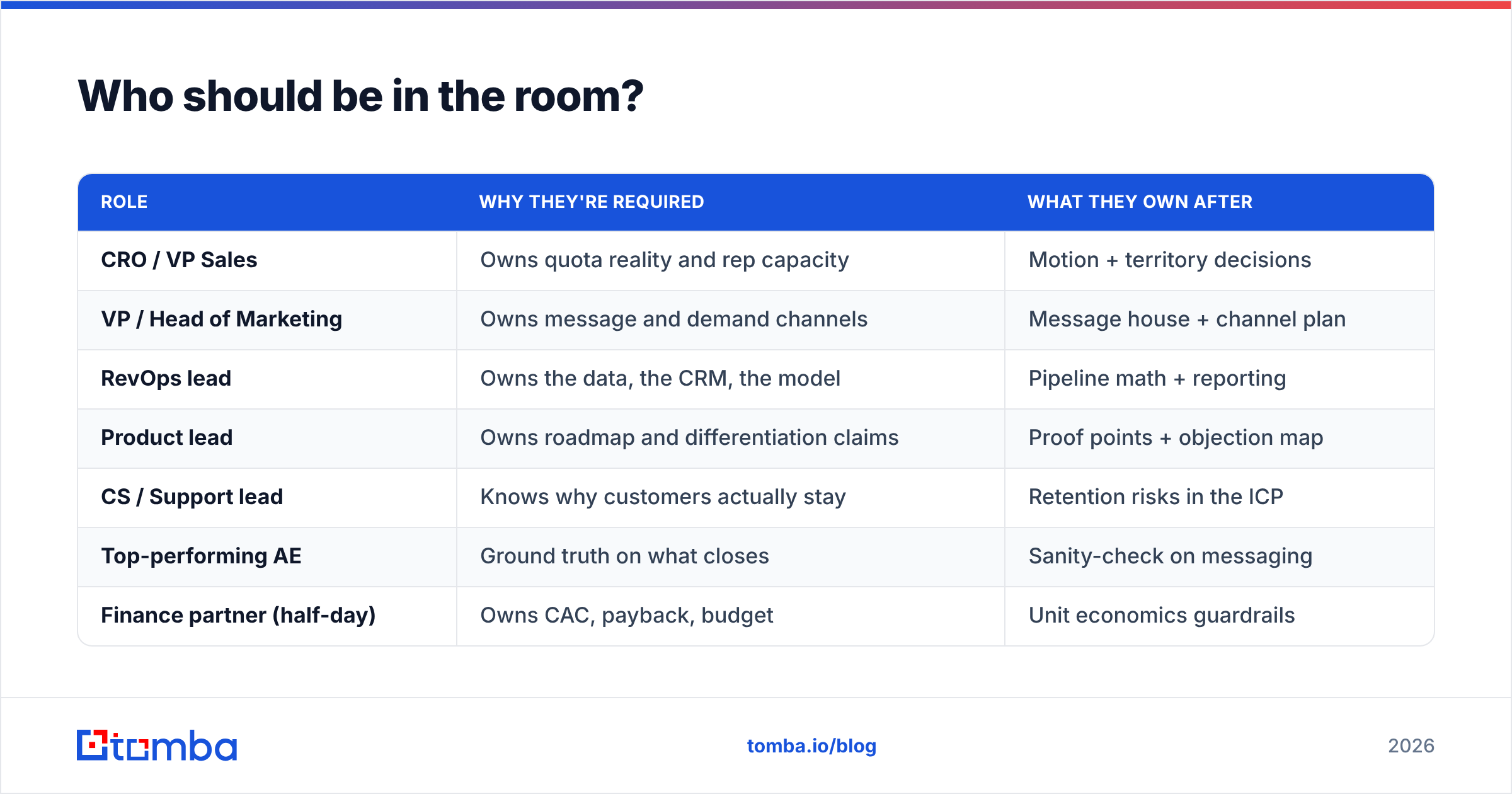
Small and senior. The number one predictor of a wasted workshop is a 25-person invite list where 14 people are "there to listen."
| Role | Why they're required | What they own after |
|---|---|---|
| CRO / VP Sales | Owns quota reality and rep capacity | Motion + territory decisions |
| VP / Head of Marketing | Owns message and demand channels | Message house + channel plan |
| RevOps lead | Owns the data, the CRM, the model | Pipeline math + reporting |
| Product lead | Owns roadmap and differentiation claims | Proof points + objection map |
| CS / Support lead | Knows why customers actually stay | Retention risks in the ICP |
| Top-performing AE | Ground truth on what closes | Sanity-check on messaging |
| Finance partner (half-day) | Owns CAC, payback, budget | Unit economics guardrails |
| Facilitator (neutral) | Keeps time, forces decisions | The agenda and the artifacts |
The facilitator should not be the CEO. When the most senior person in the room runs the clock, dissent evaporates and you end up ratifying whatever the CEO already believed. Use an internal RevOps leader, a chief of staff, or an outside facilitator — someone who is allowed to say "we're 12 minutes over, park it."
Bring the top AE. Seriously. Strategy sessions run entirely by VPs produce ICPs that describe the customers leadership wishes they had. The rep who's had 400 discovery calls this year will tell you in eight seconds why the "enterprise manufacturing" segment on the whiteboard never picks up the phone.
What does the agenda look like?#
Two days, six blocks. This is the structure that survives contact with reality.
Day 1 — Diagnose and decide who.
- Block 1 (90 min): Evidence review. RevOps presents win rates, sales cycle length, ACV, and churn by segment. No opinions yet. Just the numbers everyone agreed to before the session.
- Block 2 (120 min): ICP definition. Firmographics, technographics, trigger events, and the buying committee. Output is a written profile specific enough that someone can build a list from it.
- Block 3 (90 min): Segment prioritization. Rank segments on a two-axis grid — value to us, and our right to win. Kill the bottom half out loud.
Day 2 — Decide what, how, and how much.
- Block 4 (120 min): Message house. One core claim, three supporting pillars, proof point under each. Written in customer language, not in your product's internal vocabulary.
- Block 5 (120 min): Channel-motion matrix. Which motion — outbound, inbound, partner, PLG, events — serves which segment, and at what cost per opportunity.
- Block 6 (90 min): Pipeline math and owners. Work backwards from the revenue target to meetings required, then to contacts required. Assign every line an owner and a date.
The block-6 math is where the room usually goes quiet, and that's the most valuable part of the whole two days. When you convert "$2M in new ARR" into "we need 14,000 verified contacts in the target segment by March," the abstraction collapses and people start asking operational questions.
Why do most GTM workshops fail?#
They fail at the handoff between strategy and data — not at strategy itself.
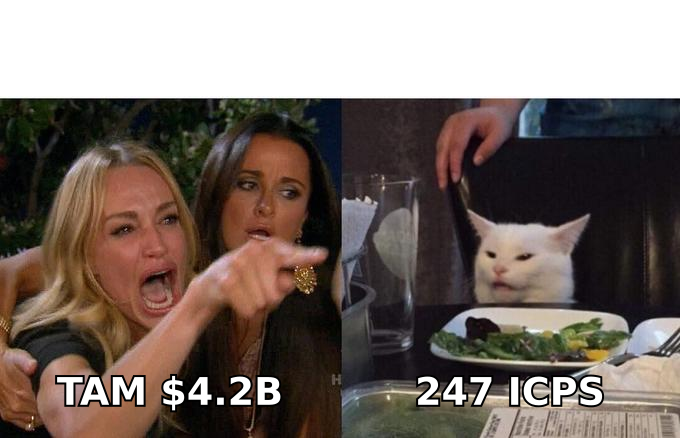
You spend six hours crafting a beautiful ICP: Series B–C SaaS companies, 50–200 employees, using a specific billing stack, with a newly hired VP of Revenue. Everyone signs off. Then a demand-gen manager tries to build the list and discovers that the trigger event isn't captured anywhere, the technographic signal is 40% stale, and half the contacts you can source are role-based aliases that will bounce.
The strategy wasn't wrong. It was just unbuildable, and nobody checked.
Three failure modes account for most of it:
- Unfalsifiable ICPs. "Innovative mid-market companies that value efficiency" cannot be filtered. If you can't express the profile as a set of queryable fields, rewrite it.
- No reachability test. Nobody asks whether the named accounts have discoverable, verified contacts for the buying roles you just defined. This is a ten-minute test and it's skipped constantly.
- No forcing function after. The workshop ends Friday. Monday, the pipeline review runs on the old segments and the old dashboard. Within three weeks the plan is dead.
The fix for the first two is a "data feasibility" block — a 30-minute slot on Day 1 where someone with a laptop actually tries to build a sample list of 100 accounts and 300 contacts against the ICP you just wrote. Use a domain search to pull the contact structure for a dozen target accounts, run those addresses through an email verifier, and report the hit rate to the room before you finalize anything. If you can only reach 30% of the buying committee at your named accounts, the segment is more expensive than the model assumes — and now you know before you commit a quarter to it.
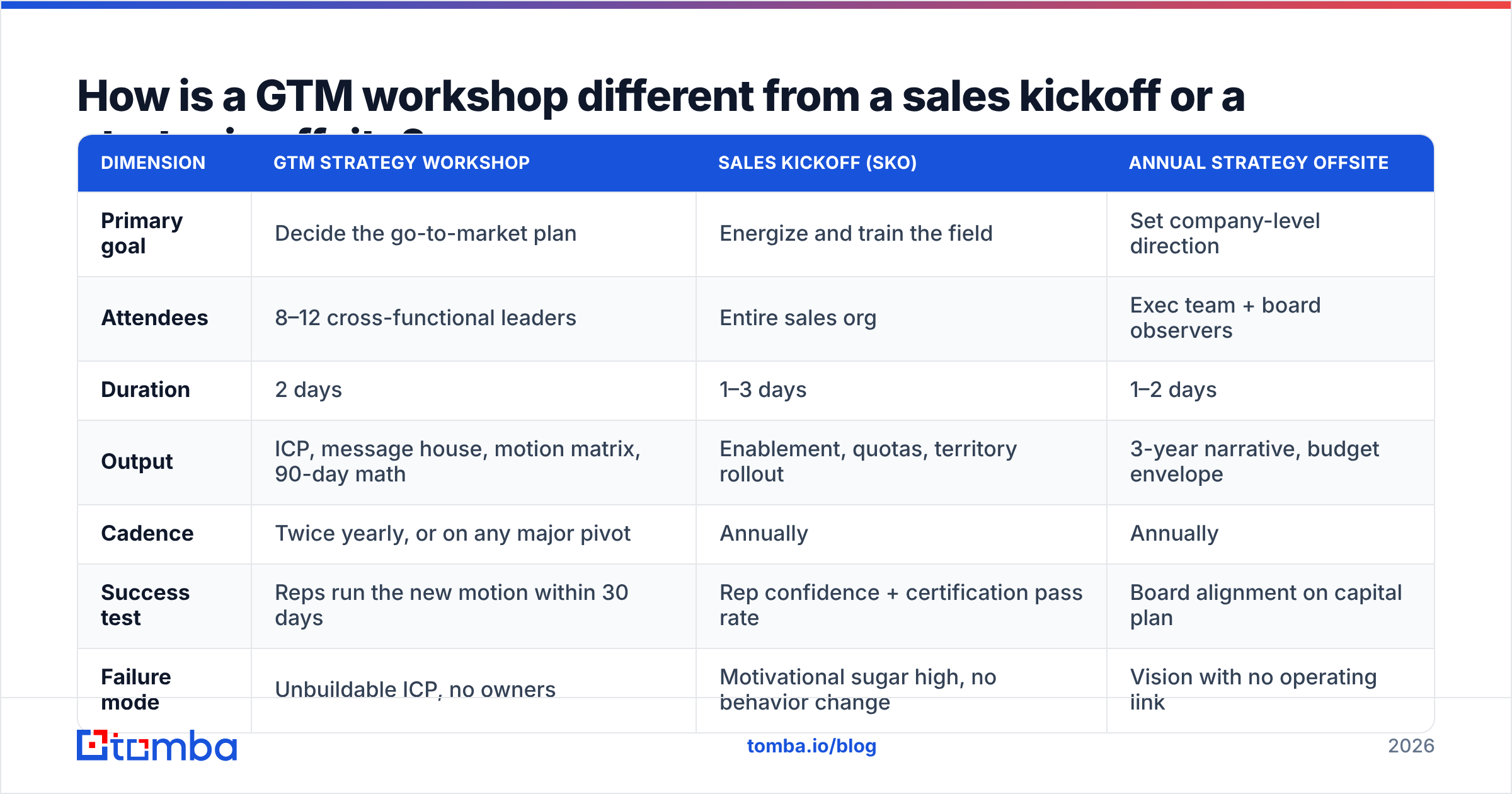
How is a GTM workshop different from a sales kickoff or a strategic offsite?#
They get conflated constantly, and running one when you needed another wastes a week of senior calendar time.
| Dimension | GTM strategy workshop | Sales kickoff (SKO) | Annual strategy offsite |
|---|---|---|---|
| Primary goal | Decide the go-to-market plan | Energize and train the field | Set company-level direction |
| Attendees | 8–12 cross-functional leaders | Entire sales org | Exec team + board observers |
| Duration | 2 days | 1–3 days | 1–2 days |
| Output | ICP, message house, motion matrix, 90-day math | Enablement, quotas, territory rollout | 3-year narrative, budget envelope |
| Cadence | Twice yearly, or on any major pivot | Annually | Annually |
| Success test | Reps run the new motion within 30 days | Rep confidence + certification pass rate | Board alignment on capital plan |
| Failure mode | Unbuildable ICP, no owners | Motivational sugar high, no behavior change | Vision with no operating link |
| Typical cost | Low — internal time | High — travel, venue, production | Medium |
The sequence matters: offsite sets direction, GTM workshop turns direction into a motion, SKO rolls the motion out to the field. Run them out of order and the SKO becomes a 200-person guessing game.
For a deeper primer on how these decisions connect to operating cadence, revenue operations is the discipline that carries the workshop output into weekly execution. If your company doesn't have a RevOps function, the workshop's outputs need an explicit owner anyway — usually the marketing ops or sales ops lead.
What pre-work is non-negotiable?#
Send the pre-read seven days out and make attendance conditional on completing it. Facilitators who skip this spend Day 1 morning re-litigating basic facts.
The required pre-read packet:
- Closed-won/closed-lost analysis for the trailing 12 months, cut by segment, deal size, and source. Include the top five stated loss reasons.
- Cohort retention by segment. If a segment closes fast and churns in nine months, it's a cost center wearing a revenue costume.
- Pipeline conversion rates by stage and by motion. This becomes the denominator in your Day 2 math.
- Competitive win-rate table against your top three competitors. Sourced from CRM fields plus a scan of review sites like G2 so you're not grading your own homework.
- Ten customer interview summaries — five recent wins, five recent losses. Verbatim quotes, not paraphrase. These become the raw material for your message house.
- A reachability snapshot. For 50 named target accounts: can you identify and verify contacts for each buying-committee role? Report a percentage, not a vibe.
That last one is the item most teams have never produced, and it's the cheapest to generate. Pull the accounts, run them through a bulk email finder, and report coverage by job function. A 20-minute task that reframes the entire prioritization conversation.
Each attendee should also submit, in writing, their one-sentence answer to: "Who is our best customer and why?" Collect these anonymously and put them on a slide. The spread between answers is the single best argument for why you're holding the workshop.
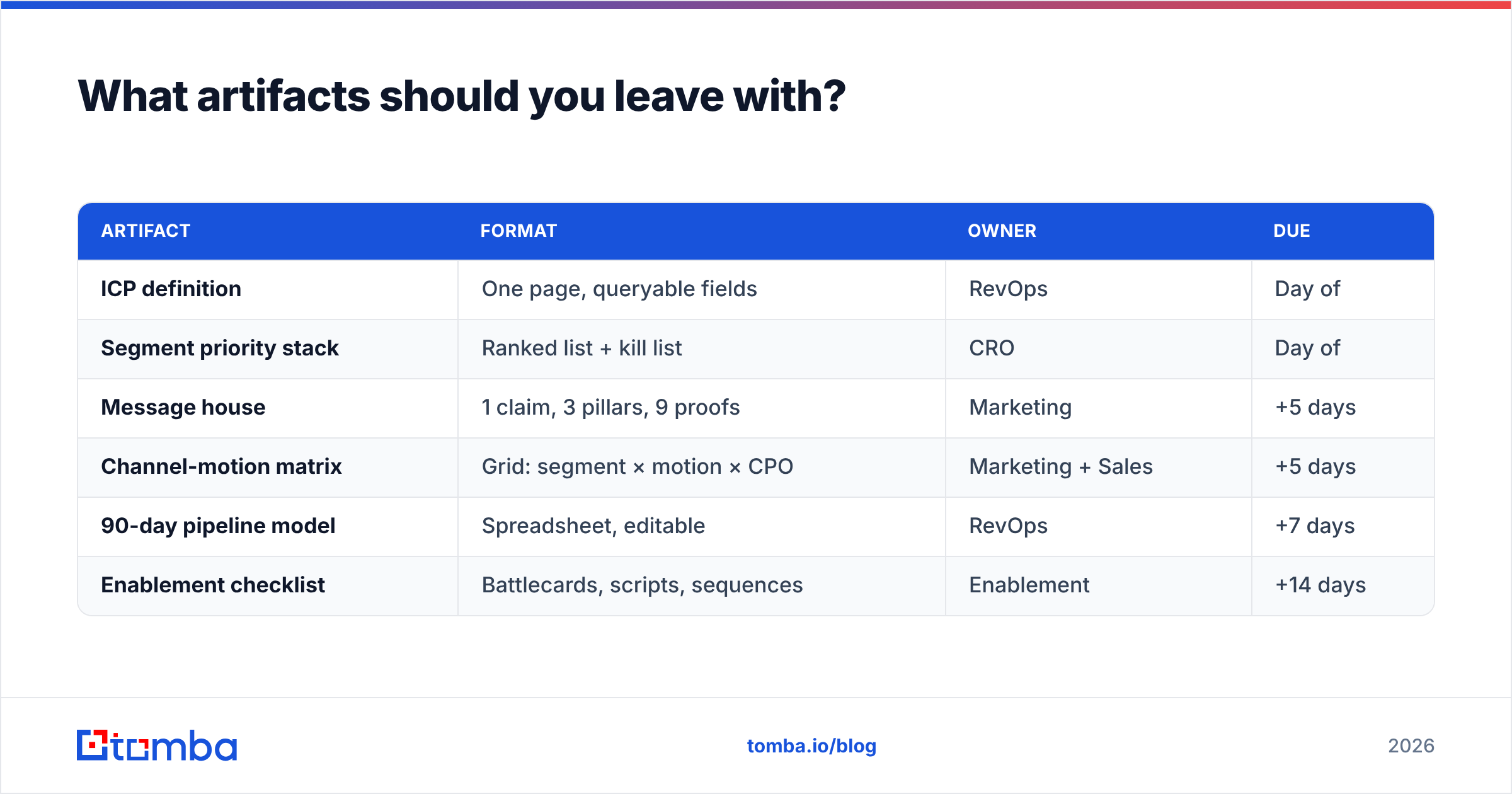
What artifacts should you leave with?#
Six documents. If you finish with fewer, you ran a discussion, not a workshop.
| Artifact | Format | Owner | Due |
|---|---|---|---|
| ICP definition | One page, queryable fields | RevOps | Day of |
| Segment priority stack | Ranked list + kill list | CRO | Day of |
| Message house | 1 claim, 3 pillars, 9 proofs | Marketing | +5 days |
| Channel-motion matrix | Grid: segment × motion × CPO | Marketing + Sales | +5 days |
| 90-day pipeline model | Spreadsheet, editable | RevOps | +7 days |
| Enablement checklist | Battlecards, scripts, sequences | Enablement | +14 days |
The ICP definition deserves a specific format. Write it as fields and values, not prose:
- Industry: vertical SaaS, fintech, martech
- Headcount: 50–250
- Funding stage: Series A–C, raised in trailing 18 months
- Tech signals: uses a modern CRM, has a marketing automation platform
- Trigger: new VP of Sales or Marketing hired in last 120 days
- Buying committee: VP Sales (economic), RevOps lead (technical), SDR manager (user)
- Disqualifiers: under 20 employees, no dedicated sales function, agency model
Every one of those lines can be filtered, sourced, or verified. That's the test. If a line can't be, it's aspiration and it belongs in the narrative section, not the profile.
How do you turn the plan into pipeline in the first 30 days?#
Work the math backwards, then go build the list. This is the step where workshops either become revenue or become a PDF.
Take your target: say $1.5M in new ARR for the quarter, at a $30K average deal. That's 50 closed-won deals. At a 22% opportunity-to-close rate, you need 227 opportunities. At a 35% meeting-to-opportunity rate, roughly 650 meetings. At a 4% reply-to-meeting conversion on outbound, and a 30% reply rate on well-targeted sequences — you can see how fast this compounds into tens of thousands of verified contacts.
Then reality-check each multiplier against your actual historicals, not benchmarks. Industry averages for response rate are useful as a sanity band, but your own CRM is the only honest input.
The build sequence for week one:
- Translate the ICP into a target account list. Firmographic filters first, then trigger events, then disqualifiers. Cap it — a list of 12,000 accounts you can't work is worse than 800 you can.
- Map the buying committee per account. Titles, not just names. You defined three roles in the workshop; source all three.
- Find and verify contacts. This is where Tomba's email finder or a comparable tool does the work. Verify before you send — bounce rate is the fastest way to torch the domain reputation you'll need all quarter.
- Segment the sequences. One message house, three variants — one per buying-committee role. Same claim, different proof points.
- Instrument the reporting. New segments need new dashboard filters on day one, or the Monday pipeline review will keep reporting on the old world.
- Set a 30-day checkpoint. Same room, 60 minutes, one question: which assumption from the workshop has been falsified?
That last checkpoint is what keeps the plan alive. Treat the workshop output as a hypothesis set with expiry dates, not as scripture. Research from firms like Gartner consistently shows that buying committees have grown and buying cycles have lengthened — which means any GTM plan that isn't revised on a quarterly rhythm is describing a market that no longer exists by the time it's fully rolled out.
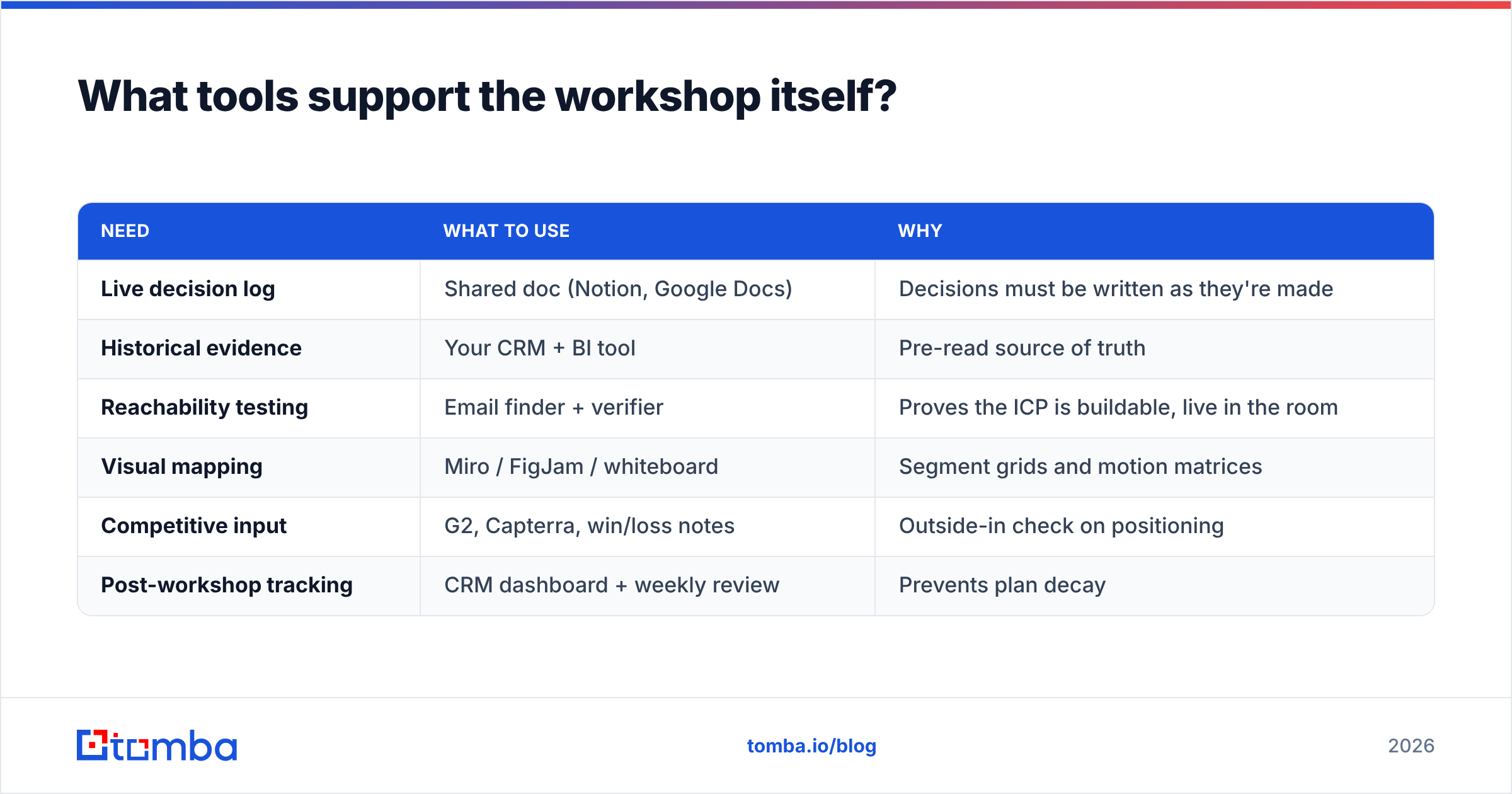
What tools support the workshop itself?#
Keep the stack thin. The workshop needs a shared doc, a data source, and a whiteboard — in that order of importance.
| Need | What to use | Why |
|---|---|---|
| Live decision log | Shared doc (Notion, Google Docs) | Decisions must be written as they're made |
| Historical evidence | Your CRM + BI tool | Pre-read source of truth |
| Reachability testing | Email finder + verifier | Proves the ICP is buildable, live in the room |
| Visual mapping | Miro / FigJam / whiteboard | Segment grids and motion matrices |
| Competitive input | G2, Capterra, win/loss notes | Outside-in check on positioning |
| Post-workshop tracking | CRM dashboard + weekly review | Prevents plan decay |
Resist the urge to add a new platform as a workshop output. "We'll buy an intent data tool" is a decision that deserves its own evaluation, not a 4pm-on-Day-2 impulse. Note it as a follow-up with an owner and a decision date.
One legitimate exception: if the reachability test in Block 1 shows you can't source the buying committee at your target accounts, fixing the contact-data layer is the workshop's most urgent output. No amount of message refinement compensates for not being able to reach the person you're messaging.
For teams comparing data providers after the workshop, weigh coverage in your specific segment over headline database size — a 700M-contact database that's thin in vertical SaaS in DACH is worse for you than a smaller, denser source. Providers like BookYourData and Tomba differ meaningfully by region and role depth, so run the same 50-account test against each before committing budget.
Run the reachability test before you commit the quarter#
The single highest-leverage change you can make to your go to market strategy workshop is adding a 30-minute data feasibility block on Day 1. Before the room falls in love with a segment, build a sample list against it and measure what percentage of the buying committee you can actually reach with a verified address.
Tomba's Email Finder makes that test cheap enough to run live in the session — pull contacts by domain and role for a sample of target accounts, verify them, and put a real coverage number on the screen before anyone signs off on the segment. The free tier covers 25 searches a month, which is enough to sanity-check a handful of accounts; Starter runs $49/mo and Growth $99/mo when you're ready to build the full target list, with details on Tomba pricing. Either way, walk out of the workshop knowing your plan is buildable — not just believable.
Related guides#
Ready to find emails that actually work?
Join 150,000+ professionals who stopped guessing and started sending. Free credits on signup — no credit card required.
Get the Tomba newsletter
Practical outbound tactics and product updates — once every two weeks.
About the author