GTM Operations in 2026: The Complete Playbook for RevOps Teams
GTM operations is where marketing, sales, and CS stop arguing about the number and start hitting it. Here's the 2026 playbook: the model, the stack, the metrics, and the hiring order.
TL;DR
- GTM operations is the function that owns the shared system of record, the routing logic, and the metrics definitions across marketing, sales, customer success, and finance. RevOps is the parent discipline; GTM ops is the execution arm closest to the pipeline.
- The single biggest failure mode is not tooling — it's undefined ownership. When three teams each maintain their own "qualified lead" definition, no dashboard is trustworthy.
- A working 2026 stack has four layers: system of record (CRM), data foundation (enrichment + verification), activation (sequencing, routing, scoring), and measurement (attribution + forecasting).
- Data decay, not budget, kills most GTM programs. B2B contact data degrades roughly 25–30% a year, so enrichment and verification belong in the pipeline, not in a quarterly cleanup project.
- Hire in this order: one generalist ops lead → data/CRM admin → analytics → automation specialist. Hiring analytics before data hygiene produces beautiful charts built on garbage.
What is GTM operations, exactly?#
GTM operations is the discipline of making every revenue-facing team run on the same data, the same definitions, and the same processes.
Think of a restaurant. The chefs (sales), the front of house (marketing), and the delivery drivers (customer success) can all be excellent individually. But if the kitchen printer shows a different order than the app, and the driver has a different address than the customer typed, the food arrives cold and wrong. GTM ops is the person who owns the printer, the ticket format, and the address field — the boring plumbing that determines whether talent converts into revenue.
Technically: GTM operations owns process design, system architecture, data governance, and performance measurement across the full customer lifecycle — from anonymous visitor to renewal.
That's broader than "sales ops," which historically stopped at the closed-won line. And it's narrower in practice than revenue operations, which usually also folds in compensation design, territory planning, and finance-side revenue recognition.
What does a GTM ops team actually own?#
- The system of record. One CRM object model that marketing, sales, and CS all write to. Not three.
- Definitions. What counts as an MQL, an SQL, an opportunity, a "engaged account." Written down, versioned, enforced in the schema.
- Routing and assignment. Lead-to-account matching, territory rules, round-robin logic, SLA timers on follow-up.
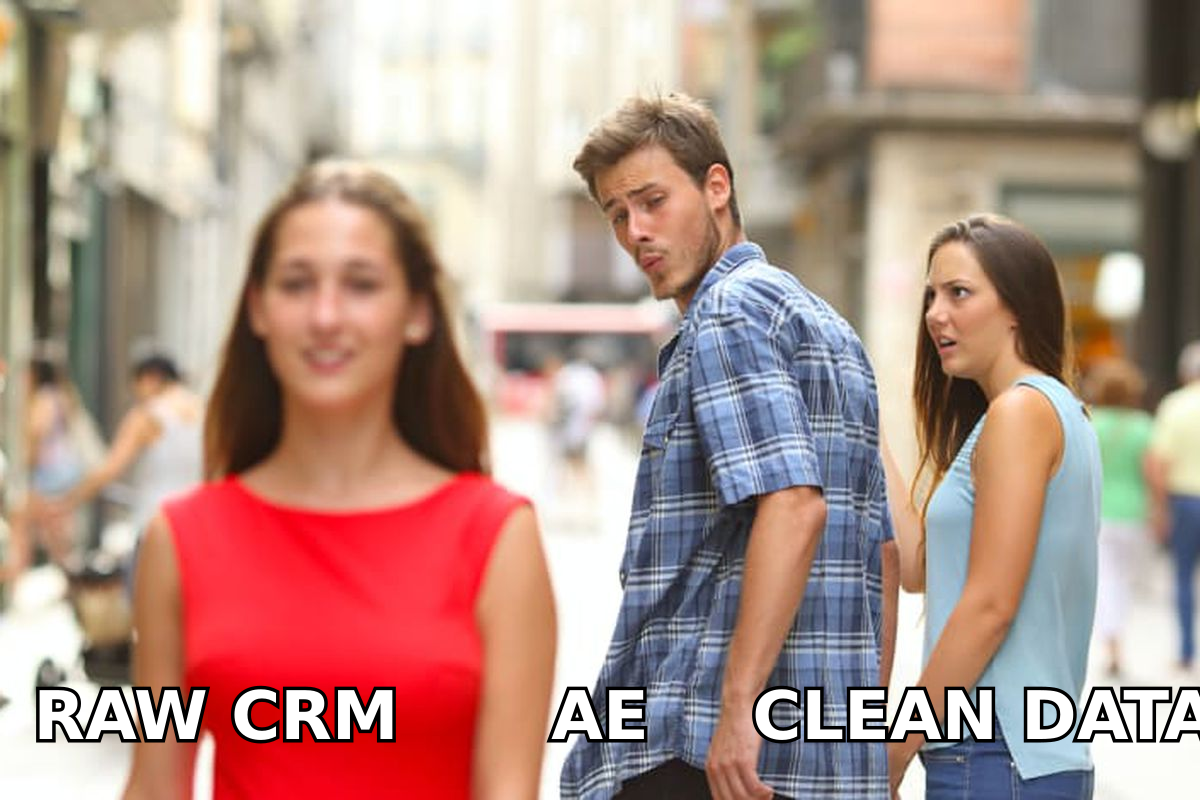
- Data quality. Enrichment on entry, verification before send, dedupe on merge, decay monitoring on a schedule.
- Measurement. Pipeline coverage, conversion rates by stage, win rate by segment, forecast accuracy versus actuals.
- Tool governance. Who buys what, what integrates with what, and which seats get cut at renewal.
If nobody in your company owns items 2 and 4, you don't have GTM operations. You have a CRM admin and a lot of hope.
Is GTM operations different from RevOps?#
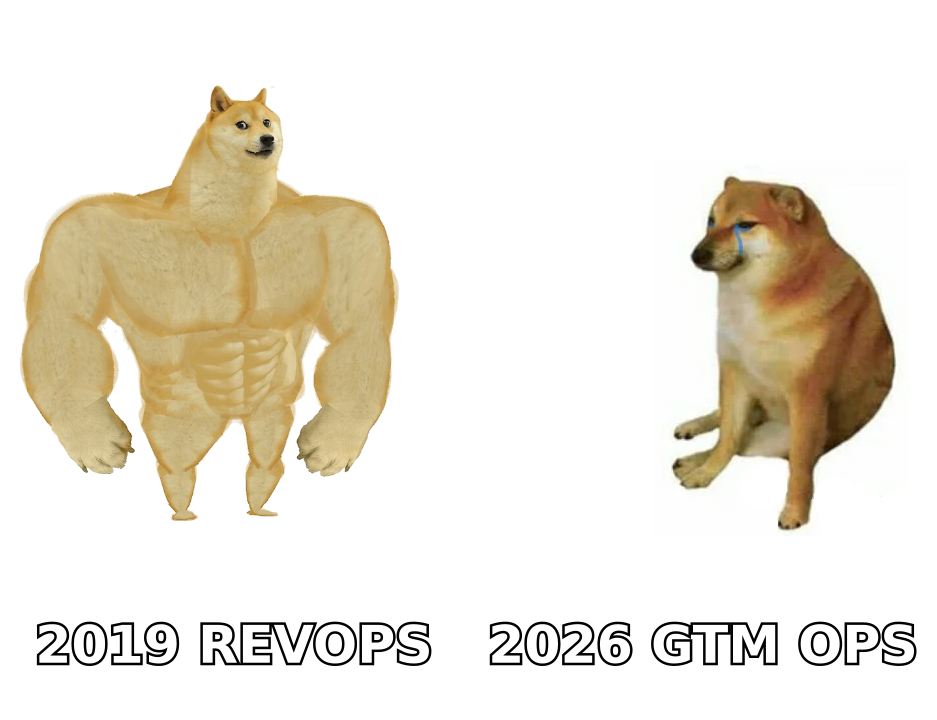
Yes, though the titles are used interchangeably at companies under about 200 people — and honestly, at that size the distinction doesn't matter.
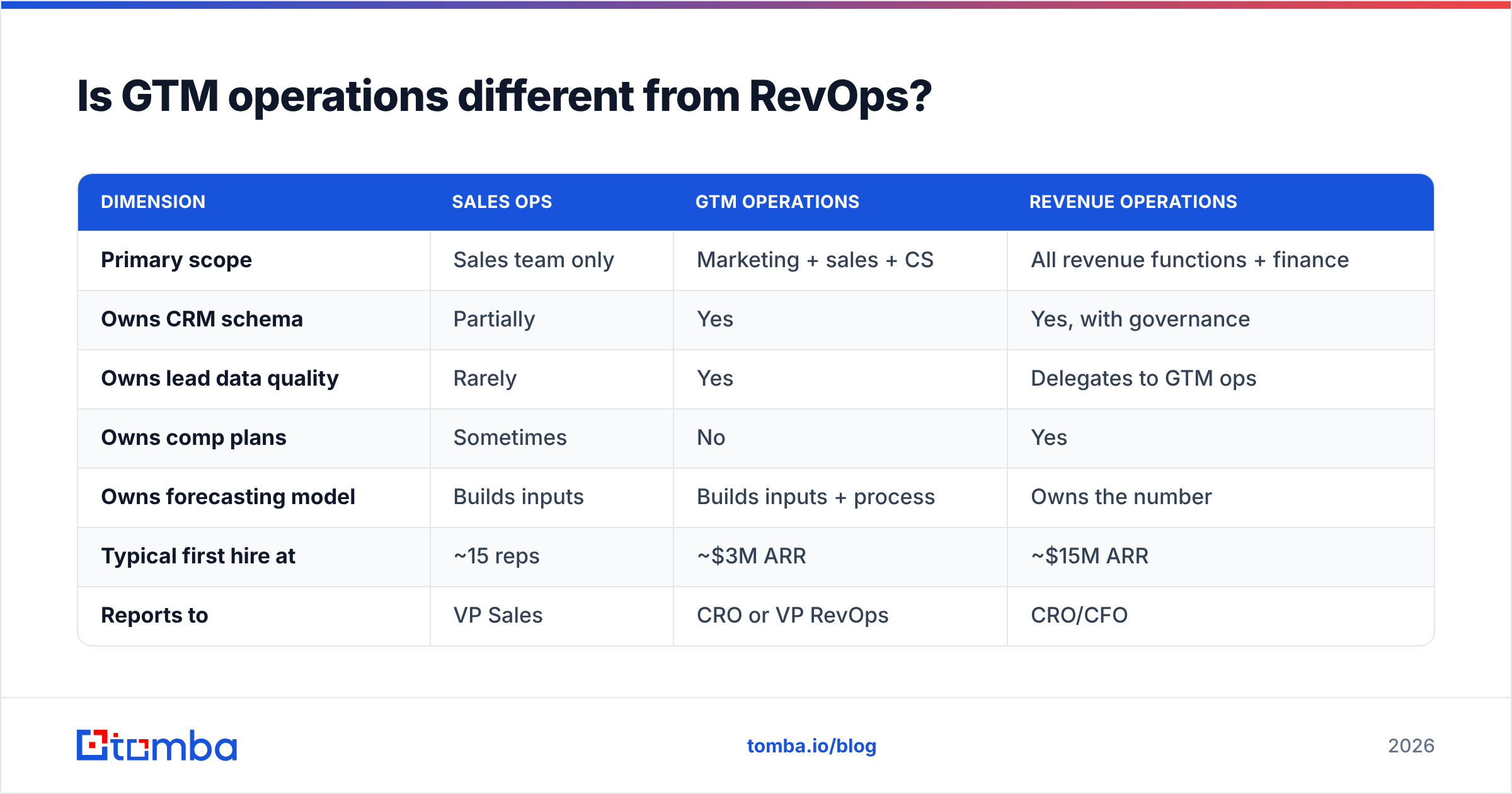
The clean split: RevOps is the strategic umbrella. GTM ops is the operational layer that touches the pipeline daily. RevOps decides the territory model; GTM ops builds the routing rules, tests them, and fixes the 4% of leads that fall through.
| Dimension | Sales Ops | GTM Operations | Revenue Operations |
|---|---|---|---|
| Primary scope | Sales team only | Marketing + sales + CS | All revenue functions + finance |
| Owns CRM schema | Partially | Yes | Yes, with governance |
| Owns lead data quality | Rarely | Yes | Delegates to GTM ops |
| Owns comp plans | Sometimes | No | Yes |
| Owns forecasting model | Builds inputs | Builds inputs + process | Owns the number |
| Typical first hire at | ~15 reps | ~$3M ARR | ~$15M ARR |
| Reports to | VP Sales | CRO or VP RevOps | CRO/CFO |
The practical takeaway: don't hire a "Director of RevOps" at $2M ARR to design compensation frameworks. Hire someone who can clean your database, wire your routing, and tell you honestly what your conversion rates are.
Why does GTM operations fail in most companies?#
Four reasons, in rough order of frequency.
1. Definition drift. Marketing counts a lead when a form fills. Sales counts it when a rep logs a call. Finance counts it when a deal is created. Each number is defensible in isolation and useless in combination. The fix is unglamorous: one shared definitions doc, enforced as required CRM fields, reviewed quarterly.
2. Data decay treated as a project. Gartner and multiple industry studies put B2B contact record decay at roughly 25–30% annually — people change jobs, companies rebrand, domains get consolidated. If your enrichment strategy is "we bought a list in Q1," by Q4 a quarter of it is fiction. Decay is a rate, so your response has to be a rate too: continuous contact enrichment and verification, not an annual purge.
3. Tool sprawl without an owner. The average B2B GTM stack has grown past a dozen tools. Each one was bought to solve a real problem. Together they create three sources of truth for account ownership and two for email opt-out status. Somebody has to say no.
4. Ops as a ticket queue. If your ops team only responds to requests, it will spend 100% of its time on field additions and report tweaks and 0% on the routing logic that's silently losing 8% of inbound. Reserve at least a third of ops capacity for proactive work.
What does a 2026 GTM stack actually look like?#
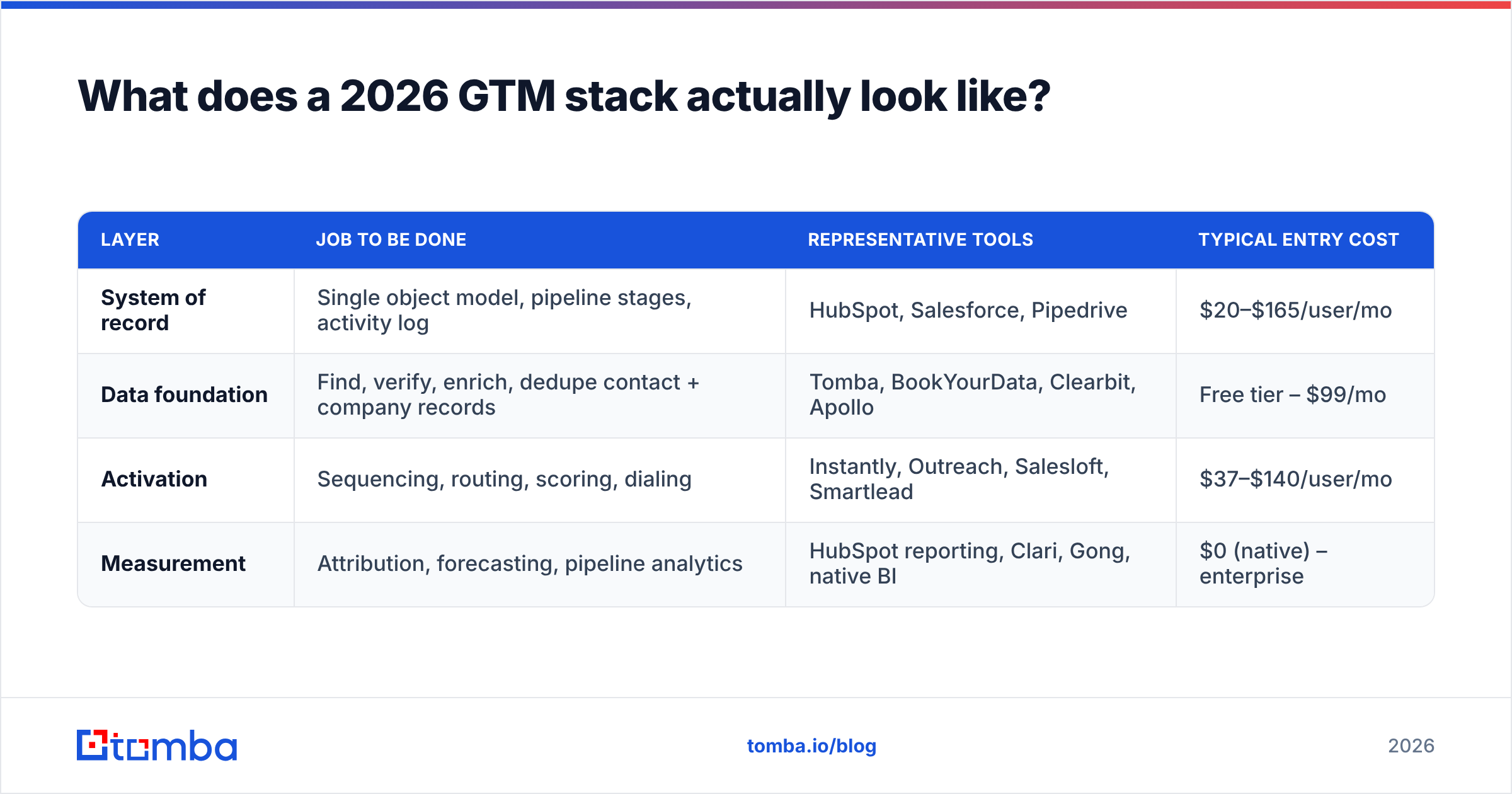
Four layers. Every tool you own should map to exactly one of them; if it maps to two, you're probably paying twice for something.
| Layer | Job to be done | Representative tools | Typical entry cost |
|---|---|---|---|
| System of record | Single object model, pipeline stages, activity log | HubSpot, Salesforce, Pipedrive | $20–$165/user/mo |
| Data foundation | Find, verify, enrich, dedupe contact + company records | Tomba, BookYourData, Clearbit, Apollo | Free tier – $99/mo |
| Activation | Sequencing, routing, scoring, dialing | Instantly, Outreach, Salesloft, Smartlead | $37–$140/user/mo |
| Measurement | Attribution, forecasting, pipeline analytics | HubSpot reporting, Clari, Gong, native BI | $0 (native) – enterprise |
A few honest notes on that table.
The system of record decision is the one you'll live with longest. Migrating CRMs takes a quarter and costs goodwill. HubSpot's own pricing page and Salesforce's editions comparison are worth reading line by line before you commit — the per-seat number is rarely the total number once you add sandboxes, API call limits, and required onboarding.
The data foundation layer is where most teams under-invest and then blame the activation layer for poor reply rates. If 18% of your sends bounce, no subject line rescues the campaign. Tools here split into two broad camps: verified static databases (BookYourData is a strong option if you want a pre-verified list you can filter and export) and real-time lookup APIs (Tomba, Clearbit) that resolve a contact at the moment you need it. Many teams run both — a database for bulk list building, an API for just-in-time enrichment inside workflows.
The activation layer is the most crowded and the most substitutable. Switching sequencers is a two-week project. Switching CRMs is a two-quarter project. Price your commitment accordingly.
The measurement layer should start native. Don't buy a $40k forecasting platform to fix a data problem — the forecast is only as good as the stage hygiene underneath it.
How do you build the data foundation without buying six tools?#
Start with the four operations that every GTM data pipeline performs, and make sure each one has exactly one owner tool.
- Discovery — turning a company or a person into a contactable record. This is what a domain search does: give it
stripe.comand get back the people, roles, and email patterns behind it. Pair it with an email finder for named-person lookups when you already know who you want to reach. - Verification — confirming the address is deliverable before it enters a sequence. A dedicated email verifier run at import and again before each send campaign is the single highest-ROI hygiene step in the whole stack.
- Enrichment — adding firmographic and role context so routing and scoring have something to work with. Headcount, industry, tech stack, funding stage.
- Deduplication and decay monitoring — merging duplicates on a schedule and flagging records that haven't been touched or re-verified in 90+ days.
The mistake to avoid: running these as four disconnected manual steps in a spreadsheet. Wire them into the CRM through the Tomba API or an automation layer so that a record created by any channel — form fill, conference scan, outbound list, website visitor reveal — goes through the same pipeline. Consistency beats sophistication here.
What about catch-all domains?#
Catch-all servers accept every address at a domain, which means standard SMTP verification returns "unknown" rather than valid or invalid. Depending on your ICP, catch-alls can be 20–40% of your list. Two workable policies:
- Conservative: exclude catch-alls from cold sequences entirely. Cleanest for email deliverability, but you lose real reachable prospects.
- Segmented: route catch-alls through a dedicated catch-all verifier, then send them from a separate domain so any bounce damage stays contained.
The second is better if catch-alls are a meaningful share of your ICP. Just don't quietly blend them into your main sending domain and wonder why sender reputation slipped.
Which GTM metrics actually matter?#
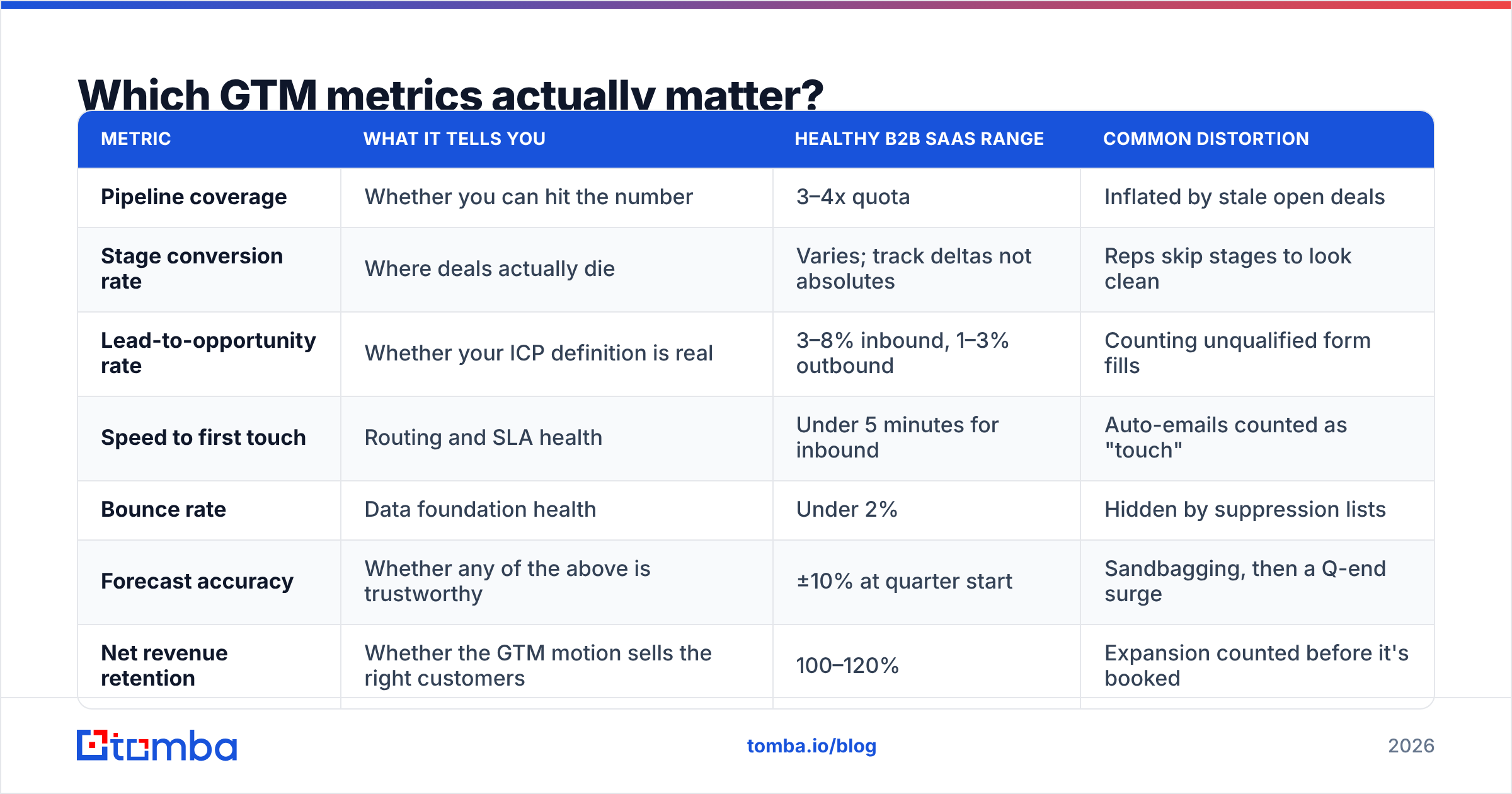
Fewer than you think. A GTM ops function that reports 40 metrics is reporting none of them.
| Metric | What it tells you | Healthy B2B SaaS range | Common distortion |
|---|---|---|---|
| Pipeline coverage | Whether you can hit the number | 3–4x quota | Inflated by stale open deals |
| Stage conversion rate | Where deals actually die | Varies; track deltas not absolutes | Reps skip stages to look clean |
| Lead-to-opportunity rate | Whether your ICP definition is real | 3–8% inbound, 1–3% outbound | Counting unqualified form fills |
| Speed to first touch | Routing and SLA health | Under 5 minutes for inbound | Auto-emails counted as "touch" |
| Bounce rate | Data foundation health | Under 2% | Hidden by suppression lists |
| Forecast accuracy | Whether any of the above is trustworthy | ±10% at quarter start | Sandbagging, then a Q-end surge |
| Net revenue retention | Whether the GTM motion sells the right customers | 100–120% | Expansion counted before it's booked |
Two of these deserve special attention because they're leading indicators for everything else.
Speed to first touch. The classic Harvard Business Review analysis of lead response time found that contacting an inbound lead within an hour makes meaningful qualification dramatically more likely than waiting a day. This is almost entirely an ops problem — routing rules, working-hours logic, alerting — not a rep motivation problem.
Bounce rate. It's the smoke alarm for the whole data layer. A creeping bounce rate means enrichment is stale, verification is being skipped, or someone imported a purchased list without running it through the pipeline. Check it weekly, not quarterly.
How do you sequence the hiring?#
The order matters more than the titles.
Hire 1 — the generalist ops lead (around $2–4M ARR). Someone who can administer the CRM, write reports, and think about process. Not a specialist. Their first 90 days should be: audit the data, document the definitions, fix routing, kill two tools.
Hire 2 — data/CRM operations (around $5–8M ARR). Owns the schema, the integrations, and the data pipeline described above. This person prevents the analytics hire from becoming a full-time data janitor.
Hire 3 — analytics (around $10M ARR). Now that the data is trustworthy, someone can build the forecast model, cohort analysis, and segment-level unit economics.
Hire 4 — automation/enablement (around $15M ARR). Workflow builders, sales automation design, and the playbook infrastructure that lets a growing rep team stay consistent.
Teams that invert this — analytics first, because a board member asked for a dashboard — end up with a well-paid analyst spending 70% of their week reconciling duplicate accounts.
What should you do in your first 30 days?#
If you've just inherited GTM operations, here's the order that produces visible wins fastest.
- Export and profile the database. How many records, how many duplicates, what percentage have a verified email, what percentage have a role/title. This number is your baseline and it's usually worse than leadership believes.
- Write the definitions doc. One page. MQL, SQL, opportunity, stages, closed-lost reasons. Get sales and marketing to sign off in a single meeting.
- Time your inbound routing. Submit a test form. Measure how long until a human touches it. Fix whatever you find.
- Run a verification pass on the active sending list and quantify the waste. "We were emailing 4,100 addresses; 690 were undeliverable" is the kind of finding that funds your next tool request.
- Kill one tool. There's always one nobody uses. Cutting it buys political capital for the changes that are harder to explain.
- Publish one honest funnel report. Not a flattering one. The credibility you get from showing a real 2.8% conversion rate is worth more than any dashboard.
Independent review data from G2's RevOps category is a reasonable sanity check when you're evaluating replacements — filter for companies your size, not the enterprise logos.
Where does GTM operations go from here?#
Three shifts are already visible heading through 2026.
Agentic workflows replace manual enrichment queues. Ops teams are increasingly wiring LLM agents directly into the CRM to research accounts, draft account plans, and fill firmographic gaps. This only works if the underlying data resolution is reliable — an agent given a bad email address confidently sends to a bad email address.
Consolidation pressure. Budget scrutiny is pushing teams from 14 tools to 8. The layers that survive are the ones that can't be replicated natively in the CRM: data foundation and specialized activation.
Signal over volume. Sending more has stopped working. The teams growing are the ones routing on intent, tightening ICP definitions, and accepting a smaller, cleaner list. That's a GTM ops decision, not a sales decision.
None of this changes the fundamentals. Shared definitions, clean data, fast routing, honest measurement. The tools rotate; the job doesn't.
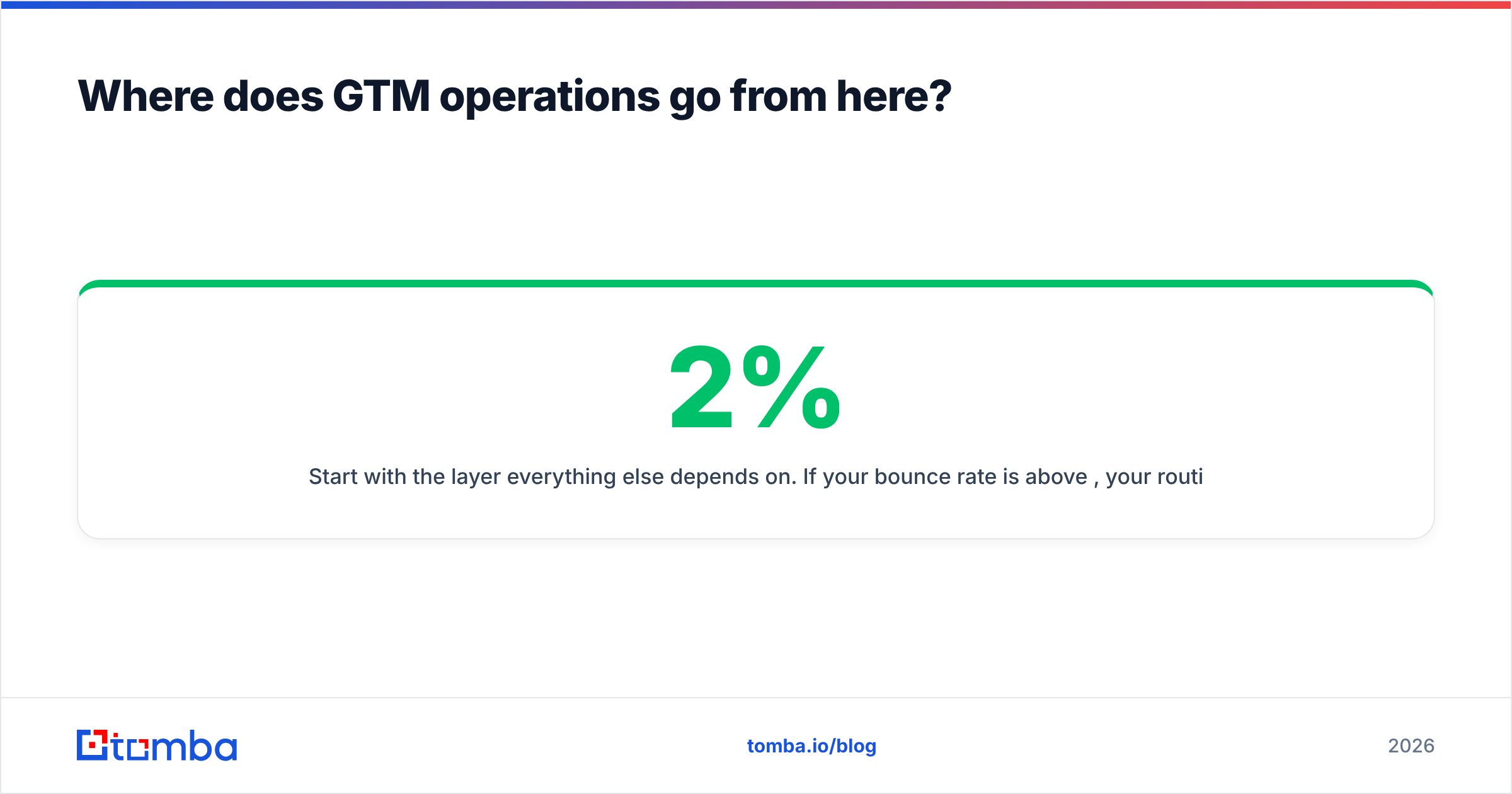
Start with the layer everything else depends on. If your bounce rate is above 2%, your routing is delayed, or your reps are hand-hunting addresses on LinkedIn, the data foundation is your bottleneck — not your sequencer. Tomba's Email Finder resolves verified business emails by name or domain, plugs into your CRM through the API, and starts free at 25 searches a month so you can benchmark accuracy against your current source before committing. Paid plans begin at $49/mo (Starter), $99/mo (Growth), and $249/mo (Pro) — see Tomba pricing for the full breakdown. Fix the foundation, and every layer above it starts telling the truth.
Related guides#
Ready to find emails that actually work?
Join 150,000+ professionals who stopped guessing and started sending. Free credits on signup — no credit card required.
Get the Tomba newsletter
Practical outbound tactics and product updates — once every two weeks.
About the author