9 Best IGLeads Alternatives in 2026 (Free and Paid Tools)
IGLeads scrapes emails from social profiles, but scraped lists bounce. Here are nine alternatives ranked by accuracy, real pricing, and the outreach they actually support.
TL;DR
- IGLeads is a browser-based scraper that pulls email addresses off social profiles (Instagram, TikTok, YouTube, X, Google Maps). It is a collection tool, not a verification tool.
- The single biggest reason people leave is bounce rate: scraped
gmail.comaddresses from bios are unverified, often personal, and frequently stale. - If your ICP is B2B (a company domain, a job title, a buying committee), a finder + verifier stack beats a social scraper on every metric that matters.
- If your ICP genuinely is creators or local businesses, the honest alternatives are PhantomBuster and Apify — not another B2B database.
- Cheapest workable B2B replacement in 2026: a $49/mo finder with built-in verification. Cheapest zero-commitment option: pay-as-you-go credits.
What does IGLeads actually do?#
IGLeads (igleads.io) is a hosted scraper. You paste a hashtag, a follower list, a Google Maps query, or a set of handles, and it returns a CSV of whatever contact data is publicly exposed on those profiles — usually the email address people put in their Instagram bio or their Maps listing.
That is a real job, and for some use cases it is the right job. If you sell to fitness coaches, restaurants, salons, or Shopify stores run by one person, the email in the bio is the decision-maker's email. No B2B database will ever have better coverage on a nail salon in Tulsa than the salon's own Instagram bio.
The problem is that most people buying a scraper are not selling to nail salons. They are selling B2B software, agency services, or recruiting, and they bought a scraper because it looked like the cheapest path to a lead list. That mismatch — not the tool itself — is what produces the 30-50% bounce rates people complain about on G2 and in cold email communities.
Why are people looking for IGLeads alternatives?#
Five patterns show up over and over when teams start shopping around:
- Bounce rates that wreck the sending domain. A bio email was typed by a human, sometimes years ago, sometimes as
hello@on a domain that has since lapsed. No SMTP check happens at scrape time, so you find out at send time — which is the worst possible moment for your sender reputation. - No firmographic filters. You cannot ask a scraper for "Series B SaaS companies, 50-200 employees, VP Marketing." You can only ask it for "people who used #saas." Those are wildly different lists.
- Personal inboxes, not work inboxes. Bio emails skew toward
gmail.com,outlook.com, and Linktree-style catch-alls. Personal inboxes have aggressive spam filtering and, in the EU/UK, a much shakier legal footing for cold outreach. - Platform fragility. Every scraper that touches Instagram or LinkedIn lives one anti-bot update away from broken. Teams that build a pipeline on scraping rebuild it every few months.
- No API or workflow depth. Scrapers export CSVs. Modern outbound wants an email finder API, CRM enrichment on record creation, and bulk jobs that run without a human clicking export.
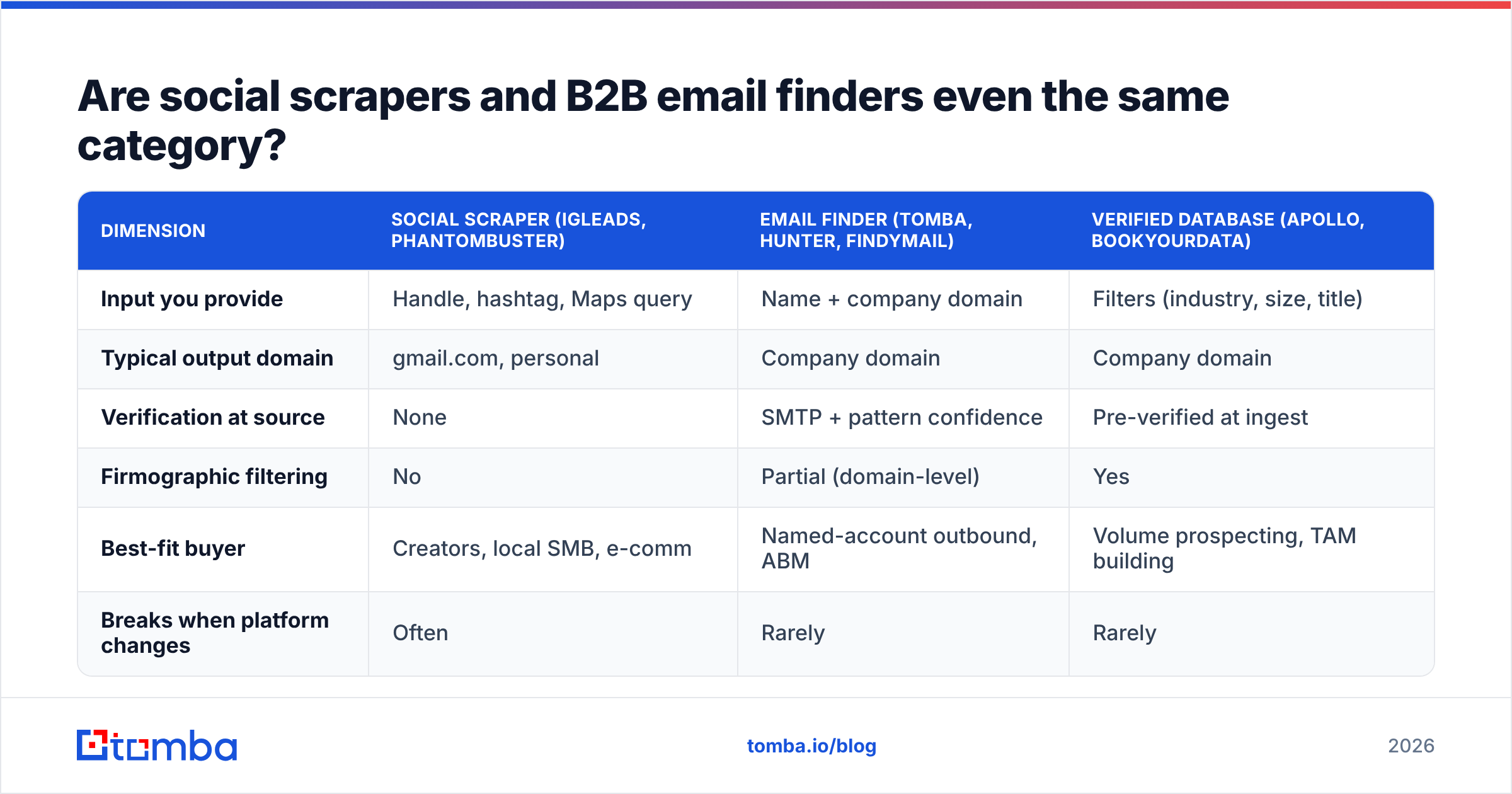
Are social scrapers and B2B email finders even the same category?#
No — and this is the decision that determines which alternative you should pick. Three distinct product types get lumped together:
| Dimension | Social scraper (IGLeads, PhantomBuster) | Email finder (Tomba, Hunter, Findymail) | Verified database (Apollo, BookYourData) |
|---|---|---|---|
| Input you provide | Handle, hashtag, Maps query | Name + company domain | Filters (industry, size, title) |
| Typical output domain | gmail.com, personal | Company domain | Company domain |
| Verification at source | None | SMTP + pattern confidence | Pre-verified at ingest |
| Firmographic filtering | No | Partial (domain-level) | Yes |
| Best-fit buyer | Creators, local SMB, e-comm | Named-account outbound, ABM | Volume prospecting, TAM building |
| Breaks when platform changes | Often | Rarely | Rarely |
If you picked IGLeads because you needed handles and bios, stay in column one. If you picked it because you needed leads and it was cheap, columns two and three are where you belong.
What are the 9 best IGLeads alternatives in 2026?#
1. Tomba — best all-round replacement for B2B outbound#
Tomba is an email finder with verification built into the same workflow rather than sold as a separate product. You give it a name and a domain (or just a domain, via domain search) and get back an address with a confidence score and the sources it was seen on. The email verifier runs syntax, MX, disposable, role-account, and SMTP checks, and there is a dedicated catch-all path for domains that accept everything.
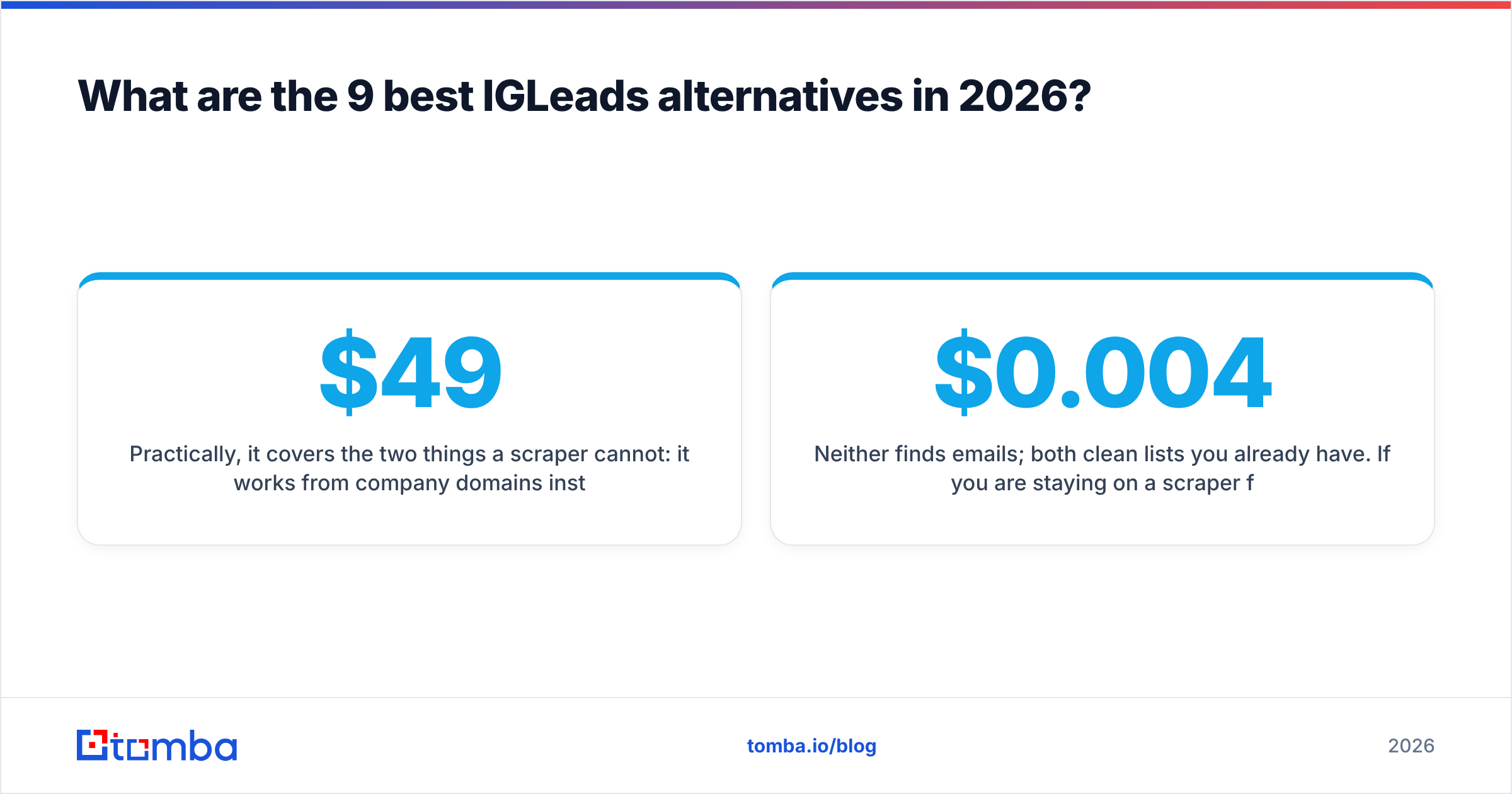
Practically, it covers the two things a scraper cannot: it works from company domains instead of social handles, and it tells you before you send whether the address is deliverable. Free tier is 25 searches/mo; paid starts at $49/mo.
Best for: teams doing named-account outbound who want find + verify in one place.
2. Hunter.io — the category default#
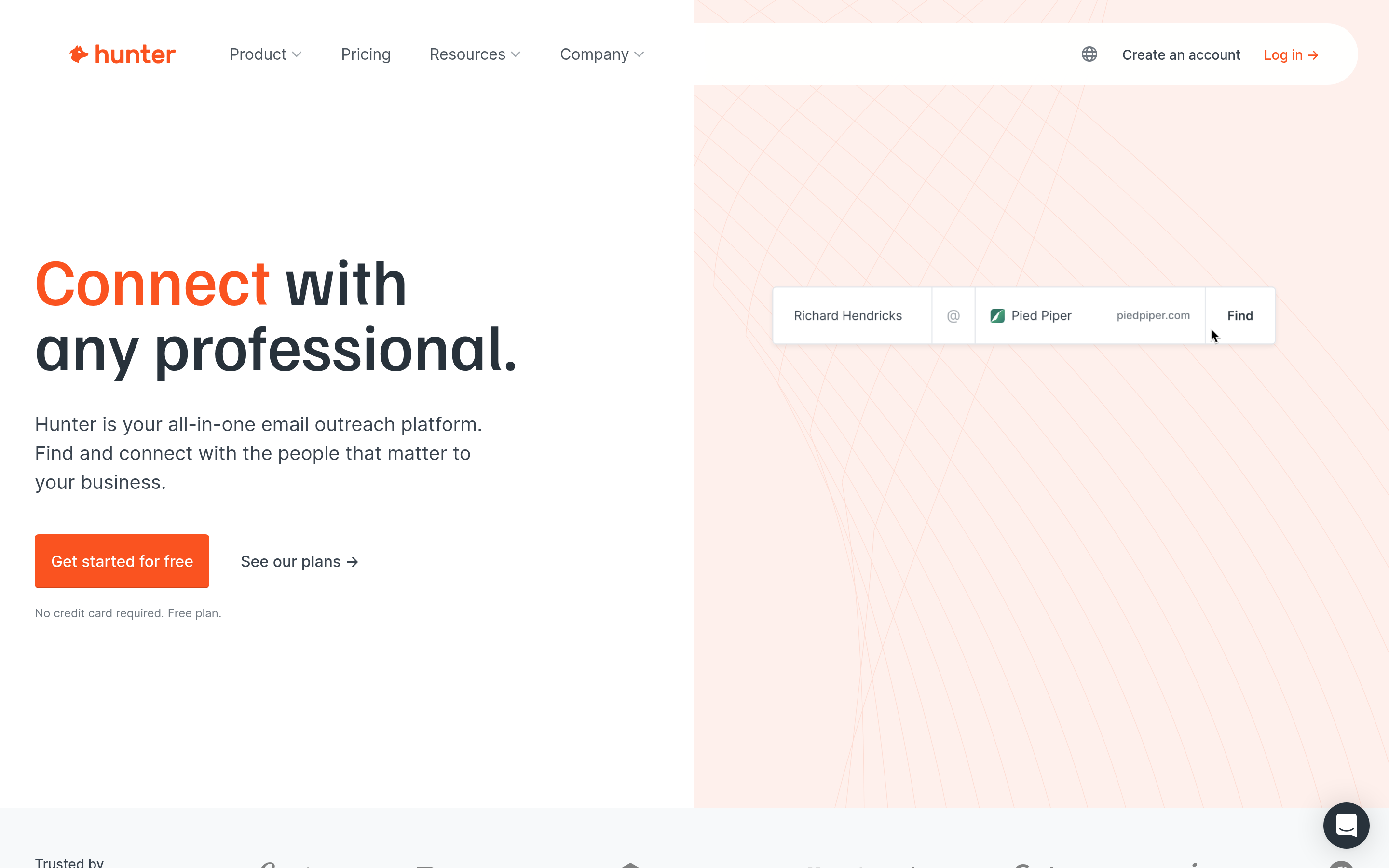
Hunter popularised domain search and remains the most recognisable name in the space. Strong browser extension, clean API, good Google Sheets add-on. Coverage is solid on North American and Western European tech companies, thinner elsewhere. Pricing scales quickly once you need volume, and verification credits are consumed separately from search credits. Worth checking hunter.io directly since their tiers change.
Best for: small teams who value brand familiarity and a mature extension.
3. Apollo.io — database plus sequencing in one seat#
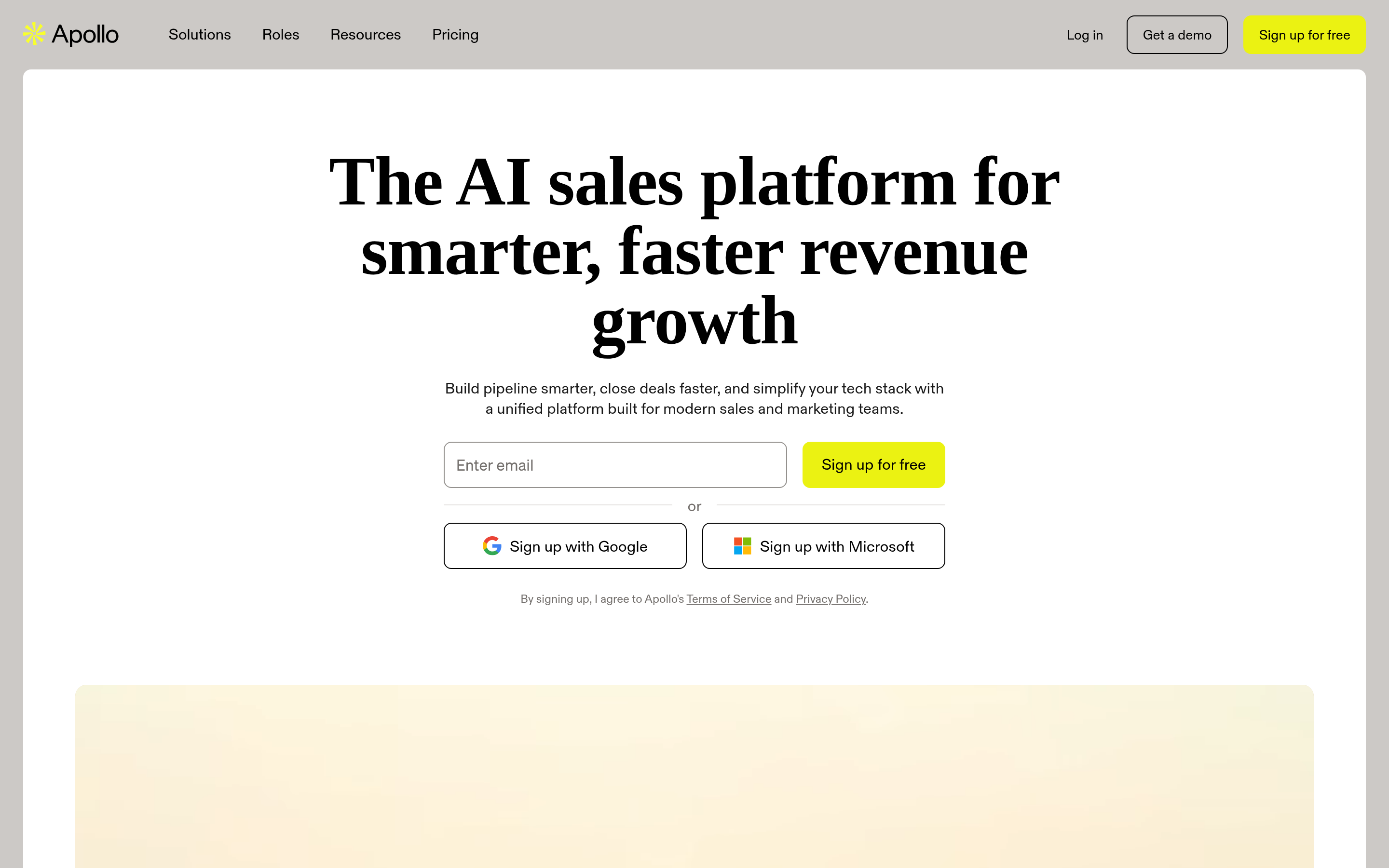
Apollo bundles a large contact database with sequences, dialer, and basic CRM. If you want to replace both your lead source and your sending tool, it is the most consolidated option. The trade-offs are data freshness on smaller companies and a UI that has grown dense. Many teams pair Apollo for discovery with a separate verifier before sending. If you are comparing on price and accuracy, the Apollo alternative breakdown covers the differences in detail.
Best for: SDR teams that want one platform end to end.
4. BookYourData — pay-as-you-go verified lists#
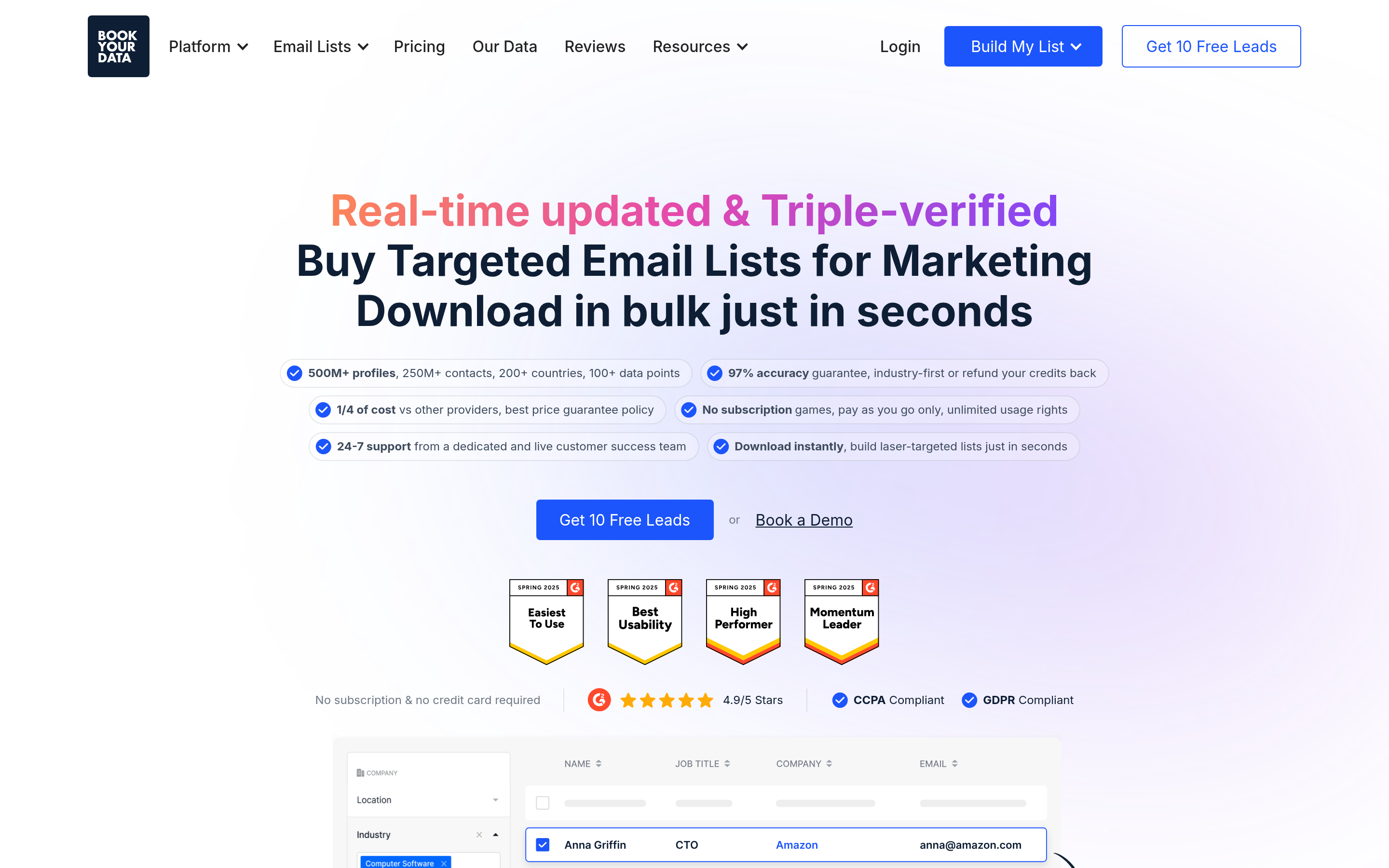
BookYourData sells verified B2B contact lists on a credit model with no subscription lock-in, backed by an accuracy guarantee and a bounce-credit policy. If your need is episodic — a campaign a quarter, a conference list, a new-market test — buying 5,000 verified records outright is often cheaper and simpler than carrying a monthly seat. Filtering is genuinely granular (industry, title, geography, tech stack), which is exactly what a scraper cannot give you. See bookyourdata.com for current credit pricing.
Best for: buyers who want a clean, filtered list without a recurring contract.
5. Findymail — cold-email-first finder#
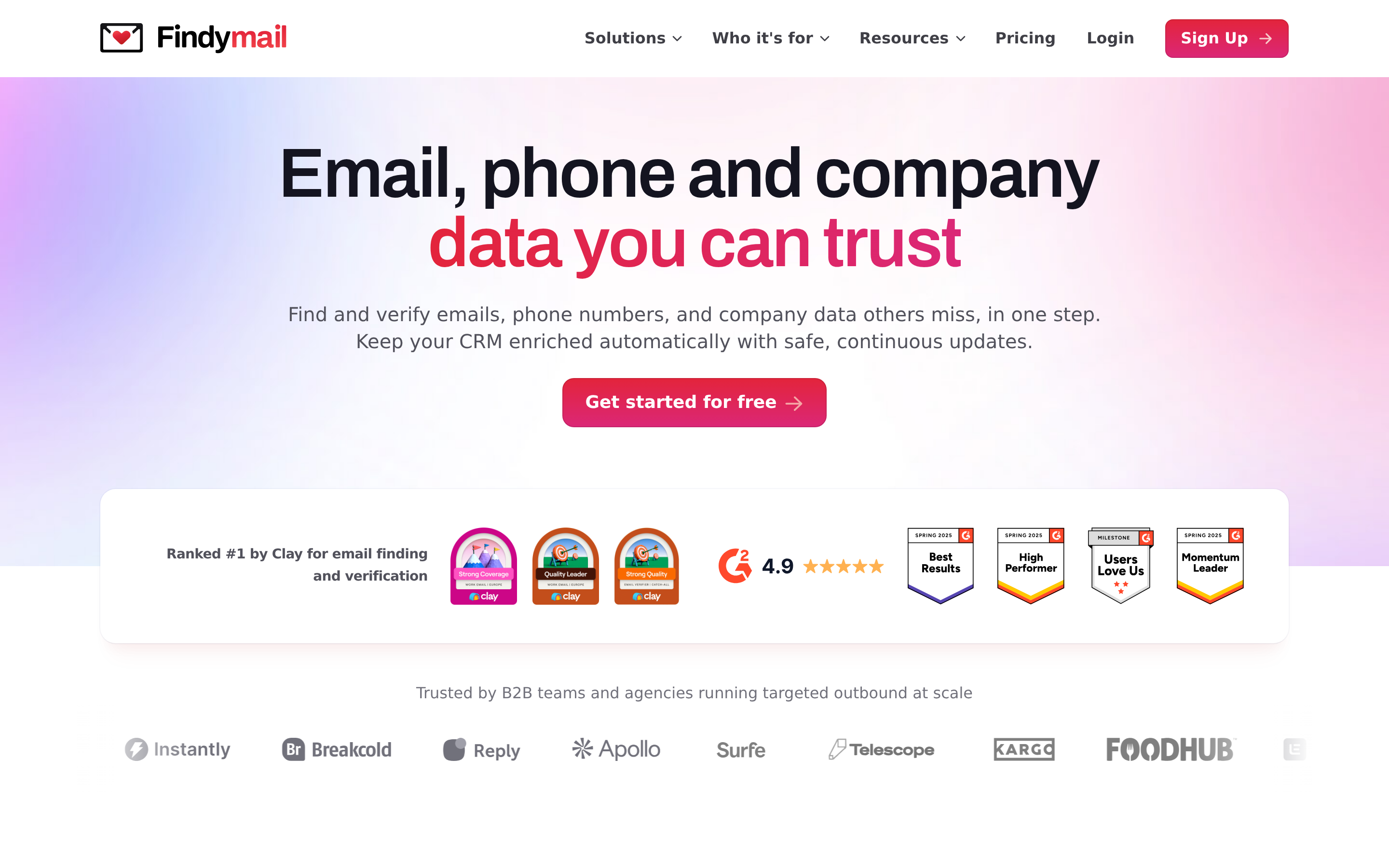
Findymail is built for people who send a lot of cold email, with a hard focus on not returning addresses that bounce. Tight integrations with popular sequencers and LinkedIn workflows. Narrower feature set than a full platform, which some teams see as a feature.
Best for: agencies running high-volume campaigns where bounce rate is the KPI.
6. PhantomBuster — the true like-for-like scraper#
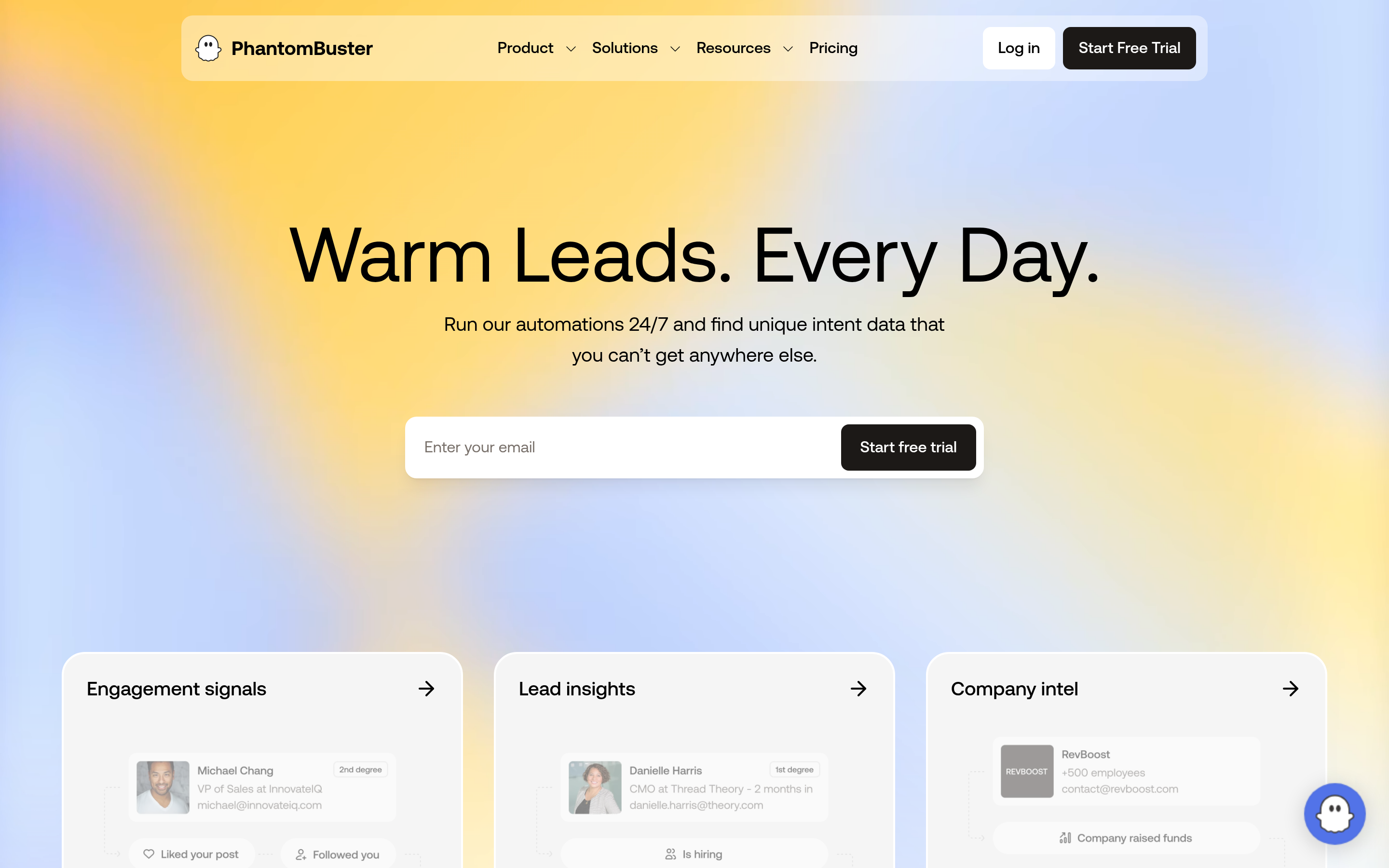
If you actually want what IGLeads does — automation against social platforms — PhantomBuster is the more flexible version of it. Hundreds of "phantoms" for LinkedIn, Instagram, X, Sales Navigator, and Maps, chained into workflows. You supply your own session cookies and accept the associated account risk.
Best for: creator outreach, influencer sourcing, local SMB prospecting.
7. Apify — scraping as infrastructure#
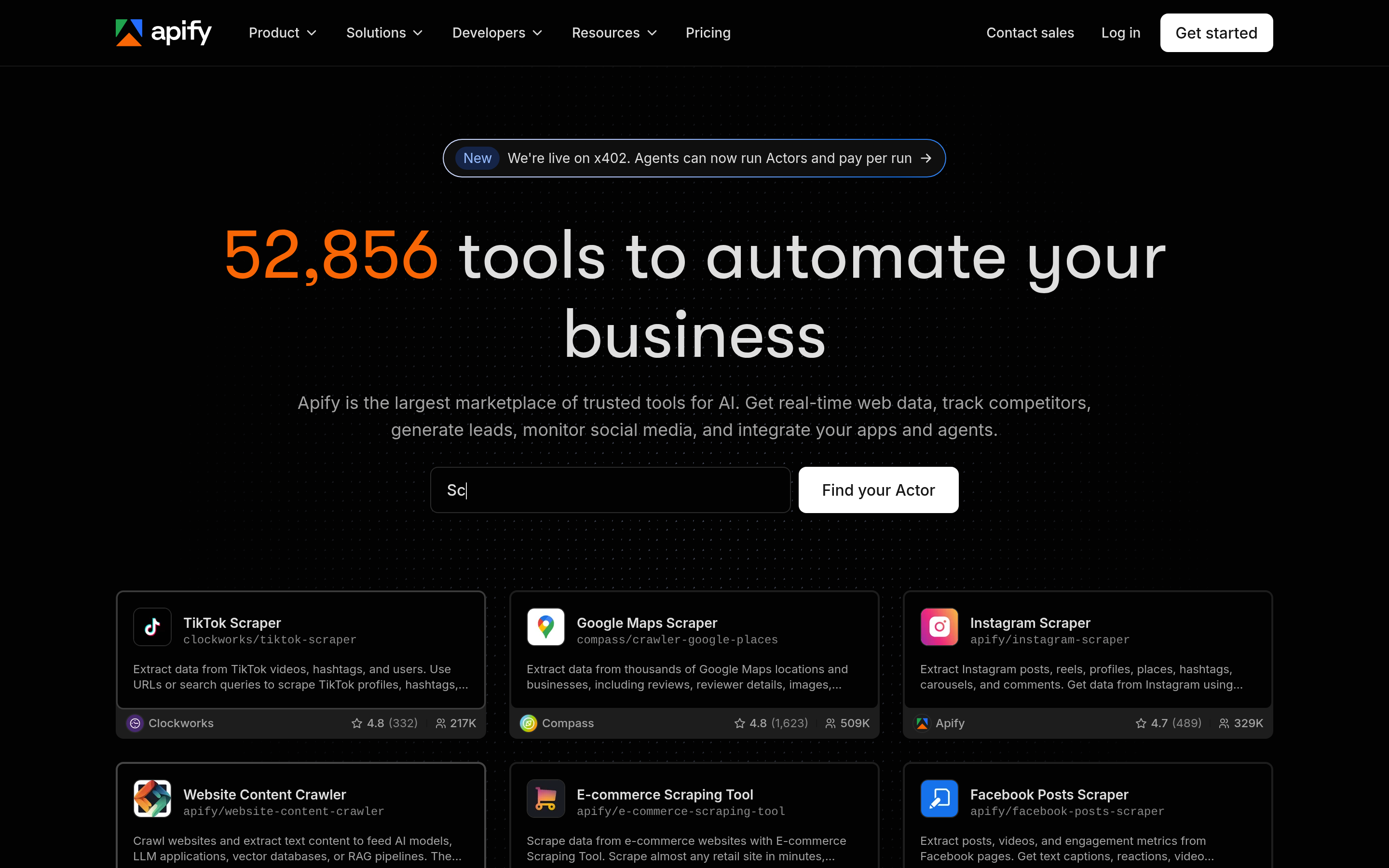
Apify is a marketplace of maintained scrapers plus a platform to run them on a schedule. More technical than IGLeads, far more durable, and priced by compute rather than seats. If someone on your team can write or configure a JavaScript actor, this is the ceiling for scraped data.
Best for: technical teams building a repeatable data pipeline.
8. Wiza — LinkedIn list exports#
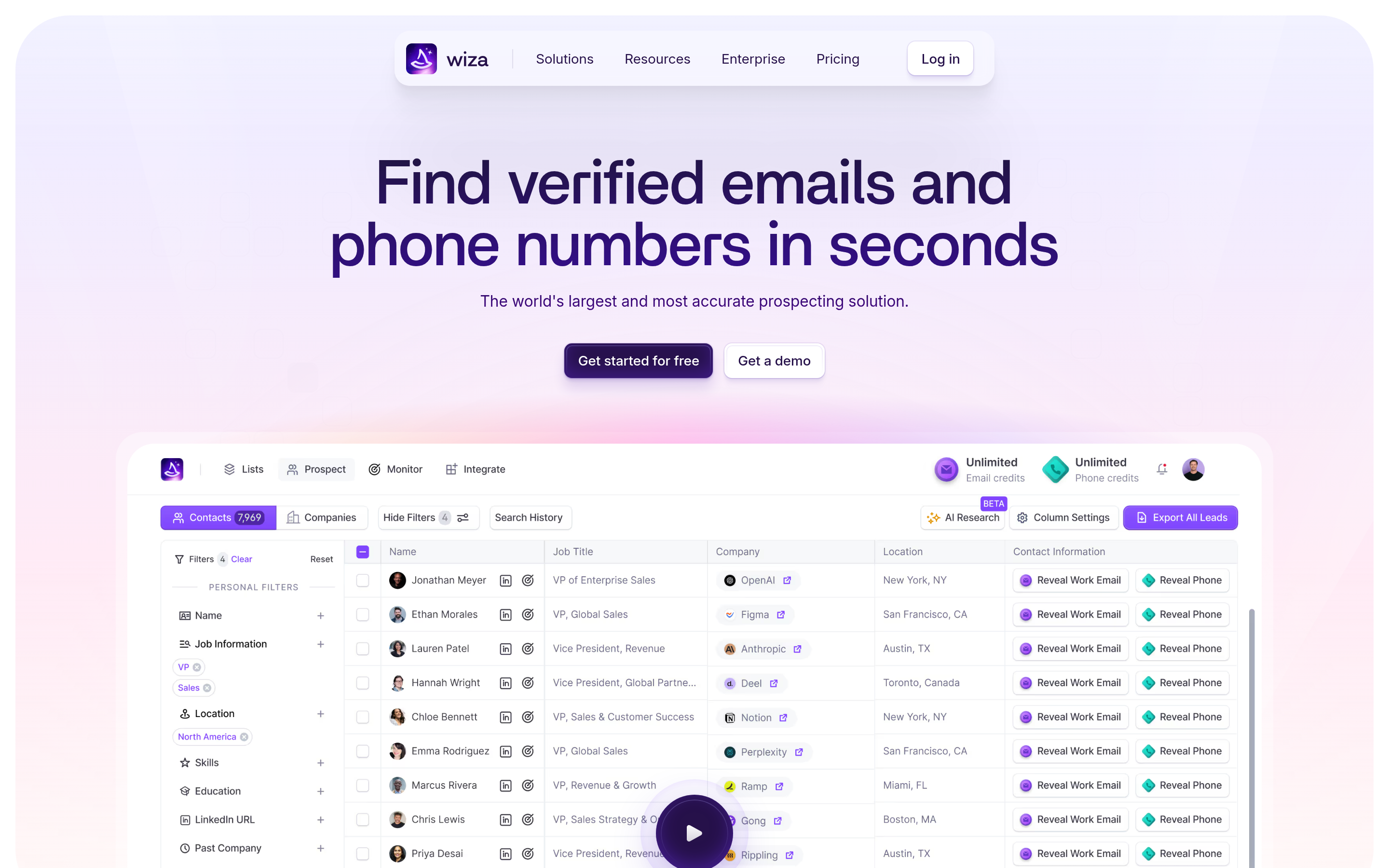
Wiza turns Sales Navigator searches into exportable contact lists with verified work emails. If your entire prospecting motion lives inside LinkedIn, this removes the copy-paste step. Requires a Sales Navigator seat to be useful. The Wiza alternative comparison covers the credit math.
Best for: LinkedIn-native sellers and recruiters.
9. Clearout / ZeroBounce — verification layer only#
Neither finds emails; both clean lists you already have. If you are staying on a scraper for coverage reasons, bolting a verifier on top is the single highest-ROI change you can make. Expect to pay roughly $0.004-$0.008 per verification depending on volume.
Best for: teams keeping their current source but stopping the bleeding on bounces.
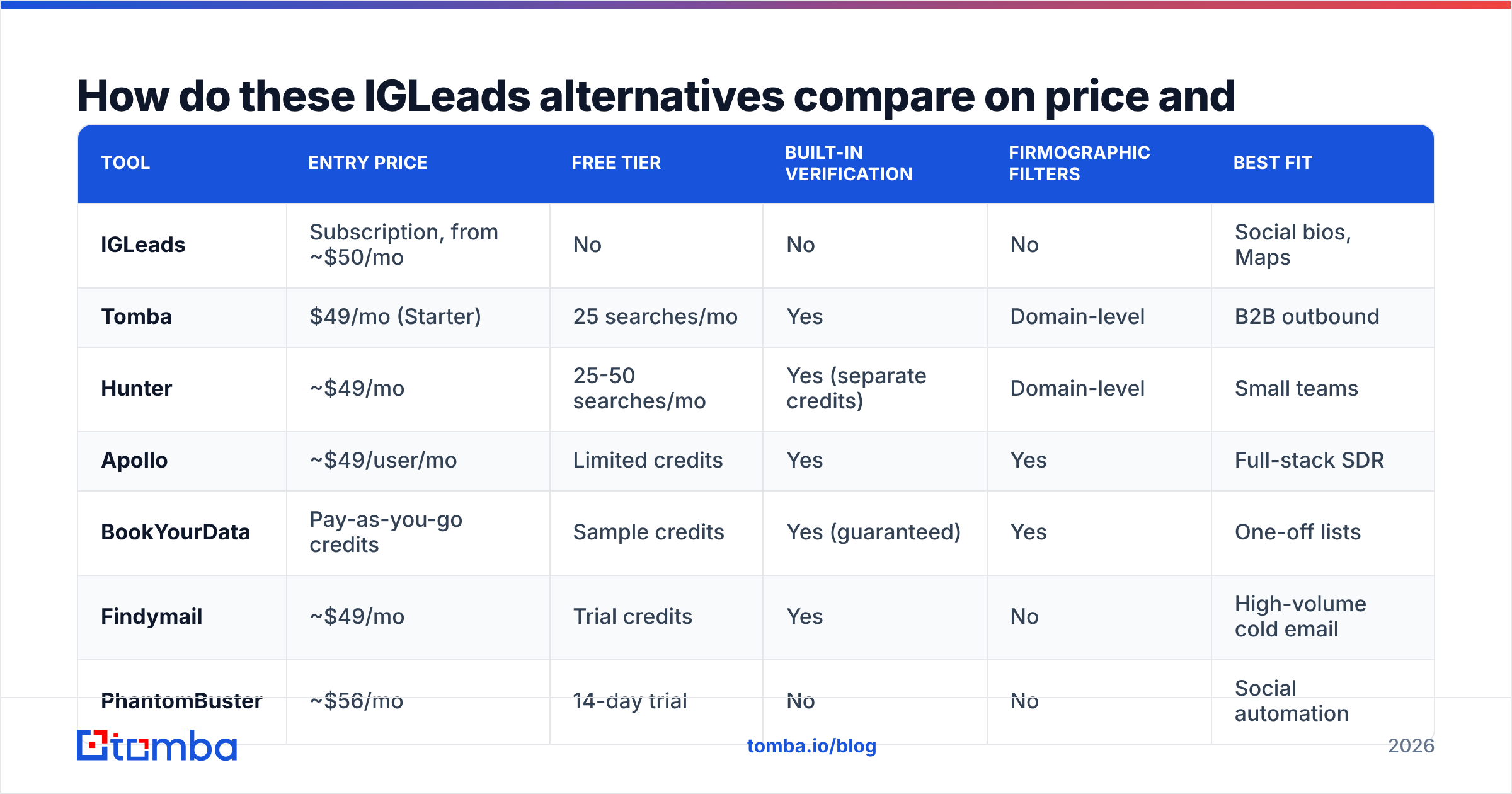
How do these IGLeads alternatives compare on price and accuracy?#

| Tool | Entry price | Free tier | Built-in verification | Firmographic filters | Best fit |
|---|---|---|---|---|---|
| IGLeads | Subscription, from ~$50/mo | No | No | No | Social bios, Maps |
| Tomba | $49/mo (Starter) | 25 searches/mo | Yes | Domain-level | B2B outbound |
| Hunter | ~$49/mo | 25-50 searches/mo | Yes (separate credits) | Domain-level | Small teams |
| Apollo | ~$49/user/mo | Limited credits | Yes | Yes | Full-stack SDR |
| BookYourData | Pay-as-you-go credits | Sample credits | Yes (guaranteed) | Yes | One-off lists |
| Findymail | ~$49/mo | Trial credits | Yes | No | High-volume cold email |
| PhantomBuster | ~$56/mo | 14-day trial | No | No | Social automation |
| Apify | Usage-based, free tier | $5 monthly credit | No | No | Engineering teams |
| Clearout | Pay-as-you-go | 100 credits | Verification only | No | List cleaning |
Prices are the publicly listed entry tiers as of early 2026 and change often — check the vendor page before you commit. Tomba's own tiers are Free (25 searches/mo), Starter $49/mo, Growth $99/mo, Pro $249/mo, with custom Enterprise; full detail on the Tomba pricing page.
Which one is actually the most accurate?#
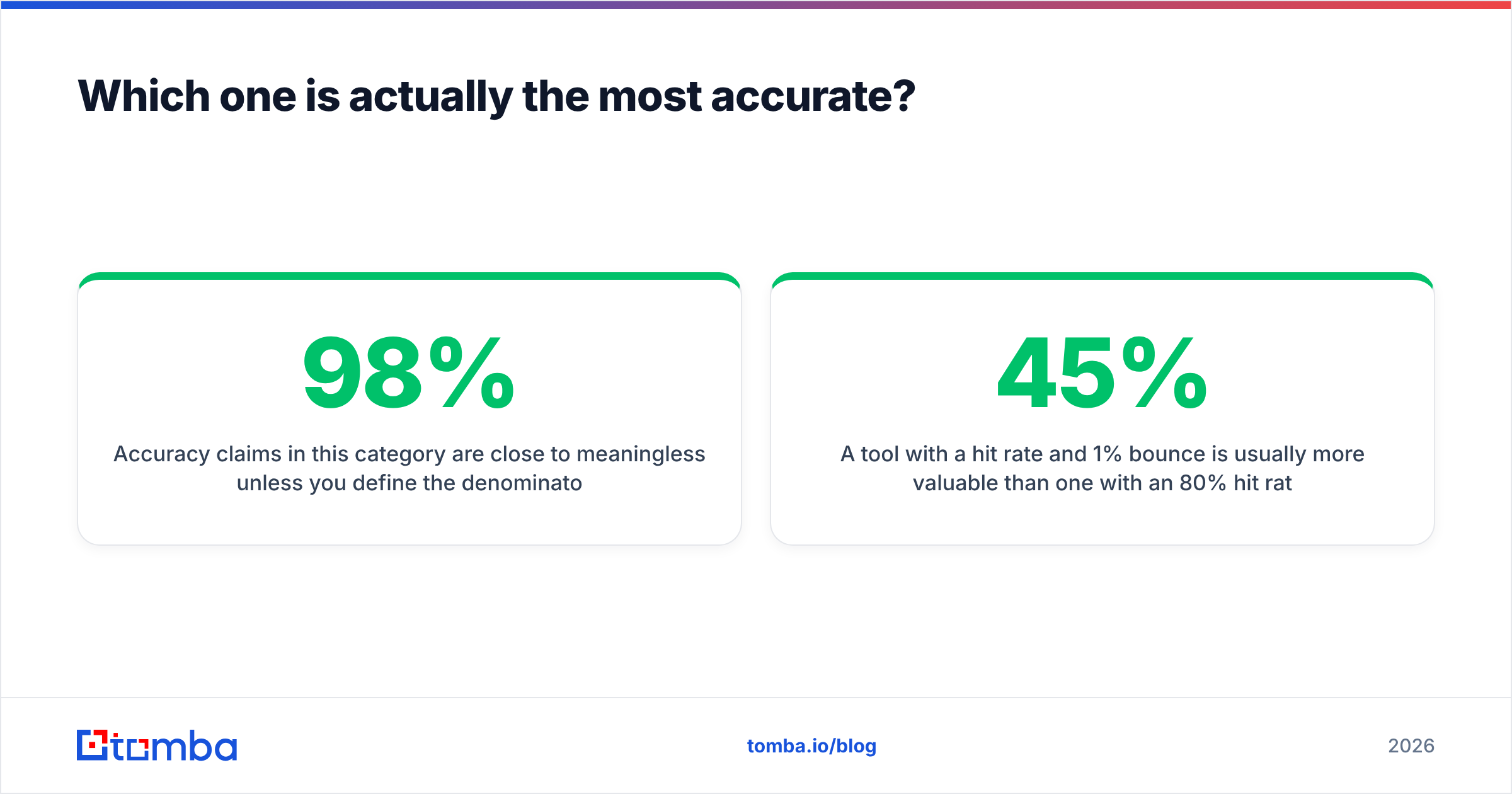
Accuracy claims in this category are close to meaningless unless you define the denominator. "98% accurate" usually means "of the emails we returned, 98% passed our own verifier" — it says nothing about the 60% of your list where the tool returned nothing at all. Two numbers matter:
- Hit rate: what percentage of your input rows produced any address.
- Bounce rate: what percentage of returned addresses failed on send.
A tool with a 45% hit rate and 1% bounce is usually more valuable than one with an 80% hit rate and 12% bounce, because the second one costs you domain reputation that takes weeks to rebuild.

Run your own test before you buy anything. Take 100 rows where you already know the correct address — past customers, inbound demo requests, your own team — and push them through each vendor's trial. Score hit rate and correctness yourself. It takes an afternoon and it beats every vendor benchmark, including this one.

How do you migrate off a scraper without burning your domain?#
Switching sources is the easy part. Not torching your deliverability in the process takes a little discipline:
- Quarantine the old list. Do not merge scraped rows into your clean CRM data. Keep them in a separate table until they have been through a verifier.
- Verify everything, including what you keep. Run the whole scraped file through bulk verify. Drop hard-invalids, quarantine catch-alls, and treat role accounts (
info@,contact@) as low-priority. - Re-warm before you scale. If you have been sending to a dirty list, your domain has already taken damage. Drop volume, send to engaged contacts only, and rebuild over 2-4 weeks.
- Match source to segment. Keep a scraper for the creator/local segment where bios genuinely are the best data. Use a finder or a verified database for everything with a company domain.
- Instrument the handoff. Track bounce rate by data source in your CRM. Within one quarter you will know exactly which vendor deserves the budget, and the argument stops being a matter of opinion.
Most teams find the answer is not "one tool." It is a scraper for the long tail, a finder for named accounts, and a verifier standing in front of the sending tool no matter where the data came from.
Which alternative should you choose?#
- You sell B2B software or services to companies with real domains → Tomba or Hunter, with Apollo if you also want sequencing in the same seat.
- You need a filtered list once a quarter, not a subscription → BookYourData's credit model.
- You genuinely need Instagram, TikTok, or Maps data → PhantomBuster (no-code) or Apify (technical).
- Your prospecting lives inside Sales Navigator → Wiza.
- You are staying put but the bounces hurt → add Clearout or ZeroBounce and stop there.
The wrong move is picking a replacement that repeats the original mistake: buying on price per row instead of cost per meeting. A list that is half the price and bounces four times as often is not cheaper.
If your outreach targets people at companies rather than people with follower counts, start with the Tomba Email Finder. The free tier gives you 25 searches a month with no card, which is enough to run the 100-row accuracy test above against whatever you are using today. Verification is included in the same workflow, so you find the address and confirm it is deliverable in one step — which is precisely the step a scraper leaves out.
Related guides#
// get started
Find, verify and enrich your first contacts today
Start on the free plan with 25 searches a month, then scale when your team is ready.
Free plan · No credit card required · GDPR & CCPA
// about the author