Exellius Alternatives: 9 Better B2B Data Tools for 2026
Exellius sells done-for-you B2B lists and outbound services. If you would rather own the data, run your own verification, and pay per seat instead of per project, these nine alternatives cover every budget.
TL;DR
- Exellius sits in the "done-for-you" corner of B2B data: custom-built contact lists, list-building services, and outbound support rather than a self-serve database you query yourself.
- Most teams start hunting for Exellius alternatives for one of three reasons: quote-based pricing with no public tiers, slow turnaround on list requests, and no API to plug data into their own stack.
- If you want per-seat, self-serve tooling, look at Tomba, Apollo, Cognism, ZoomInfo, Lusha, UpLead, RocketReach, or Clay. If you genuinely want someone else to build the list, BookYourData is the closest like-for-like option.
- Budget reality check: a solid self-serve stack for a 3-rep team runs $50–$300/month. Enterprise databases like ZoomInfo and Cognism typically start in the five figures annually.
- Whatever you pick, verify before you send. Vendor-claimed accuracy and your actual bounce rate are two different numbers.
What is Exellius and who actually uses it?#
Exellius Systems positions itself as a B2B lead generation and data services company rather than a pure software product. The core offer is human-assisted: you describe an ideal customer profile, they research and assemble a contact list, and you get a file back. Some engagements extend into appointment setting and outbound campaign support.
That model has a real audience. If you are a two-person founding team with no SDR, no RevOps hire, and no appetite to learn a data tool, paying someone to hand you 2,000 researched contacts is a rational trade. Manual research also handles weird ICPs that databases cover badly — regional manufacturers, family-owned distributors, niche public-sector buyers.
The tradeoffs show up later:
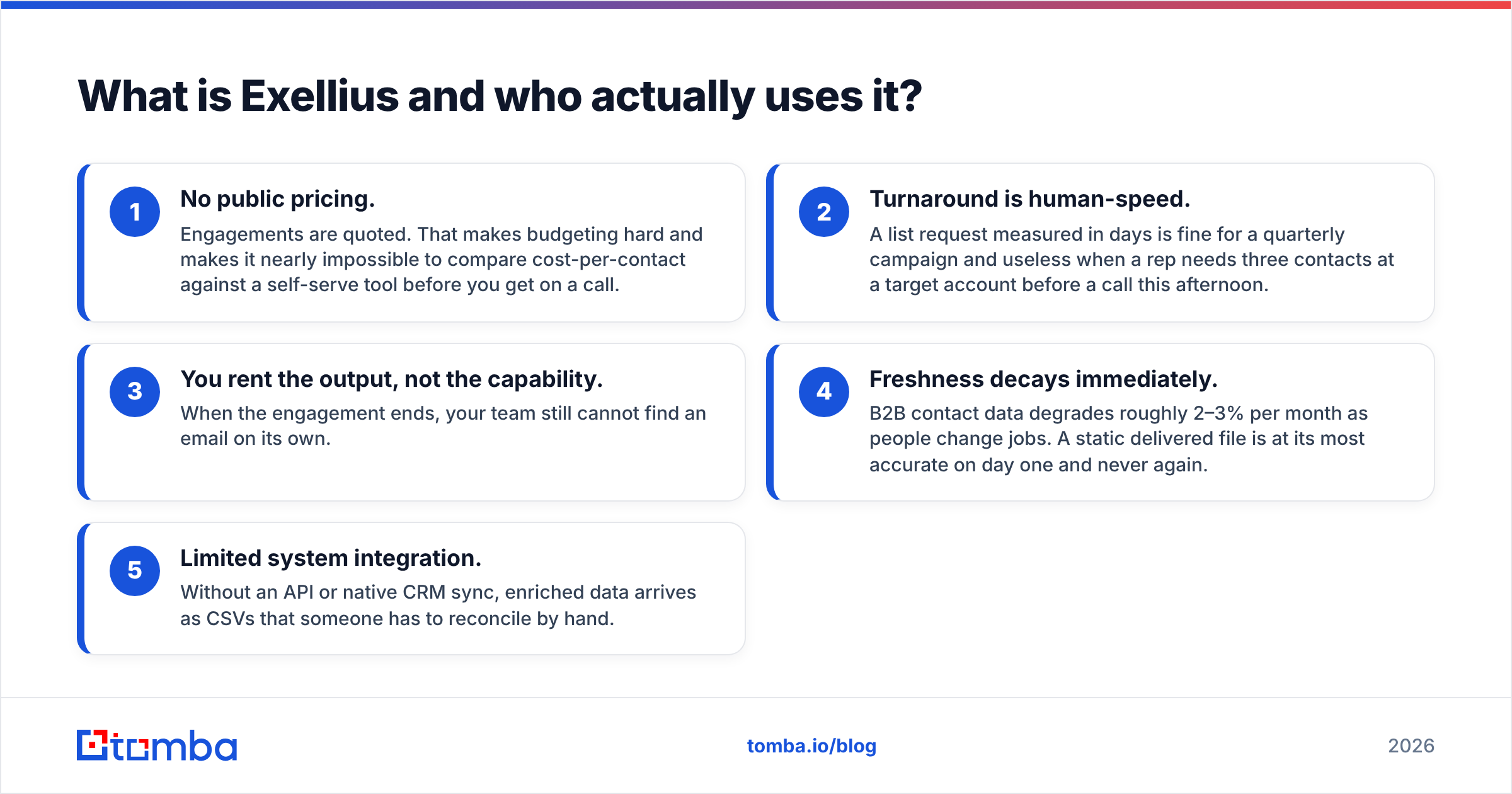
- No public pricing. Engagements are quoted. That makes budgeting hard and makes it nearly impossible to compare cost-per-contact against a self-serve tool before you get on a call.
- Turnaround is human-speed. A list request measured in days is fine for a quarterly campaign and useless when a rep needs three contacts at a target account before a call this afternoon.
- You rent the output, not the capability. When the engagement ends, your team still cannot find an email on its own.
- Freshness decays immediately. B2B contact data degrades roughly 2–3% per month as people change jobs. A static delivered file is at its most accurate on day one and never again.
- Limited system integration. Without an API or native CRM sync, enriched data arrives as CSVs that someone has to reconcile by hand.
None of that makes managed list building wrong. It makes it a specific tool for a specific job — and the wrong tool if you want repeatable, on-demand prospecting.

Why do teams switch away from managed list building?#
The switching trigger is almost always volume plus urgency. A team sending 500 emails a month can live with quarterly list deliveries. A team sending 5,000 needs contacts on demand, deduplicated against the CRM, verified before send, and refreshed continuously.
The second trigger is deliverability. Google and Microsoft tightened bulk-sender requirements in 2024, and the practical effect is that a 5% bounce rate now costs you far more than it did — throttling, spam placement, and domain reputation damage that takes weeks to repair. Static purchased lists bounce more than freshly verified data, full stop. That is why an email verifier belongs in the workflow regardless of where the contacts came from.
The third trigger is compliance. If you sell into the EU or UK, you need to know the lawful basis and the source of every record. "A vendor researched it" is a weaker answer at audit time than a documented, sourced enrichment trail. Tomba publishes its data sources for exactly this reason.

How should you evaluate an Exellius alternative?#
Score every candidate on the same six dimensions before you look at price:
- Coverage in your ICP, not globally. A database with 700M contacts is irrelevant if it holds 200 records in Nordic logistics. Always test against 25 real target accounts, not a demo list.
- Verification depth. Ask whether the vendor does SMTP validation, how it handles catch-all domains, and whether verification runs at query time or was cached months ago. Catch-alls are where most "verified" lists quietly fail — a catch-all verifier is the difference between a guess and a decision.
- Credit mechanics. Do credits roll over? Does a failed lookup burn one? Does export cost extra on top of search? These details swing effective cost by 2–3x.
- API and integration surface. If your motion is programmatic, an email finder API matters more than the UI. If it is rep-driven, a Chrome extension and CRM sync matter more.
- Contract shape. Monthly self-serve vs annual commitment with a platform fee. Enterprise vendors rarely sell month-to-month.
- Data recency policy. Ask how often records are re-validated. "Continuously" should come with a mechanism, not a marketing line.
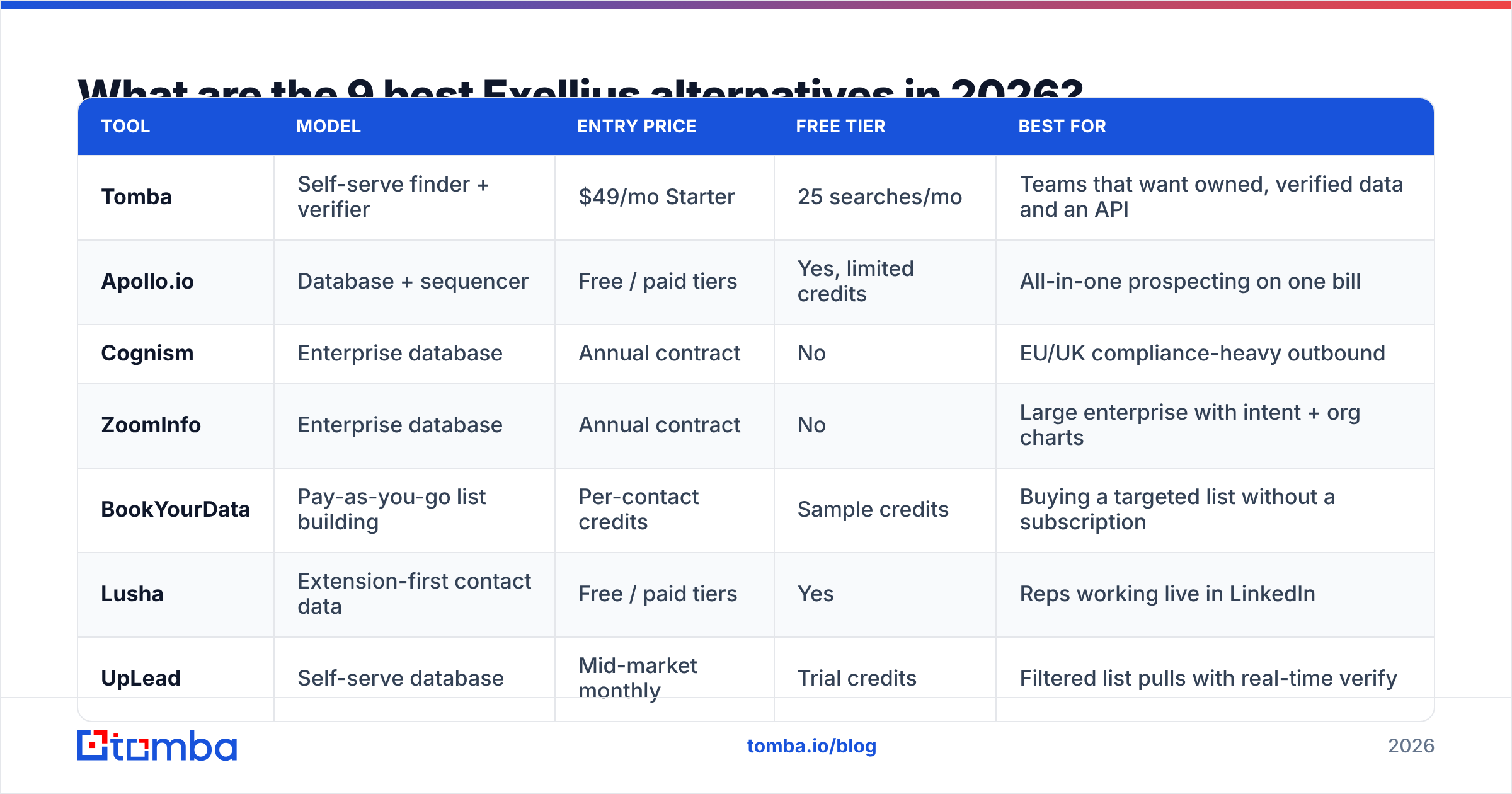
What are the 9 best Exellius alternatives in 2026?#
| Tool | Model | Entry price | Free tier | Best for |
|---|---|---|---|---|
| Tomba | Self-serve finder + verifier | $49/mo Starter | 25 searches/mo | Teams that want owned, verified data and an API |
| Apollo.io | Database + sequencer | Free / paid tiers | Yes, limited credits | All-in-one prospecting on one bill |
| Cognism | Enterprise database | Annual contract | No | EU/UK compliance-heavy outbound |
| ZoomInfo | Enterprise database | Annual contract | No | Large enterprise with intent + org charts |
| BookYourData | Pay-as-you-go list building | Per-contact credits | Sample credits | Buying a targeted list without a subscription |
| Lusha | Extension-first contact data | Free / paid tiers | Yes | Reps working live in LinkedIn |
| UpLead | Self-serve database | Mid-market monthly | Trial credits | Filtered list pulls with real-time verify |
| RocketReach | Lookup-heavy search | Monthly tiers | Trial | Recruiters and one-off contact lookups |
| Clay | Orchestration + waterfall enrichment | Monthly, credit-based | Limited free | RevOps teams chaining multiple data sources |

Tomba — best for owned, verified data at a predictable price#
Tomba is a self-serve email finder with verification built into the same platform. You run a domain search to pull every published address at a company, find a specific person by name and domain, then verify before export. Pricing is public: Free (25 searches/month), Starter $49/mo, Growth $99/mo, Pro $249/mo, Enterprise custom — see Tomba pricing for current credit allocations.
Where it beats a managed list service: turnaround is instant, the API and CLI let you wire lookups into your own pipeline, and the bulk email finder handles CSV enrichment without a project scope. Where a managed service still wins: Tomba finds professional email addresses, it does not research the account list for you or write your sequences.
Pick it if you want to build the capability in-house and keep cost per verified contact in the cents, not the dollars.
Apollo.io — best all-in-one if you want data and sending on one bill#
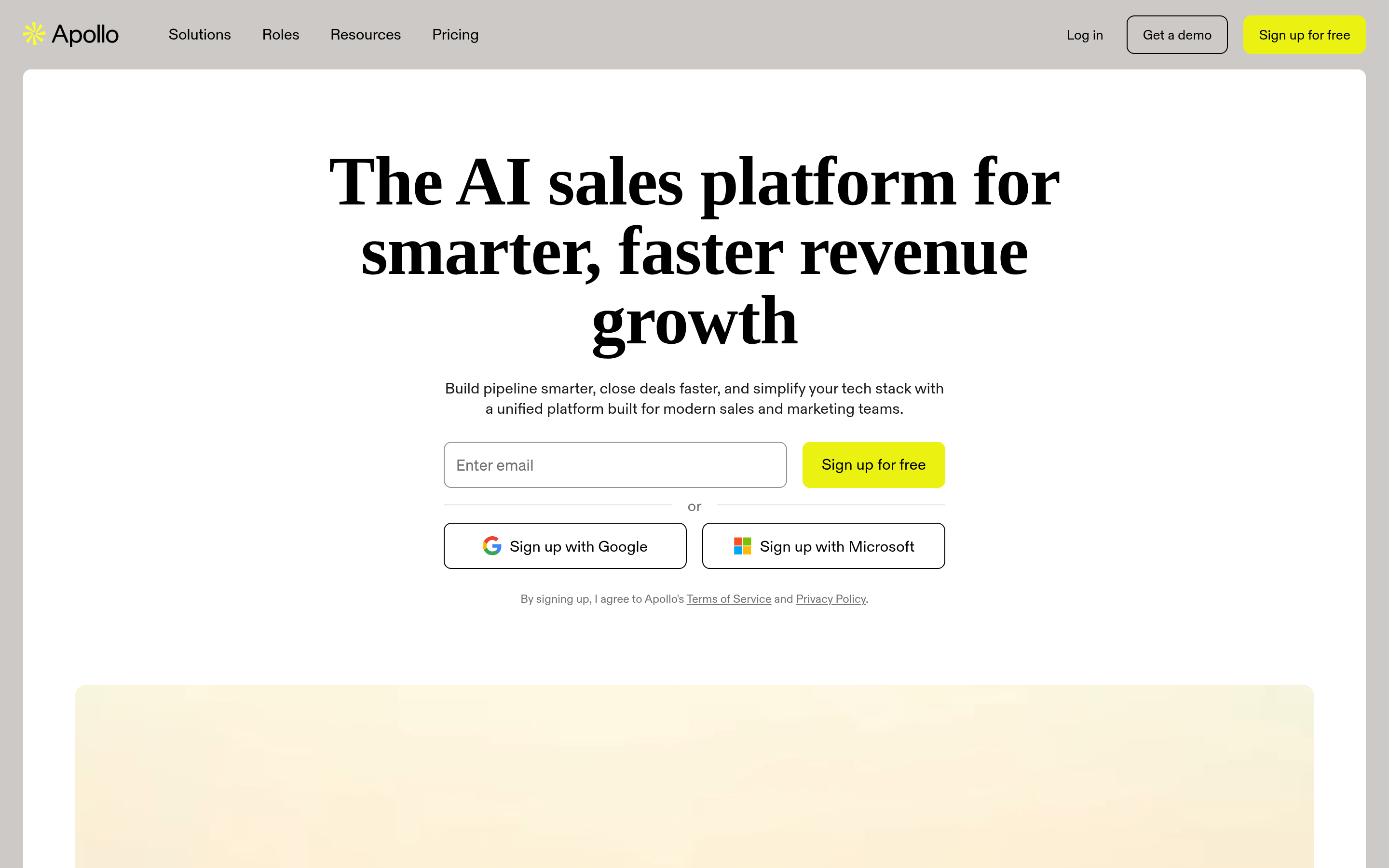
Apollo bundles a large contact database with sequencing, dialing, and basic CRM features. For a small team that has neither data nor an outbound tool, that consolidation is genuinely valuable. Published plans and credit limits are on the Apollo pricing page.
The honest caveat is accuracy variance by segment — Apollo is strong in North American SaaS and thinner in European mid-market and non-tech verticals. Many teams run Apollo for sequencing and a dedicated finder for email accuracy. That combination is common enough that we wrote a full Apollo alternative breakdown.
Cognism — best for EU/UK compliance-first outbound#
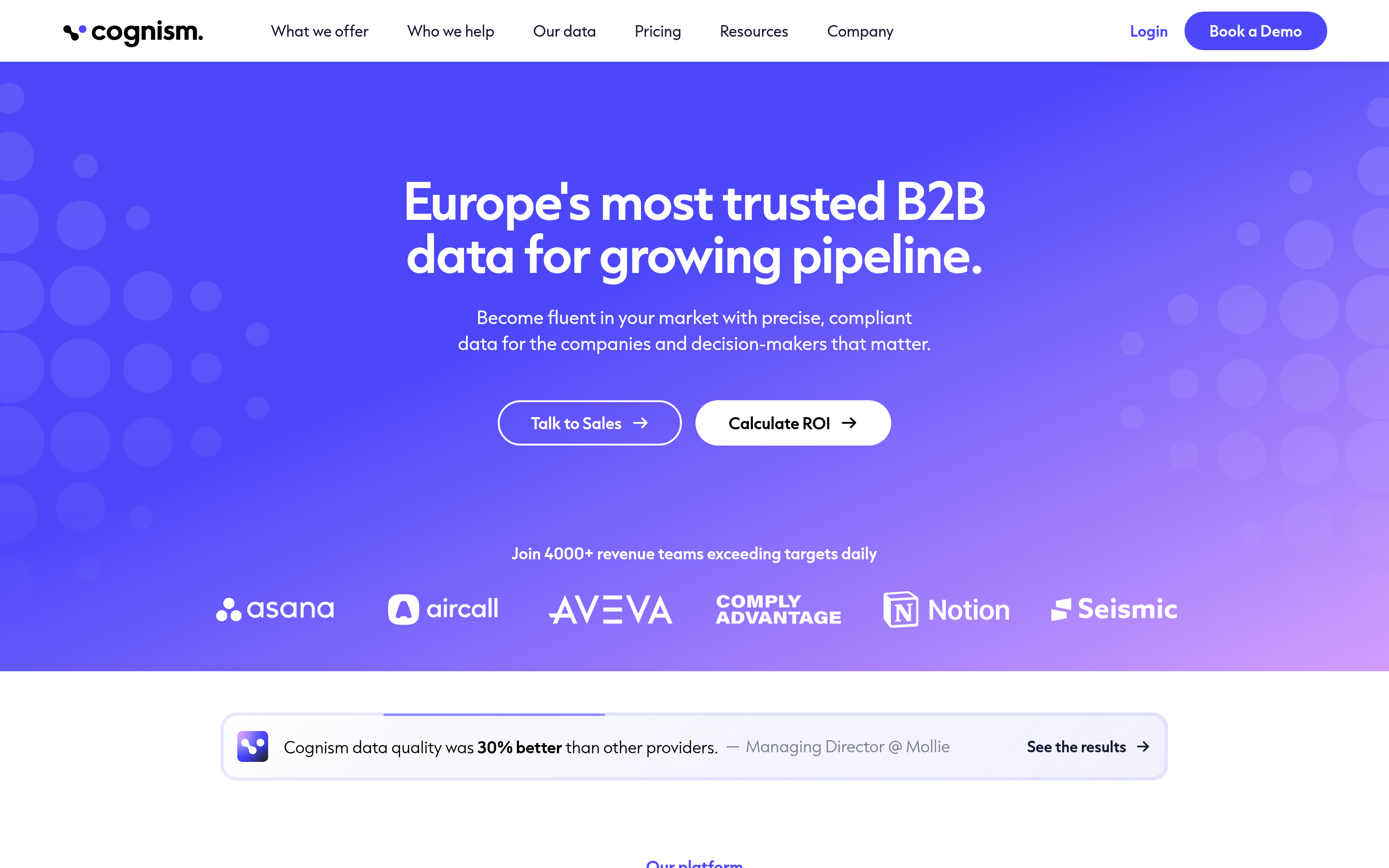
Cognism's differentiator is phone-verified mobile numbers and a compliance posture built for GDPR jurisdictions, including notification against DNC lists in several countries. It is an annual, contracted product with a sales-led motion; expect enterprise-tier budgets. If your legal team asks hard questions about lawful basis, this is the category answer.
ZoomInfo — best for large enterprise with intent data needs#

ZoomInfo remains the deepest firmographic dataset, with org charts, technographics, and intent signals layered on. It is also the most expensive option here and the least flexible contractually. It makes sense above roughly 20 sellers where the intent and hierarchy data drives territory planning, not just email discovery. Below that headcount, you are paying for capability you will not use.
BookYourData — best like-for-like if you actually want a built list#
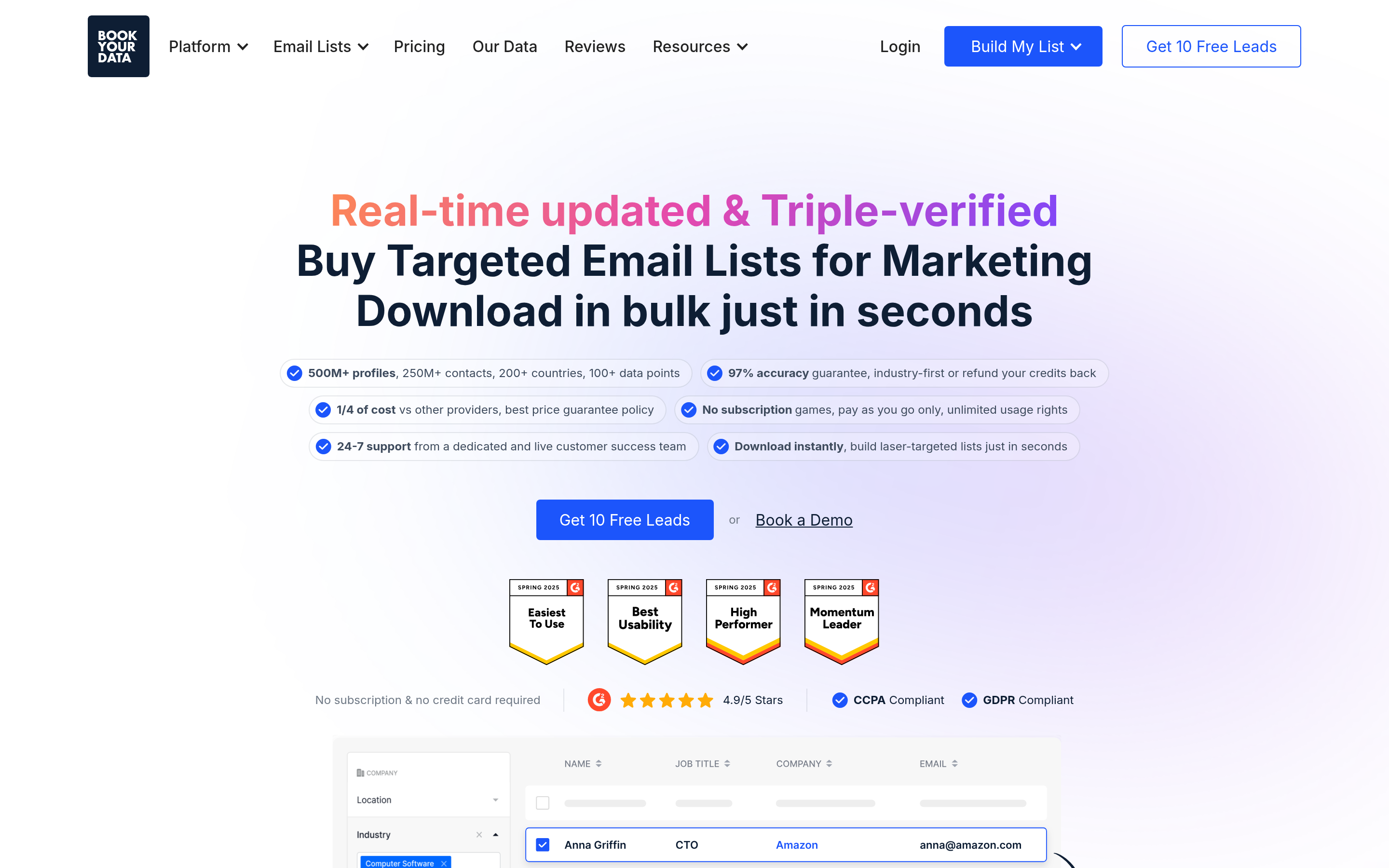
If what you liked about Exellius was "someone hands me a targeted list," BookYourData is the closest replacement without the project-quote friction. It sells targeted B2B contacts on a pay-as-you-go credit basis with filtering by industry, title, geography, and company size, plus an accuracy guarantee on delivered records. There is no monthly subscription to maintain, which suits campaign-driven teams that buy twice a year rather than prospect daily.
It solves a different problem than a finder API does — you are buying an outcome, not a workflow — and it is a reasonable pick when your team has no one to own a tool.
Lusha — best for reps living inside LinkedIn#
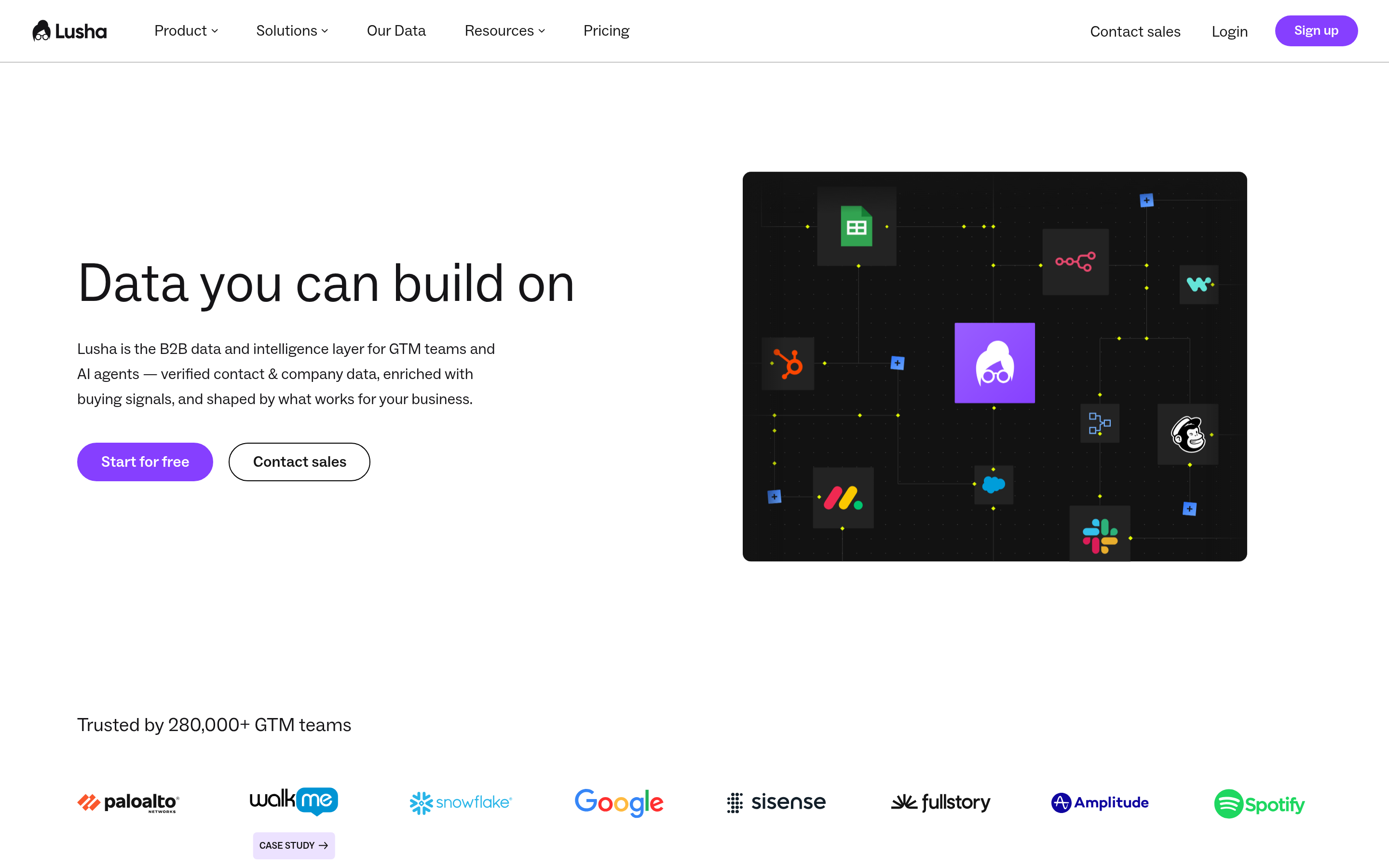
Lusha's strength is the browser extension: reveal contact details on a LinkedIn profile without leaving the tab. Reps adopt it fast because there is nothing to learn. Coverage is respectable on direct dials in North America and Western Europe. The weakness is bulk work — pulling 5,000 records is not what the product is shaped for. If extension-first is your motion, compare it against the Tomba LinkedIn finder and Chrome extension.
UpLead — best for filtered list pulls with verify-on-export#
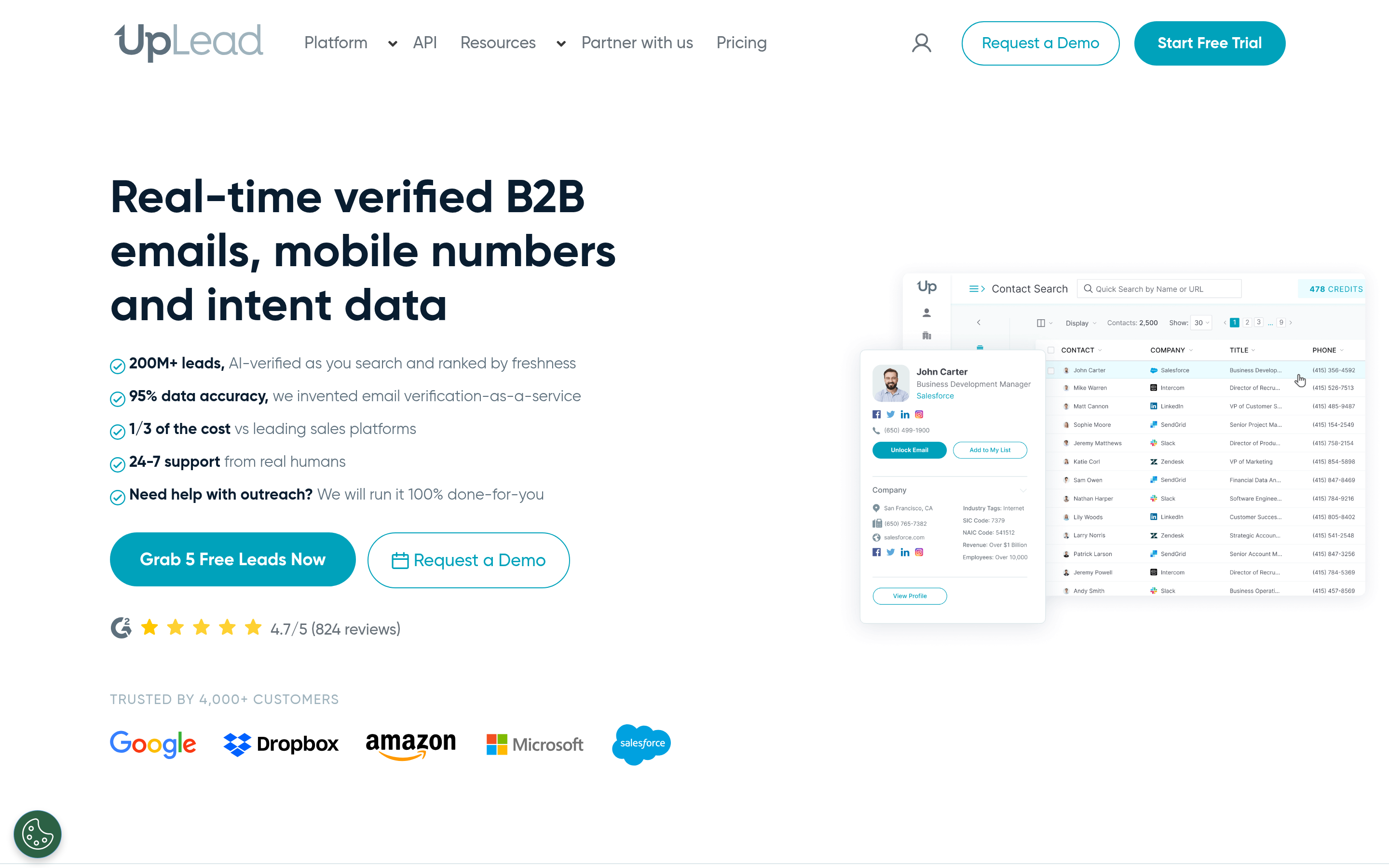
UpLead sits between self-serve finders and enterprise databases: you filter a database by 50+ attributes, preview matches, and verify emails in real time as you export. Pricing is public and mid-market. It is a clean fit for marketers building segmented campaign lists who do not need an API or sequencing.
RocketReach — best for one-off lookups and recruiting#
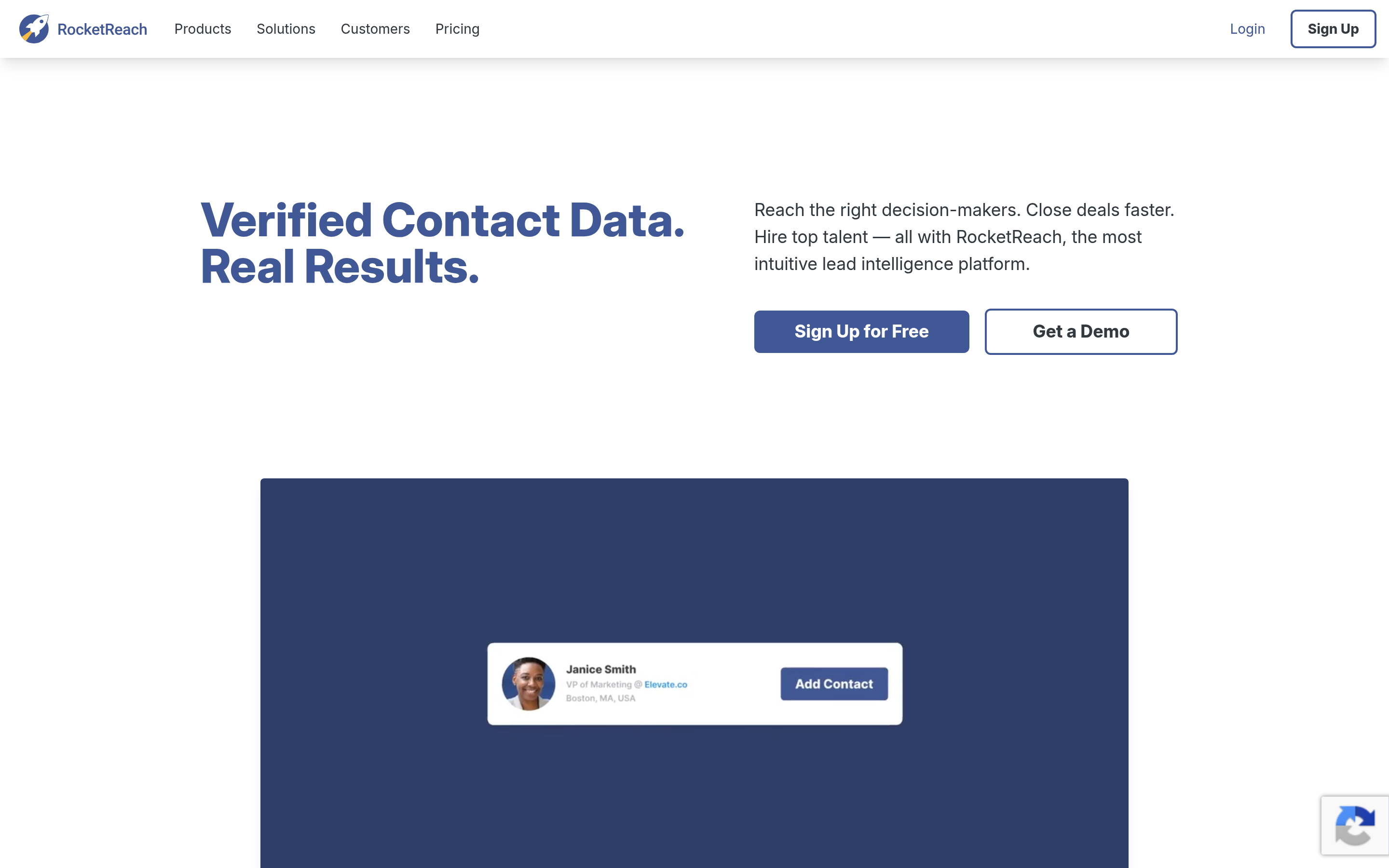
RocketReach is optimized for finding a specific person rather than building a segment. Recruiters, BD teams, and partnerships people get the most out of it. It is less efficient as a volume prospecting engine because the pricing model rewards lookups over list-building. See our RocketReach alternative comparison for the credit math.
Clay — best for RevOps teams that want waterfall enrichment#
Clay does not primarily sell data; it orchestrates it. You chain providers so a record hits provider A, and if that misses, falls through to B, then C — paying only for hits. That waterfall pattern is the most cost-efficient enrichment architecture available right now, and Tomba is one of the providers teams commonly slot into it. The catch is that Clay is a builder's tool: someone on your team has to own the tables and workflows, and the credit model gets expensive if you build carelessly.

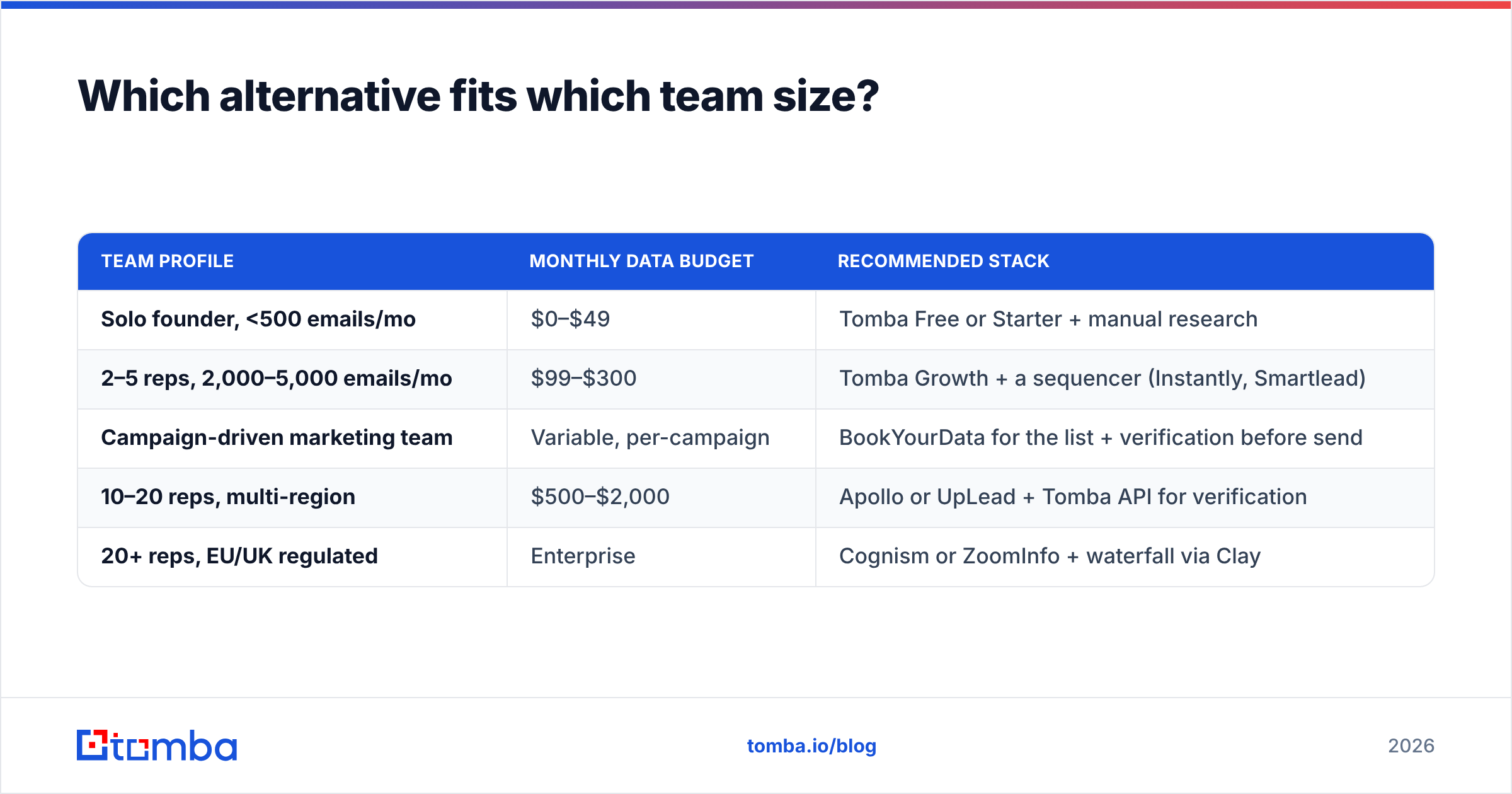
Which alternative fits which team size?#
| Team profile | Monthly data budget | Recommended stack |
|---|---|---|
| Solo founder, <500 emails/mo | $0–$49 | Tomba Free or Starter + manual research |
| 2–5 reps, 2,000–5,000 emails/mo | $99–$300 | Tomba Growth + a sequencer (Instantly, Smartlead) |
| Campaign-driven marketing team | Variable, per-campaign | BookYourData for the list + verification before send |
| 10–20 reps, multi-region | $500–$2,000 | Apollo or UpLead + Tomba API for verification |
| 20+ reps, EU/UK regulated | Enterprise | Cognism or ZoomInfo + waterfall via Clay |
The pattern that shows up repeatedly at every tier: one source for discovery, one independent layer for verification. Teams that use the same vendor for both tend to discover their bounce problem in production, because a provider grading its own homework has no incentive to mark a record invalid.
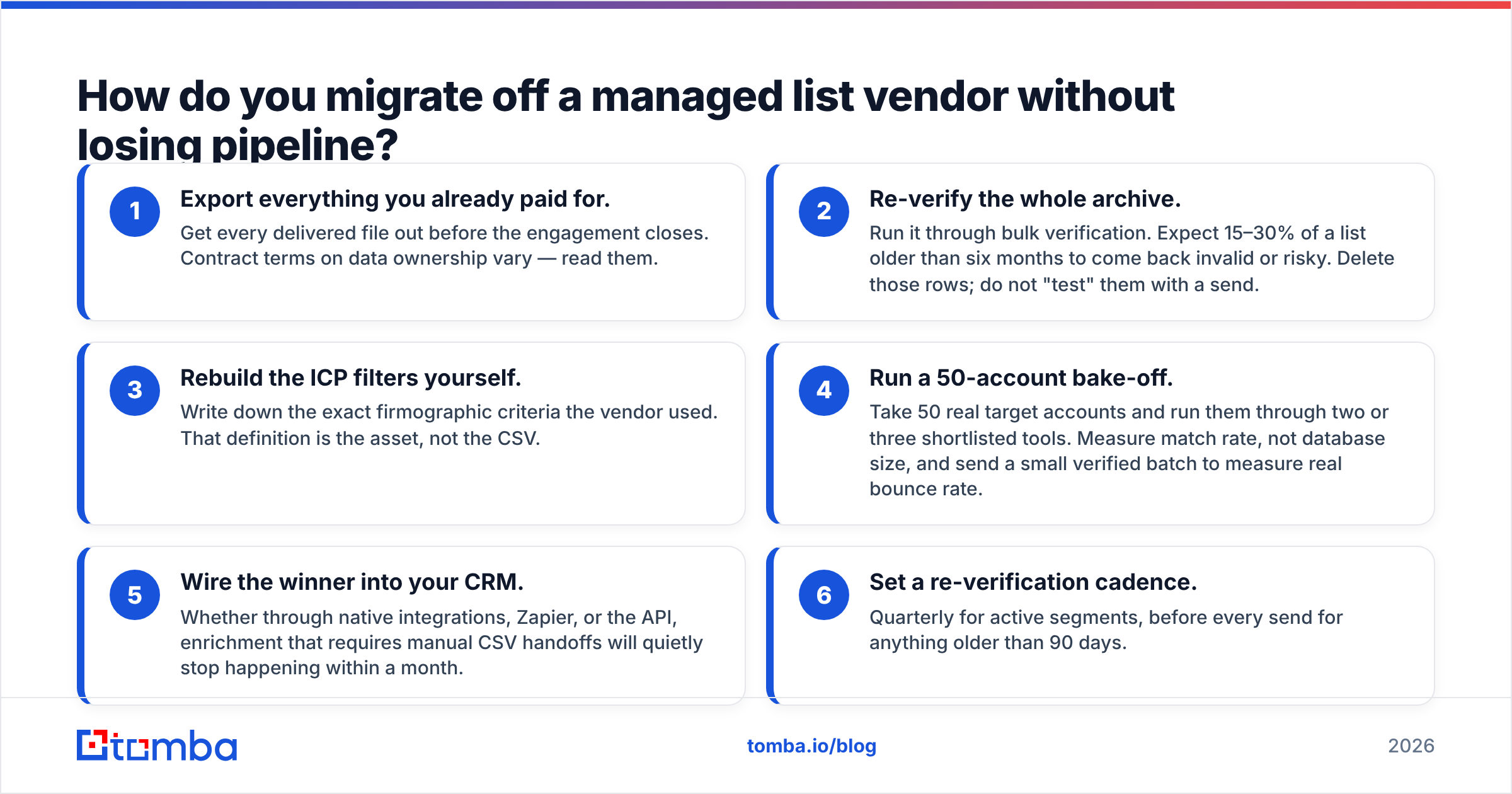
How do you migrate off a managed list vendor without losing pipeline?#
- Export everything you already paid for. Get every delivered file out before the engagement closes. Contract terms on data ownership vary — read them.
- Re-verify the whole archive. Run it through bulk verification. Expect 15–30% of a list older than six months to come back invalid or risky. Delete those rows; do not "test" them with a send.
- Rebuild the ICP filters yourself. Write down the exact firmographic criteria the vendor used. That definition is the asset, not the CSV.
- Run a 50-account bake-off. Take 50 real target accounts and run them through two or three shortlisted tools. Measure match rate, not database size, and send a small verified batch to measure real bounce rate.
- Wire the winner into your CRM. Whether through native integrations, Zapier, or the API, enrichment that requires manual CSV handoffs will quietly stop happening within a month.
- Set a re-verification cadence. Quarterly for active segments, before every send for anything older than 90 days.
Step four is the one teams skip and the one that decides the outcome. Vendor-published accuracy figures are measured on the vendor's terms; your 50-account test is measured on yours. For broader category context, G2's lead intelligence category and general background on lead generation are useful cross-checks against any single vendor's claims.
Is a self-serve tool always cheaper than a managed service?#
Not always — it depends on whether you have someone to run it. Managed list building bundles labor into the price. A $49/month tool with no one operating it produces zero contacts and costs you $49.
Run the honest math: cost per verified, in-ICP contact, including the hours someone spends. A self-serve stack typically lands in the low cents per verified contact at volume, versus dollars per contact for researched lists. Above a few thousand contacts a year, self-serve wins decisively. Below a few hundred, and with no owner on your team, the managed route can genuinely be cheaper in total cost.
The middle path most teams settle into: buy a targeted list once to seed a campaign, then build the in-house capability so the second campaign costs a fraction of the first.
Start with data you can verify#
If your reason for leaving Exellius is speed, ownership, and predictable pricing, start where the leverage is highest — finding and verifying the addresses yourself. Tomba's Email Finder gives you 25 free searches a month to run that 50-account bake-off before you spend anything, with verification, domain search, bulk enrichment, and a full API on the same account when you scale up. Test it against your real ICP, compare the match rate to your last delivered list, and let the numbers pick your vendor.
Related guides#
Ready to find emails that actually work?
Join 150,000+ professionals who stopped guessing and started sending. Free credits on signup — no credit card required.
Get the Tomba newsletter
Practical outbound tactics and product updates — once every two weeks.
About the author