7 Best GlassHive Alternatives in 2026 (Compared & Priced)
GlassHive is built for MSP marketing, but it is not the only way to run co-branded campaigns and a sales pipeline. Here are seven GlassHive alternatives compared on price, data quality, and who each one actually fits.

TL;DR
- GlassHive is a marketing-and-sales platform built specifically for MSPs and IT service providers, with co-branded vendor campaigns as its signature feature. That focus is also its ceiling.
- If you want vendor-supplied campaign assets, nothing general-purpose replaces GlassHive one-for-one. If you want cheaper email, better contact data, or a real CRM, several tools beat it.
- The seven alternatives worth testing: HubSpot, Zomentum, ActiveCampaign, Pipedrive, Apollo.io, Instantly, and BookYourData.
- Most teams that leave GlassHive do not replace it with one product. They split it into a data layer, a sending layer, and a CRM — often for less than one GlassHive seat block.
- The unglamorous truth: your reply rate is capped by contact data quality, not by how pretty the campaign template is.
What is GlassHive and who is it actually for?#
GlassHive is a sales and marketing platform aimed almost exclusively at managed service providers, IT resellers, and the vendors who sell through them. Think of it as a marketing department in a filing cabinet: campaigns, email templates, landing pages, collateral, and a lightweight pipeline, all pre-loaded with content that vendors like Microsoft, Datto, or SentinelOne have already written and paid to distribute.
That last part is the whole pitch. Most MSPs are three to fifteen people, nobody owns marketing full-time, and the owner is also the top technician. GlassHive solves the "we have no content" problem by handing you vendor content that has been co-branded to your logo, plus a place to send it from. You can read the vendor's own framing on the GlassHive site.
Where it gets thin is everything downstream of that. The CRM is functional rather than deep. Reporting is campaign-centric, not revenue-centric. And critically, GlassHive gives you a place to send email — it does not give you people to send it to. You bring the list. If your list is a five-year-old export from a trade show badge scanner, the platform cannot save you.
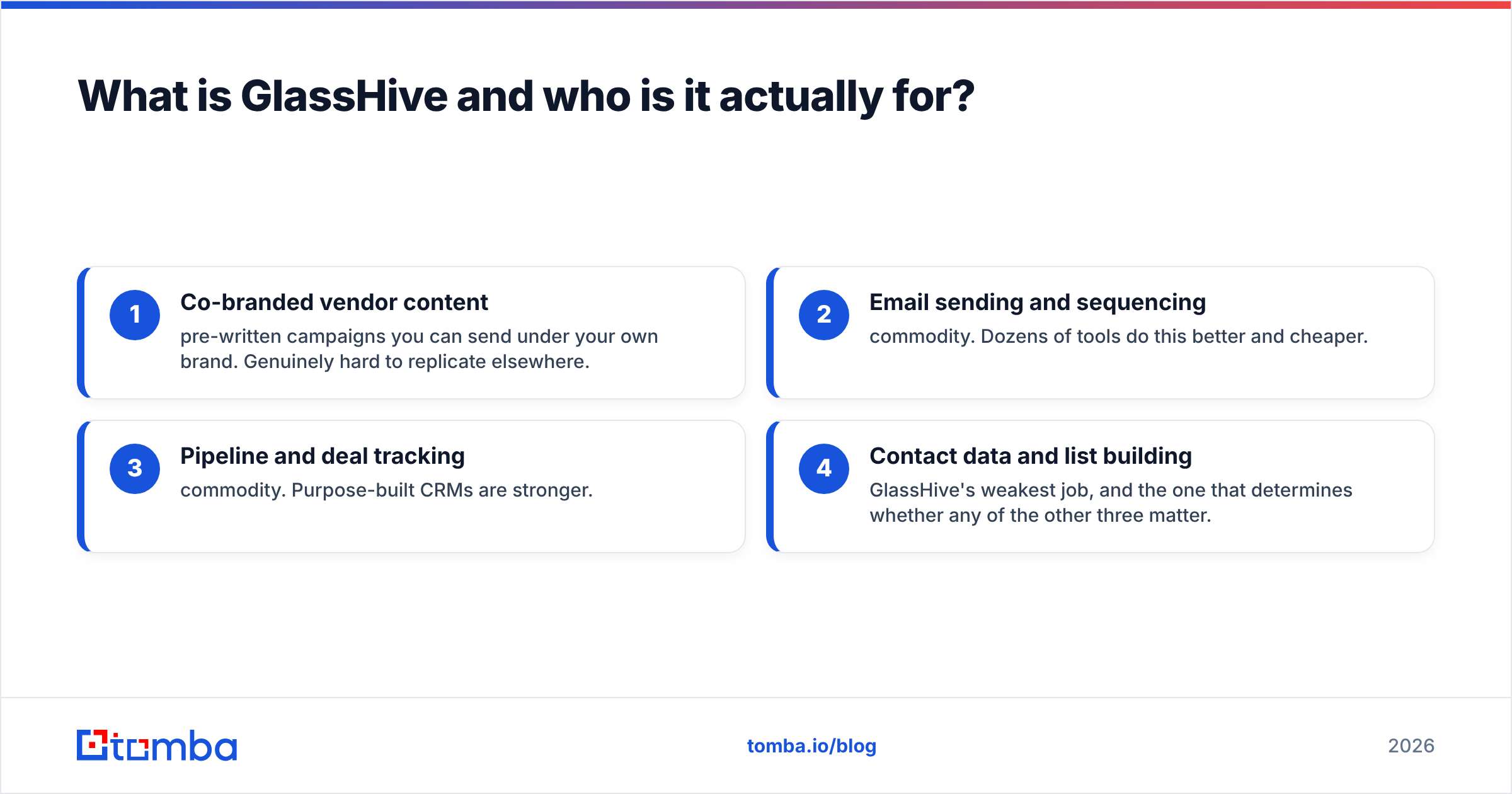
So the honest question is not "what replaces GlassHive?" It is "which job am I actually hiring it for?" There are four:
- Co-branded vendor content — pre-written campaigns you can send under your own brand. Genuinely hard to replicate elsewhere.
- Email sending and sequencing — commodity. Dozens of tools do this better and cheaper.
- Pipeline and deal tracking — commodity. Purpose-built CRMs are stronger.
- Contact data and list building — GlassHive's weakest job, and the one that determines whether any of the other three matter.
Split the four jobs and the alternatives sort themselves.
Why do MSPs look for GlassHive alternatives?#
Four complaints come up repeatedly in G2 reviews and in MSP peer groups.
Pricing is quote-based and seat-shaped. GlassHive does not publish a simple self-serve price the way most SaaS does; you talk to sales and land on a per-user arrangement. For a six-person MSP where only two people ever log in, seat pricing stings. Always check the current pricing page before you budget — vendor pricing moves.
The content is vendor content. That is the feature, and also the problem. Every other MSP in your metro running the same vendor program is sending a version of the same email, with the same subject line, in the same month. Differentiation is hard when your campaign was written by your supplier's marketing agency.
The CRM is a starter CRM. If you already run ConnectWise, Autotask, HubSpot, or Pipedrive, you now have two systems that both think they own the contact record. Sync issues follow.
List building is manual. You export from somewhere, clean it in a spreadsheet, upload it, and hope. There is no built-in way to say "give me the IT director at every 50–200 seat manufacturer within 60 miles" and get verified, current email addresses back. That gap is where a dedicated email finder or a B2B database earns its keep.
Which GlassHive alternatives are worth comparing?#
Here is the shortlist, sorted by the job it replaces. Prices are the publicly listed entry tiers at the time of writing; verify before you commit, because every vendor on this list changes packaging at least annually.
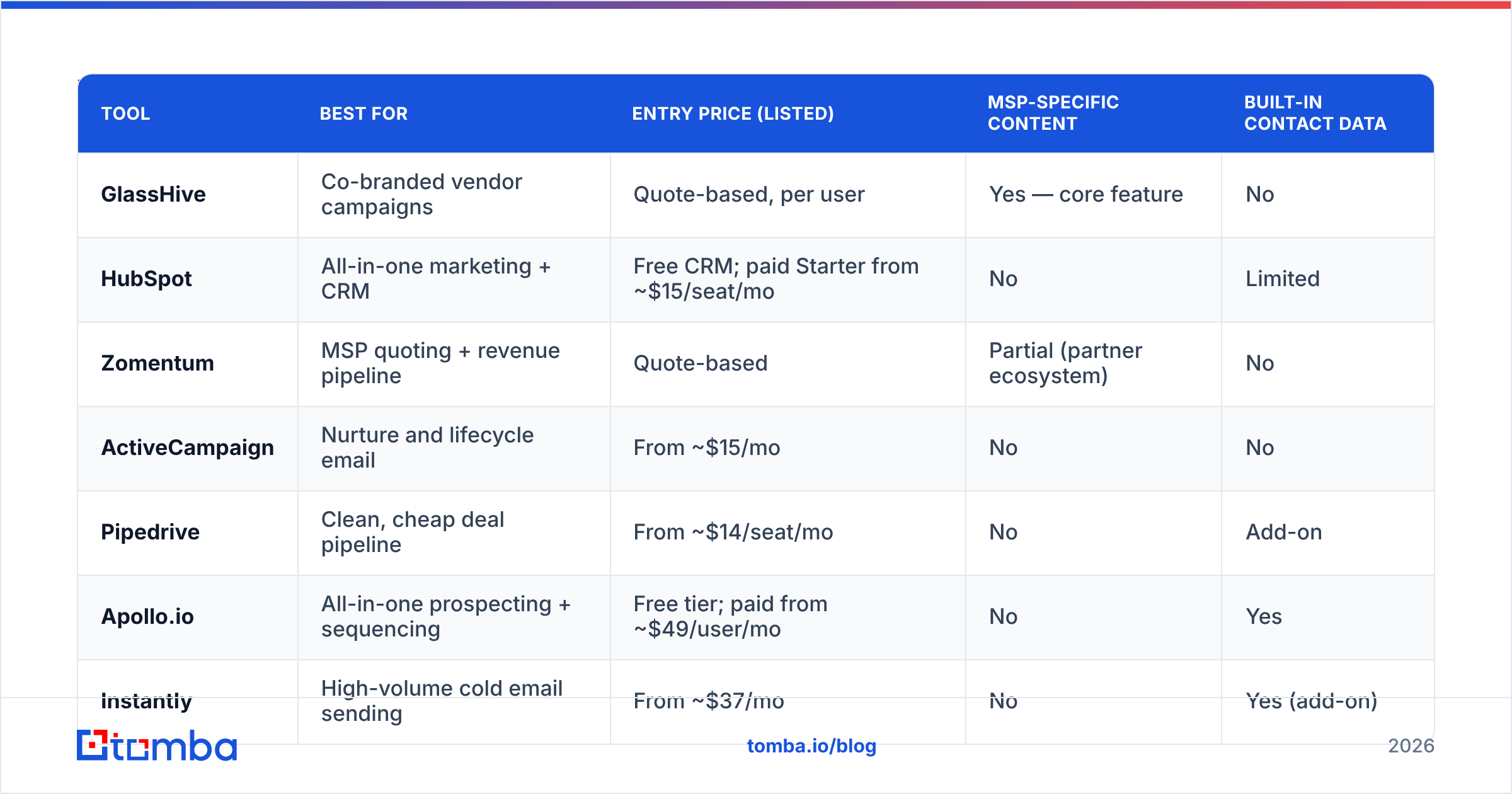
| Tool | Best for | Entry price (listed) | MSP-specific content | Built-in contact data |
|---|---|---|---|---|
| GlassHive | Co-branded vendor campaigns | Quote-based, per user | Yes — core feature | No |
| HubSpot | All-in-one marketing + CRM | Free CRM; paid Starter from ~$15/seat/mo | No | Limited |
| Zomentum | MSP quoting + revenue pipeline | Quote-based | Partial (partner ecosystem) | No |
| ActiveCampaign | Nurture and lifecycle email | From ~$15/mo | No | No |
| Pipedrive | Clean, cheap deal pipeline | From ~$14/seat/mo | No | Add-on |
| Apollo.io | All-in-one prospecting + sequencing | Free tier; paid from ~$49/user/mo | No | Yes |
| Instantly | High-volume cold email sending | From ~$37/mo | No | Yes (add-on) |
| BookYourData | Pay-as-you-go verified B2B lists | Credit packs, no subscription | No | Yes — core feature |
| Tomba | Verified email finding and enrichment | Free (25 searches/mo); Starter $49/mo | No | Yes — core feature |
1. HubSpot — the default full replacement#
HubSpot is the safest one-for-one swap if what you liked about GlassHive was "everything in one place." You get a genuinely free CRM, email marketing, landing pages, forms, and reporting that ties campaigns to closed revenue rather than to opens. The HubSpot free tier is not a trial — it is permanently usable.
What you lose: the vendor content library. You are writing your own emails now. What you gain: reporting that survives an owner asking "which campaign produced the $4,000 MRR deal?"
Watch the pricing cliff. Starter is cheap; Professional is not, and marketing contact tiers escalate quietly. If you outgrow it, the Tomba HubSpot integration keeps enrichment flowing regardless of which tier you land on.
2. Zomentum — the MSP-native option#
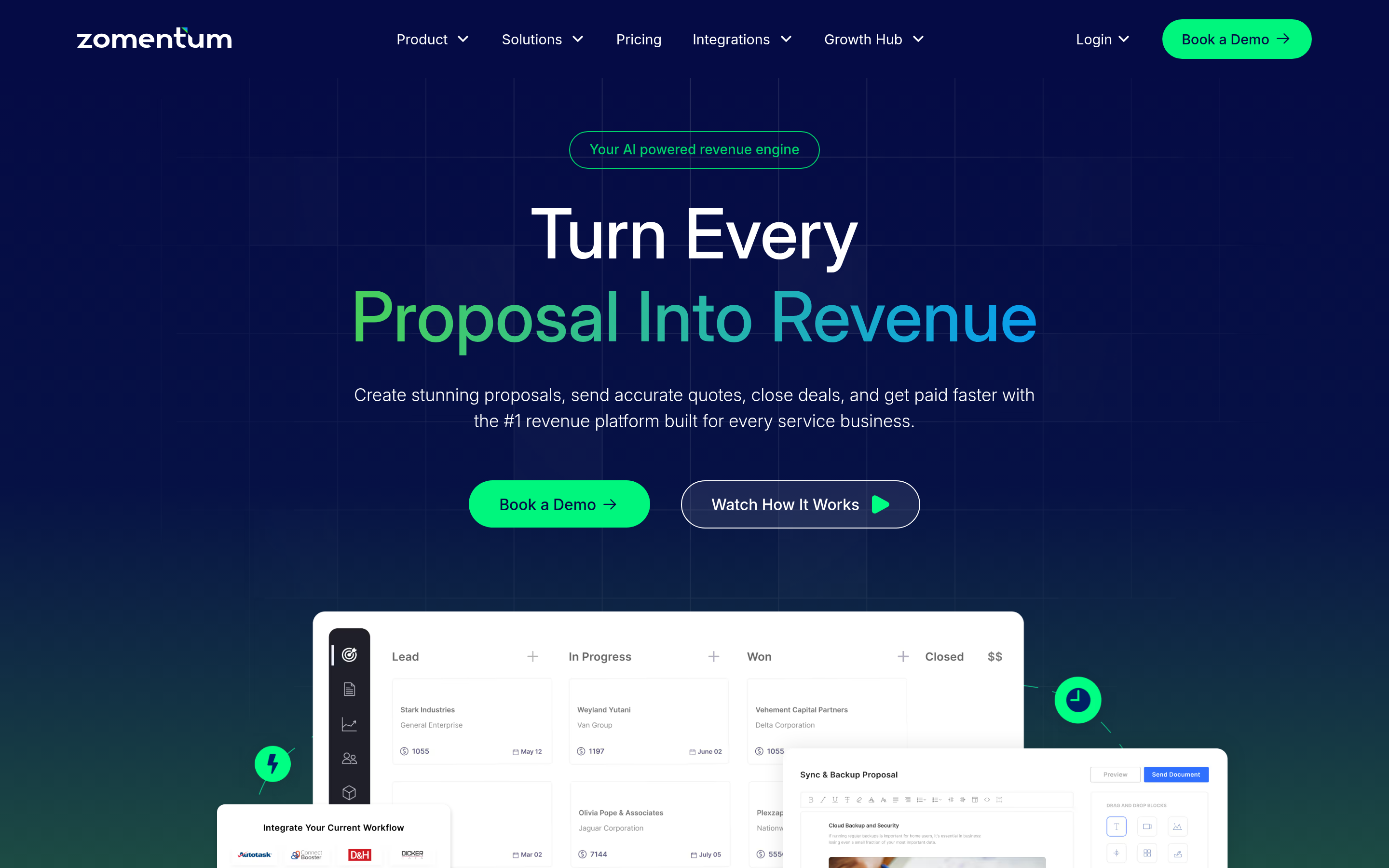
Zomentum is the closest thing to a peer product: built for MSPs, oriented around quoting, proposals, and partner-sourced revenue. Where GlassHive is marketing-first, Zomentum is deal-first. If your bottleneck is "we send quotes in Word and lose track of them," this is the better spend.
It is not a cold-email machine. Pair it with a data source and a sender.
3. ActiveCampaign — nurture done properly#
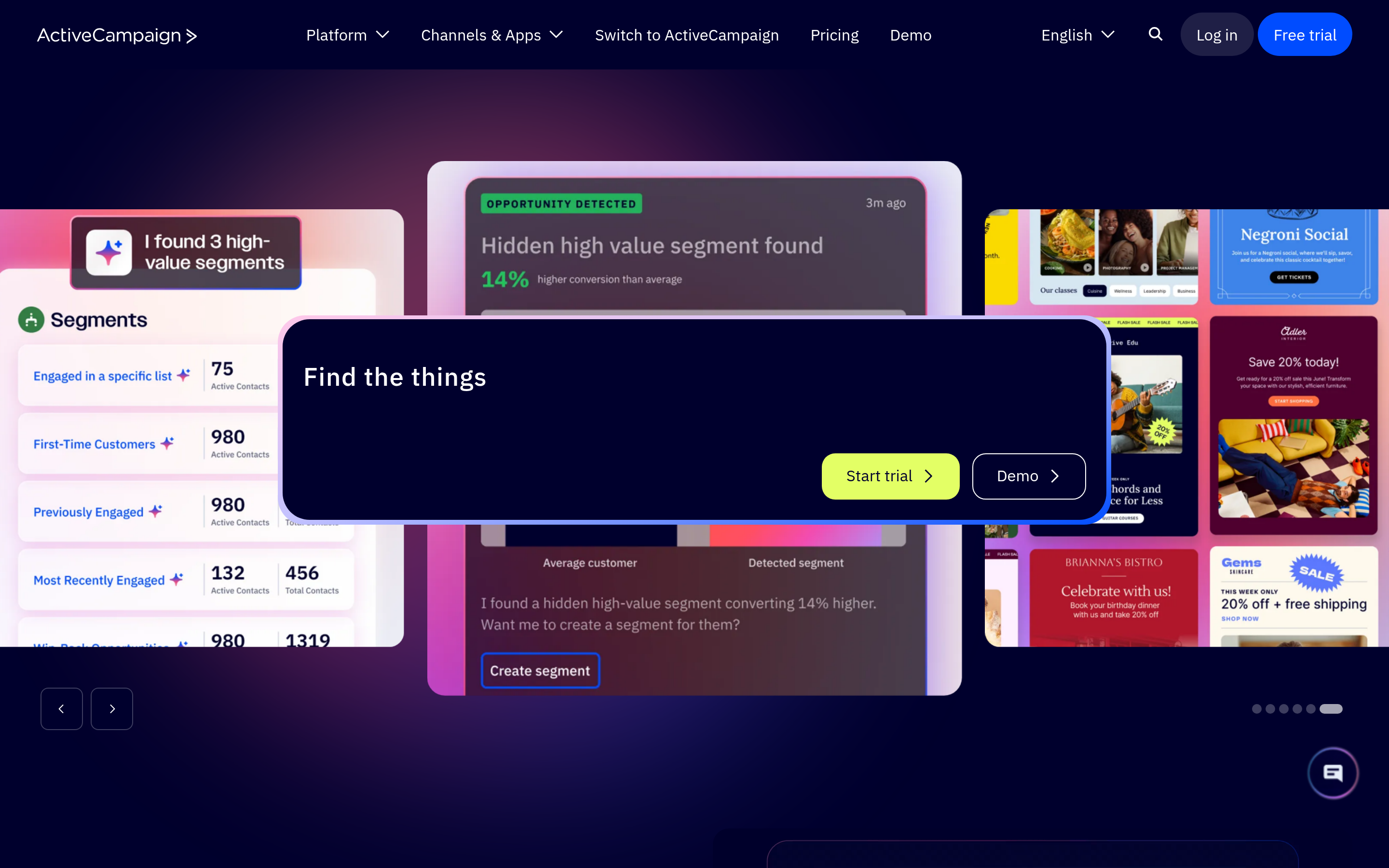
If GlassHive's email builder felt limiting, ActiveCampaign is a serious upgrade in automation logic: conditional branches, lead scoring, behavioral triggers, site tracking. It is a marketing automation tool, not a prospecting tool — it assumes contacts opt in.
For MSPs with an existing client base and a newsletter habit, it is a strong, cheap fit. For net-new outbound, it is the wrong shape and its terms of service will tell you so.
4. Pipedrive — pipeline without the bloat#
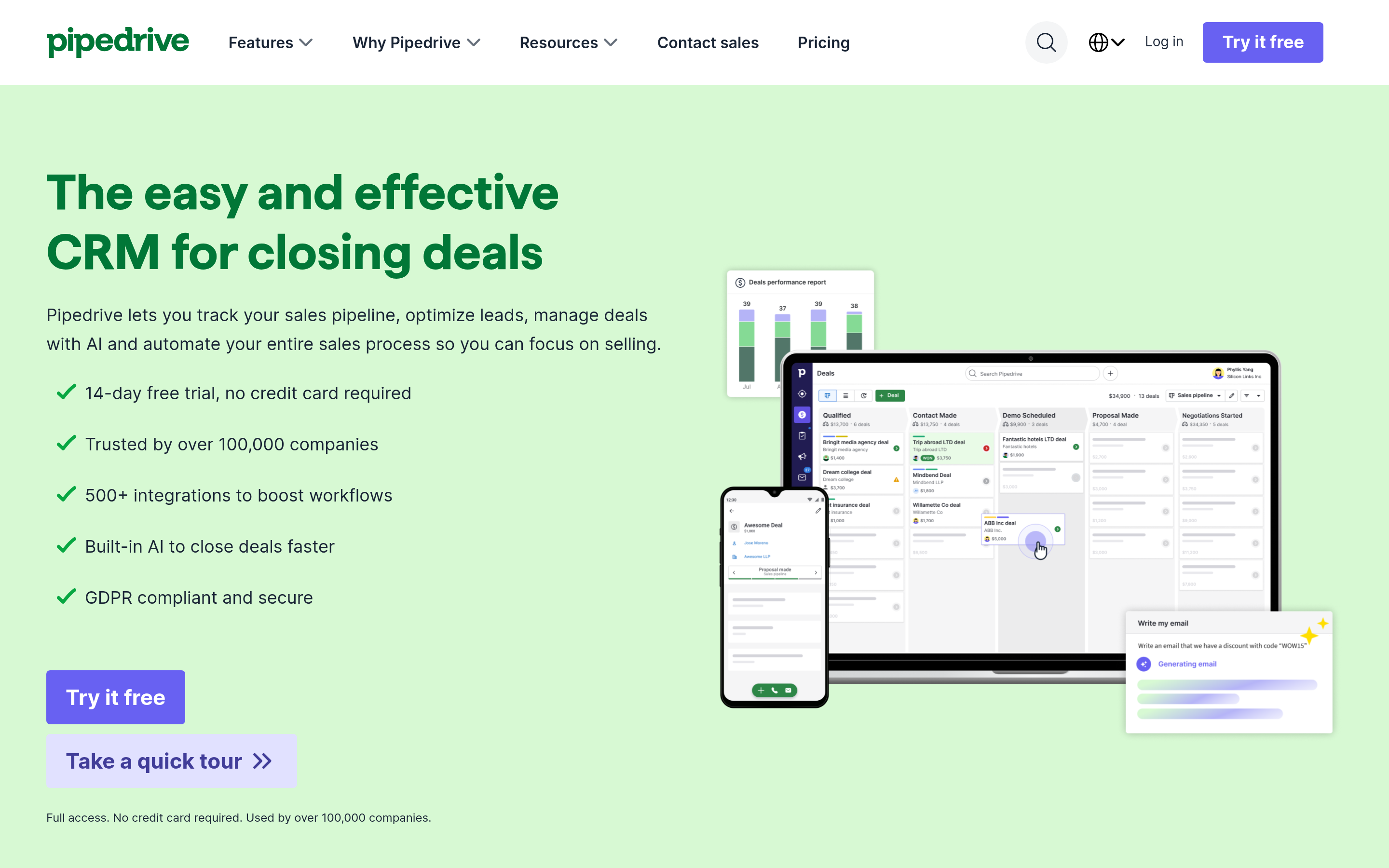
Pipedrive does one thing: it makes deal stages obvious and easy to update on a phone between service calls. Cheap, fast, and technicians actually use it, which is the only CRM metric that matters. Combine it with the Pipedrive integration to auto-fill contact details rather than typing them.
No marketing content, no campaign library. Pair accordingly.
5. Apollo.io — prospecting plus sequencing in one#
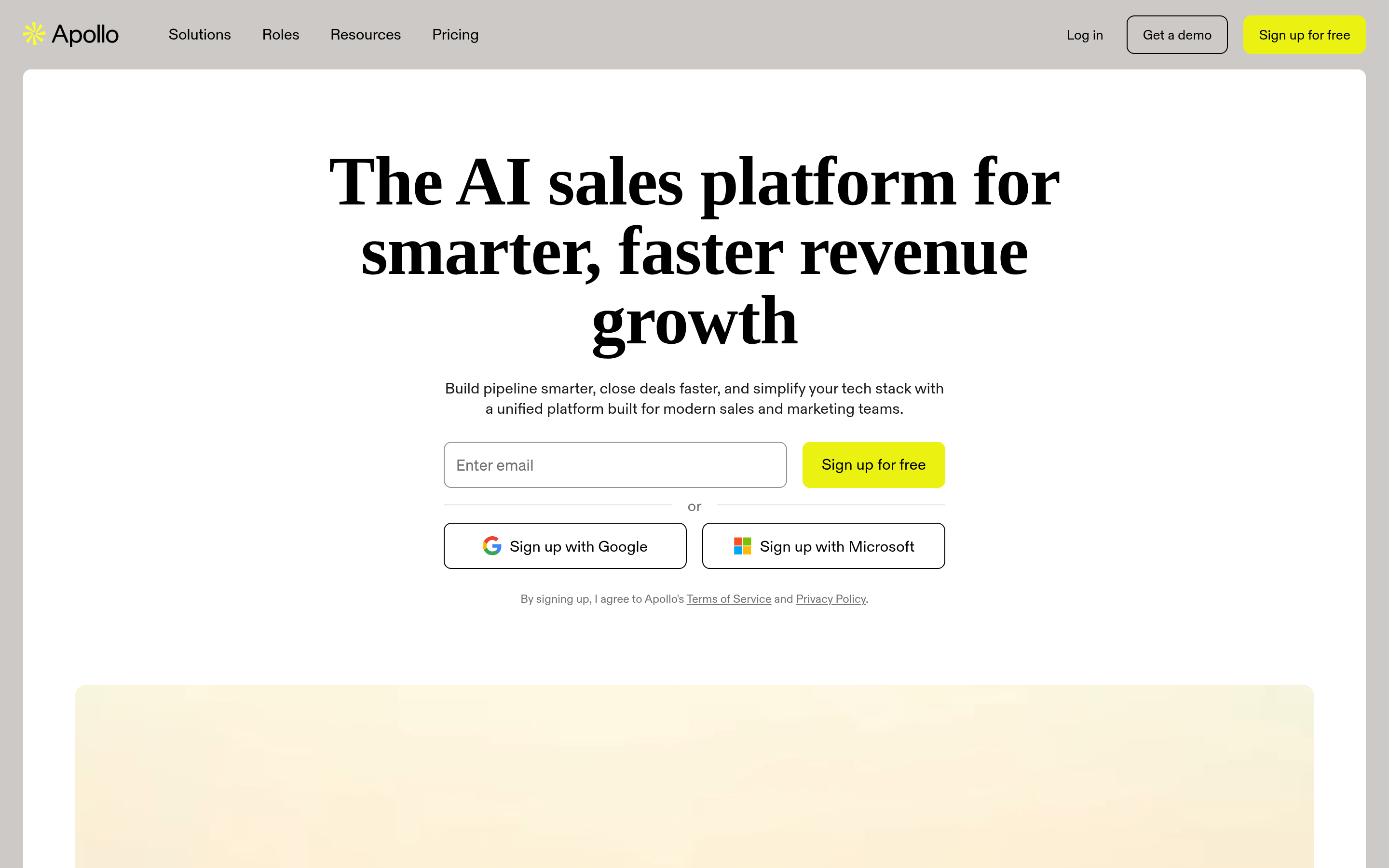
Apollo bundles a contact database with sequencing, so you can build a list and email it without leaving the tab. For MSPs running true outbound — targeting companies that have never heard of you — this replaces the part of GlassHive that GlassHive never really did.
The trade-off is data freshness. Bundled databases are broad but stale in patches, and you will burn sends on addresses that bounced months ago. Many teams run Apollo for sequencing and verify the list separately with an email verifier before the first send. If you are weighing the swap, the Apollo alternative breakdown covers the data-quality differences in detail.
6. Instantly — volume sending and inbox rotation#
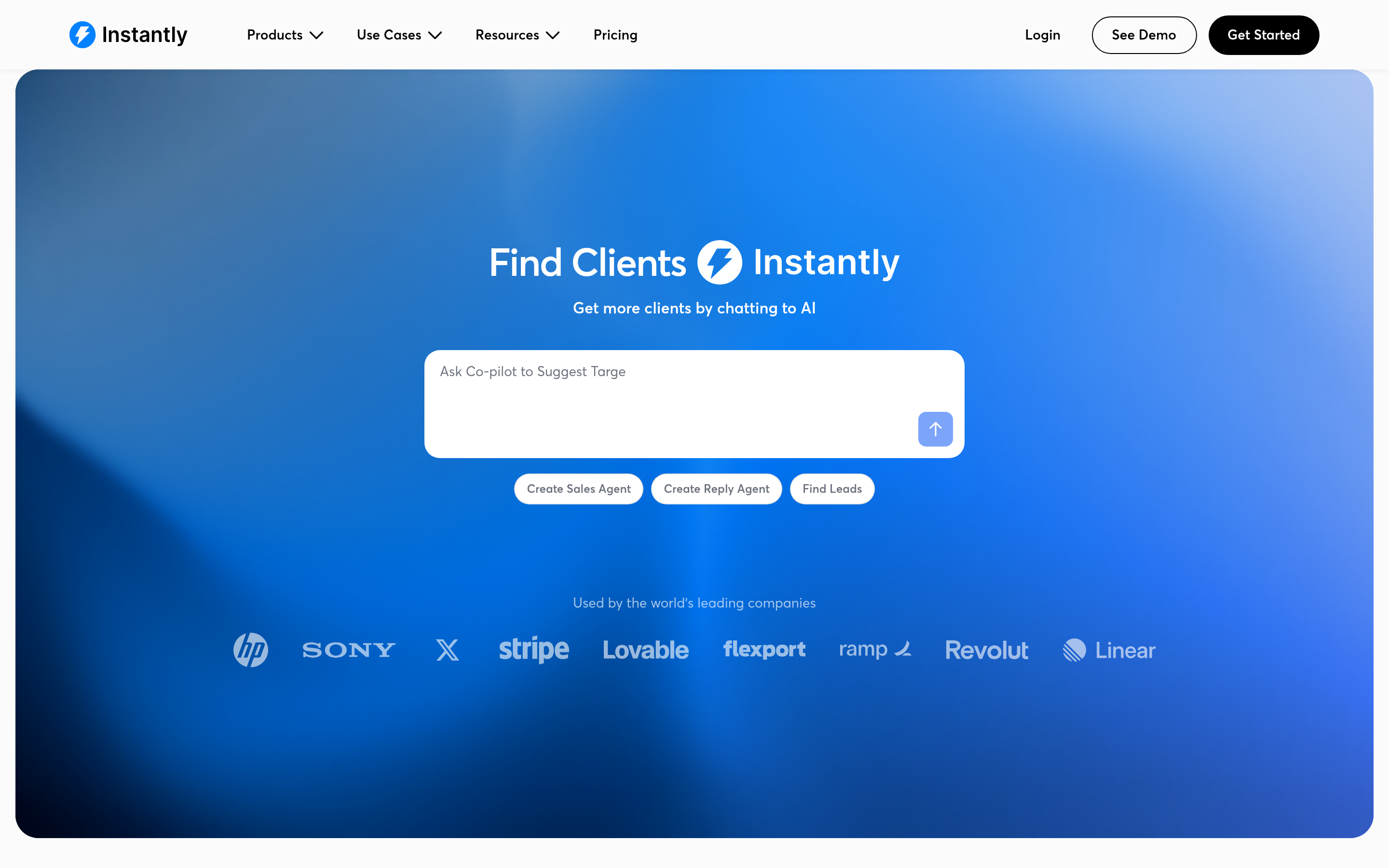
Instantly is built for one job: sending a lot of cold email without torching your domain. Inbox rotation, warmup, and send-time pacing are native. If your GlassHive frustration was deliverability, this is the specialist.
It is not a CRM and its content library is generic. It also assumes you arrive with a clean list — sending garbage through Instantly just gets you blocklisted faster.
7. BookYourData — buy the list, skip the subscription#
BookYourData takes a different and refreshingly honest angle: pay-as-you-go, credit-based access to verified B2B contacts with no monthly commitment. For an MSP that runs two campaigns a year rather than twelve, that pricing model beats a subscription outright. It is a respected data provider and a legitimate answer when your problem is "I need 800 good contacts in March and nothing in April."
What it does not do is send the email or track the deal. It is a data layer, and it is a good one.

Is a bundled platform better than a split stack?#
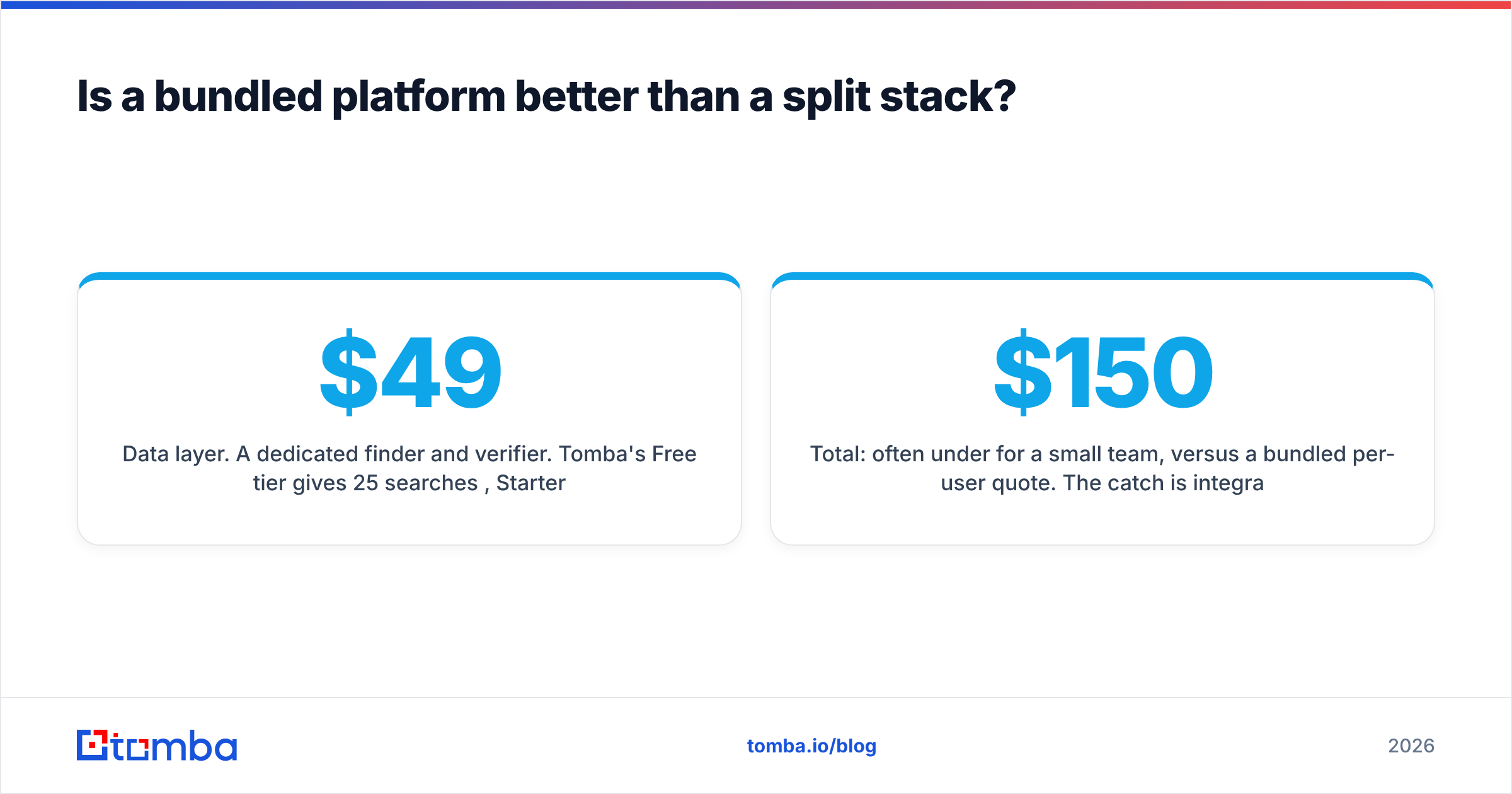
For most MSPs under twenty people, the split stack wins on cost and quality. Here is the arithmetic.
- Data layer. A dedicated finder and verifier. Tomba's Free tier gives 25 searches/mo, Starter is $49/mo, Growth $99/mo, Pro $249/mo — see the full Tomba pricing for credit allocations. Use domain search to pull every reachable contact at a target company, then verify before export.
- Sending layer. Instantly, Smartlead, or your existing Microsoft 365 tenant with sane volume limits.
- CRM layer. Pipedrive or HubSpot Free. Both are cheaper than a second seat block anywhere.
- Content layer. Your vendor portals already host the co-branded assets GlassHive surfaces. It is more clicking, but it is free.
Total: often under $150/month for a small team, versus a bundled per-user quote. The catch is integration work — you own the plumbing. That is a real cost, and if nobody on your team enjoys plumbing, a bundled platform is worth paying for. Be honest about which team you are.
How do you keep the data layer from becoming the weak link?#
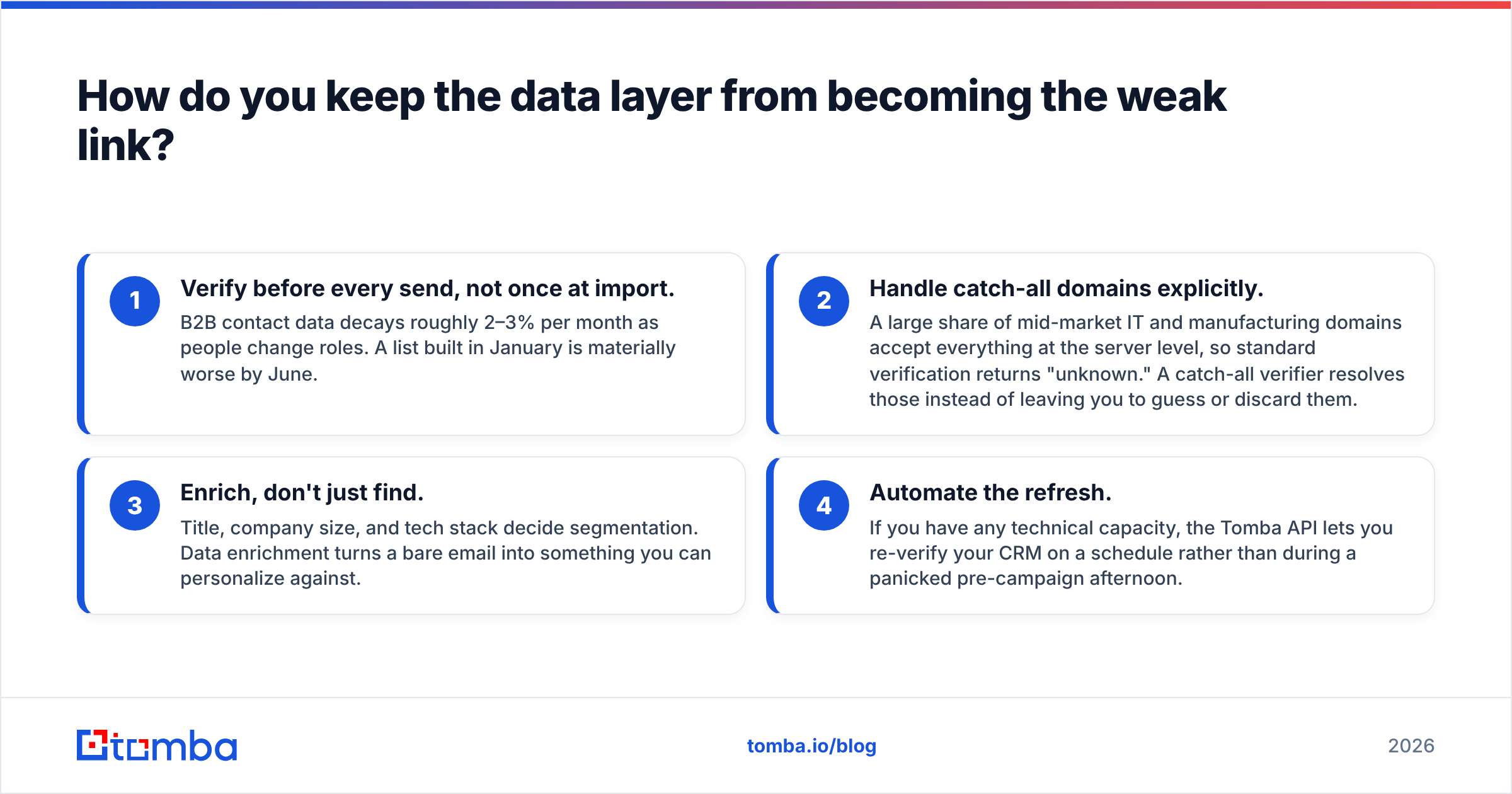
This is the part everyone skips and everyone regrets. Four rules:
- Verify before every send, not once at import. B2B contact data decays roughly 2–3% per month as people change roles. A list built in January is materially worse by June.
- Handle catch-all domains explicitly. A large share of mid-market IT and manufacturing domains accept everything at the server level, so standard verification returns "unknown." A catch-all verifier resolves those instead of leaving you to guess or discard them.
- Enrich, don't just find. Title, company size, and tech stack decide segmentation. Data enrichment turns a bare email into something you can personalize against.
- Automate the refresh. If you have any technical capacity, the Tomba API lets you re-verify your CRM on a schedule rather than during a panicked pre-campaign afternoon.
Do these four things and a mediocre sending tool will still outperform a beautiful platform running on a rotten list.
Which GlassHive alternative should you choose?#
- You mainly want vendor co-branded content: stay on GlassHive, or pull assets directly from vendor partner portals and send them via ActiveCampaign.
- You want one system for marketing and revenue reporting: HubSpot.
- Your bottleneck is quoting and closing, not awareness: Zomentum.
- Your bottleneck is a cheap, usable pipeline: Pipedrive.
- You are starting true cold outbound: a data layer plus Instantly, not a marketing platform.
- You run campaigns occasionally, not continuously: BookYourData's credit model over any subscription.
- Your emails bounce or land in spam: fix data and deliverability first. No alternative platform fixes a bad list.
The pattern across every MSP that improved results after leaving GlassHive is the same: they stopped paying for a bundle and started paying for accuracy.
Start there. Run your existing contact list through the Tomba Email Finder and verify what you already have before you buy anything new — the free tier covers 25 searches a month, which is enough to see how much of your current database is still real. Most teams discover the problem was never the platform.
Related guides#
Ready to find emails that actually work?
Join 150,000+ professionals who stopped guessing and started sending. Free credits on signup — no credit card required.
Get the Tomba newsletter
Practical outbound tactics and product updates — once every two weeks.
About the author